





Plantar Fasciitis: Causes, Prevention, And Home Treatment
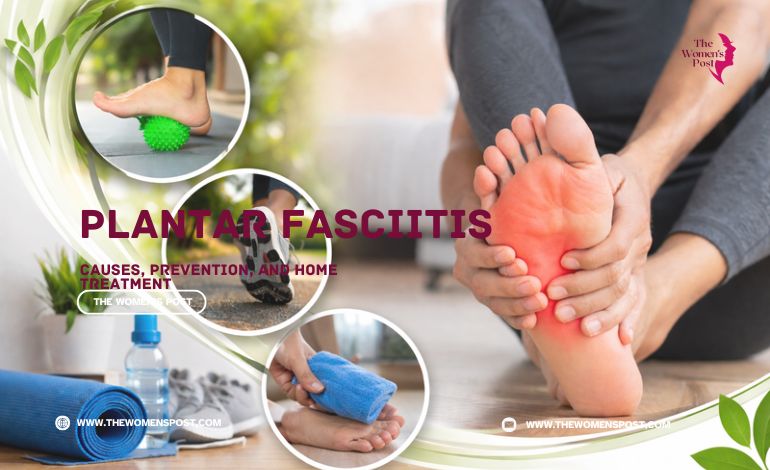

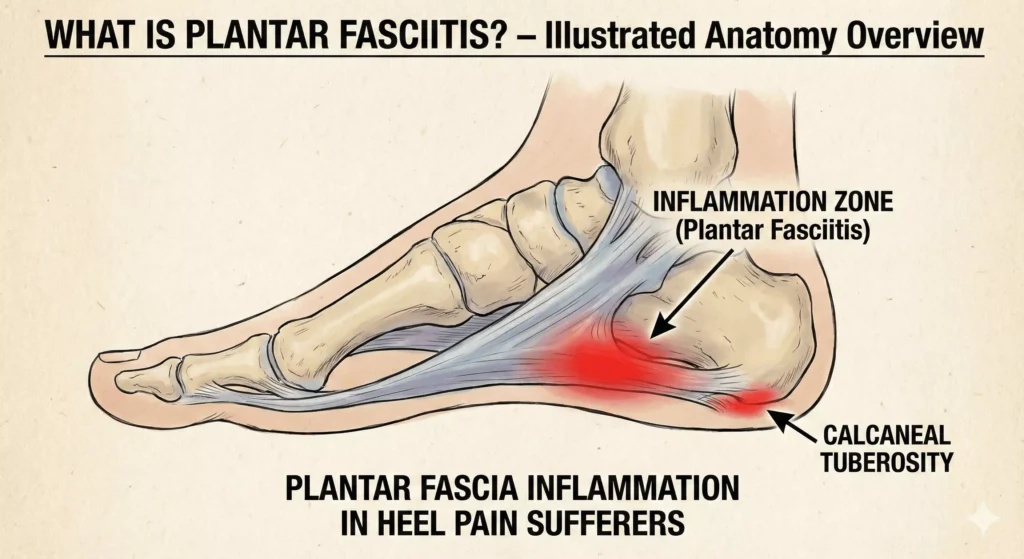
Plantar fasciitis is one of the most common causes of heel pain. It is a condition that affects thousands of people every year, particularly those people whose jobs require them to stand for long hours, runners, and people who are carrying some extra weight in their body. It is a condition in which a thick band of tissue located on the bottom of the foot from the heel to the toes gets irritated and inflames. This tissue supports the arch of the foot and absorbs shock during every step we take. As a result of irritation and inflammation of this tissue, a sharp pain is felt in the heels.
Heel pain due to plantar fasciitis makes daily activities difficult for people experiencing it. Fortunately, most cases of plantar fasciitis can be treated at home and cured effectively. There is no need to undergo surgery in most cases of plantar fasciitis. There are a number of causes of plantar fasciitis, ways of preventing it, and some of the most effective home treatments available in daily life.
What Causes Plantar Fasciitis?
The plantar fascia acts like a rubber band that stretches and contracts with every movement. Too much stress on this band leads to tiny tears and swelling. Several factors can trigger this problem.
One major cause is overuse. People who suddenly increase their walking, running, or standing time often develop plantar fasciitis. Athletes, factory workers, teachers, and retail staff are at higher risk because their feet take repeated impact.
Foot structure also plays a role. Individuals with flat feet or very high arches put uneven pressure on the plantar fascia. Tight calf muscles or Achilles tendons limit ankle movement, which forces the foot to work harder and strains the fascia.
Also Read:
Emerging Trends: Tech And Innovation In Women’s Health
Other common risk factors include:
- Wearing shoes with poor cushioning or no arch support
- Walking or running on hard surfaces without proper footwear
- Carrying extra body weight, which adds pressure on the heels
- Age (the condition is more common after 40 because tissues lose flexibility)
- Certain activities like dancing or jumping sports
In short, anything that puts repeated stress on the heel and arch can lead to plantar fasciitis. Many people search for how to treat plantar fasciitis without surgery because home care works well in most cases.
Common Symptoms
The main symptom is a sharp, stabbing pain in the bottom of the heel. Most people feel it most strongly with the first few steps after waking up. The pain may ease after moving around for a few minutes but often returns after long periods of standing or sitting. Some individuals also notice stiffness, tenderness when pressing on the heel, or a burning sensation along the arch.
Heel pain from plantar fasciitis is often worse in the morning.
How to Prevent Plantar Fasciitis
Prevention is easier than treatment. Small daily habits can protect the feet and keep the plantar fascia healthy:
- Choose the right shoes. Look for footwear with good arch support, thick cushioning in the heel, and a slightly raised heel. Replace running shoes every 300 to 500 miles. Avoid completely flat shoes or high heels for long periods.
- Stretch regularly. Gentle calf and foot stretches keep the muscles and fascia flexible. A simple routine takes only a few minutes each morning and evening.
- Manage body weight. Even a small reduction in weight lowers the load on the feet and reduces risk.
- Increase activity slowly. People who have been inactive should build up walking or running distance gradually instead of doing too much too soon.
- Avoid walking barefoot on hard surfaces like tile or concrete floors. Hard floors offer no shock absorption and can quickly irritate the plantar fascia. Wearing supportive slippers or shoes indoors helps.
Also Read:
Adolescent Girls’ Health – Early Pregnancy, Nutrition, And Rights
Effective Home Treatments
Most people recover from plantar fasciitis within a few months by following a few proven steps at home. The focus is on reducing inflammation, easing pain, and supporting the foot so it can heal. Many look for natural remedies for plantar fasciitis because simple methods often provide good relief.
1. Rest
The first and most important step is to rest the foot. Avoid activities that cause pain, such as long walks, running, or standing for long periods. Reduce high-impact exercise until the heel feels better. Rest does not mean staying in bed all day—light walking with proper shoes is fine—but it does mean listening to the body and stopping when pain increases.
2. Ice
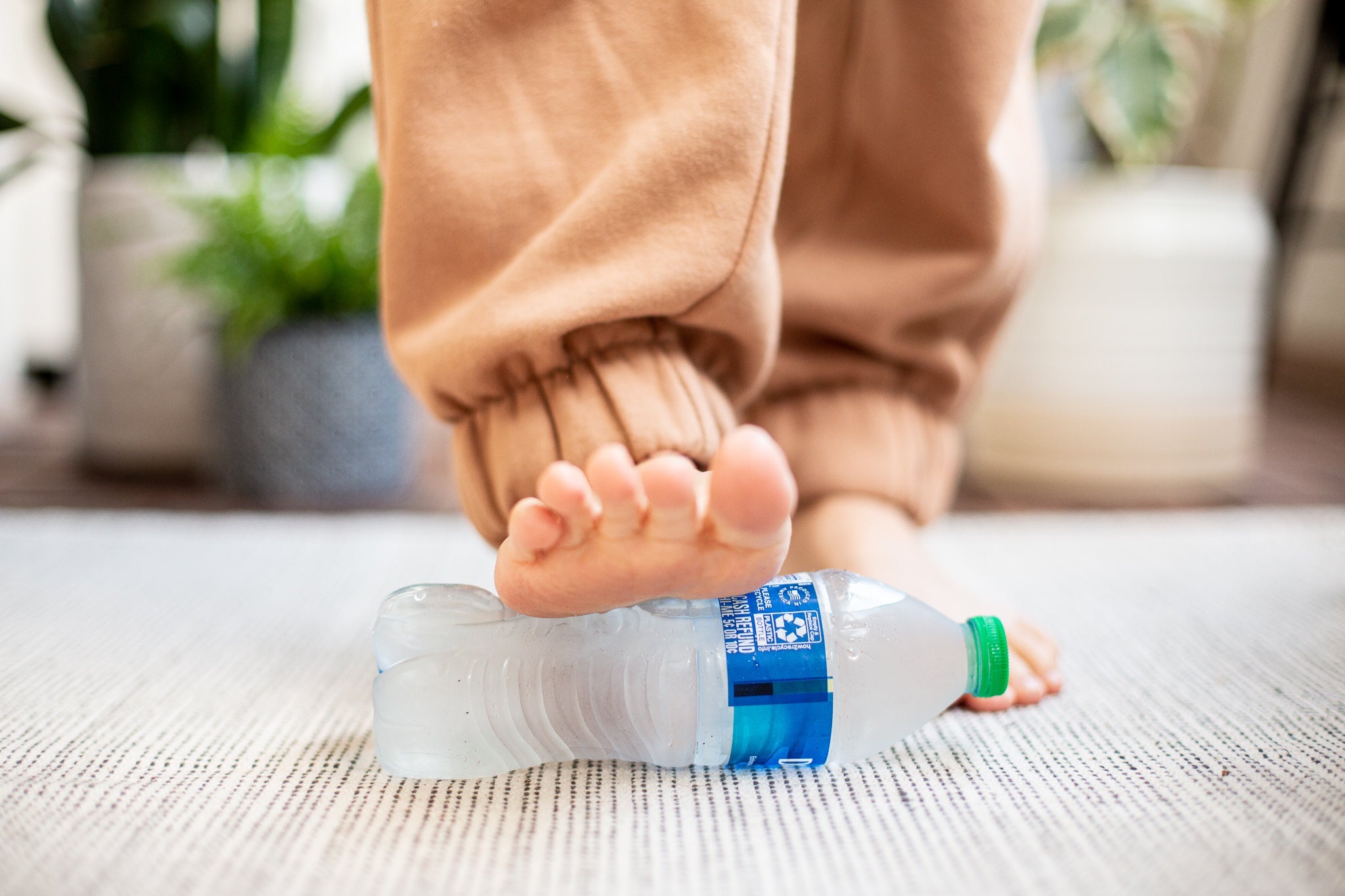
Ice reduces swelling and numbs pain. A simple method is to freeze a water bottle and roll the foot over it for 10 to 15 minutes, two or three times a day. Another option is to wrap ice in a thin cloth and apply it to the heel. Never put ice directly on the skin. Many people find the greatest relief by icing right after activity or before bed.
3. Stretching
Stretching is one of the most effective home treatments. It loosens the calf muscles and the plantar fascia itself. Two easy exercises work well for most people:
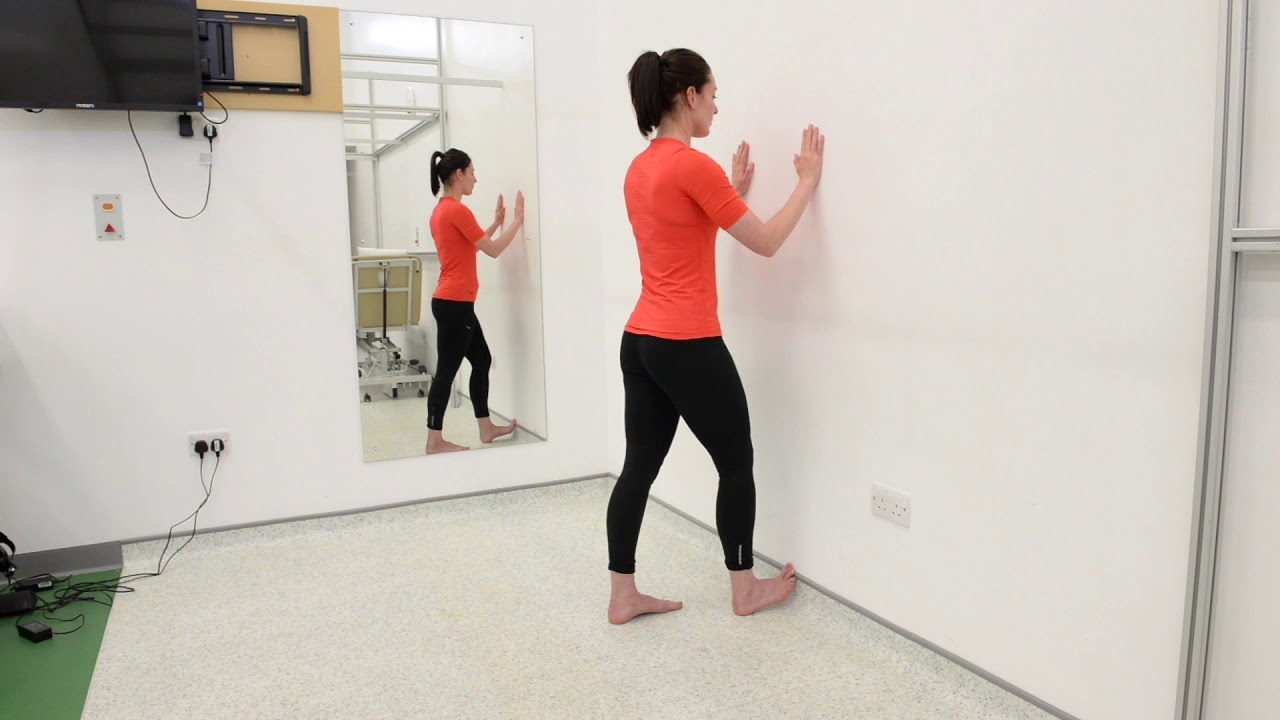
- Calf stretch: Stand facing a wall with one foot back. Keep the back leg straight and press the heel down. Hold for 30 seconds and repeat three times on each leg.
- Plantar fascia stretch: Sit down and cross the affected foot over the other knee. Gently pull the toes back toward the shin until a stretch is felt along the bottom of the foot. Hold for 30 seconds and repeat 10 times.
Also Read:
Maternal And Newborn Health: Regaining Lost Ground
Do these stretches every morning before getting out of bed and again at night. Consistent stretching can shorten recovery time dramatically.
4. Orthotics and Support
Supportive devices take pressure off the plantar fascia. Over-the-counter shoe inserts with arch support and heel cushioning work for many people. Some prefer night splints that keep the foot gently stretched while sleeping. These splints prevent the fascia from tightening overnight, which reduces morning pain.
5. Avoid Barefoot Walking on Hard Surfaces
This simple change makes a huge difference. Hard floors send shock straight to the heel. Wearing cushioned slippers or shoes inside the house protects the foot all day long.
Other helpful home remedies include gentle massage with a tennis ball or frozen bottle and keeping a healthy weight. Over-the-counter pain relievers like ibuprofen can reduce inflammation, but they should be used only as needed and according to the label. These steps support natural remedies for plantar fasciitis.

When to See a Doctor
Home treatment works for most cases, but a doctor should be consulted if pain lasts longer than a few weeks, becomes worse, or stops a person from daily activities. A medical professional can rule out other causes of heel pain and may suggest physical therapy, custom orthotics, or other options. Heel pain that does not improve needs attention.
Also Read:
Final Thoughts
Plantar fasciitis is painful but usually manageable at home. By understanding the causes, taking simple prevention steps, and focusing on rest, ice, stretching, and proper foot support, most people return to pain-free walking within weeks or months. Plantar fasciitis recovery time varies from person to person, but consistency helps speed up the process. The key is consistency—small daily habits protect the feet and prevent the problem from returning. If heel pain appears, start these basic treatments early and give the body time to heal. With patience and care, the discomfort of plantar fasciitis can be left behind.