

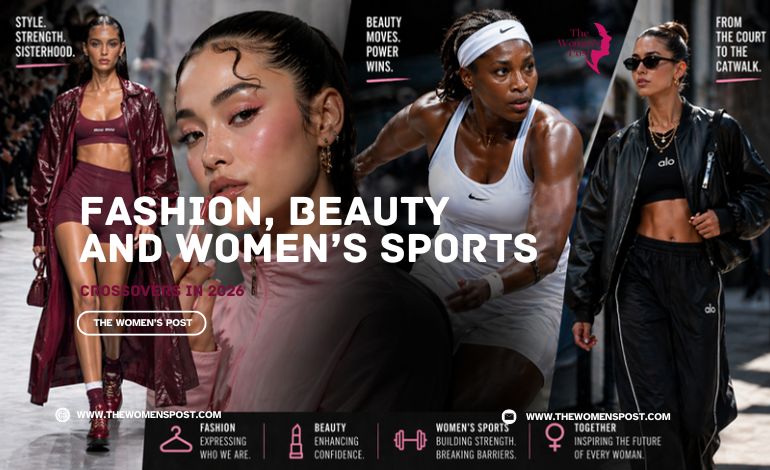
The convergence of fashion, beauty and women’s sports continues to gain momentum in 2026, with evidence that fashion and beauty have significant influence on women’s sports in 2026. The trends in fashion and beauty are being shaped by athleisure and lifestyle branding as consumers expect to wear both fashionable and comfortable clothing. Big names like Nike launched its “United” football boots collection in 2025, which was designed by six of the world’s best women’s soccer players.
Fenty Beauty partnered with the WNBA champion New York Liberty team in 2025 as their official beauty sponsor. Examples like these illustrate the growing importance of fashion and sports partnerships among women in international markets. There are also new initiatives from beauty brands with campaigns that focus on female athletes. For instance, NYX launched its “Make Them Look” campaign in 2026 with Lauren Betts, a collegiate basketball player. In terms of market dynamics, sportswear sales are on an upward trend, with a predicted market value of $444.5 billion by 2026.
Influencers and social media amplify these crossovers, strengthening fashion and sports collaboration women trends: fashion-focused Instagram accounts (like @LeagueFits) boast millions of followers engaging with players’ style posts, and NWSL TikTok followers grew 68% YoY in 2025, especially among women 18–34. The typical consumer is a young, empowered female (often a Millennial or Gen Z fan) who values brand values such as inclusivity and sustainability. Looking ahead, brands and athletes will likely deepen lifestyle collaborations (e.g. designer sportswear, wellness products) and in-venue activations as women’s sports viewership and engagement rise.
Trend Drivers: Athleisure, Lifestyle Branding and Sustainability
Consumers increasingly blend sport and style in daily life. Athleisure – athletic-inspired clothing for everyday wear – remains a core driver and reflects the growing impact of athleisure on women’s sports fashion industry. Brands are designing “fashion-first” activewear that feels polished yet performs, further pushing fashion and sports collaboration women into everyday culture. Comfort is now a “core expectation,” and younger shoppers (Gen Z and Millennials) favor relaxed fits over skin-tight garments. Lifestyle branding around sports personalities also shapes trends: teams and sponsors treat athletes as style icons, using runway-inspired pregame “tunnel walk” outfits and social content.
Sustainability and Ethical Fashion
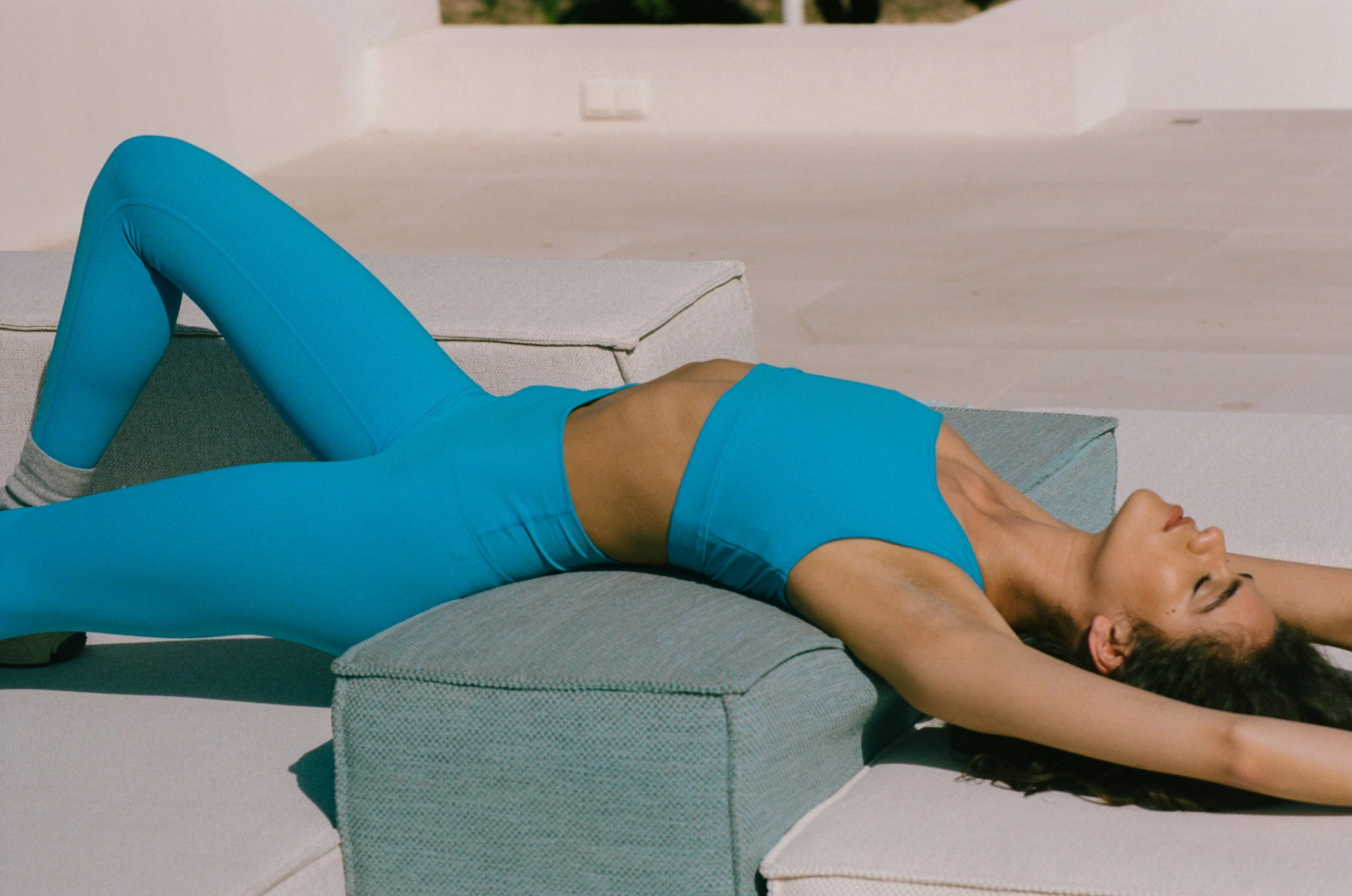
Sustainability is another key factor. Across apparel categories, shoppers demand eco-friendly materials. Trend reports note fabrics with thermal regulation, biodegradable fibers, and recycled blends are rising. Companies like Adidas have launched lines (e.g. “Stay in Play” for women) featuring recycled and specialized materials (period-proof leggings, women’s-specific shoes). Experts say 67% of consumers now consider sustainability when choosing brands. In sum, athleisure comfort, lifestyle-driven branding, and ethical sourcing are emerging – women want workout wear that looks good, reflects their values, and supports an active lifestyle, strengthening fashion and sports collaboration women globally.
Also Read: Winter Olympics 2026: Introduction Of New Events Facilitating Women’s Participation
High-Profile Brand–Athlete Partnerships (2026)
Many 2026 brand campaigns feature women athletes, clearly showing how beauty trends are shaping female athlete branding in modern marketing. For example, Nike launched its “United” boot pack in early 2025: six women soccer stars (Patricia Guijarro, Naomi Girma, Lauren James, Salma Paralluelo, Sophia Wilson/Smith, Deyna Castellanos) co-designed special cleats (Tiempo, Mercurial, Phantom) with a unified theme, reinforcing fashion and sports collaboration women. Similarly, Adidas highlighted U.S. soccer forward Trinity Rodman in a high-impact campaign tied to her 2026 contract. When Rodman re-signed with NWSL’s Washington Spirit, Adidas ran billboards and bus ads in Washington DC; the joint campaign (Spirit + Adidas) drove over 2 million media impressions.
Beauty and lifestyle brands also partner with athletes: Fenty Beauty (Rihanna) became the first official beauty partner of the New York Liberty (WNBA) in 2025. Liberty players now wear Fenty-branded warm-up apparel and Fenty hosts in-arena beauty activations at games. Likewise, NYX Professional Makeup tapped rising basketball star Lauren Betts in 2026 as the face of its “Make Them Look” campaign, blending athletics with makeup and mentorship, further promoting fashion and sports collaboration with women.
Sneaker vs Apparel Market Data (2024–2026)
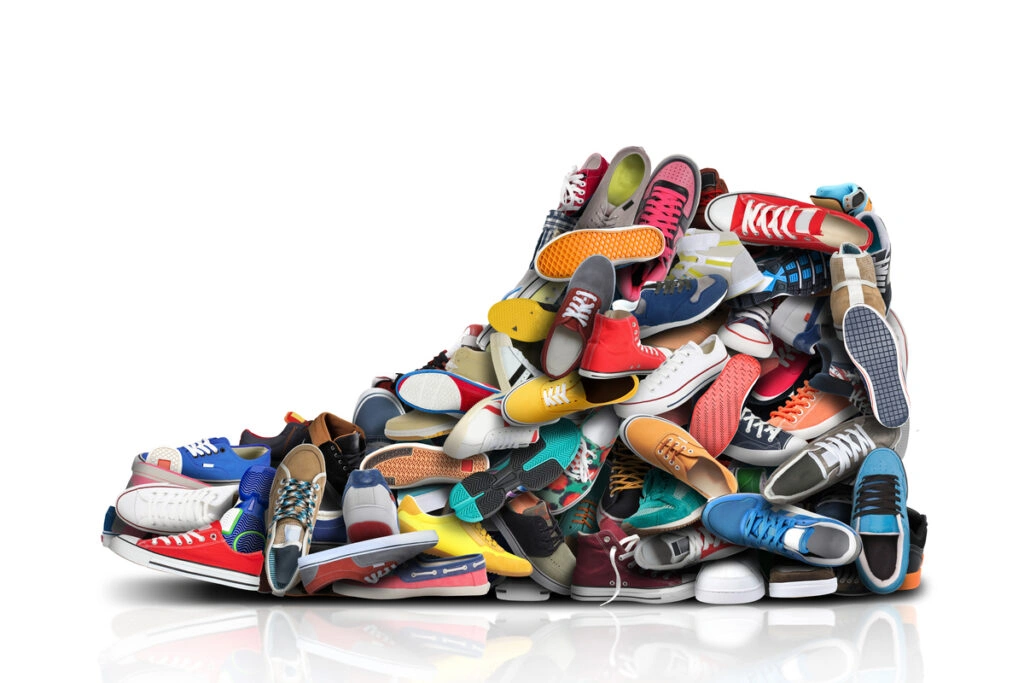
Sportswear sales remain on a strong upward trajectory. One industry forecast projects the global sportswear market to reach about $404.8 billion in 2025 and $444.5 billion in 2026. Footwear dominates: in this scenario, athletic shoes account for roughly $289.8 billion in 2026 (vs. ~$154.7 b for apparel). This implies comparable growth rates (~20% increase from 2024 to 2026 for each) and shows sneakers roughly doubling apparel sales by mid-decade, boosting fashion and sports collaboration women trends in retail.
Key Brand Performance and Insights
For context, some companies have noted large gains: e.g. New Balance aimed for $9.2 b in 2025 (up ~19% over 2024). In women’s segments specifically, one report expected the global women’s sportswear market to reach ~$46–48 b by 2025–26. The top-selling sneaker and apparel styles often mirror these trends: performance running shoes, versatile sneakers, and comfortable yet stylish athletic apparel (leggings, joggers, sports bras) lead sales. Market share remains concentrated: Nike and Adidas hold large shares of athletic footwear, while brands like Nike and Lululemon lead in women’s active apparel. Overall, data suggests steady growth in both categories, with footwear somewhat outpacing apparel.
Also Read: The Billion-Dollar Turnaround Of Women’s Cricket
Beauty and Sports: Makeup and Skincare Collaborations
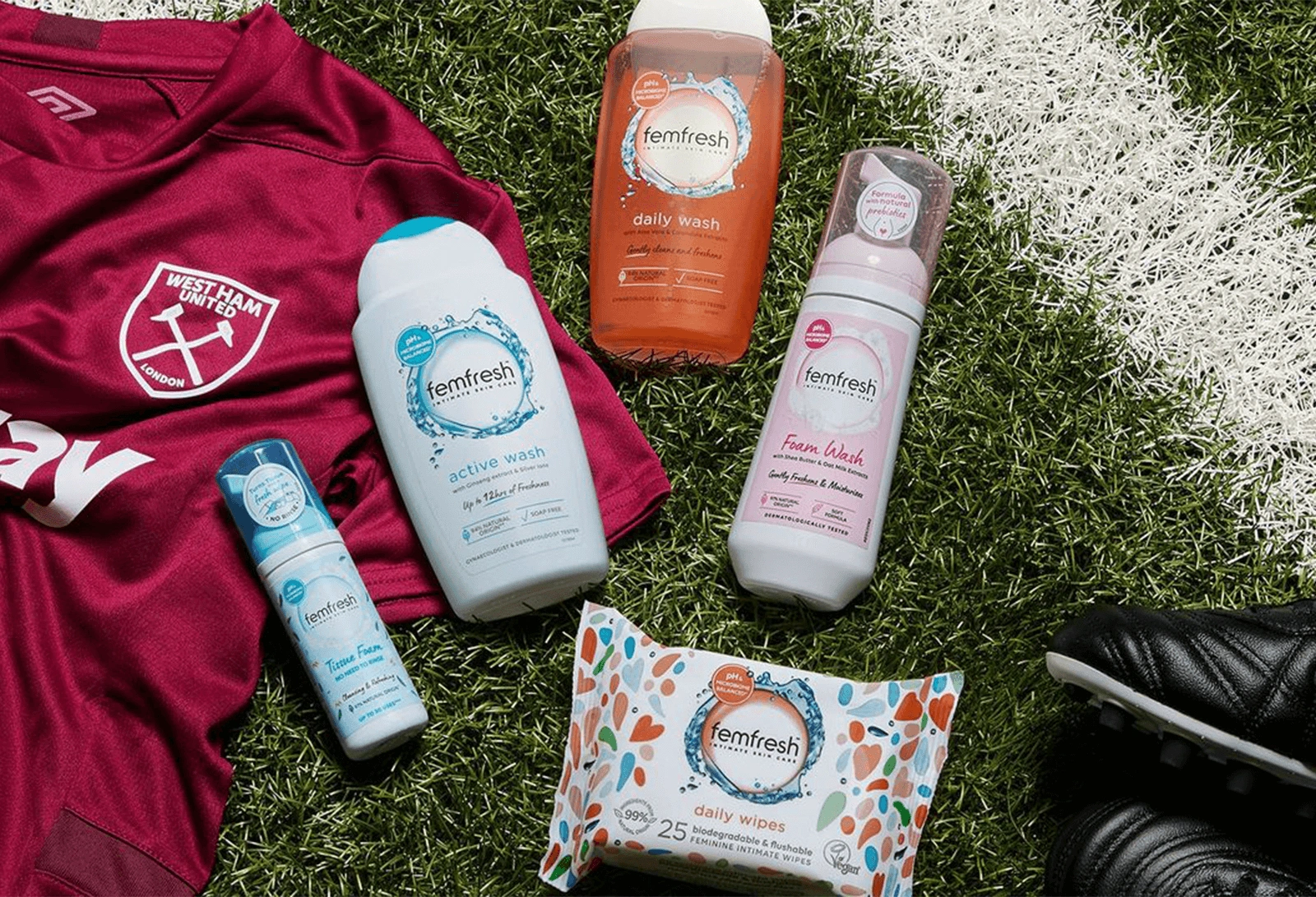
Beauty brands are seizing the women’s sports boom with targeted collaborations, further strengthening fashion and sports collaboration women strategies. Major cosmetics companies have signed athlete ambassadors and sponsors. For instance, e.l.f. Cosmetics doubles down on women’s soccer: it expanded a multi-year partnership with the NWSL in 2026, signing rising stars like Ally Sentnor and promoting the league in new cities. Each e.l.f.-ambassador will also generate charitable donations in her community. Beyond sportswear, brands like Fenty Beauty and NYX are active in sports culture.
Integration of Beauty and Athletic Identity
Fenty’s 2025 deal with the NY Liberty makes it the WNBA’s first official beauty sponsor; Liberty players wear Fenty-branded warm-up jackets and the brand runs in-arena “beauty experiences” during games. Likewise, NYX’s 2026 campaign features rookie basketball star Lauren Betts, blending athletic credibility with a makeup message. These collaborations reflect how beauty trends are shaping female athlete branding and creating deeper connections with audiences. Such integrations often involve digital content and live events, inviting fans to see athlete role models share beauty routines. In summary, makeup and skincare now regularly partner with women athletes to reach sporty, style-conscious consumers.
Influencers, Social Media, and Content Impact
Social media hugely amplifies the sports-fashion crossover and plays a key role in fashion and sports collaboration women visibility. Athletes increasingly curate their own style content, and fan-run accounts document it. On Instagram, player “arrival” posts (athletes walking into games in styled outfits) have become a staple, and dedicated accounts attract millions of fans. For example, the @LeagueFits Instagram (covering NBA/WNBA player outfits) had 1.5 million followers and generated 63.2 million impressions as of early 2025. Similarly, football (soccer) fashion is popular: @FootballerFits has nearly 800k followers showing global players’ luxury streetwear.
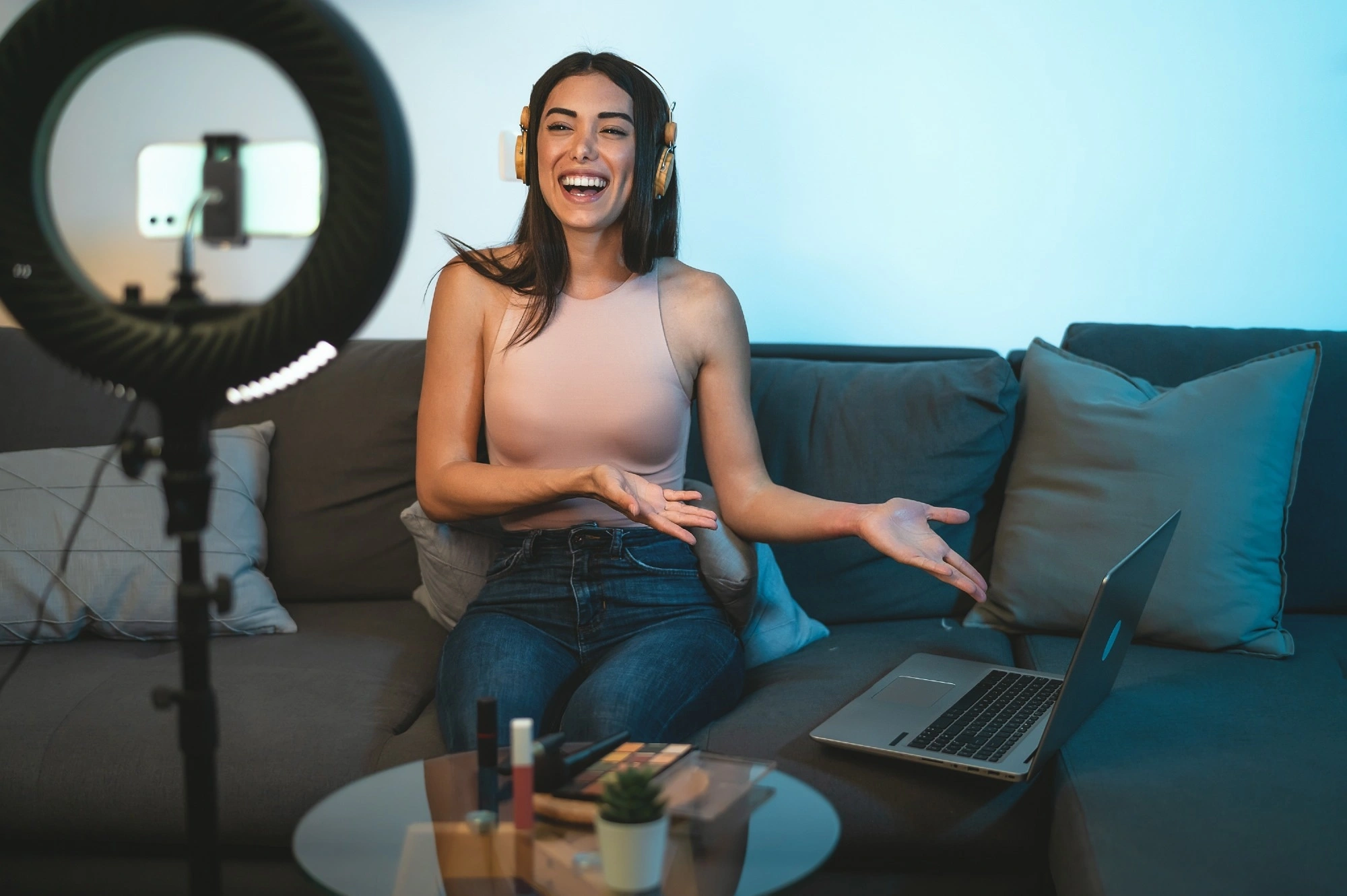
Influencers help merge sports and style by showcasing athletic-fashion content to a broad audience. Brands also leverage user-generated content and athlete influencers to boost their sports partnerships. TikTok is notable: the NWSL’s TikTok following doubled (68% engagement increase) in 2025, especially among women aged 18–34, indicating this demographic is highly active online. In short, Instagram, TikTok and niche blogs create continuous buzz around athlete fashion and beauty, turning players into influencers and driving crossover trends.
Also Read: Women’s Health And Uniform/Equipment Reforms In Sports
Consumer Demographics and Behavior
The primary consumers of these crossovers are young, connected women who actively support fashion and sports collaboration women ecosystems. Industry data shows that female sports fans tend to be Millennials or Gen Z; for example, NWSL marketing data noted strong resonance with women 18–34. These consumers often have significant purchasing power: analysts predict women will control ~75% of all purchasing decisions (especially discretionary spending) by 2028. Many buy not only for themselves but for family and friends as well.
Global Trends and Buying Behavior
Geographically, the phenomenon is strongest in North America (WNBA, NWSL, NCAA) and Europe (women’s soccer and tennis), but interest is growing worldwide – forecasts expect the global women’s soccer fanbase to rise ~40% by 2031. Key motives include identity and values: data suggest today’s female consumers favor brands that champion empowerment, diversity and sustainability. Purchasing triggers include star player endorsements, limited-edition sports collabs, and lifestyle marketing. In short, young women sports fans are savvy shoppers influenced by social media, and they respond to brands that reflect their aspirations on and off the field.
Future Outlook and Implications
The intersection of fashion, beauty, and women’s sports is expected to deepen beyond 2026, shaping the future of women’s sportswear and beauty integration. The rising visibility of women athletes (record TV audiences and ticket sales in 2024–25) creates more opportunities for brands. We are likely to see more designer-sport collaborations and athlete-owned product lines, continuing the expansion of fashion and sports collaboration women. Smart fabrics and wearables may emerge for female athletes as the next wave of athleisure.
Beauty and wellness may integrate further, including in-stadium experiences for skincare or lifestyle products. On social media, athlete influencers will continue shaping fan culture, so brands will invest in content ecosystems around women’s sports. Importantly, sustainability and inclusivity will remain focal points, as athletes and fans continue to demand ethical practices and representation. Ultimately, fashion and beauty are now closely connected with women’s sports, and this connection will only grow stronger in the future.