





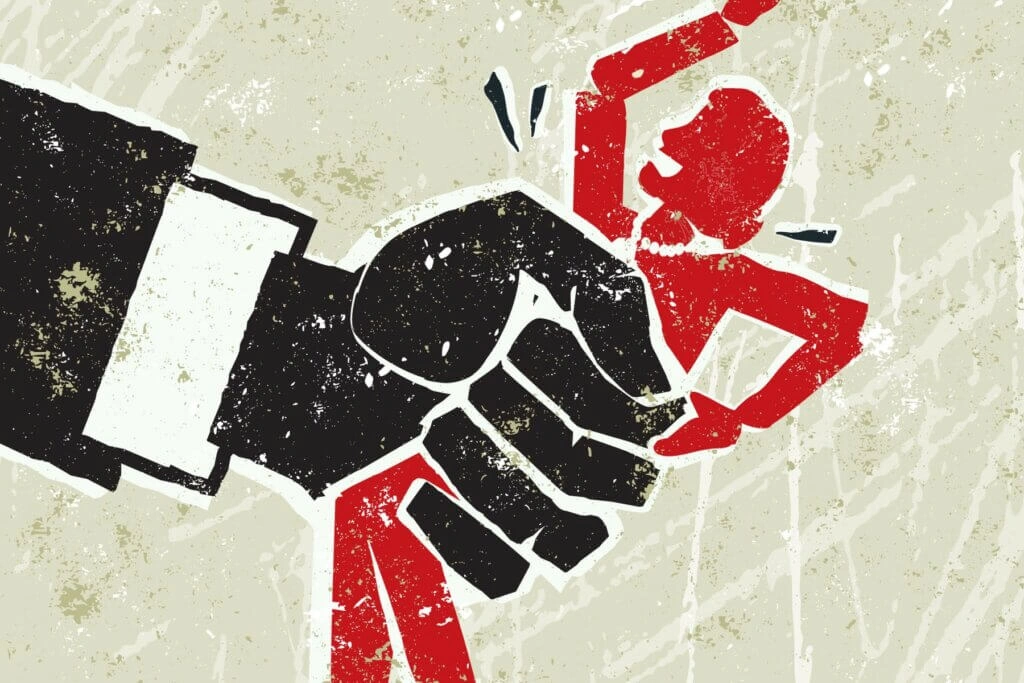
Gender-based violence or GBV is considered an injury that occurs on another individual by virtue of their gender. The acts include physical, sexual, psychological, and financial harm committed against another person. Though it applies to all individuals regardless of their sex, it mainly targets females.
Understanding Gender-Based Violence and Its Forms
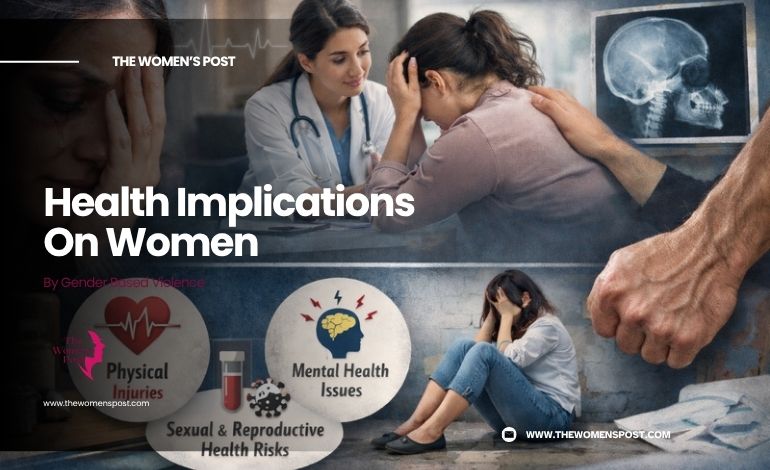
Violence towards women can be regarded as one of the worst issues in the modern world. Physical and sexual acts of abuse can be seen as the major types that have a detrimental effect on a person’s overall physical and psychological condition. It affects the victim on several levels, ranging from acute injuries to chronic problems in reproduction, mental state, and normal functioning.
Physical Violence and Its Immediate Effects
Physical violence includes acts of beating, kicking, and choking. Survivors may suffer broken bones, cuts, or head injuries right away. Many need urgent medical help. In the longer term, repeated attacks can lead to ongoing pain, scars, or even lasting disabilities. Studies show that about 42 percent of women who face violence from a partner report injuries as a direct result. These physical problems make it hard for survivors to work, care for families, or simply move through the day without discomfort.
Sexual Violence and Its Deep Impact
Sexual violence adds another layer of harm. It involves any forced sexual act without consent. The body faces risks like tears, infections, or internal damage. Survivors often carry a higher chance of getting sexually transmitted infections, including HIV. In many cases, the violence happens in close relationships, which makes the trauma even deeper because trust has been broken by someone the person knows. Violence against women takes many forms, and its impact is deep and widespread.
Also Read: Unique Problem-Solving Approach By Women In FemTech And Women’s Health Startups
How Gender-Based Violence Affects Reproductive Health
Reproductive health suffers greatly from both physical and sexual violence. This clearly shows how gender-based violence affects reproductive health. Unwanted pregnancies become common when control over one’s body is taken away. Survivors may face pregnancy complications, such as early labor or bleeding. Some deal with unsafe abortions or gynecological issues like chronic pelvic pain. For women who are already pregnant, the violence can lead to low birth weight in babies or preterm delivery. These outcomes affect not only the mother but also the child’s start in life.
Mental Health Impact of Intimate Partner Violence
Mental health takes perhaps the heaviest toll. Many survivors live with depression, anxiety, or post-traumatic stress disorder, also called PTSD. They might have nightmares, panic attacks, or trouble sleeping. Simple tasks like leaving the house can feel overwhelming. Eating disorders or thoughts of self-harm sometimes follow. Research links these issues directly to the violence, with risks rising sharply after repeated exposure. The constant fear and shame can isolate a person from friends and family, making recovery slower. The mental health impact of intimate partner violence is especially severe and long-lasting.
Effects of Intimate Partner Violence (IPV)
Intimate partner violence, known as IPV, is one of the most common types of GBV. It occurs between current or former romantic partners and often mixes physical, sexual, and emotional abuse. The effects feel more personal because the harm comes from someone expected to provide love and safety. During pregnancy, IPV raises dangers for both mother and baby. Mothers may miss prenatal check-ups, feel more depressed, or turn to substances like alcohol or drugs to cope. Babies born in these situations face higher chances of being born too small or too early. Even after the baby arrives, the mental strain can lead to postpartum depression, which affects bonding and care. Violence against women often includes emotional abuse and its effect on physical health, which can cause headaches, high blood pressure, and other physical problems over time.
Also Read: Thyroid Nodules: When A Lump On Your Neck Could Be A Sign Of Cancer Threat—And When It’s Not
Health Inequities and Broader Consequences
These health problems do not exist alone. They connect to larger health inequities in society. In many communities, women already face unequal access to education, jobs, and healthcare. Poverty and cultural norms that accept male control make violence more likely and escape harder. When violence happens, survivors in poorer areas or during crises like wars or disasters get even less help. This creates a cycle: poor health leads to lost opportunities, which deepens inequality and keeps the risk of violence high. Violence against women worsens these gaps in many parts of the world.
Support for Survivors and Breaking the Cycle
Support for survivors plays a key role in breaking this cycle. The first step is often simple but powerful: listening without blame. Health workers, trained in compassionate care, can offer immediate medical treatment for injuries or infections. They can also connect survivors to counseling for mental health. Safe spaces, run by community groups or aid organizations, give people a private place to talk and plan next steps. Helplines and hotlines allow survivors to reach help from anywhere, even if they cannot leave home right away.
Role of Laws, Community Programs, and Prevention
Laws and community programs add strength. Some countries have special clinics that handle GBV cases with privacy and respect. Training for doctors and nurses helps them spot signs of violence and respond well. Family and friends can support by believing the survivor and helping with practical needs, like finding shelter or legal advice. Prevention matters too. Schools and workplaces teach respect and equality to stop violence before it starts. Governments and groups work together to change harmful norms and provide better services in hard-to-reach areas. Violence against women needs strong action from all sides.
Also Read: Chronic Diseases Which Impact Women More Or Differently Than Men
Health Consequences of Gender-Based Violence
Health consequences of gender-based violence are far-reaching and affect millions of lives every year. Recovery looks different for each person. Some need time to rebuild confidence and health. Others find strength in groups of fellow survivors. What stays constant is the need for kindness and steady help. Ignoring the problem only lets the harm spread. When support systems work well, survivors regain control over their lives and health.
Conclusion
In summary, gender-based violence and its health consequences touch every part of a person’s well-being. Physical wounds heal slowly, reproductive choices get taken away, and mental scars can last for years. Intimate partner violence makes these effects feel even closer and more personal. Yet the links to wider health inequities show that the issue is not just individual—it belongs to society as a whole. By offering real support to survivors and working to prevent violence, communities can create safer, healthier futures. Awareness and action today help protect tomorrow. Violence against women must be addressed seriously so that future generations can live without fear.