




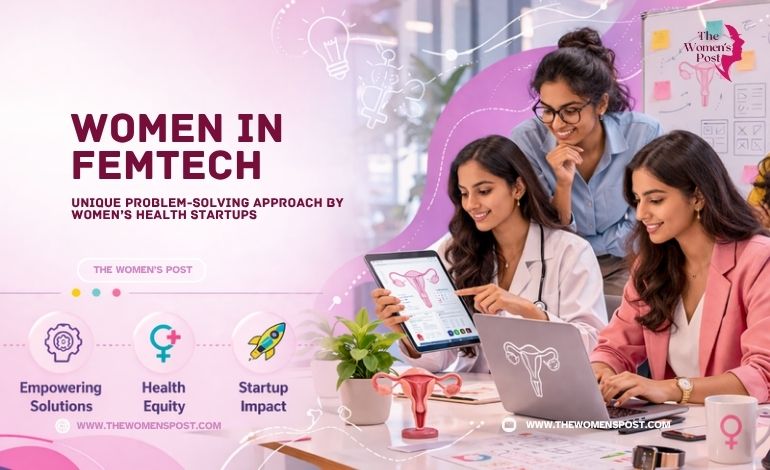

One of the distinguishing features of female entrepreneurs in FemTech and women’s health startups is their unique approach to problem solving. Being inspired by their experience dealing with certain health concerns, they come up with innovations that seem relevant and practical. Traditionally, healthcare has been quite biased against women when it came to issues such as reproductive health, period care, menopause, or fertility. However, women’s health startups try to tackle those problems with the help of innovative applications, wearables, and simple diagnostic devices.
Since they concentrate on the real needs of women, the innovations tend to be not only informative but also private-friendly and user-friendly. What is more, in developing countries like India or Africa, the challenges connected with women’s health are even greater due to social stigma and limited access to services. Therefore, it can be said that FemTech run by women has become very popular recently.
What is FemTech and Why Female Founders Excel in It
In general, FemTech refers to any technological advancements made for women’s health. Among them are unique innovations proposed by female entrepreneurs who see problems other people do not. This inside knowledge leads to better designs. Instead of guessing what women want, they build from lived reality. Their startups use apps to track cycles, wearables to monitor body signals, and easy tests to give quick answers—all without judgment.
Innovative Solutions in Menstrual Care
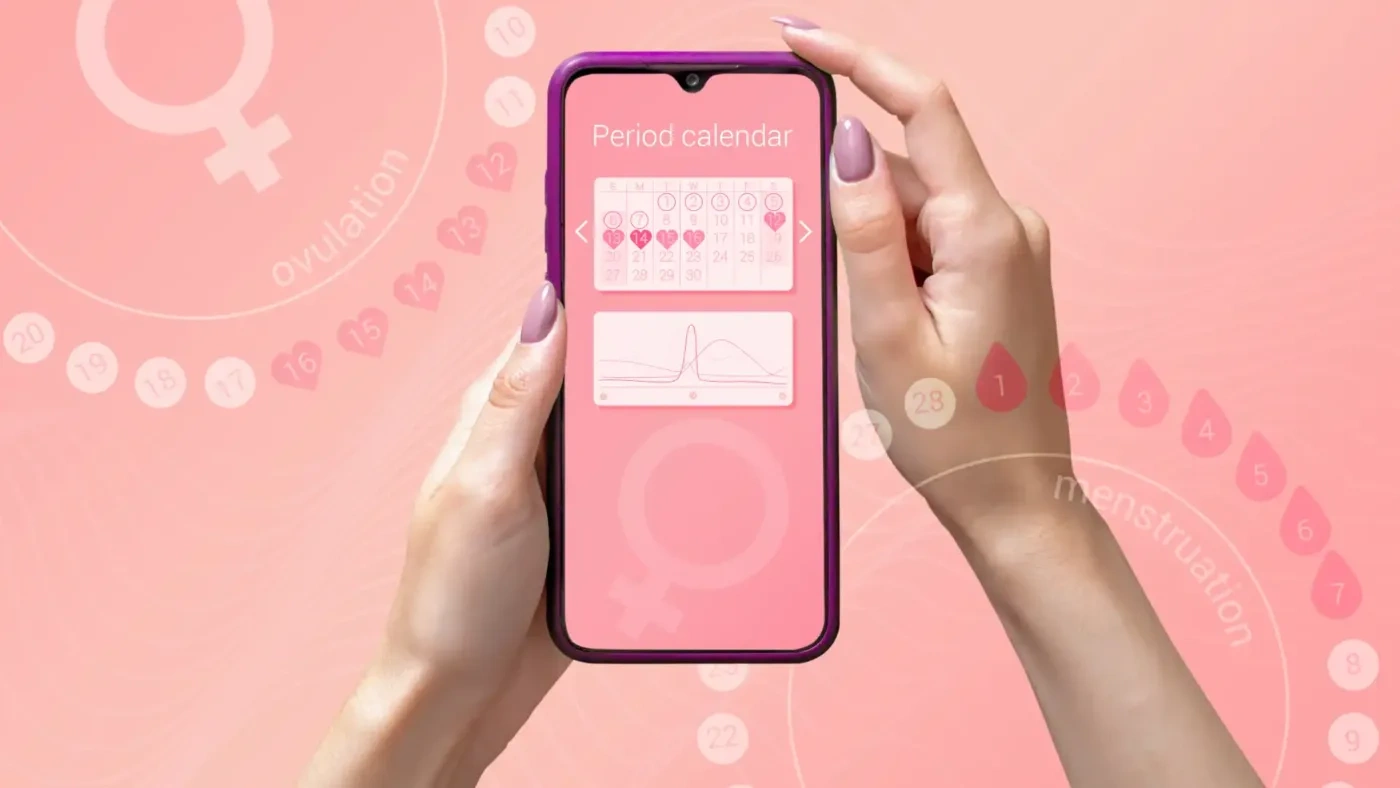
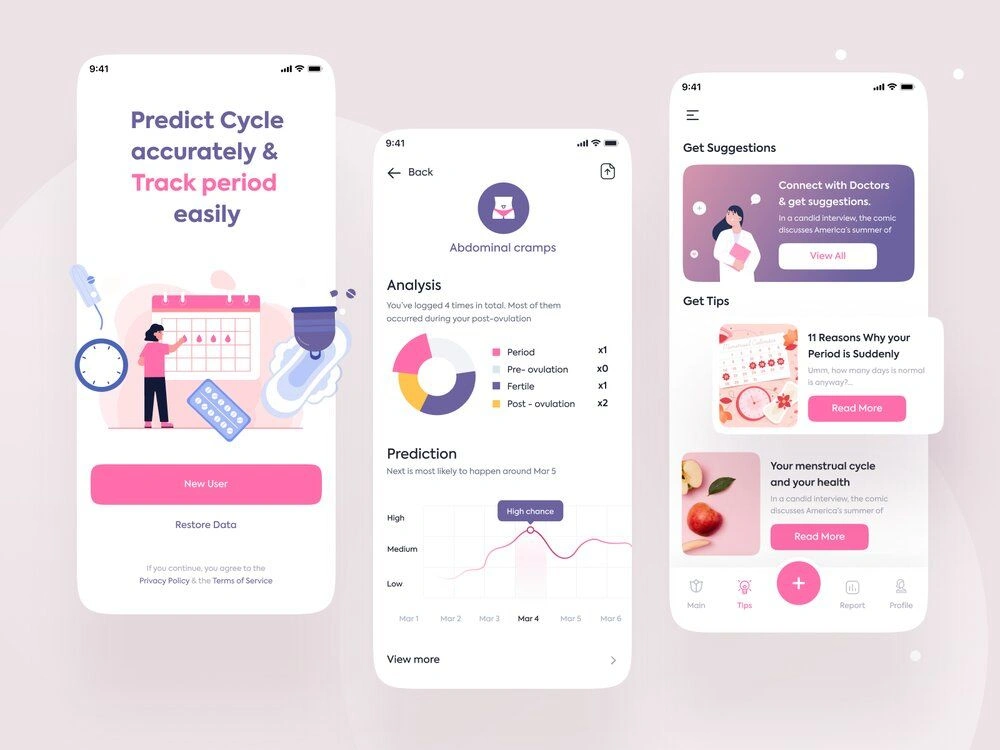
Take menstrual care as a clear example. For years, women relied on basic calendars or guesswork. One popular app changed this by letting users log periods, moods, pain, and symptoms in a simple way. It then predicts cycles and spots patterns. Millions of women now use it to understand their bodies better and talk to doctors with real facts. The team focused on privacy and science-backed info, which built trust. This kind of tool solves a basic problem: women want control without sharing too much personal data.
Also Read: From Observation To Inspiration: How Women Convert Daily Challenges Into High-Growth Startups
Breakthroughs in Fertility Tracking
Fertility tracking has also seen big shifts thanks to women-led ideas. A Swiss company created a wearable bracelet that women wear at night. It measures skin temperature, heart rate, and other signals while they sleep. In the morning, the app shows the fertile window with high accuracy. No more daily urine tests or guessing. The team built this because they saw how stressful and inaccurate old methods were. It uses science to give women clear, daily insights during their cycle.
Innovative Solutions by Women in FemTech Companies
Innovative solutions by women in FemTech companies continue to make fertility tracking easier and more accurate.
Popular apps have also helped millions track periods, ovulation, and pregnancy. They show how digital tools can reach everyday women with AI tips and reminders. Together, these options make fertility less mysterious and more manageable.
Supporting Women Through Menopause
Menopause support is another area where female founders are stepping up. Many women feel alone during this stage because talk about hot flashes, mood changes, or sleep issues stays quiet. Startups are now creating apps and programs that track symptoms over time and offer personalized advice. They link users to doctors or simple remedies without shame. This focus comes from founders who know menopause is not “just aging” but a real health shift that needs tools and support.
Addressing Reproductive Health in Emerging Markets
Reproductive health gets even more attention in emerging markets, where clinics can feel far away or costly. In India, female founders are tackling stigma and poor access head-on. One startup builds modern fertility clinics that combine at-home tests, video consultations, and full care under one roof. Women can check hormone levels, get coaching, or plan for egg freezing without judgment. The founders saw how fragmented and expensive fertility care was in India. Their model makes it simpler, kinder, and more private—perfect for busy women or those in smaller cities.
Also Read: The Rise Of Women In High-Growth And High-Impact Sectors
Women’s Health Startups Addressing Unmet Needs in Female Care
Women’s health startups addressing unmet needs in female care are especially important in such markets.
Another strong example from India provides preventive care across all life stages, from periods to menopause. Women get online consults, lab tests, and clear advice on menstrual, sexual, or reproductive issues. The founder started the company because she knew stigma often stops women from seeking help. The platform feels safe and evidence-based, which builds confidence.
Africa shows similar innovation driven by local female leaders. One startup offers period and pregnancy tracking that respects African cultures and languages. It includes an e-pharmacy for discreet delivery of products and a library of health info. Women can log symptoms, get personalized tips, and access medicine without traveling long distances or facing embarrassment. The app was designed for African women who often deal with limited internet, taboos, and low trust in health services. The result is a tool that feels made for them, not copied from elsewhere.
The Strength of Women-Led FemTech
These examples highlight a key strength of women-led FemTech: they solve problems that men might miss. Female founders spot small but important details—like how cultural norms in India or Africa make open talks about periods difficult. They build apps that work on basic phones, respect privacy, and use local languages. Diagnostics become cheaper and portable. Wearables fit real daily routines instead of lab settings. The focus stays on empowerment, not just profit. Women-led FemTech continues to show its value through practical and thoughtful solutions.
How Women Are Solving Unique Problems in FemTech Startups

How women are solving unique problems in FemTech startups inspires many new entrepreneurs in the field.
Of course, challenges remain. Funding is still harder for women-led teams. Many investors overlook FemTech because they do not fully understand women’s health needs. Data privacy and reaching women in rural areas also take extra effort. Yet the progress is clear. These startups prove that when women lead, solutions feel more human. They turn personal frustration into products that improve lives.
Unique problem-solving approaches in women’s health startups and innovative solutions by women in FemTech companies are driving real change.
Also Read: Why Are Women 47% More Likely To Close Businesses?
The Future of Women’s Health Innovation
In the end, female founders in FemTech are not just building apps or devices. They are reshaping how the world sees women’s health. By focusing on reproductive health, menstrual care, menopause, and fertility, they give women better information, more choices, and real support. In India and Africa, where needs are urgent, these innovations show what happens when problem-solving starts from real experience. Women-led FemTech is helping address long-ignored issues. Women’s health startups addressing unmet needs in female care are creating a more inclusive future. The future looks brighter as more women step up to lead and create tools that finally put women first.


