






Regional Case Studies: Higher Number Of Women Involved In STEM Research

Around the world, women account for one-third of researchers involved in studies conducted in the field of science, technology, engineering, and mathematics, or STEM, which stands for these disciplines. Some regions have succeeded to achieve higher representation of women in research positions. Regions such as Central Asia, Latin America and the Caribbean, and Argentina and Malaysia boast nearly parity between the number of male and female researchers involved in R&D studies. Regional case studies of higher numbers of women in STEM can be useful in terms of gaining an understanding of how the gender gap in STEM research can be reduced.
Central Asia: Leading the Way in Female Participation
Central Asia can be named among the leading regions in this regard. In particular, Central Asia boasts the presence of 50.8 percent of women among all researchers involved in R&D studies. This rate brings women quite close to the level of full parity in terms of their involvement in STEM studies.
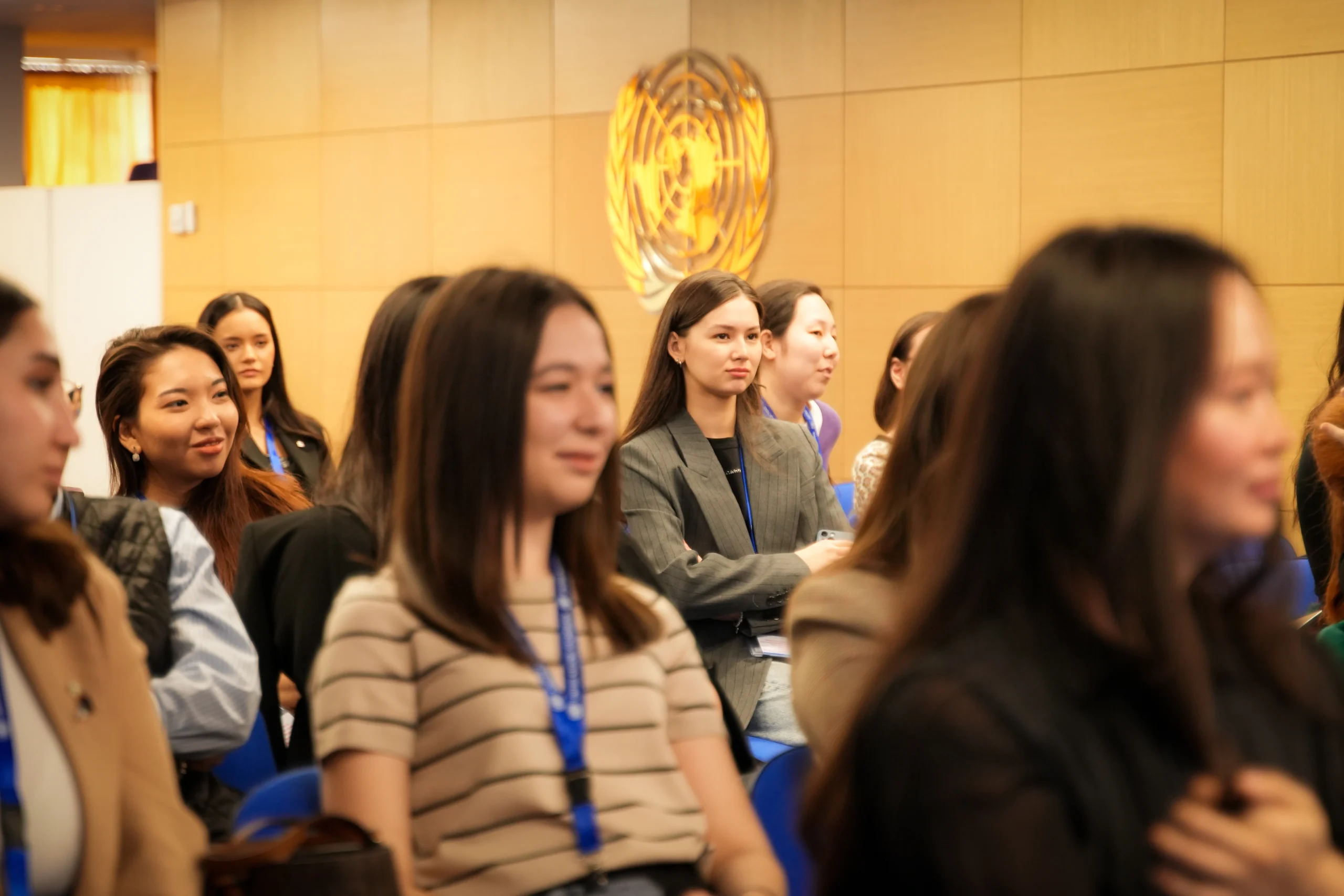
This progress did not happen by chance. Much of it traces back to the Soviet era, when governments pushed hard for equal education for girls and boys in science and technology. Public schools and universities kept that focus even after independence. Families in Central Asia often value education for daughters as much as for sons, especially in fields that lead to stable jobs. Strong public support for research jobs also helps regional women in STEM stay in the field instead of leaving for other work.
Also Read: Cloud Computing, Cybersecurity, And AI Ethics: The Emerging Fields For Women
Latin America and the Caribbean: Strong Regional Progress
Latin America and the Caribbean come next. Women account for about 45.3 percent of researchers across the region. That is well above the global average. Several countries have pushed even higher. In Argentina, for example, women now represent around 52 percent of active researchers. This near-parity shows up clearly in public research institutions, where women fill many roles in biology, health sciences, and other fields. Regional women in STEM continue to shine in these fields.

The region as a whole has benefited from steady growth in higher education for women. More girls finish secondary school and move on to university degrees in science. Governments and universities have also run programs that encourage female students to choose STEM paths.
Malaysia: A Standout Success in Asia
Malaysia offers another strong case, even though it sits in a different part of the world. Women make up nearly half of researchers in many STEM areas, and they form the majority of STEM graduates in recent years. The country has reached close to balance in engineering, science, and technology research roles. Regional women in STEM in Malaysia have shown excellent performance.
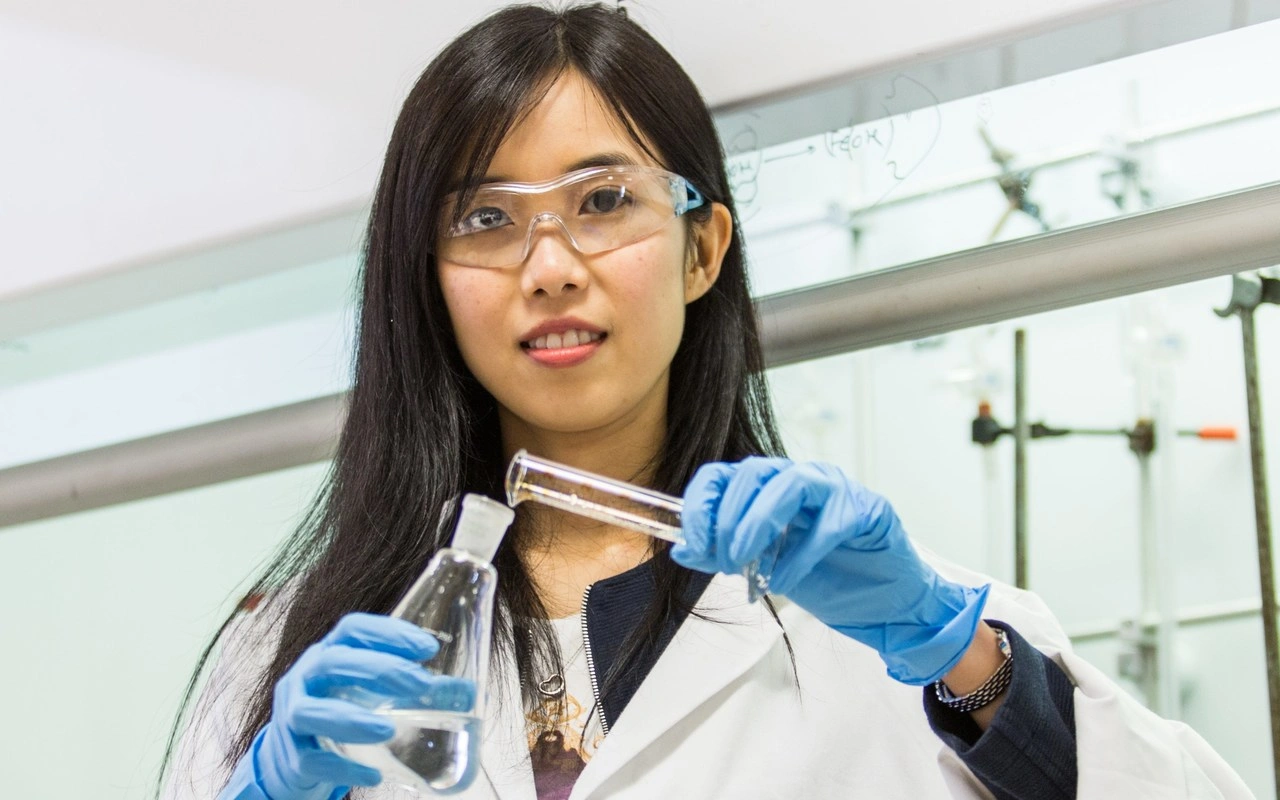
Malaysian girls often perform well in math and science at school, and the government has made STEM education a national priority. Policies that remove barriers to women working in any field play a big role. Families and society in Malaysia tend to support girls who study science, seeing it as a path to good careers. As a result, more women enter and stay in research jobs than in many other Asian countries.
Also Read: Economic Implications Of Advancement Of Women In The Technology Sector (2026 Outlook)
Global Comparison and Impressive Regional Success Stories
Regional success stories of high female participation in STEM research look impressive when placed beside the global picture. Worldwide, women hold just 31 percent of research positions. In some regions, such as parts of South Asia or East Asia and the Pacific, the share drops below 27 percent. The gap grows even wider at senior levels, where men still hold most leadership posts.
Countries with highest female participation in STEM research include those from Central Asia, Latin America and the Caribbean, and Malaysia. They prove that near-parity is possible without waiting for perfect economic conditions. They show that targeted efforts can change the story.
Key Factors Behind Higher Female Participation in STEM
Several factors explain why these areas have done better. First come education policies. In Central Asia, long-standing rules that treat boys and girls the same in school have built a pipeline of female talent. Regional women in STEM benefit greatly from these policies.
In Latin America, countries like Argentina have expanded university access and offered scholarships that favor women entering science. Malaysia’s government has set national goals for STEM and backed them with school programs that welcome girls from an early age. These steps make sure more women reach the starting line of research careers.
Cultural Attitudes Supporting Women in Science
Cultural attitudes also matter. In these regions, families often see science as a respectable and practical choice for daughters. Stereotypes that label STEM as “for boys” are weaker here than in many other places. In Argentina and parts of Latin America, women have become visible role models in public research centers. Their success encourages younger girls to follow. Top female scientists and researchers from specific regions serve as powerful inspirations.
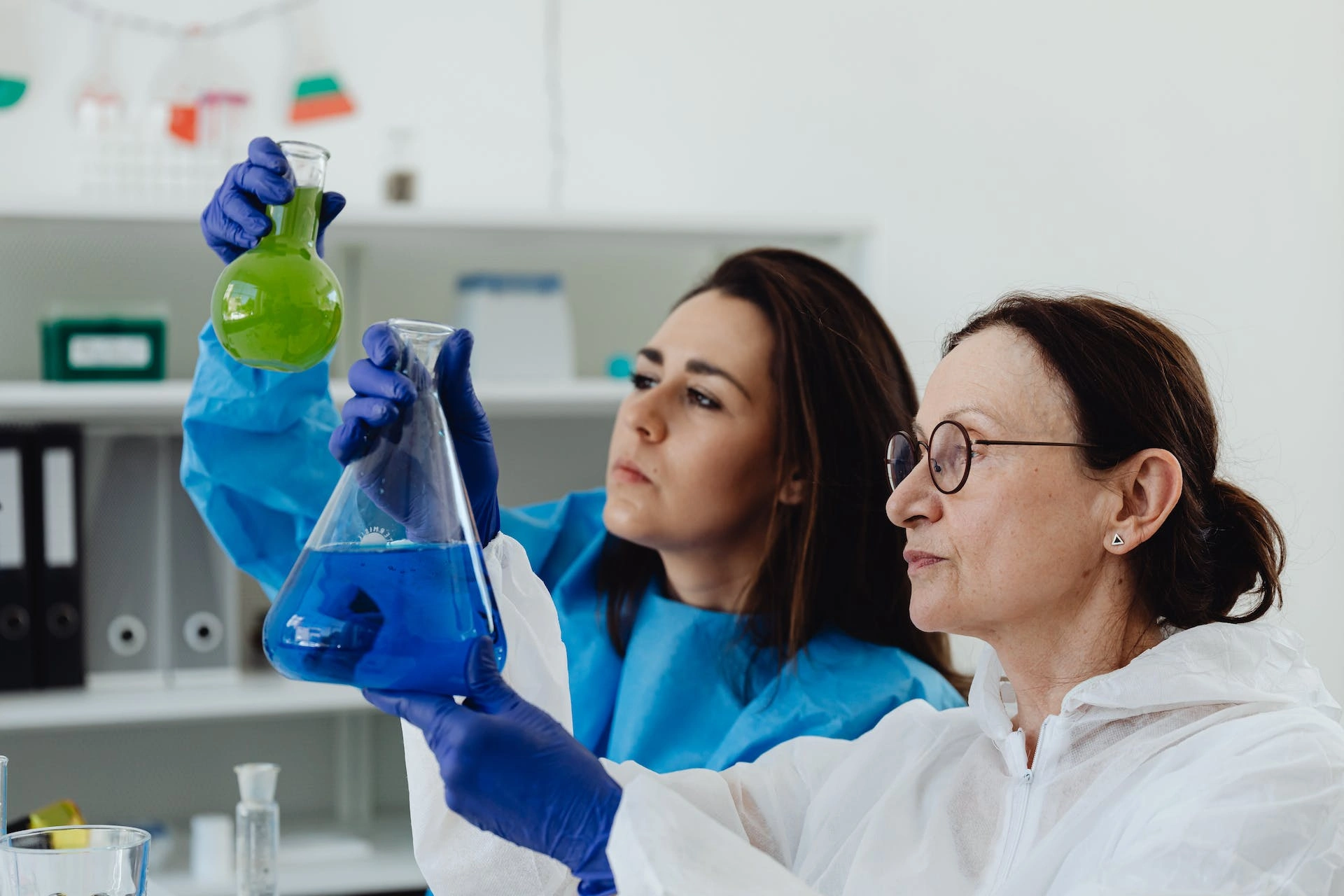
In Malaysia, cultural norms support women working outside the home in professional fields, including technology. Central Asian societies, shaped by decades of state encouragement for women’s education, treat female scientists as normal rather than unusual.
Also Read: India’s Leadership In Global Female STEM Enrollment
Role of Government and International Support
Government and international support add extra strength. Latin America has gained from programs run with help from groups like UNESCO and UN Women. These include fellowships, mentorship schemes, and projects that train women in research skills. Argentina’s public science council has created an environment where women can advance, even if gaps remain in private-sector funding. Malaysia’s national science and technology policy includes clear goals for gender balance and funds projects that bring more women into labs. In Central Asia, steady public investment in universities and research institutes keeps women employed and promoted.
Remaining Challenges for Regional Women in STEM
Regional women in STEM continue to face some challenges even today. Of course, these regions still face challenges. Even where women match men in total numbers, fewer reach top leadership roles. Family duties, such as childcare, can slow careers. In some fields like engineering, men still outnumber women. Funding decisions sometimes favor male-led projects, a problem known in Argentina as the “Matilda effect.”
These issues remind us that near-parity in headcounts is only one part of true equality. More work is needed to remove barriers at every stage.
Valuable Lessons from Regional Success Stories
Still, the stories from Central Asia, Latin America and the Caribbean, and Malaysia offer clear lessons. Regional success stories of high female participation in STEM research prove that strong education systems that treat girls and boys equally from the start make a big difference. Cultural respect for women in science helps keep them in the field. Smart policies—scholarships, mentorship, and national goals—turn good intentions into real results.
Countries lagging behind can study these examples and adapt what works. They can invest in girls’ early interest in STEM, support working mothers in research jobs, and celebrate female role models. Regional women in STEM show the way forward.
Why High Female Participation in STEM Research Matters
In the end, high female participation in STEM research is not just about numbers. It brings fresh ideas, better teamwork, and solutions that reflect the whole of society. Countries with highest female participation in STEM research prove the change is possible. Their success shows the world that when barriers fall, women rise—and science moves forward for everyone.