



Emerging Trends: Tech And Innovation In Women’s Health
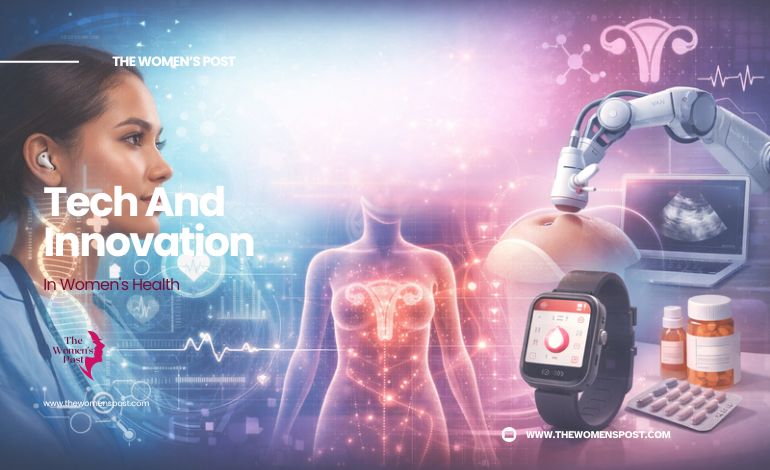

Women’s health has entered an exciting new chapter. Tech is not just about basic tracking tools anymore. Tech has evolved to offer women actual tools that offer them deeper insights into their own health, easier access to healthcare, and more choices in prevention and wellness. Femtech is the emerging field of health tech focused on the following four areas: wearables that track metabolism and hormones, virtual technologies for mental and maternal health, innovative contraceptives, and women-only longevity services. This is changing the lives of women by offering them healthcare that is more personal, preventive, and convenient. Digital Health for Women is growing rapidly and introducing fresh solutions every day.
Wearables for Hormonal and Metabolic Tracking
Wearables have evolved beyond the simple step counter. Now, smart rings, watches, and patches track critical body signals to help women understand their hormonal and metabolic health in real-time.
Key Features of Modern Wearables
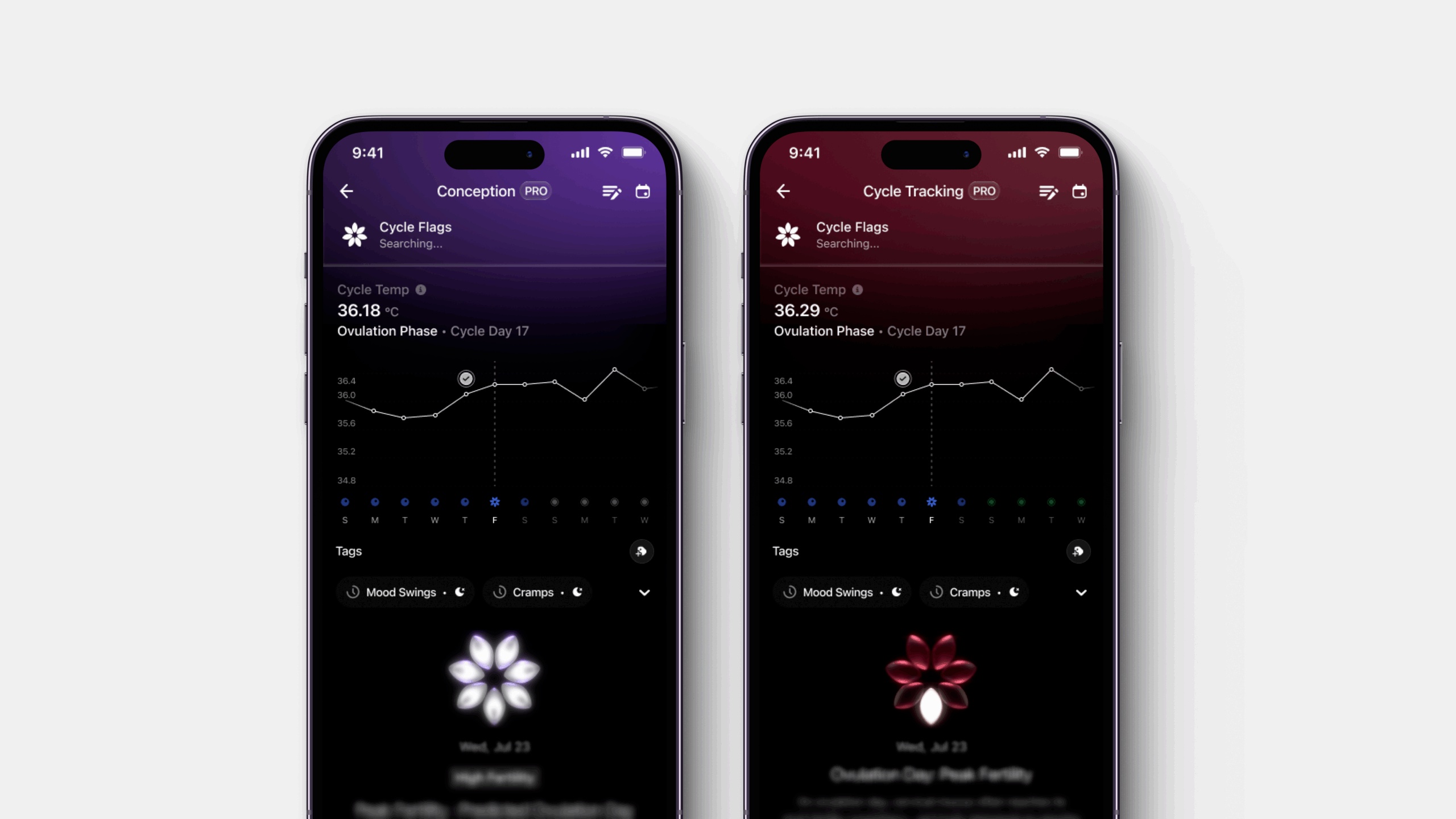
Devices like the Oura Ring measure body temperature, heart rate variability, and sleep patterns. This data helps predict menstrual cycles, ovulation, and even early signs of pregnancy complications. Studies show these tools can spot patterns linked to miscarriage risk or trimester-specific issues before symptoms appear.
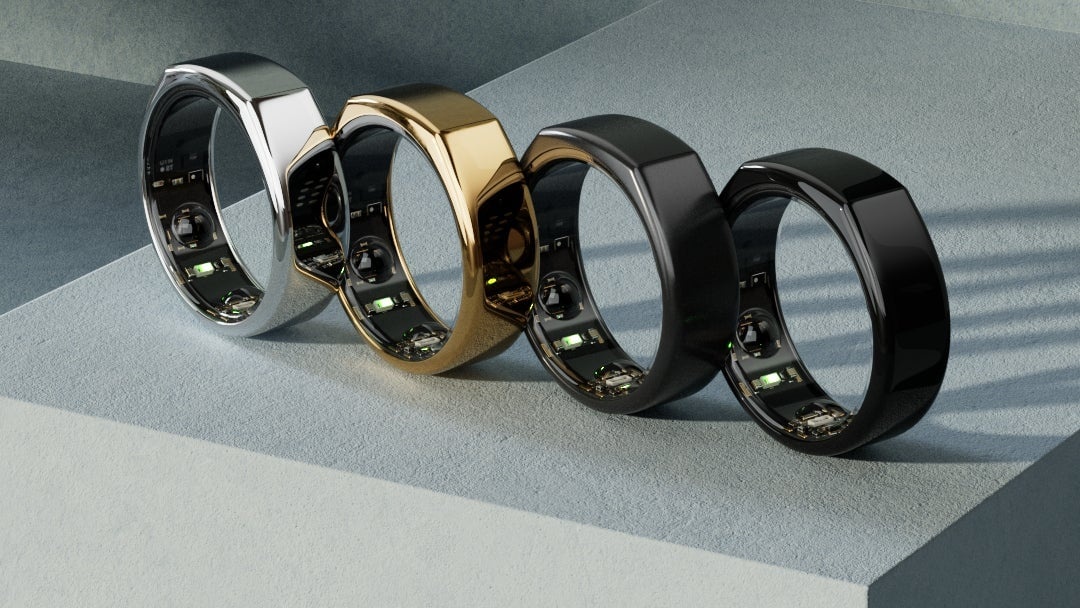
AI-powered fertility tracking devices are now part of this wave, offering smarter predictions and better support for family planning.
Newer innovations go even deeper. Some wearables now connect with continuous glucose monitors to track how food, stress, and hormones affect blood sugar. This is especially helpful for women with conditions like PCOS or those planning pregnancy.
Startups are testing non-invasive patches and rings that monitor hormone levels directly, such as estrogen and progesterone fluctuations. For example, a Stanford-founded device called Clair aims to provide continuous hormone data without blood tests. Women using these tools gain clear reports on their cycles, energy levels, and mood changes. Doctors can review the data too, leading to faster diagnoses and personalized plans. As a result, women feel more in control and catch problems early, turning reactive care into preventive action.
New digital tools for PCOS and endometriosis management are making daily life easier by combining tracking with practical advice.
Virtual Platforms for Mental and Maternal Care
Virtual platforms are transforming mental and maternal care by bringing support directly to women’s homes. Pregnancy and the postpartum period can bring anxiety, depression, or isolation, yet many women struggle to find timely help. Digital tools now fill that gap.
How Virtual Platforms Support Maternal Health
Platforms like FamilyWell Health use AI to integrate mental health support into regular OB/GYN visits. Women complete quick check-ins on their phones, and the system flags concerns for immediate virtual counseling. Digital Health for Women plays a big role here by connecting everything smoothly.
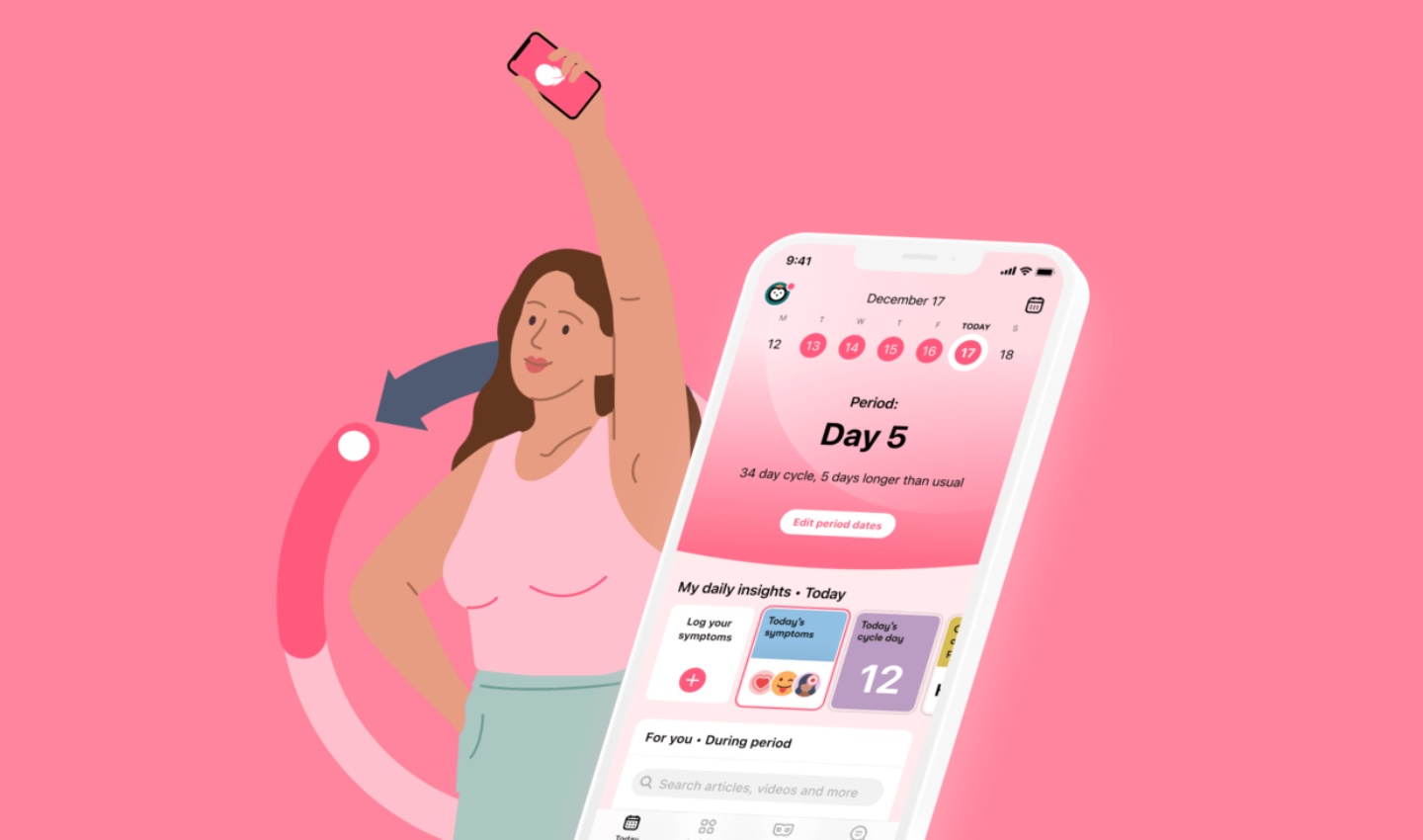
Telehealth apps connect expectant mothers with specialists for video calls, symptom tracking, and community support groups. Some platforms send gentle reminders and educational videos tailored to each stage of pregnancy. For maternal mental health, tools like Babyscripts let women monitor their own vitals at home while sharing data securely with doctors. This reduces unnecessary hospital visits and helps those in rural areas or with busy schedules. AI chatbots offer 24-hour listening for mood swings or sleep issues, while licensed therapists join sessions when needed. The result is faster access to care, lower stigma around mental health talks, and better outcomes for both mother and baby. Experts note that these platforms make support feel normal and reachable, not like an extra burden. Digital Health for Women continues to expand options in this space.
Next-Generation Contraceptives
Next-generation contraceptives are giving women safer, simpler, and more flexible options. Traditional birth control often comes with daily pills or side effects that cause many to stop using it. New methods address these problems head-on.
Innovative Contraceptive Options
One standout is Ovaprene, a monthly non-hormonal vaginal ring that acts as both a barrier and a sperm-blocking device. It is currently in advanced trials and could soon offer hormone-free protection without daily effort.
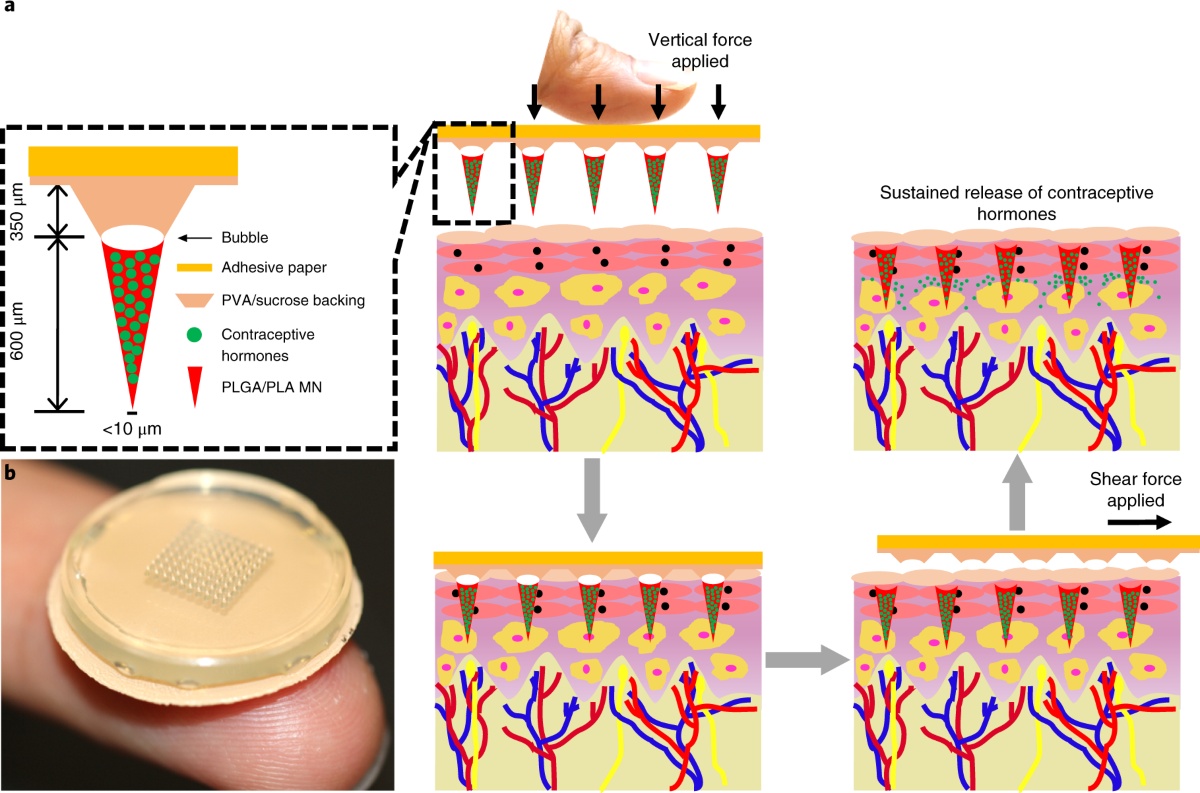
Other innovations include micro-array skin patches that release medicine slowly over months. These discreet patches dissolve under the skin and require no daily routine. Researchers are also developing once-a-month pills and six-month injectables that last longer with lower doses. These reduce trips to the clinic and lower the risk of side effects. Biodegradable implants and pH-changing vaginal gels are in the works too, offering hormone-free choices that fit different lifestyles.
Also Read: Maternal And Newborn Health: Regaining Lost Ground
Some apps now pair with these devices to send reminders or track effectiveness. The focus is on user preference: women want methods that match their bodies, schedules, and future plans. These advances empower better family planning and reduce unplanned pregnancies worldwide. Digital Health for Women supports these choices with helpful apps and reminders.
Longevity and Wellness Services for Women
Longevity and wellness services tailored to women represent the biggest shift yet. For too long, general wellness programs ignored women’s unique biology, especially changes around menopause and ovarian health. Now, clinics and apps treat longevity as a women’s issue from the 20s through the 90s.
Building Personalized Longevity Plans
Programs use data from wearables to build custom plans that track metabolic health, hormone balance, and bone density. Strength training is highlighted as essential because it supports muscle mass and prevents osteoporosis later in life.
Menopause care has become a gateway to full-body longevity. Wearables that predict hot flashes or track sleep help women manage symptoms early. Hormone therapy is returning in smarter, personalized forms as part of longer healthspan strategies. Telehealth platforms offer AI coaches that suggest nutrition, exercise, and stress relief based on a woman’s full life stage—not just one symptom. Resorts, gyms, and digital clubs now run women-only longevity programs that include ovarian aging tests and brain health checks. The goal is simple: help women stay strong, sharp, and energetic for more years. Early data shows these services shrink the “sick span” and expand healthy, active years.
Also Read: Adolescent Girls’ Health – Early Pregnancy, Nutrition, And Rights
Advances in breast cancer detection technology for women are also becoming part of these wellness programs for early and accurate care.
How These Trends Connect
These four trends are connected. A wearable that tracks hormones can feed data into a virtual maternal platform or a longevity app. AI ties everything together, turning raw numbers into clear advice.
Personalized women’s health tech innovations are at the heart of this progress, creating solutions that truly fit each woman’s needs. Digital Health for Women makes these connections stronger and more useful every day.
Privacy remains a top priority, with strong data protection built in. Costs are dropping as more devices reach the market, and insurance is slowly starting to cover some tools. Digital Health for Women is helping bring these benefits to more people. Digital Health for Women continues to grow as a key driver of change.
The Promising Future of Women’s Health Tech
The future looks promising. Women are no longer waiting for one-size-fits-all solutions. Technology is meeting them where they are—at home, on the go, or planning ahead. These innovations reduce health gaps, speed up diagnoses, and give women real power over their bodies. As Femtech grows, it promises not just longer lives but better ones. The quiet revolution in women’s health tech is already here, and it is only getting stronger.