






The Economic Case For Closing The Gender Gap In Entrepreneurship
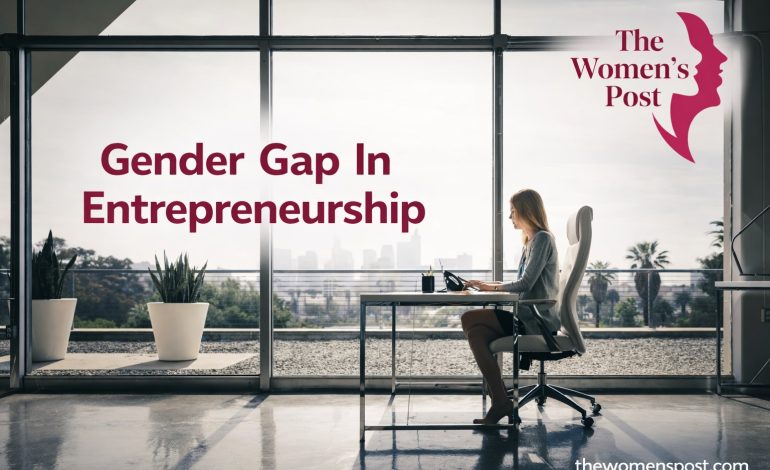

In every country across the globe, males are more represented in entrepreneurship compared to females. The difference is affecting the economic growth of every country across the globe. Gender parity entrepreneurship is the key to unleashing huge potential. Experts from various organizations, such as the World Bank and McKinsey, have indicated that there is an opportunity to generate trillions of dollars in wealth globally if the issue is addressed. The McKinsey gender equality add trillions global GDP report highlights how women’s equality is essential in creating huge economic benefits. It is not just the right thing to do; it is the smart thing to do. When more women are represented as entrepreneurs, more jobs are created and more wealth is generated. The story seeks to explore the issue and how the gender gap in entrepreneurship GDP increase pays off big.
Understanding the Scale of the Gender Gap in Entrepreneurship
Current Statistics and Trends
First, picture the size of the problem. In 2024, only one in ten women started a new business, compared to one in eight men. The gap starts small but grows. For new ventures, men outnumber women by about 24 percent. By the time businesses are established and running strong, that jumps to 47 percent.
Challenges in Low-Income Regions
In low-income places, things are even tougher. Women there face bigger hurdles, like less access to the internet or training. It could take 123 years to fully close the global gender gap at the current slow pace. That’s a long wait for progress that could happen now with focus on gender parity entrepreneurship.
The Economic Impact of Closing the Gender Gap
Also Read: The Role Of Women Entrepreneurs In Promoting Diversity, Innovation, And Social Change
Why the Gap Costs Economies Billions
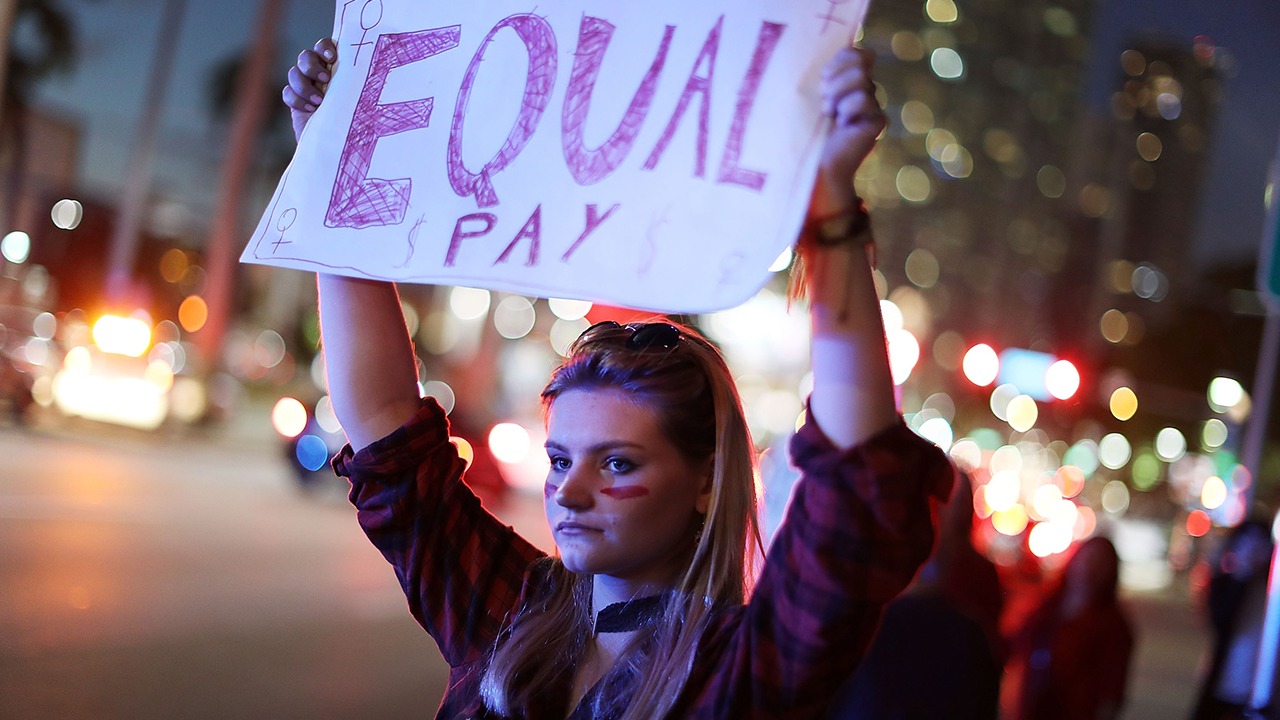
Why does this matter for money? Simple: economies run on people starting and growing businesses. When half the population—women—sits on the sidelines, talent goes to waste. Studies show clear wins if more women jump in. Equal chances in jobs and startups could lift global GDP by 20 percent. That’s like adding the size of several big countries’ entire economies.
Massive GDP Potential from Gender Equality
McKinsey gender equality adds trillions global GDP highlights the potential for trillions in added value. Even today, with updates, those gains hold true. In Europe and Central Asia, just matching men’s employment rates for women could raise GDP per person by 14 percent. World Bank closing gender gap employment entrepreneurship supports the idea that equal opportunities drive strong economic growth.
How Women Entrepreneurs Drive Job Creation and Poverty Reduction
Jobs come next. Women-owned firms hire more people, especially in tough times. Better funding for these businesses helps them expand and build local strength. In low- and middle-income countries, women entrepreneurs drive poverty reduction too. They create roles in communities where options are slim. Think of a small shop in India or a tech startup in Kenya—each one feeds families and sparks more ideas through gender parity entrepreneurship.
The Innovation Advantage of Women-Led Businesses

Also Read: How Women Entrepreneurs Promote Diversity And Use Evolved Leadership Styles
Then there’s innovation. Women bring fresh views that men often miss. Women-led startups are five percent more likely to try bold, new things than men’s. That means better products, like apps for health care or eco-friendly farms. When women lead, companies perform better overall. Female bosses improve firm survival and smart money use. It’s a cycle: more women in charge means more wins for everyone, boosting economic benefits, closing gender gap entrepreneurship.
Major Barriers Preventing Women from Starting Businesses
Financial and Legal Obstacles
But what keeps women out? Barriers pile up like roadblocks. Money tops the list. Banks lend less to women—often because they lack collateral or networks. Laws play a part too. In some places, rules make it hard for women to own land or sign contracts alone. Stronger laws alone could boost GDP per person by 20 percent on average.
Social and Digital Challenges
Daily life adds stress: childcare duties, safety fears, or bias in training programs. Digital tools help, but a 52 percent gender gap in internet use in poor countries widens the divide. These aren’t just personal issues—they drag down whole economies and slow closing the gender gap in entrepreneurship GDP increase.
Success Stories: Countries and Regions Closing the Gap
Real stories show the payoff. In the U.S., women’s startup rates hit 16.6 percent in 2019, close to men’s 18.3 percent—one of the smallest gaps worldwide. That surge before the pandemic added jobs and fresh ideas. In Rwanda, government pushes for women in business tripled female-owned firms since 2000. Result? Faster growth and more resilient markets. Targeted loans, mentorship, and legal tweaks lift women up without huge costs, advancing gender parity entrepreneurship.
The Role of Digital Tools in Empowering Women Entrepreneurs
Also Read: MicroEra Power: Leading North American Women In Founding Sustainable Energy Start-ups
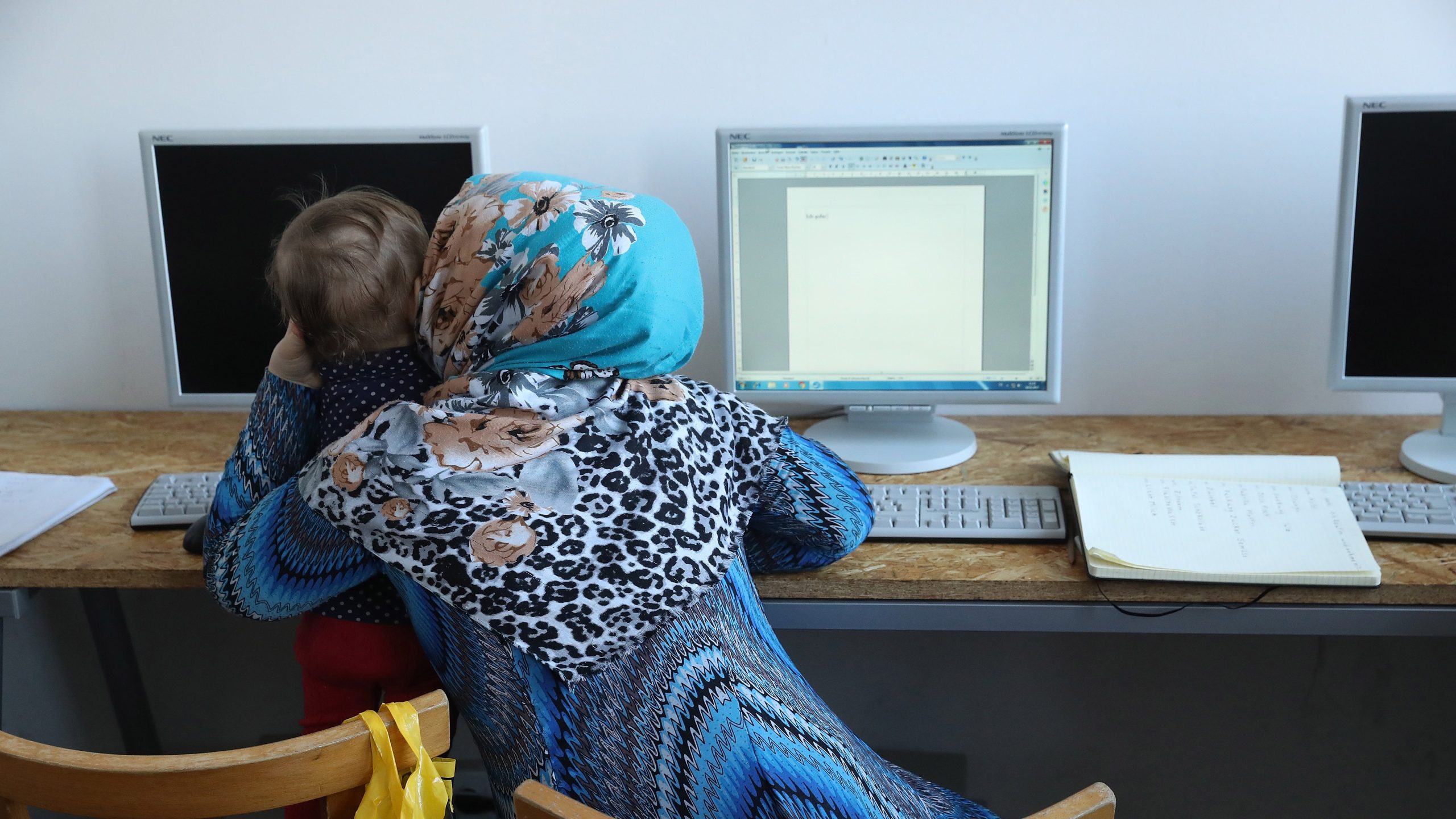
Digital shifts offer huge promise. Tools like mobile banking or e-learning let women sell globally from home. In India, apps have helped rural women build businesses in crafts or farming. Closing this digital door could multiply gains from other efforts and support economic benefits closing gender gap entrepreneurship.
Actionable Steps: What Governments and Companies Must Do
Governments and companies must act. Start with basics: fair laws that let women own property and get credit easily. Nations near full equality already see four percent higher GDP from women in work. Next, fund programs that train women and link them to mentors. Banks can offer low-risk loans backed by governments. Big firms should buy from women-led suppliers to build trust. Policies that spot women’s strengths, like their edge in innovation, make a difference. It’s not charity—it’s investment with quick returns toward gender parity entrepreneurship.
Conclusion: The Clear Economic Case for Immediate Action
In the end, the math is clear. The gender gap in entrepreneurship isn’t a side issue; it’s a brake on progress. By tapping women’s ideas and energy, economies gain 20 percent more output, millions of jobs, and smarter growth. World Bank closing gender gap employment entrepreneurship and McKinsey gender equality add trillions global GDP confirm the massive upside. Delaying costs trillions and leaves talent unused. Leaders who push for parity today build a stronger tomorrow. It’s time to mend the gap and unleash the potential of gender parity entrepreneurship.