





Women As Custodians Of Folk Arts: Embroidery, Weaving, Pottery, And Ritual Performance In Different Cultures
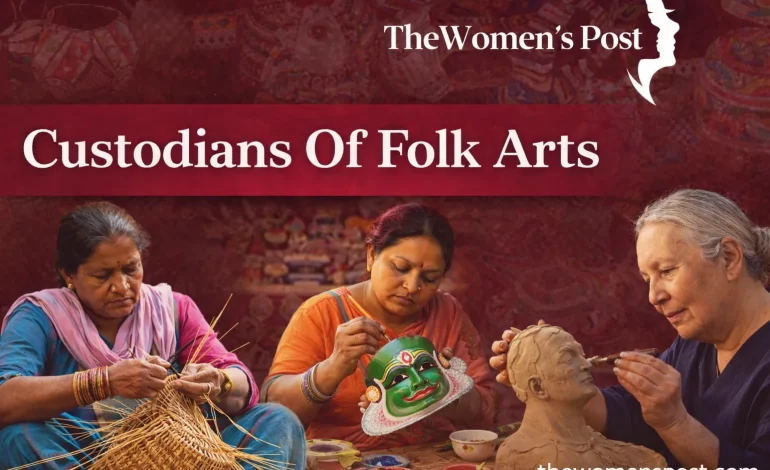

Women as custodians of folk arts have played a vital role in preserving cultural heritage across the globe. Through a variety of crafts such as embroidery, weaving, pottery, storytelling and ritual performance, women are clearly at the center of folk arts preservation. In societies worldwide, women usually serve as custodians of these arts, that is they safeguard and keep alive the traditions that have been passed down from their ancestors.
The Central Role of Women in Folk Arts Preservation
By doing so, they instill them not only in their children but also in the entire community, thus enabling the continuity of cultural heritage. The ongoing vitality of women folk arts can be attributed to their unwavering commitment. This function of women as the ones mainly responsible for the upkeep of folk arts resulted from the time when women were engaged in household crafts and oral tradition while men went out to undertake other activities.
Women folk arts signify the same cultures’ values and originality which have been inherited through time. Presently, these arts serve as means of reconnecting people with their origins and, in some cases, they provide them with income. Women folk arts still play an essential part in the lives of many ethnic groups. The role of women as caretakers of culture through folk arts in various societies is manifested in how they continuously keep the tradition going. Women folk arts show the strength of this ongoing work. This article explores how women safeguard these folk arts in various cultures, showing their importance in a simple way. Women folk arts deserve more attention for their lasting value.
Embroidery: Stitching Stories into Fabric
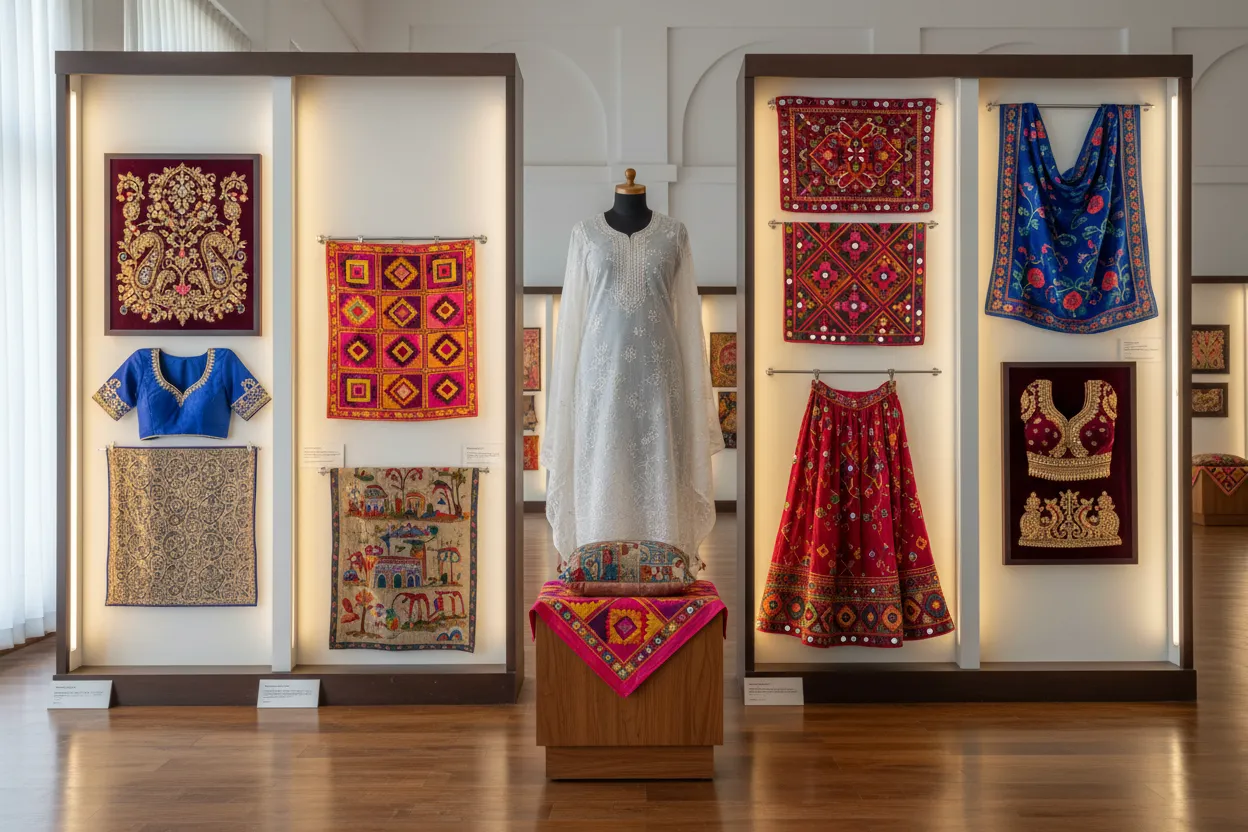
Embroidery is a folk art where threads create patterns on cloth. Women have been the main custodians of this craft in many societies, using it to express creativity and history.
Also Read: Major Exhibitions And Rediscovery Of Women Artists
Traditional Embroidery Practices in India
In India, for example, women in Punjab practice Phulkari, a bright floral embroidery on shawls. These pieces tell stories of rural life and are passed from mothers to daughters. In Bihar, Madhubani embroidery by women features gods, nature, and daily scenes, often painted first and then stitched. This art helps women earn money while keeping Mithila culture alive. Women preserving embroidery weaving pottery in indigenous communities often start with such traditional skills.
Embroidery in Other Regions
In Mexico, Otomi women embroider detailed designs on blouses and bags, inspired by animals and plants. These works reflect indigenous beliefs and are taught in families. In the Middle East, Palestinian women create tatreez, cross-stitch patterns on dresses that symbolize villages and resistance. During conflicts, women use embroidery to preserve their heritage. In Europe, Hungarian women embroider folk motifs on tablecloths and clothes, blending old pagan symbols with Christian ones.
Across these cultures, women use embroidery not just for beauty but to record family histories and social changes. They gather in groups to stitch and share knowledge, ensuring the art survives modernization. How women maintain folk arts like embroidery and ritual performance across cultures becomes visible through these shared practices.
Weaving: Threads of Heritage and Community
Weaving turns yarns into textiles like rugs, baskets, and clothes. Women often lead this art, as it fits into their daily lives.
Also Read: The Digital Revolution And NFTs In Women’s Art
Weaving Traditions in Native American Cultures
In Native American cultures, Navajo women in the southwestern United States are famous for their rugs. They weave patterns that represent sand paintings and spiritual stories. Grandmothers teach young girls the techniques, using natural dyes from plants. This custodianship keeps Navajo identity strong amid challenges like colonization. Women preserving embroidery weaving pottery in indigenous communities includes such powerful examples of weaving.
African and Andean Weaving Practices
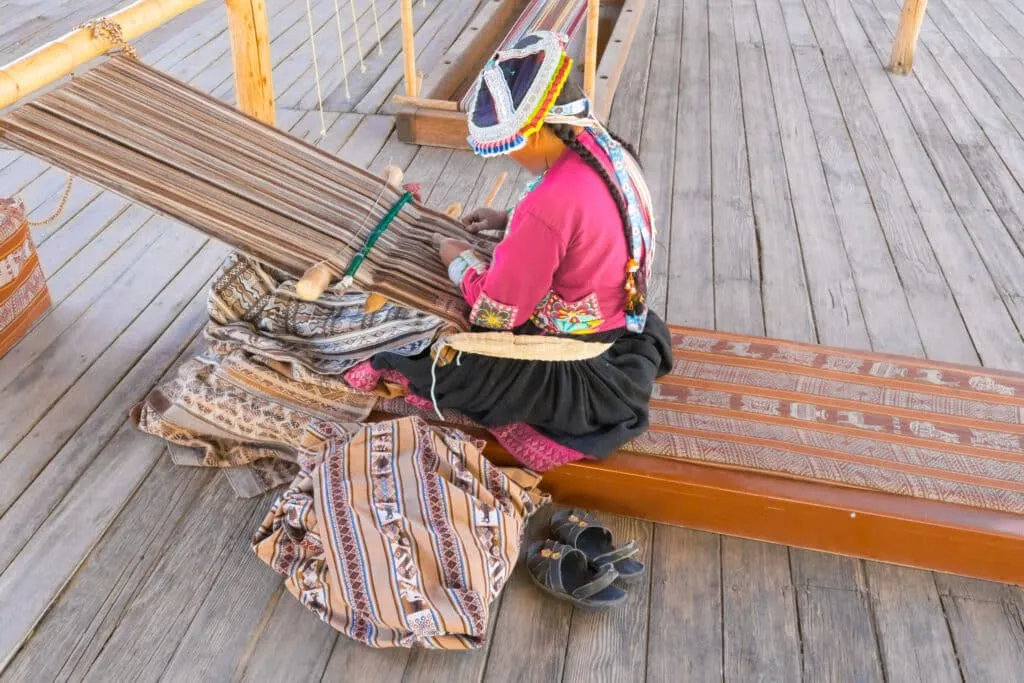
In Africa, women in Ghana weave Kente cloth, a colorful fabric with symbolic patterns. Ashanti women handle the intricate designs that tell proverbs and history. They pass skills through apprenticeships, making weaving a source of pride and income. In Peru, Quechua women weave textiles with alpaca wool, featuring Inca motifs. These pieces are used in ceremonies and sold to tourists, helping women support their families while preserving Andean traditions.
Asian Weaving Communities
In Asia, Thai women in hill tribes weave silk scarves with ethnic patterns. They use backstrap looms at home, teaching daughters to maintain cultural diversity. Weaving groups empower women economically, as seen in cooperatives where they sell handmade goods. In all these places, women as custodians ensure weaving adapts to new times without losing its essence. They innovate with modern colors but stick to traditional methods, linking past and present.
Pottery: Shaping Clay into Cultural Symbols
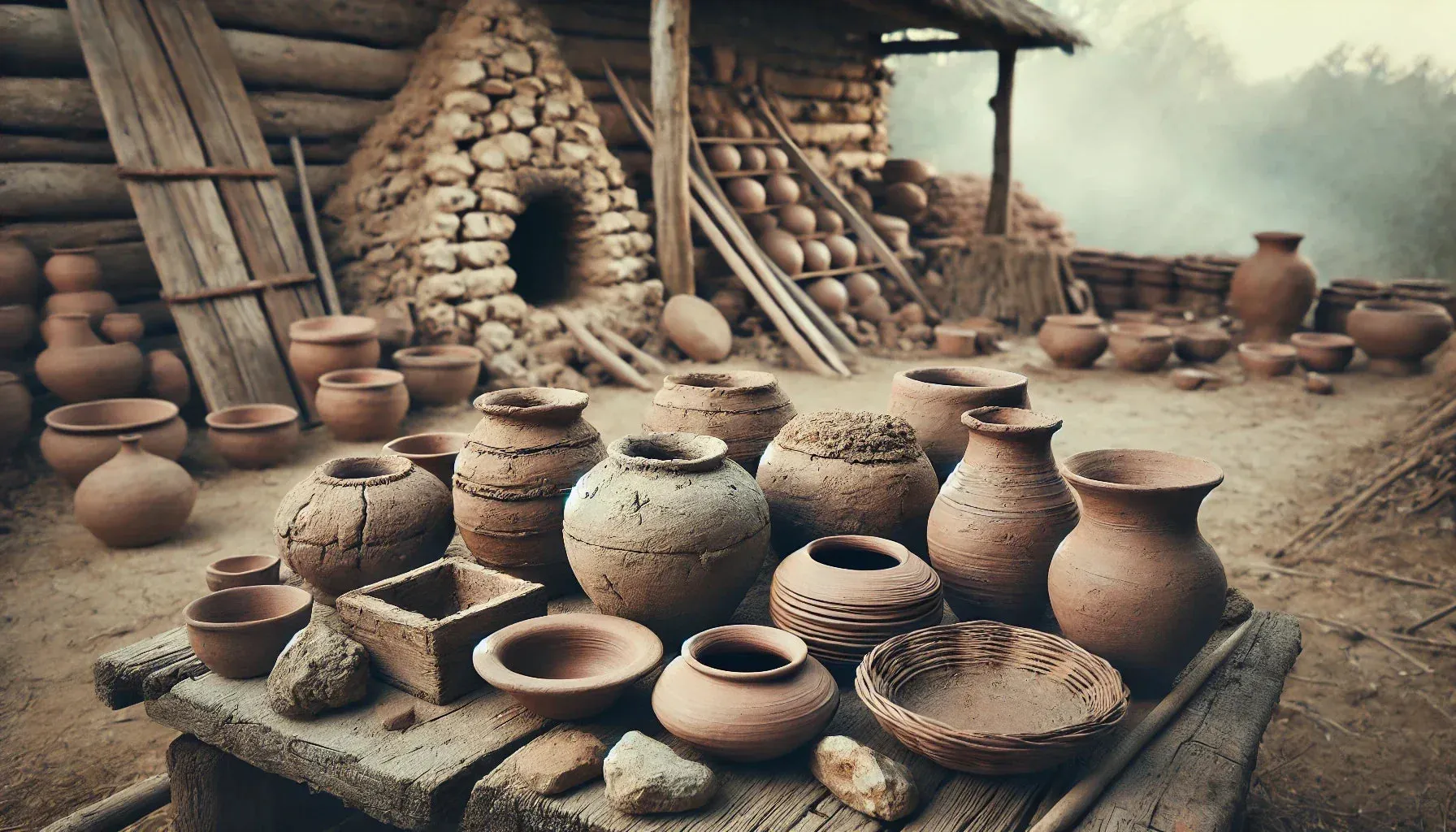
Pottery involves molding clay into pots, vases, and figures, often fired in kilns. Women have been central to this folk art, creating items for daily use and rituals.
Also Read: Young Female Artists And Interdisciplinary Projects
Pottery in the Americas
In the Americas, Pueblo women in New Mexico, like those from the Acoma tribe, make coiled pots with black-and-white designs. Maria Martinez, a famous potter, revived ancient techniques in the 20th century. Women teach these skills in workshops, keeping Native pottery as a living tradition. Women preserving embroidery weaving pottery in indigenous communities shines here through continued practice.
African, European, and Indian Pottery Traditions
In Africa, women in Nigeria’s Igbo communities shape pots by hand, decorating them with patterns that represent fertility and ancestors. They fire pots in open pits and sell them in markets, passing knowledge orally. In Greece, women on islands like Crete continue Minoan-style pottery, painting scenes from myths. This art ties to ancient matriarchal societies where women led crafts.
In India, women in rural Rajasthan create terracotta pots and figures for festivals. They mold clay from local soil, adding designs that honor gods. During Diwali, these pots light up homes, symbolizing prosperity. Women form guilds to train others, fighting against factory-made goods. As custodians, women in these cultures use pottery to express identity and adapt to needs, like making eco-friendly items today. Their work shows how simple clay becomes a vessel for cultural memory.
Storytelling: Weaving Words into Legacy
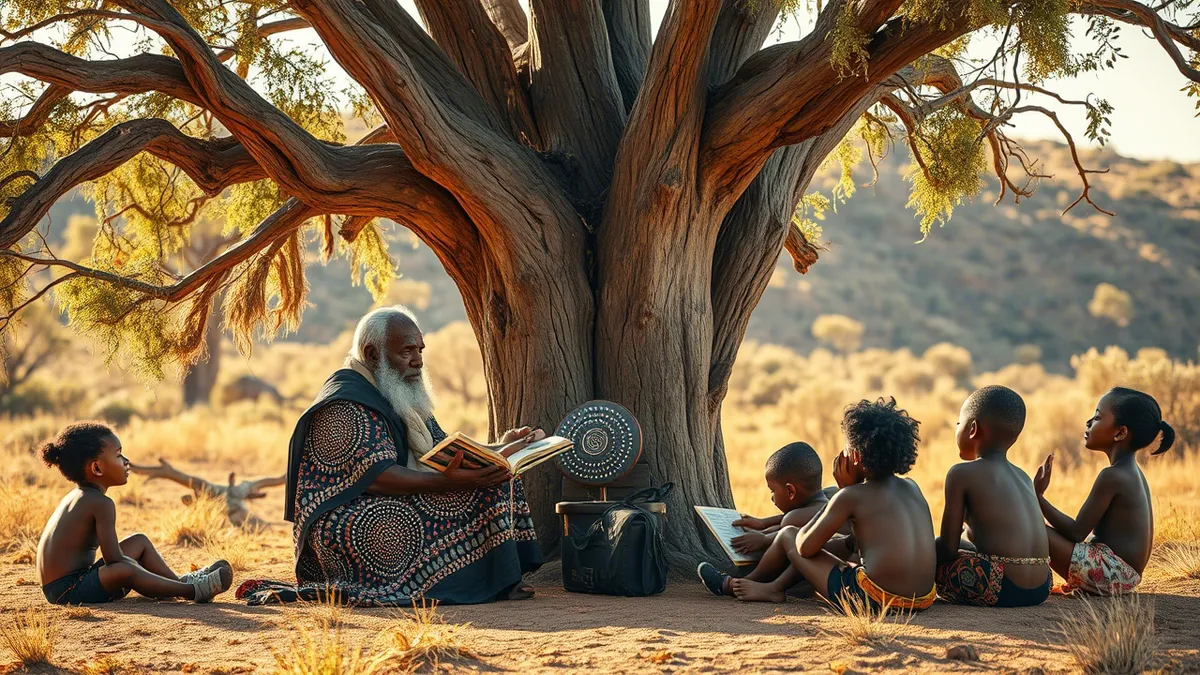
Storytelling is an oral folk art where tales pass knowledge and morals. Women often serve as custodians, sharing stories around fires or in homes.
African and Australian Storytelling
In West Africa, griot women in Mali and Senegal recite epics about kings and heroes. They use music and gestures, training daughters to keep histories alive in oral societies. Women storytellers and ritual performers in traditional cultures carry forward these rich oral traditions.
In Indigenous Australian cultures, Aboriginal women tell Dreamtime stories about creation and land. These narratives guide laws and connect people to nature. Elders pass them during ceremonies, ensuring survival despite colonization.
European, Native American, and Indian Storytelling
In Ireland, seanchai women share Celtic folklore with ghosts and fairies. They perform at gatherings, blending old tales with new twists.
In Native American tribes like the Cherokee, women storytellers recount myths about animals and spirits. They use stories to teach values, often in winter evenings. In India, women in villages narrate folktales from the Panchatantra, adding local flavors. Storytelling helps women address issues like gender roles subtly. As custodians, they adapt stories to modern audiences, using books or videos, but keep the oral heart intact. Women storytellers and ritual performers in traditional cultures keep this art form vibrant.
Ritual Performance: Dancing and Chanting Traditions
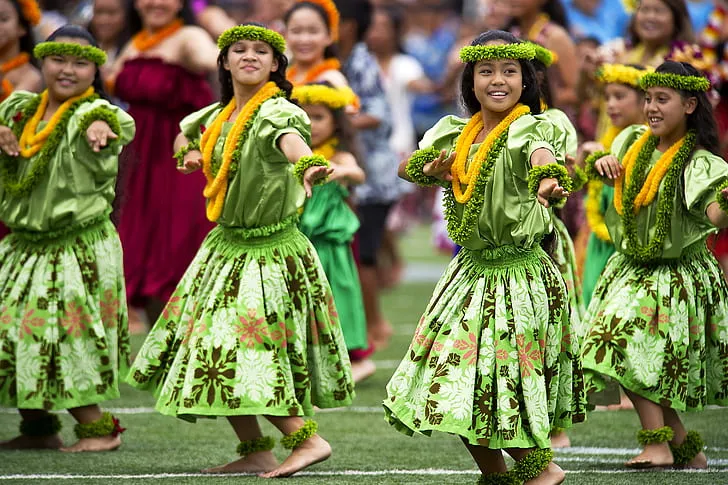
Ritual performance includes dances, songs, and acts in ceremonies. Women lead many of these, preserving spiritual and social bonds.
Also Read: Women, Identity, Diaspora, And Motherhood In Art Practice
Ritual Performance in India
In India, women perform Kathakali or Bharatanatyam in temples, enacting myths. In Kerala, they dress as gods in Theyyam rituals, channeling divine energy. This role empowers women in male-dominated spaces. How women maintain folk arts like embroidery and ritual performance across cultures is seen in these enduring performances.
Shamanic, African, and Hawaiian Traditions
In Siberia, shaman women among the Evenki people perform rituals with drums and chants to heal and connect with spirits. They inherit roles from mothers, keeping animist beliefs. In Africa, Zulu women lead initiation dances, singing about life cycles. These performances build community strength.
In Hawaii, hula women dance stories of gods and history. After bans during colonization, women revived it, teaching in schools. Ritual performance allows women to express emotions and resist change. As custodians, they innovate, like fusing styles in fusion festivals, while honoring origins. Women storytellers and ritual performers in traditional cultures play a key part in this revival.
The Lasting Impact of Women as Custodians of Folk Arts
The role of women as custodians of folk arts in different cultures remains essential today. Women as custodians of folk arts like embroidery, weaving, pottery, storytelling, and ritual performance enrich the world. In diverse cultures, they guard these traditions against globalization and technology. Their work fosters pride, economy, and unity. Governments and groups now support them through fairs and museums. Yet, challenges like urban migration threaten continuity. By recognizing women’s roles, societies can ensure these arts thrive for future generations. In the end, these women are not just artists; they are the heartbeat of cultural heritage.


