






Women Curators Redesigning Museums
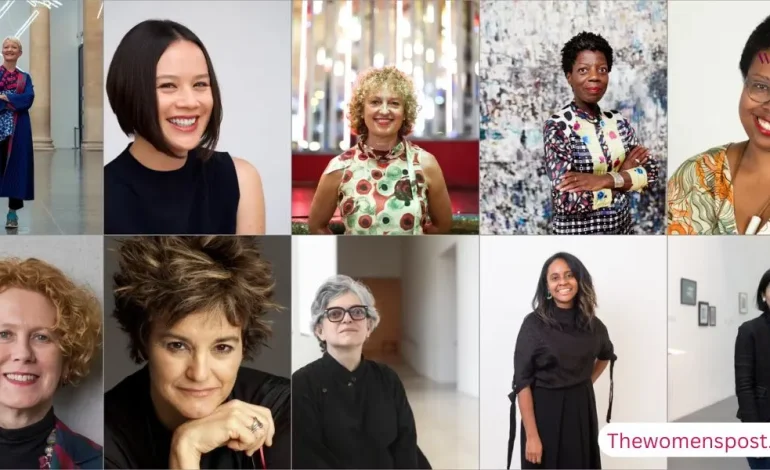

Museums are always so much more than dry rooms full of relics. They are all about telling stories of history, culture, and individuals. For decades, men largely controlled which stories found their way onto walls. But now, women curators are breaking that model. They are the women who choose artworks, organize exhibitions, and form collections with diverse voices. Women curators who shape contemporary museums infuse new perspectives into traditional spaces, bringing museums to life and into the community. Their efforts challenge conventions, rediscover overlooked artists, and initiate discussions around gender, race, and identity, making important contributions to gender equality in curation.
The Early Struggles of Women Curators
The path for women curators was slow going. In the late 1800s and early 1900s, museums were men’s clubs. Women volunteered or worked as secretaries. But some did manage to push through. Consider Anita Reinhard, a pioneering female curator at New York’s Metropolitan Museum of Art. During the 1920s, she dealt in arms and armor—a discipline regarded as rugged and masculine. She cataloged thousands of objects, showing the influence of women curators on museum holdings through her keen eye for detail. Her unobtrusive persistence led the way for others.
Founding Institutions and Shaping Collections
Then there were the founders such as Abby Aldrich Rockefeller and Lillie P. Bliss. They did not just curate, they established entire institutions. Rockefeller co-founded the Museum of Modern Art (MoMA) in 1929, demanding modern art that featured women artists. Bliss assisted in the founding of the same museum by donating seminal works that established its early tone. These women curators battled prejudices, demonstrating curation was not reserved for suits and ties.
Mid-20th Century: Women Leading Museum Shows

Also Read: Barjeel Art Foundation Launches Virtual Gallery In Honor Of Women’s History Month
Flash forward to the mid-20th century, and women heading museum shows were in greater numbers, particularly in cities such as Los Angeles. Women curators such as Barbara Haskell and Jane Livingston set the West Coast art world’s tone in the 1960s and 70s. They highlighted pop art and conceptual pieces, providing opportunities for emerging artists.
Overcoming Challenges
But it did not come without strife. Women struggled with pay gaps, few promotions, and questioning of their authority. Nevertheless, they remained undeterred, converting obstacles into opportunity.
21st Century: Women Curators Leading Change
Thelma Golden: Championing Diversity

Today, in the 21st century, women curators are leading the change. They leverage their positions to advance diversity and disrupt traditional narratives. Thelma Golden is a force to be reckoned with. As chief curator and director at the Studio Museum in Harlem since 2000, she has been a long-time advocate for Black artists. She named the style “post-black art” to define paintings that transcend stereotypes by mixing personal narratives with large concepts. Her direction, the museum expanded its holdings and welcomed exhibitions that attract international audiences. Golden’s TED Talk on cultural transformation even influenced a new generation. Her practice demonstrates how women curators who redefine contemporary museums can make a place home for marginalized groups, promoting gender equality in curation.
Carolyn Christov-Bakargiev: Global Impact
Also Read: The Contribution Of Poetry In Feminist Movements
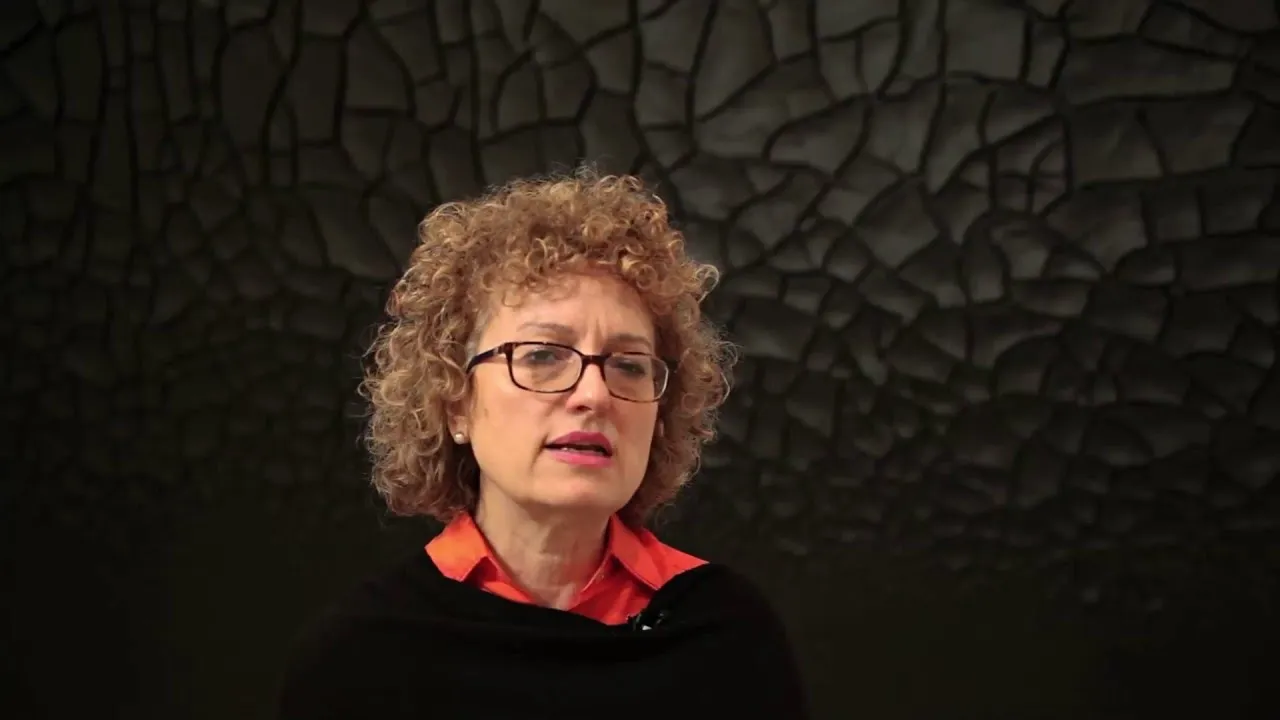
Another pioneer is Carolyn Christov-Bakargiev. She curated Documenta 13 in 2012, the art world’s largest gathering. Spanning Germany and abroad, the show addressed healing from war and catastrophe. The show included more than 300 artists, numerous women and from non-Western nations. This bold step landed her the number one position on ArtReview’s Power 100 list—the first female artist to do so. Now at Castello di Rivoli in Italy, she continues to agitate for international dialogues through solo exhibitions and biennales, featuring women curating museum shows.
Helen Molesworth: Advocating Inclusion
Also Read: The Impact Of Women In Fashion As Art
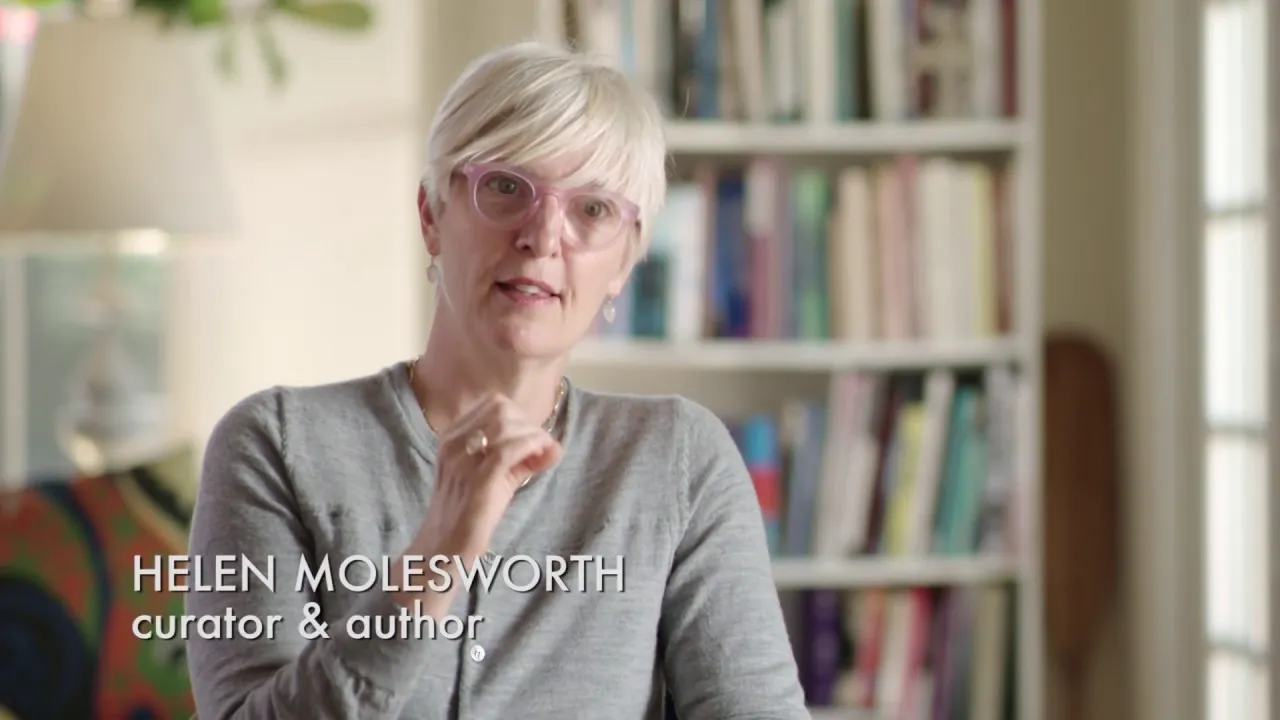
Helen Molesworth initiates a sharp insistence on inclusion. She worked for years at the Los Angeles Museum of Contemporary Art, organizing exhibitions that critiqued power and gender. One was her 2017 show on women abstract expressionists, resurrecting artists such as Joan Mitchell who had been marginalized. Molesworth’s approach is straightforward—she names biases and guides young women. Her residencies and writings contribute to a more balanced field, prioritizing gender equality in curating museums.
Maria Balshaw: Making Art Accessible
Also Read: Influence Of Female Directors On Audience Perceptions
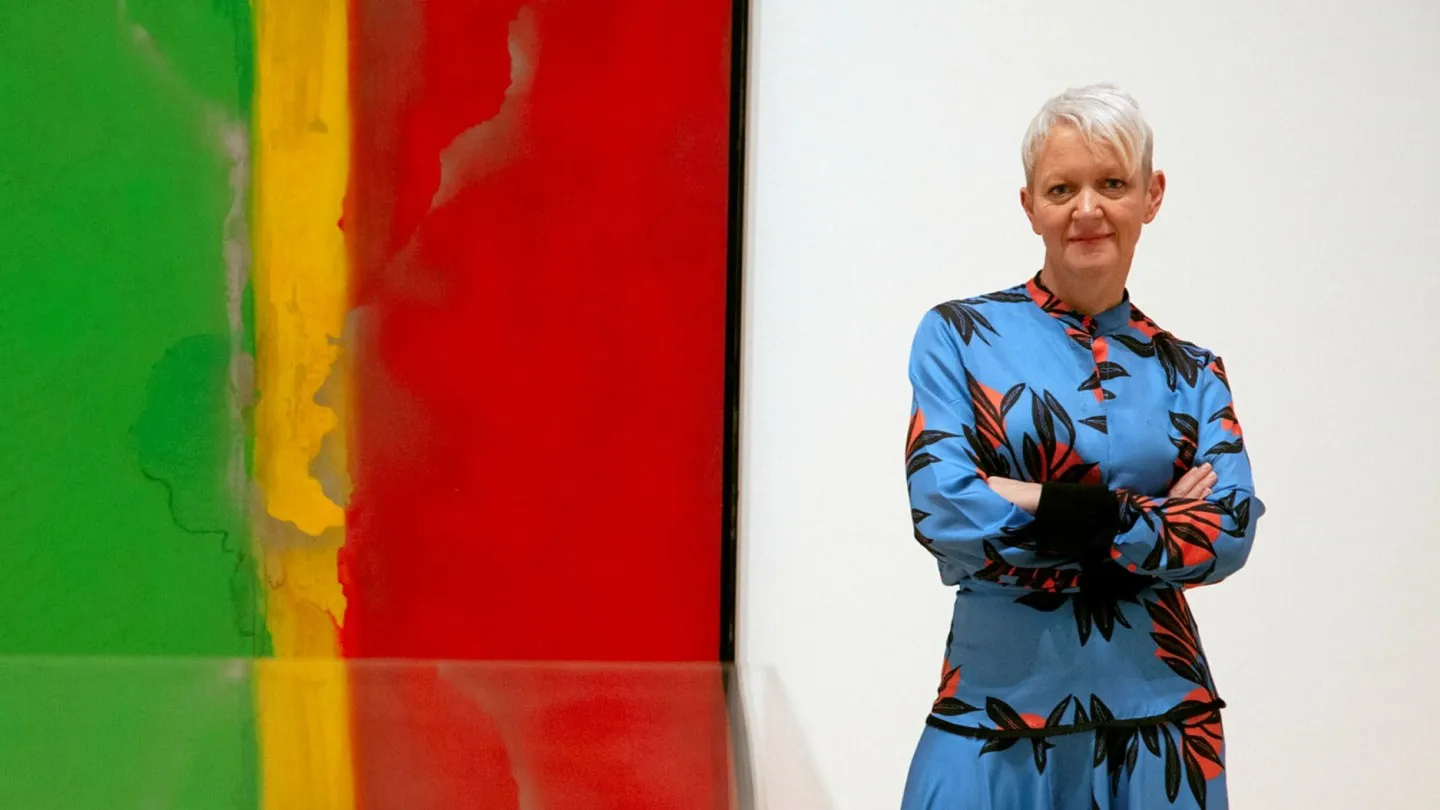
On the other side of the pond, Maria Balshaw became the first woman director of Tate museums in 2017. As the director of four galleries, she increased programs in British and contemporary art. Prior to Tate, she rebooted the Whitworth in Manchester as a lively institution with free admission and events for communities. Balshaw’s influence brings art to everyone, attracting families and newcomers who previously felt they didn’t belong, demonstrating the influence that women curators have on museum holdings.
Notable Contributions from Other Women Curators
Katherine Brinson: Blending Established and Emerging Artists
These women curators are not alone. Katherine Brinson at the Guggenheim runs contemporary exhibitions that combine well-known figures with up-and-comers. Her Christopher Wool retrospective exhibition attracted record numbers of visitors, and her exhibition projects with young collectors bring new voices into the museum.
Cathleen Chaffee: Exploring Social Issues
Cathleen Chaffee in Buffalo at the Albright-Knox examines society and work through art, such as her “Overtime” show on labor’s unseen expenses.
Mari Carmen Ramírez: Celebrating Latin American Art
And in Houston, Mari Carmen Ramírez has worked with Latin American art for more than 20 years, presenting exhibitions such as “Carlos Cruz-Diez: Color in Space and Time” celebrating rich cultures.
Feminist Curating and Activism
What unites their work? Feminist curating and activism. A lot of female curators are using exhibitions to battle exclusion. For example, curators such as Zoé Whitley co-curated “Soul of a Nation” at Tate Modern in 2019, featuring Black British artists from the 1960s onwards. This program sold out and reoriented museums’ perceptions of history. Others, such as Jamillah James at the Hammer Museum, combine art and social justice, structuring exhibits on race and community. They’re not merely hanging art; they’re rewriting the canon to include women, people of color, and international perspectives, emphasizing the influence of women curators on museum collections.
Also Read: The Women’s Role In The Conservation Of Indigenous Cultural Arts
Why This Shift Matters
This change is important. Museums determine what we cherish. When women lead the curatorial departments, collections become more diverse—more women artists, from Frida Kahlo to women now speaking out, such as Kehinde Wiley. Exhibitions serve as a means of empathy, addressing things such as climate change or immigration. Guests depart energized, not indifferent.
Ongoing Challenges for Women Curators
However, there are still issues. Women continue to hold only roughly 40% of top curation positions at large U.S. museums. Compensation and visibility trail behind men. Furthermore, the art world is cliquey, with known names over daring gambles. The early female curators between 1890 and 1970 encountered even greater walls in the form of travel restrictions to complete bans on married women as employees. Leaders today battle these reverberations with networks and demands for fairness, striving for gender equality in the curation of museums.
The Future of Women Curators
In the future, there is plenty of promise. Young women curators such as Brooklyn Museum’s Rujeko Hockley learn about Afrofuturism and curate exhibitions about social change. In Asia, Chou Yu-Hsun at Taiwan’s National Museum of Fine Arts produces visual arts and films that nurture local talent. International events such as biennials provide them with platforms to flourish. As climate and technology transform the world, women who direct museum exhibitions will lead museums toward relevance—perhaps with virtual exhibitions or community co-curations.
Conclusion: A Legacy of Transformation
Ultimately, women curators remind us that museums are reflections of society. By making diverse narratives the focus, they make these institutions inclusive for everyone. Their legacy? A world in which art does not merely adorn—but redeems. As Golden has said, curation is about “post-black” or “post-anything”—beyond labels to human verities. Because of women curators making museums what they are today, these places now seem a little more like us.


