


Traditional vs. Modern Beauty & Fashion Rituals
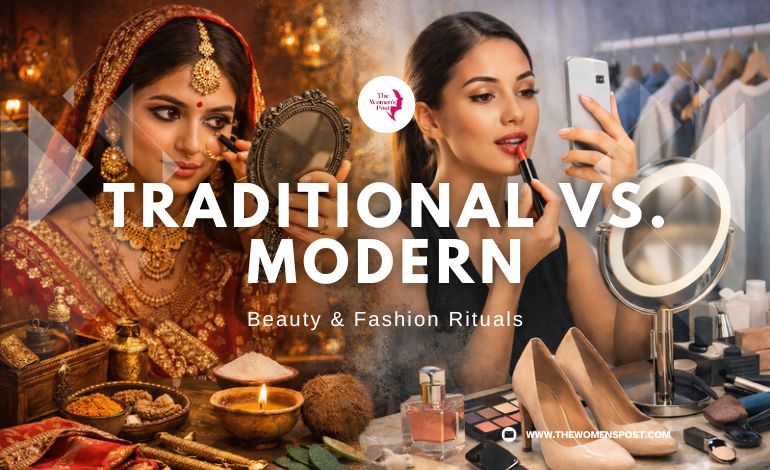

Beauty and fashion rituals are part of our daily lives. They reflect who we are, where we come from, and what we believe in. Traditional beauty rituals have their origins in history, nature, and family. They involve time, simple ingredients, or traditional clothing. Modern beauty rituals, on the other hand, are fast-paced. They are based on international trends, social media, and quick-fix products. Today, traditional and modern beauty rituals blend in unique ways. Traditional vs. modern beauty & fashion rituals is something that continues to intrigue people worldwide.
Traditional Beauty Rituals vs Modern Skincare: An Overview
Let’s take Japan as an example. Japan is a country where traditional beauty was simple yet elegant. Japanese women used rice water to wash their hair and face for a smooth finish. This was their way of getting beauty with minimum effort. Today, this has evolved into the popular K-beauty routine. People use ten or more products daily, ranging from cleanser, toner, serum, face masks, and sunscreens. Today, the objective remains the same – to attain glass skin, which means healthy and glowing skin. What started as a quiet Japanese habit has spread worldwide through TikTok and YouTube. Many young people in other countries now copy the full routine, even if they do not know its traditional roots. Traditional vs modern beauty is clearly visible in this shift.
Cultural Differences in Beauty and Fashion Rituals Across Continents
African Boldness and Community Spirit
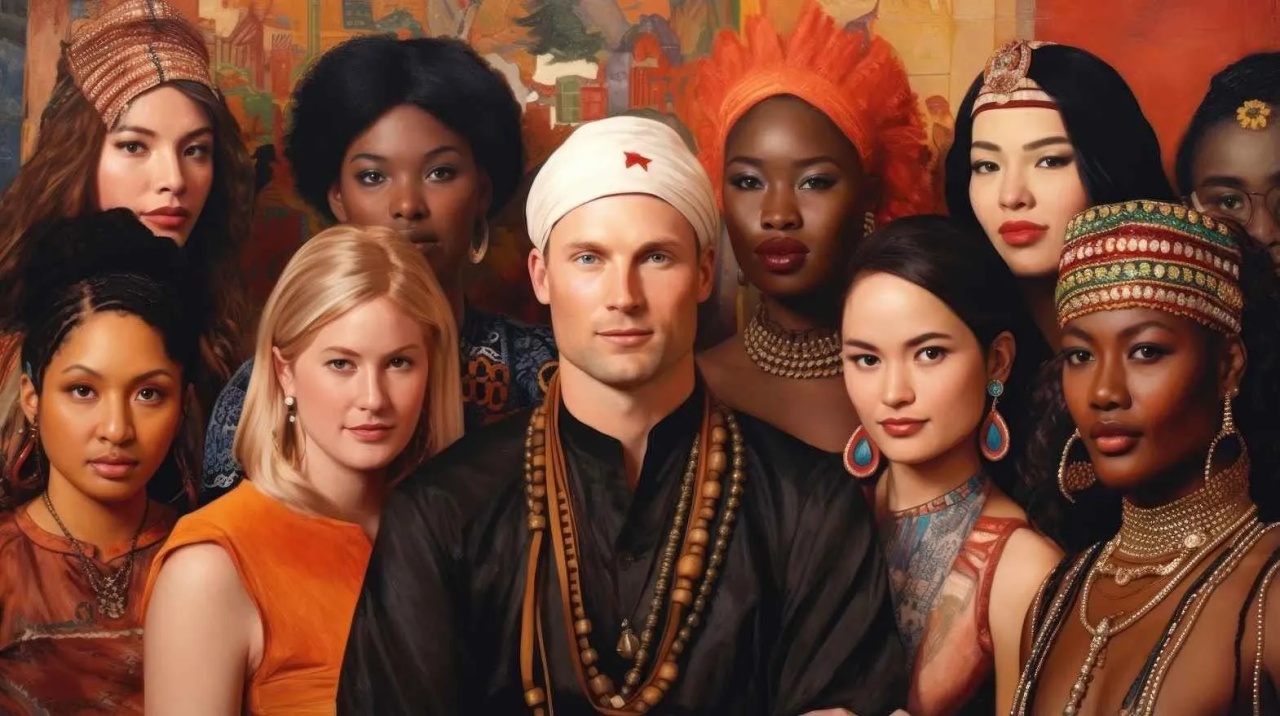
Africa offers a different picture. Traditional beauty and fashion there celebrate boldness and community. Women in many regions wear bright prints called Ankara or kitenge. These colorful fabrics come with big accessories — beads, headwraps, and gold jewelry. Hair is styled in braids or natural afros that honor natural texture. Body painting and scarification once marked important life stages. These practices were never just about looking good; they told stories about identity and pride. In modern Africa, fashion still uses those same bold prints, but designers now mix them with jeans, sneakers, or tailored blazers for city life. Social media stars show how traditional clothing can look fresh and stylish in everyday outfits. Cultural differences in beauty and fashion rituals become very clear when looking at African traditions.
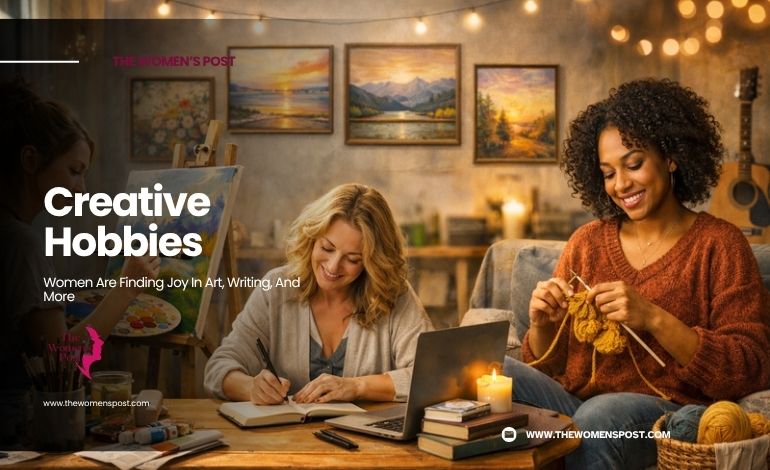
Also Read: Creative Hobbies: How Women Are Finding Joy In Art, Writing, And More
Indian Kitchen Rituals and Timeless Elegance
India presents another rich contrast. For centuries, Indian women have followed daily beauty rituals using kitchen ingredients. They apply turmeric paste for clear skin, use coconut oil for long hair, and wear fresh flowers in their hair. Fashion rituals center on the saree — a long piece of cloth draped in different styles depending on the region. Heavy gold jewelry, bindi, and bangles complete the look. These items are not only beautiful; they carry meaning about marriage, age, and status. Today, modern Indian women still love sarees for weddings and festivals, but daily wear has changed. Many choose jeans, kurtas, or fusion dresses for office and college. Beauty products now mix old recipes with science. Face creams contain neem or saffron, while “glass skin” tutorials on Instagram borrow from both Korean and Indian traditions. How traditional beauty practices differ from modern skincare is best understood through these examples.
Scandinavian Hygge and Minimal Comfort

Scandinavian countries show a quieter side of tradition. The concept of hygge — a feeling of cozy comfort — shapes both fashion and beauty. Traditional looks use natural wool, linen, and soft colors. People dress in layers that feel warm and simple. Skin care is basic: clean face, good moisturizer, and plenty of fresh air. There is no rush for heavy makeup or perfect hair. Modern Scandinavian style keeps this minimal feel but adds a global twist. Clean beauty brands from Sweden and Denmark now sell worldwide. Their products use simple ingredients like oats and berries, much like old village recipes. At the same time, young people in Stockholm or Oslo follow international trends such as oversized hoodies or sustainable streetwear, yet the calm, practical spirit of hygge remains strong. Benefits of traditional beauty methods over modern products are often discussed in such simple and natural approaches.
Also Read: Balancing “Me Time” And “We Time”: How Married Women Balance Their Individuality And Marriage
Key Differences: Traditional vs Modern Beauty Practices
When people compare traditional and modern rituals, clear differences appear. Traditional ways take more time and effort. They use natural items that cost little and create less waste. These practices also strengthen family bonds — mothers teach daughters how to tie a saree or mix a face mask. Modern rituals save time. A five-minute Korean sheet mask or a quick online shopping order fits busy schedules. However, many modern products contain chemicals, and fast fashion creates huge amounts of waste. Traditional herbal beauty treatments vs chemical-based products is one of the most important debates today. Another big difference is influence. Traditional beauty stays rooted in one culture. Modern beauty spreads fast across borders. A girl in Delhi may follow the same glass-skin steps as a girl in Lagos or Tokyo. Traditional vs modern beauty shows both sides of this global conversation.
Blending Old and New: The Rise of Fusion Rituals
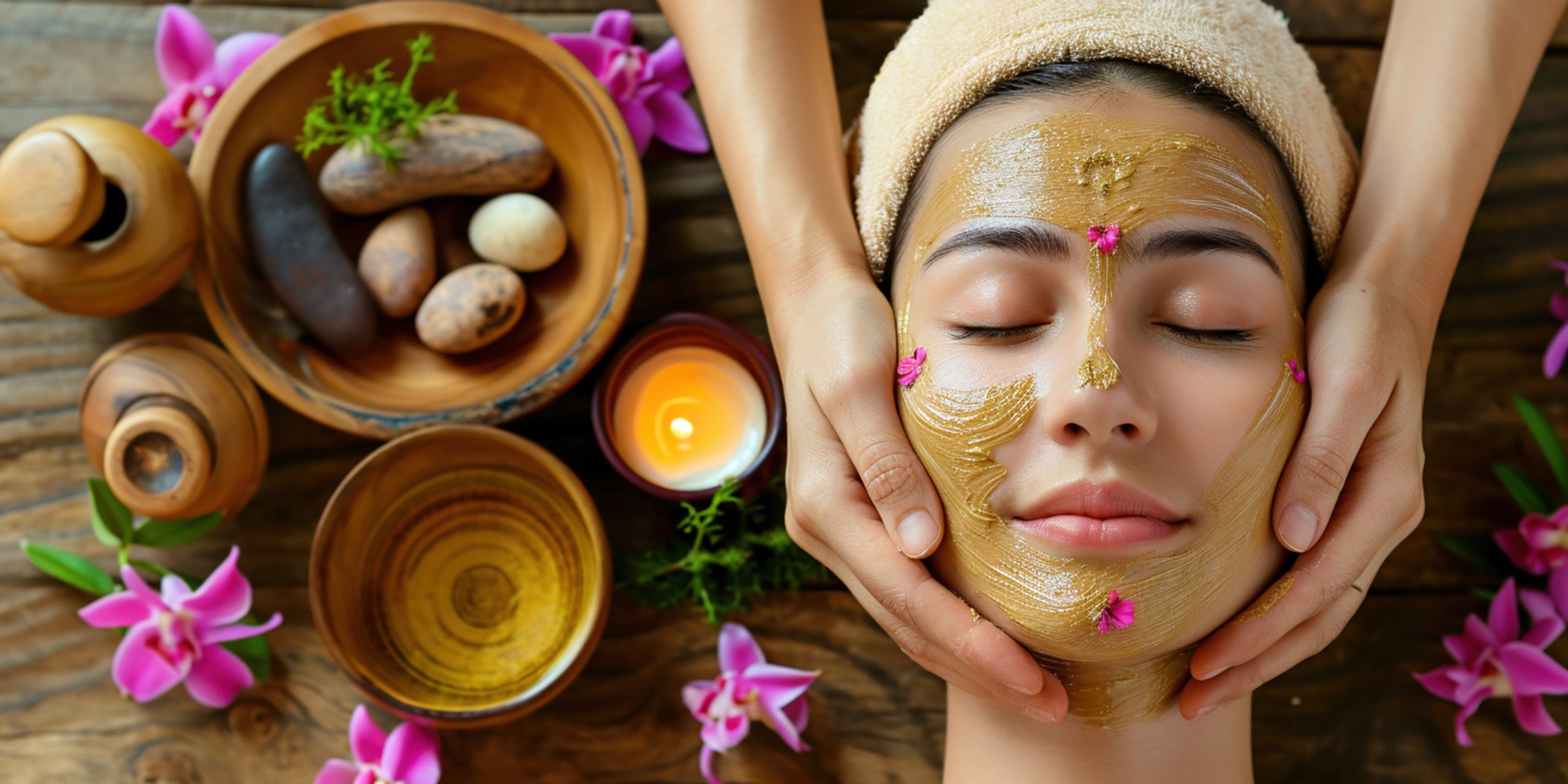
Yet the line between old and new is not always sharp. Many people today blend both worlds. They wear a modern blazer over a traditional African print skirt. They use an Ayurvedic hair oil at night and a Korean sunscreen in the morning. Social media helps this mixing. A viral video can turn an old Indian remedy into a global trend overnight. At the same time, big beauty brands now add traditional ingredients to their products to meet demand for “clean” and “natural” items. Cultural differences in beauty and fashion rituals continue to inspire new combinations.
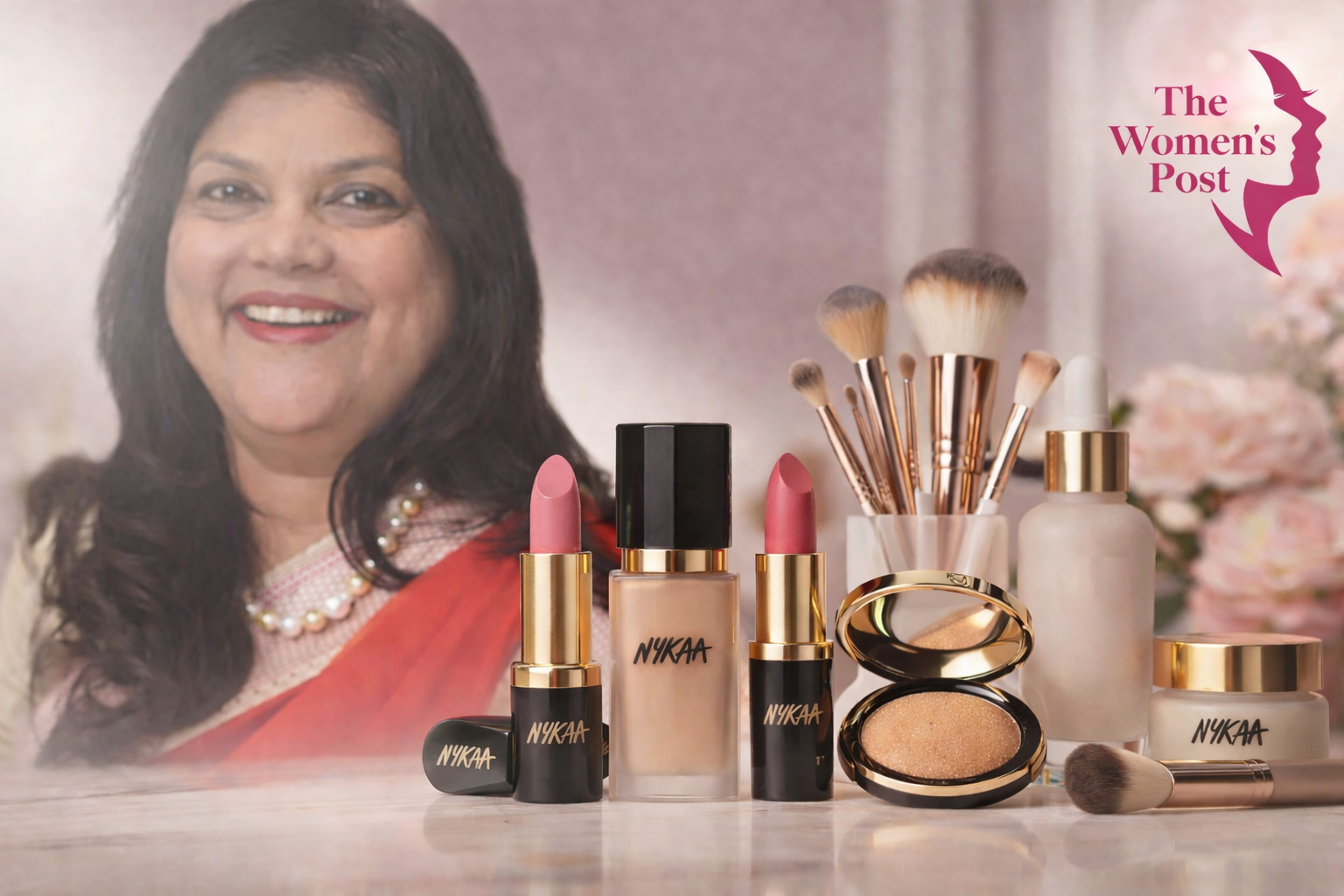
Also Read: Beauty And Grooming Secrets From The World’s Most Powerful Women
Finding the Perfect Balance in Beauty and Fashion
In the end, traditional and modern beauty and fashion rituals both serve the same purpose: they help people feel confident and connected. Traditional rituals remind everyone of their roots and the wisdom of the past. Modern rituals bring excitement, speed, and new ideas from around the world. The best approach may be balance. People can enjoy the calm of Japanese rice water, the pride of African prints, the elegance of an Indian saree, and the comfort of Scandinavian hygge — all while using the tools of today. As cultures continue to meet and learn from one another, beauty and fashion will keep changing. What matters most is that these rituals stay personal, respectful, and true to the person wearing them. In this way, daily style becomes more than just clothes or creams — it becomes a living story of who we are and where we are going.