




Leadership And Representation Of Women In Creative Industries


The creative sectors, which include the movie, TV, fashion, advertising, design, and publications sectors, are viewed as progressive and very open-minded. To the outsider, these are the types of sectors that are at the forefront of innovation, places where talent is the sole deciding factor. Yet, when examining the information at hand, it can be seen that a whole different story exists. Even though the female population is abundant within the professional workforce, they are grossly unrepresented within the leadership.
This divide between participation and power is one of the defining dilemmas of the modern creative economy. This is more than a matter of equity and diversity boxes, as important as these are; it is a matter of storytelling, product design, and worldview. Without representation by women in positions of power, a lack of depth of storytelling and worldview will be evident, as it will not speak to half of its audience.Women empowerment and creativity are important for a balanced creative industry.
The Current Landscape
It is often seen that the entry-level talent pool is evenly composed in most creative industries. Not to overlook, many industries like publishing, PR, and fashion see more female talent than men at entry and mid-level ranks. There are fewer women when they advance up the corporate ladder. Of course, this condition has come to be termed ‘the leaking pipeline.’ Few industries depict a female presence behind the screens despite growing female participation in the labor force.
For instance, in movies, women over the years have found it difficult to become either a director or a producer of major movies. Although there have been visible success stories over the years, evidence shows that most Hollywood movies are directed by men. This implies that most of the language of film, in terms of how women are represented on film, how they speak, and what their world is like, is interpreted through a male gaze. Women leaders in creative sectors experience challenges, as depicted by these figures.
Likewise, the advertising industry is dominated by women in terms of the spending of the consumers. It is the women who are purchasing domestic products, clothing, and health products. However, for the past several decades, the creative directors of the advertisements of these products were mostly men. This created a gap whereby the advertisements sometimes come out as if they are tone deaf or have outdated views about women. Women empowerment in the creative industry is vital for accurate representation.
Why Representation Matters
Also Read: Initiatives Like The CHANEL Culture Fund And Gender Equality Drives In Arts Institutions.
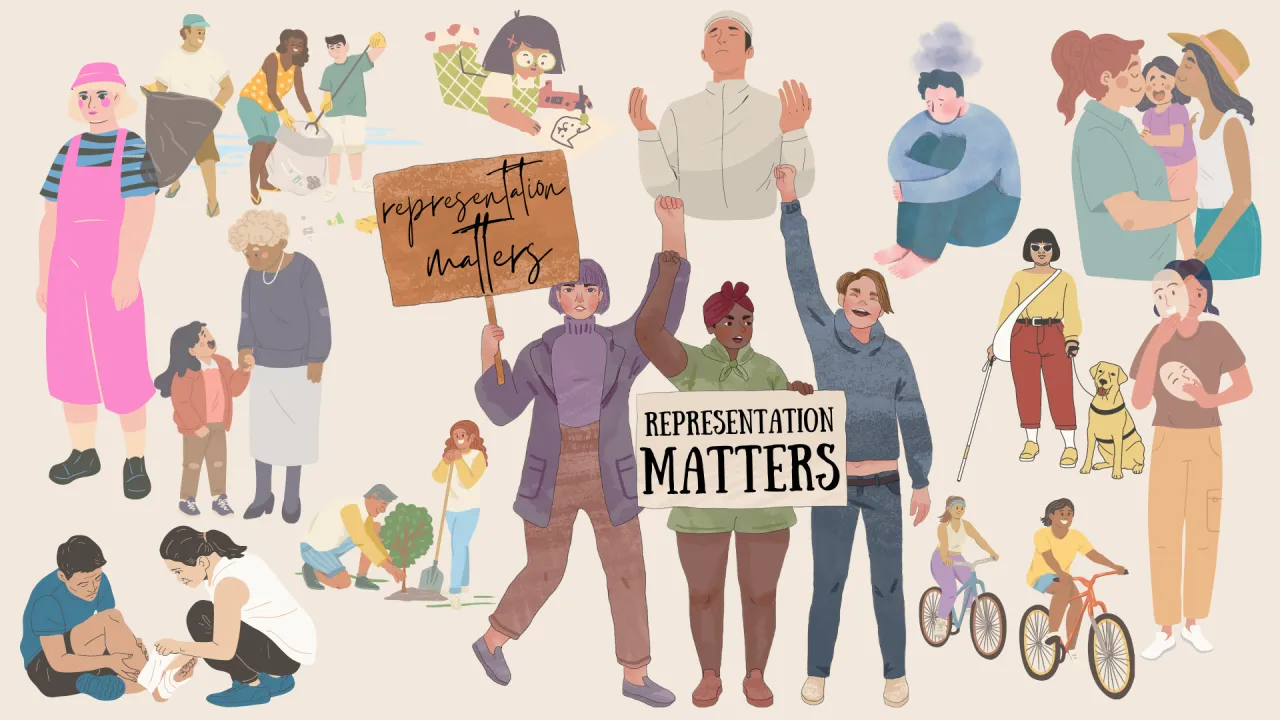
Leadership in the creative industries is about more than having a career; it is about having cultural power. Creative leaders pick the scripts to be made into films, pick the fashion trends to be shown, and feature the faces on the cover of magazines.
1. Authentic
The presence of women in leadership alters the kind of stories that are conveyed through media such as cinema and books. There is a more complex portrayal of characters, and women who before would simply be love interests or sidekicks are given protagonist roles along with their own objectives and shortcomings. There is a lot that female filmmakers would bring to projects that might be overlooked by their male counterparts, leading to a more genuine storyline that can be more relatable to people, and this impact of female leadership can be seen in these changing stories.
2. Economic Growth
Diversity is good for business. Studies show that companies with a more diverse leadership team make more money. This is even more relevant to the creative industry because the audience is always diverse. For a leadership team to understand the needs of the audience, the said leadership team must resemble the audience. When women are included in the decision-making process of companies, it makes the said companies avoids making costly mistakes and connect with their woman audience. Women empowerment within the creativity industry increases economic growth and innovation.
3. Changing Workplace Culture
The creative sectors are infamous for their long hours, instability, and networking. Such a situation fosters toxicity. Women leaders may introduce new styles of managing. These new styles focus on sustainability and mental well-being. When women are positioned in the C-suite (positions like CEOs, COOs, and Chief Creative Officers), there are better chances that they create policies on work-life balance in the organization. Such policies are beneficial and do not target women specifically. Women empowerment in creativity creates healthy work environments.
Barriers to Leadership

Also Read: Intersectionality And Inclusion: The Expanding Role Of Women In Creative Industries
The ‘Boys’ Club’ Ment
The creative industries are big on networking. Jobs are often applied for by recommendation, as opposed to going up for grabs. Men have traditionally hired other men they know or identify with. There’s this “boys’ club” phenomenon that leaves women out of the networking opportunities, like after-hour gatherings, where the crucial connections are made. A woman, after all, cannot apply for something she’s not invited to talk about at the table where the deal is placed. There’s little women’s presence off-camera in the media.
The Motherhood Penalty
The associated job of the creative industries, as in the gig economy, with freelancing contracts, irregular working hours, and working late nights on a shooting set or in a recording studio, conflicts with the conventional role of caregiving. The social premise of raising the next generation rests with the woman of the household to this day. A skilled woman’s progress in their career accelerates as they approach the peak age to assume leadership positions, yet, without the support system in place, many are forced to retreat in the midst of their advancing careers just as they are reaching the peak of their lifecycle to assume leadership positions in society. The problem of women in leadership in the creative industries persists in the real world today.
Confidence and Risk Perception
There also exists a bias related to “creative genius.” The “creative genius” who is also a “difficult director” has, historically, been a man. A financial stake in a young, unproven male director or designer may be a bigger risk for a producer, who will refer to him as a “visionary.” For women, however, a record of achievement, rather than potential, matters more. “Women have to demonstrate their competence again and again, while men simply have to demonstrate their potential.” Women empowerment for creativity gets affected because of such biases.
Progress and the Path Forward
Despite all these hurdles, there is a shift in the environment. There has been an immense movement toward gender equity in the last ten years, due to the #MeToo movement and #Time’s Up movement in Hollywood. These forces made the industry examine itself in the mirror and realize that the absence of women in senior roles had led to an environment in which sexual harassment could flourish. Recommendations are being put into effect regarding increasing women’s representation in creative fields.
Mentoring and Sponsor
“Mentoring” is a very powerful method for making a difference in this area and should be a big focus for every business leader that reads this article. Successful women in creative industries are, increasingly, mentoring younger women to bring them along in their success. There are also formal mentoring initiatives, where young women are brought together with experienced women in executive positions who can mentor them. Much more important, however, is “sponsorship,” where a woman can be championed for a promotion by a leader who is not in the same room.
Policy and Funding
At the same time, there is an observable change at the structural level. Some film festivals and awards organizations have introduced quotas or targets with regard to ensuring that women are adequately represented in the nominees or producers of the films they support. Media companies are launching various programs to identify and develop women directors and scriptwriters. Advertising companies have been experiencing pressure from clients with regard to the composition of the creative groups. Some brands have been demanding that the respective advertising agencies resemble the modern world. This is compelling the agencies to fill their creative groups with more women in order to sustain the business.
Redefining
Finally, the way the ideal leader looks has been broadened. The traditional concept of the pushy, lone creative director is, to some extent, being replaced by a more cooperative method. Women are demonstrating that, alternatively, empathy, communication, and collaboration are important instruments of creativity. Just how this female style of leadership changes the way the creative organization operates can be seen from the above cultural shift.
Conclusion
The current position of women in leadership in creative fields can still be described as in-progress. Though the glass ceiling has broken, it has not yet shattered. Reaching equality would need more than just having women in entry-level jobs, and it would require that emphasis be placed on shattering the obstacles that stand in their way in their pursuit of attaining leadership. The role of women in behind-the-scenes capacities in media remains crucial for reality in storytelling. The plight of women leaders in creative industries would be resolved through changes in policy in order to enhance women’s presence in creative fields.
Women’s leadership in the creative industries has ripple effects that extend way beyond the corporation, into the world at large. It shifts the culture we consume and the way we see the world and ourselves within it. By empowering women and girls in the creative industries, we are doing more than making them fairer; we are making them more colorful, more lucrative, and more representative of the world around us and the world within us – and we are realizing a brighter future of what the world of creativity has yet to hold.


