



Intersectionality And Inclusion: The Expanding Role Of Women In Creative Industries

It follows that, in the last few years, there is a noticeable increase in the ratio of women in creative industries. Women’s participation in creative and design roles nearly doubled in 2025 compared to the previous year, buoyed by the rapid adoption of digital-first careers in graphic design, content creation, and visual communication. However, despite such a promising trend, the statistics uncover a more complicated reality.
Key Statistics on Women in Leadership and Pay Gap
Currently, women hold only about 33 percent of leadership positions in creative industries globally, while at senior levels, this number drops to just 25 percent. Further, the median gender pay gap in creative fields remains at approximately 20 percent, meaning women consistently make less than their male counterparts for comparable work. Diversity within creative fields continues to pose an issue as many women experience intersectional barriers to women in the arts and culture, noticeably those coming from marginalized backgrounds. Inclusive policies for women in creative sectors are needed to tackle these disparities.
These numbers tell only part of the story. The real challenge is understanding how different identities, including race, class, sexuality, and ability, intersect with gender to form unique and at times compounded barriers for women in creative spaces. How the role of women in creative industries is shaped by intersectionality is reflected in the continuous underrepresentation of women of color and other marginalized groups. Diversity in creative fields is not about the number; it’s about creating environments where all women can thrive.
The Power of Intersectionality
Also Read: Women Leaders And The Transformation Of Organizational Culture In Arts Organizations
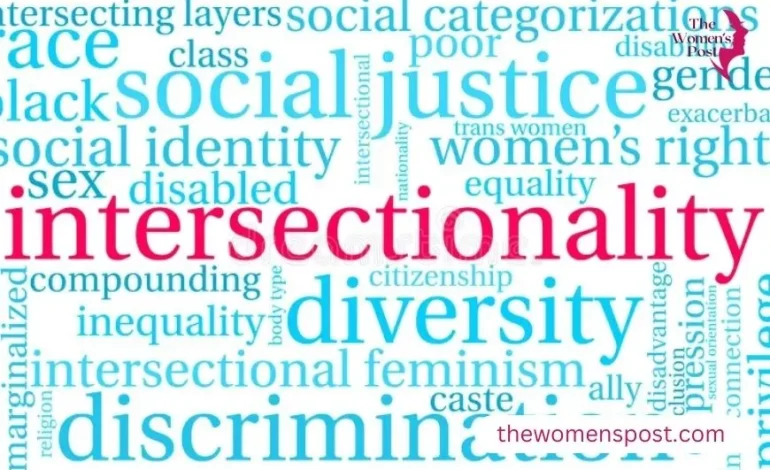
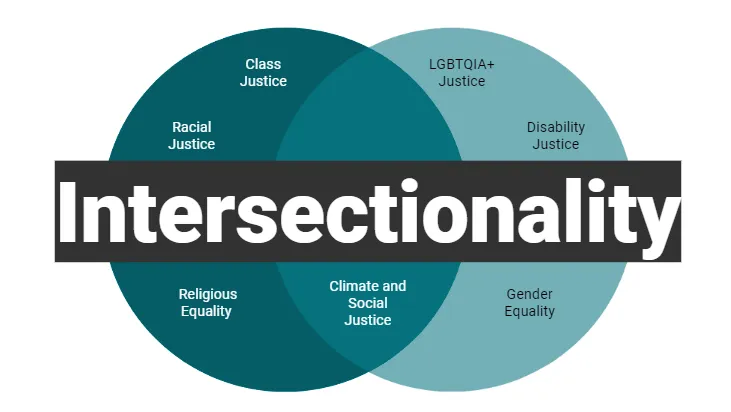
Intersectionality is a framework that recognizes that not all women experience discrimination or opportunity in the same ways. A woman of color who works as a filmmaker experiences different challenges than does a white woman in the same position. A working-class woman studying graphic design faces different obstacles than one from a privileged background. These intersecting identities create what researchers refer to as intersecting systems of advantage and disadvantage. How intersectionality shapes women’s roles within creative industries is reflected in the ways these systems impact access, opportunity, and career advancement. Creative fields benefit from increased diversity when these intersectional challenges for women in media and design are recognized and responded to.
Intersectionality Statistics in Creative Leadership
Intersectionality is evident in creative industries. In the creative industry, 7 percent of executive roles are occupied by women of color. Less than 5 percent of the leadership positions in creative leadership are held by Indigenous peoples. Only 8 percent of all creative roles are taken on by disabled individuals. These numbers illustrate that while diversity may be celebrated in the messaging of creative industries, influence and power remain highly concentrated among a narrow demographic. The development of inclusive women’s policies in creative sectors needs to take into consideration intersectional barriers to women’s progress in arts and culture-to make sure support will be provided in a relevant and effective way.
Breaking Down the Barriers
The Digital Divide
One of the key barriers is the digital divide. Across the world, 250 million fewer women than men use the internet. This gap becomes particularly problematic during times of disruption, such as the COVID-19 pandemic, which forced creative work into digital spaces. Without equal access to digital tools-from sound-mixing software to online platforms for distribution-women, especially those from marginalized communities, fall behind in their industries. Diversity in creative fields is undermined by these persistent barriers, and inclusive policies for women in creative sectors are key to bridging the gap.
Financial Access Challenges
Another critical barrier is financial access. Women entrepreneurs in creative industries have faced immense hindrances in accessing finance and capital. Indeed, women-led creative ventures report difficulty in accessing finance at significantly higher rates than male-led businesses, with 62 percent of women-led creative enterprises reporting difficulties in securing investor conversations compared with 48 percent of men-led businesses. This financial gap clearly restricts women’s ability to start projects, scale businesses, and find a place as independent creators. The way in which intersectionality shapes women’s roles within creative industries is well-illustrated by how financial barriers are layered against other forms of marginalization.
Mentorship and Networking Gaps
Mentorship and networking opportunities are also important. About 60 percent of creative professionals from underrepresented communities report lacking mentorship opportunities, which mean fewer emerging artists and creators get the guidance they need from those who have experienced similar intersectional barriers in their careers. Without these vital networks, it is much more difficult for women, especially underrepresented ones, to understand how industries work, gain opportunities, and establish professional contacts; this sets them back in advancing their careers. Inclusive policies regarding women in creative sectors will also have to incorporate strong mentorship programs to tackle intersectional challenges for women in the arts and culture.
The Human Cost
Also Read: The Intersection Of Gender And Identity Within Modern Art Movements
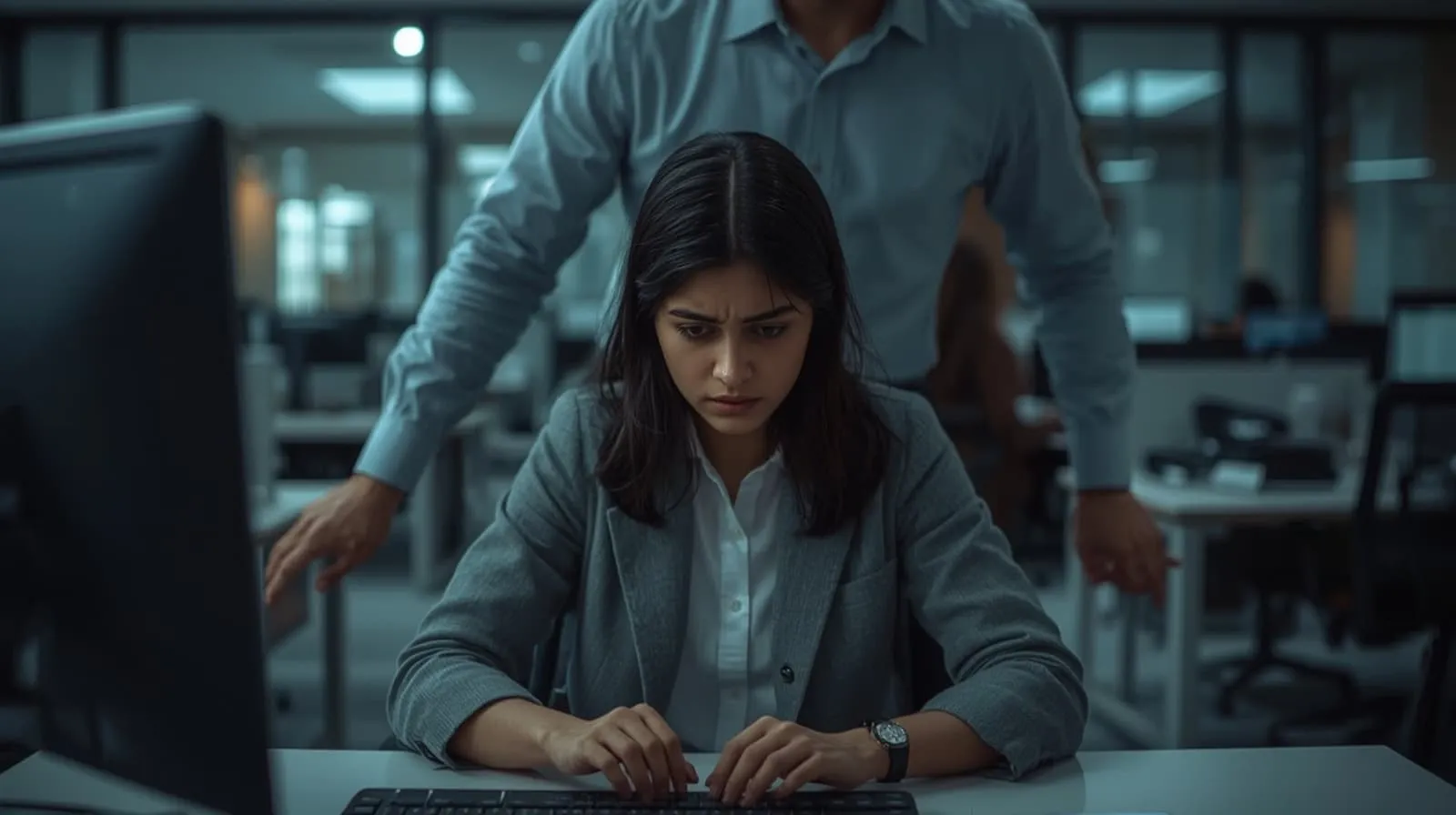
The actual effect of these barriers is reflected in retention rates. Recent data indicates that in the past two years, 120,000 women have left the creative industries. Additionally, 23 percent of women working in creative industries experience workplace harassment. These statistics indicate a large number of women enter and then leave creative fields due to unsustainable working conditions, along with low pay, a lack of opportunities for advancement, and hostile work environments. If women leave the industry, diversity in creative fields is compromised, and inclusive policies for women in the creative sector are critical for retention.
Case Study: The Animation Industry Drop-Off
This is evident in the animation industry: whereas 60 percent of animation students in both the United States and Europe are women, fully 34 percent of professional roles are held by women, suggesting a dramatic drop-off as women move from education into professional practice. This pattern repeats across creative sectors, suggesting systemic problems rather than a pipeline problem. How intersectionality shapes women’s roles in creative industries is well-illustrated by the way intersectional challenges for women in media and design lead to attrition.
Progress and Innovation
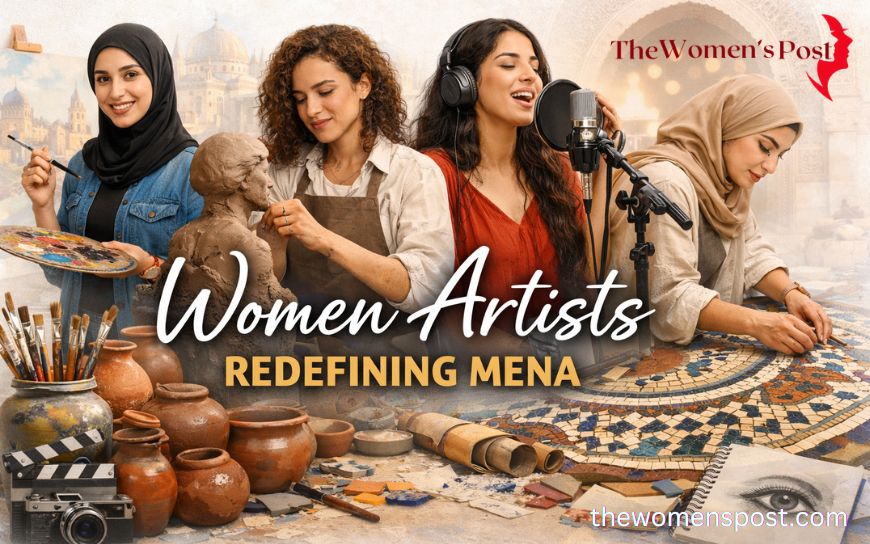
Yet, despite these challenges, women are making a difference. Artists of all genres create work around intersectional issues. In India, from Ela Menon to Madhvi Parekh to Mithu Sen, several artists have used visual narration to talk about female identity, domesticity, and the intermeshing of caste, class, and gender. Today, feminist art has moved toward embracing the concept of intersectionality into its fold as voices of women across different racial and cultural backgrounds and socio-economic strata have been integrated. Artists supported to address the issue of intersectional barriers for women in the arts and culture foster diversity in the creative fields.
Positive Trends Across Creative Sectors
The film industry has also seen growth. The number of women directors in mainstream cinema has grown by 22 percent over the last ten years, and LGBTQ+ representation in creative advertising has increased twofold from 2018 to 2023. The growth of women-owned creative agencies increased by 30 percent in the past five years alone. These increases indicate that change can come about when intentional efforts are made. Inclusive policies for women within creative sectors drive this progress forward, with how intersectionality shapes women’s roles in creative industries reflected in these positive trends.
Building Truly Inclusive Creative Industries
Creating genuine inclusion in creative industries requires moving beyond surface-level diversity initiatives. Industry leaders underline the importance of representation in decision-making positions. When women and marginalized individuals are at the head of an organization, they shape the stories told, the visuals created, and the narrative that goes out. The organizations that intentionally build multidisciplinary and diverse teams create environments where women have equal opportunities to obtain senior positions. Diversity in creative fields is strengthened by the implementation of inclusive policies concerning women in creative sectors and addressing the intersectional challenges for women in media and design.
Investment in mentorship programs, especially for women coming from underrepresented backgrounds, can help bridge the gap between education and professional opportunity. For the digital divide, addressing it through targeted support will ensure that all women have the tools needed for creative work. This calls for pay structures that are transparent and work policies accommodating of work-life balance to help retain talented women who would otherwise leave the industry. Inclusive policies for women in creative sectors are necessary to ensure the creation of an environment that minimizes intersectional barriers for women in the arts and culture.
Looking Ahead
The growing role of women in creative industries is at once a story of progress and unfinished business. While more women are joining the creative ranks than ever before, the reality of intersectional barriers makes such growth unevenly distributed. True inclusion requires an understanding that women’s experiences vary according to multiple identities and devising solutions that attend to just these particular challenges. Diversity in creative fields is not a statistic but an investment in an environment where all women can flourish.
The creative industries have the power to shape culture and inspire change. When these spaces are genuinely welcoming of women from all backgrounds-when intersectionality is not just spoken of, but actually represented through policy, funding, mentorship, and leadership representation-the industry itself becomes more innovative, representative, and reflective of the diverse world it seeks to portray. The growing involvement of women in the creative industries is not a matter of simple fairness but of prime relevance to the development of that diverse, vibrant, and really representative creative culture which society needs. How intersectionality shapes women’s roles within the creative industry is at the core of such vision, and it is on the inclusive policies for women in creative sectors that lasting change will rely.


