






Factors That Influence Women Participation In The Technology Industry In Various Continents
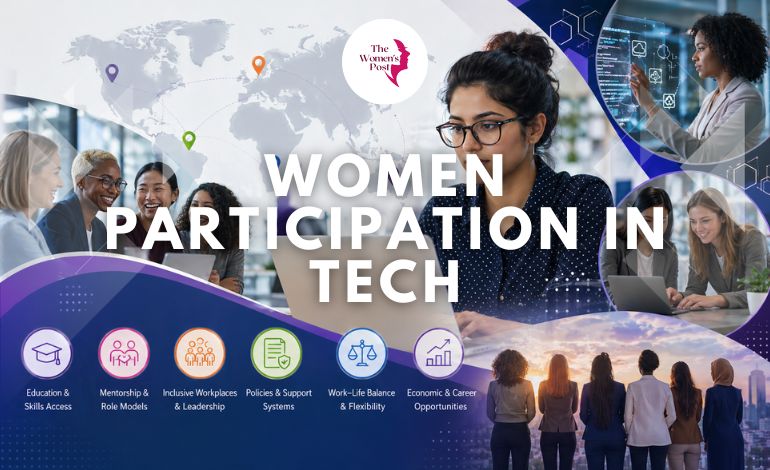

In recent years, the technology sector has expanded worldwide at an unprecedented rate. However, despite the rapid growth of the sector, the problem of gender inequality persists. Why women are underrepresented in tech industries globally is highly associated with the Policy impact on women in tech and other aspects like culture differences across various regions. Although some progress has been achieved so far, the degree of women’s participation in the sector varies from one continent to another. This is mainly due to various factors that influence female involvement in tech.
These include How cultural factors affect women in tech careers worldwide and the Policy impact on women in tech. In other words, cultural factors play a significant role in determining the extent to which a certain region has high gender inequality in the technology industry.
The Situation Worldwide
Globally, the number of women in technical professions such as software development, engineering, and artificial intelligence remains significantly low. However, the situation is not the same everywhere. Some countries have created supportive environments that encourage women to enter and stay in the tech industry, while others struggle due to social and structural barriers. These differences highlight the challenges and opportunities for women in tech across different continents.

Key Factors Influencing the Gap
The gap is influenced by two main forces:
- Cultural factors, such as beliefs, traditions, and gender roles
- Policy factors, including laws, education systems, and workplace regulations, showing the strong Policy impact on women in tech
Also Read: Regional Case Studies: Higher Number Of Women Involved In STEM Research
Cultural Factors Shaping Women’s Participation
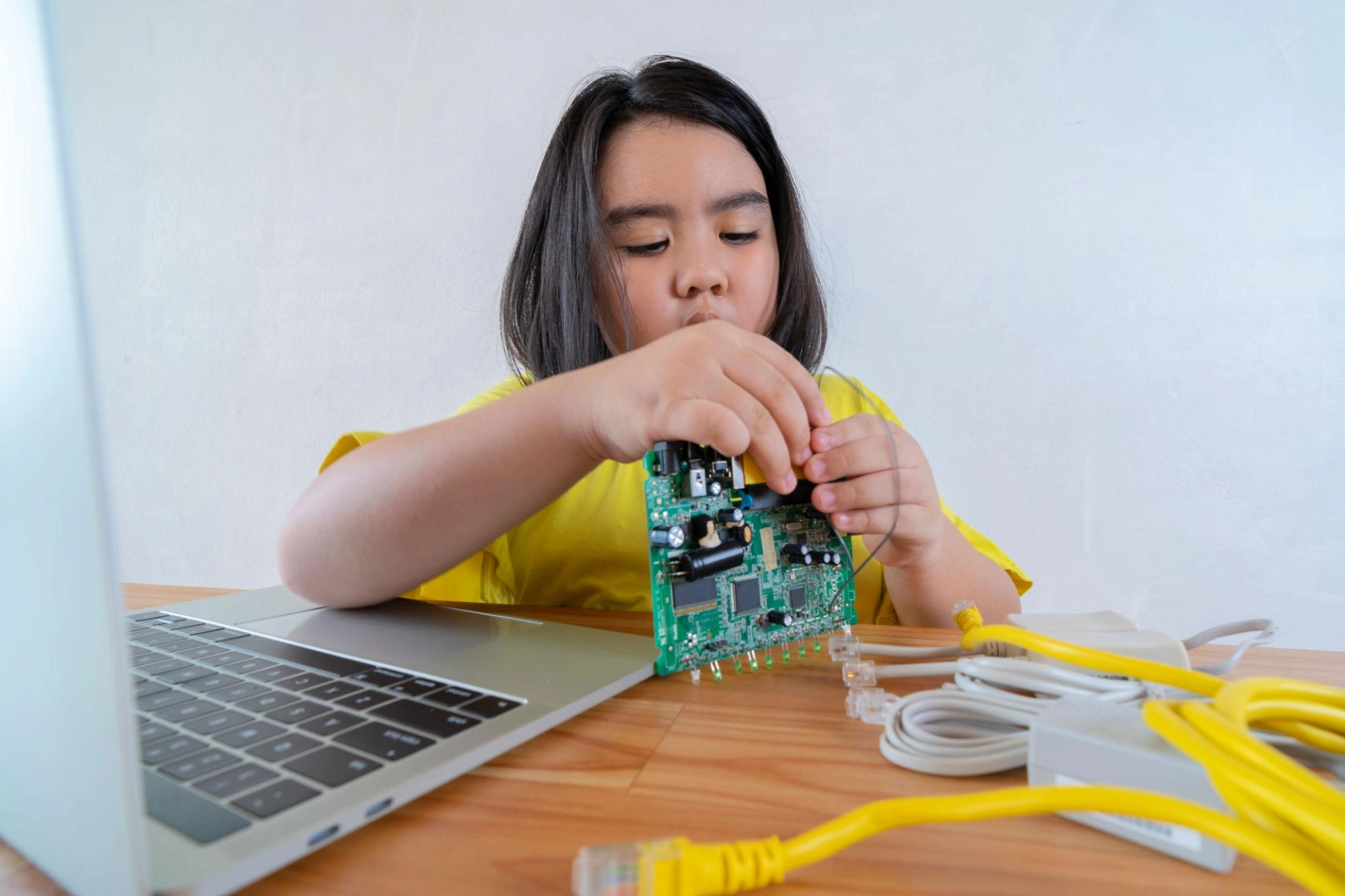
In many regions, traditional gender roles still influence career choices. Technology is often seen as a “male-dominated” field, which can discourage girls from pursuing STEM (Science, Technology, Engineering, and Mathematics) education from an early age.
- Boys may be encouraged to explore computers and coding
- Girls may be guided toward non-technical careers
These early influences can shape confidence and interest, leading to fewer women entering tech fields later in life, which explains why women are underrepresented in tech industries worldwide.
Family Expectations and Responsibilities
In some cultures, women are expected to prioritize family responsibilities over careers. This can limit their ability to:
- Pursue higher education in technology
- Work long hours in demanding tech roles
- Relocate for better job opportunities
As a result, even highly skilled women may leave the workforce or avoid entering it altogether. This also reflects how cultural factors affect women in tech careers worldwide.
Representation and Role Models
The presence (or absence) of female role models also plays a big role. In regions where women leaders in tech are visible, young girls are more likely to believe that they can succeed in similar roles.
On the other hand, lack of representation can create a cycle where fewer women join, and therefore fewer role models exist, reinforcing Why women are underrepresented in tech industries worldwide.
Policy Factors That Encourage Women in Tech
While culture plays a strong role, government policies and institutional support can make a significant difference. The Policy impact on women in tech becomes very clear in regions that invest in equality.
Education Policies and STEM Access
Countries that invest in equal education opportunities tend to see higher female participation in tech. Programs that:
- Encourage girls to study STEM subjects
- Provide scholarships and training
- Promote digital literacy
help reduce the gender gap from an early stage and highlight the positive Policy impact on women in tech.

Workplace Policies and Inclusion
Policies that support work-life balance and fairness are essential for retaining women in tech. These include:
- Paid parental leave
- Flexible working hours
- Anti-discrimination laws
- Equal pay regulations
Such policies create a safer and more supportive environment for women to grow professionally, clearly showing the Policy impact on women in tech.
Also Read: Cloud Computing, Cybersecurity, And AI Ethics: The Emerging Fields For Women
Regions with Higher Gender Parity
Countries like Sweden, Norway, and Finland are often seen as global leaders in gender equality.
- Generous parental leave for both men and women
- Affordable childcare systems
- Equal pay and anti-discrimination laws
Because of these policies, women can balance work and family responsibilities more effectively. As a result, more women enter and remain in tech careers, demonstrating the strong Policy impact on women in tech.
Culturally, these countries also promote equality from a young age, reducing stereotypes about gender roles.
Latin America: Growing Through Education Initiatives
In parts of Latin America, countries like Brazil and Mexico have made progress through education-focused initiatives.
- Coding bootcamps for women
- Government-supported STEM programs
- Community-based tech training
These initiatives have helped increase awareness and access, especially for women from underrepresented backgrounds. They also represent effective strategies to improve female participation in the global tech industry.
While challenges still exist, the region shows how targeted education policies can improve participation and reflect the Policy impact on women in tech.
Regions Facing Greater Challenges
In regions like South Asia, including India and Pakistan, women face a mix of cultural and structural challenges.
- Strong traditional gender roles
- Safety concerns and mobility issues
- Limited access to quality education in rural areas

Even when women receive education, they may face difficulties entering or staying in the workforce due to family expectations. This highlights both challenges and opportunities for women in tech across different continents and how cultural factors affect women in tech careers worldwide.
However, urban areas are seeing gradual change, with more women joining startups and tech companies.
Also Read: Economic Implications Of Advancement Of Women In The Technology Sector (2026 Outlook)
Africa: Infrastructure and Opportunity Gaps
In many parts of Africa, the issue is not just cultural but also structural.
- Limited access to internet and technology
- Fewer educational resources
- Economic constraints
Despite these barriers, there are inspiring efforts in countries like Nigeria and Kenya, where tech hubs and training programs are helping women enter the digital economy. These efforts reflect emerging Strategies to improve female participation in the global tech industry.
The Role of Stereotypes Across Regions
One common challenge across continents is the persistence of stereotypes. The belief that men are more suited for technical roles continues to influence:
- Hiring decisions
- Workplace culture
- Self-confidence among women
Breaking these stereotypes requires both cultural change and strong policy support, further emphasizing the Policy impact on women in tech.
How Policies and Culture Work Together
Policies alone are not enough if cultural attitudes remain unchanged. Similarly, cultural progress needs support from laws and systems to create lasting impact.
Real-World Examples
- A country may offer equal education, but cultural pressure may still discourage women
- A supportive culture may exist, but lack of policies can limit opportunities
The Ideal Balance
The most successful regions combine both:
- Progressive cultural values
- Strong government and workplace policies
This balance defines the real Policy impact on women in tech globally.
Moving Forward: Creating a Balanced Future
To improve women’s participation in tech globally, several steps are important:
- Encouraging girls to explore STEM from an early age
- Promoting female role models in technology
- Implementing inclusive workplace policies
- Expanding access to education and digital tools
- Challenging stereotypes through awareness and media
These actions are essential strategies to improve female participation in the global tech industry.
Collaboration between governments, organizations, and communities is key to making these changes effective.
Conclusion
The participation of women in technology varies greatly across continents due to a mix of cultural and policy factors. Regions like the Nordic countries show how strong policies and supportive cultures can lead to higher gender equality. Meanwhile, areas such as South Asia and parts of Africa highlight the challenges that still need to be addressed.
Improving this situation requires a balanced approach that tackles both cultural beliefs and policy gaps. Understanding Why women are underrepresented in tech industries worldwide and applying effective Strategies to improve female participation in the global tech industry can create lasting change. With the right efforts, the global tech industry can become more inclusive, diverse, and innovative—benefiting not just women, but society as a whole.