






Foot Pain In Certain Populations: Runners, Diabetics, Or Standing For Extended Periods

Foot pain is widespread, but some populations suffer more from it due to the way they use their feet regularly. The main concerns that affect runners, diabetics, and standing individuals require specific attention to relieve foot pain. The causes of foot pain and ways to deal with them are critical to ensuring proper foot functioning and maintaining a healthy lifestyle.
Foot Pain in Runners
Running puts constant pressure on the feet through continuous movements. Such an active lifestyle can cause various problems, such as plantar fasciitis that causes intense heel pain. The thick band of tissue under the foot gets inflamed from overuse, tight calf muscles, or sudden increases in training. Other problems include stress fractures from too much pounding, Achilles tendon pain, and soreness in the ball of the foot.
Runners often feel this pain because of improper shoes, running on hard surfaces, or pushing distance too quickly without enough rest. Poor foot mechanics, such as flat feet or high arches, can add extra strain.
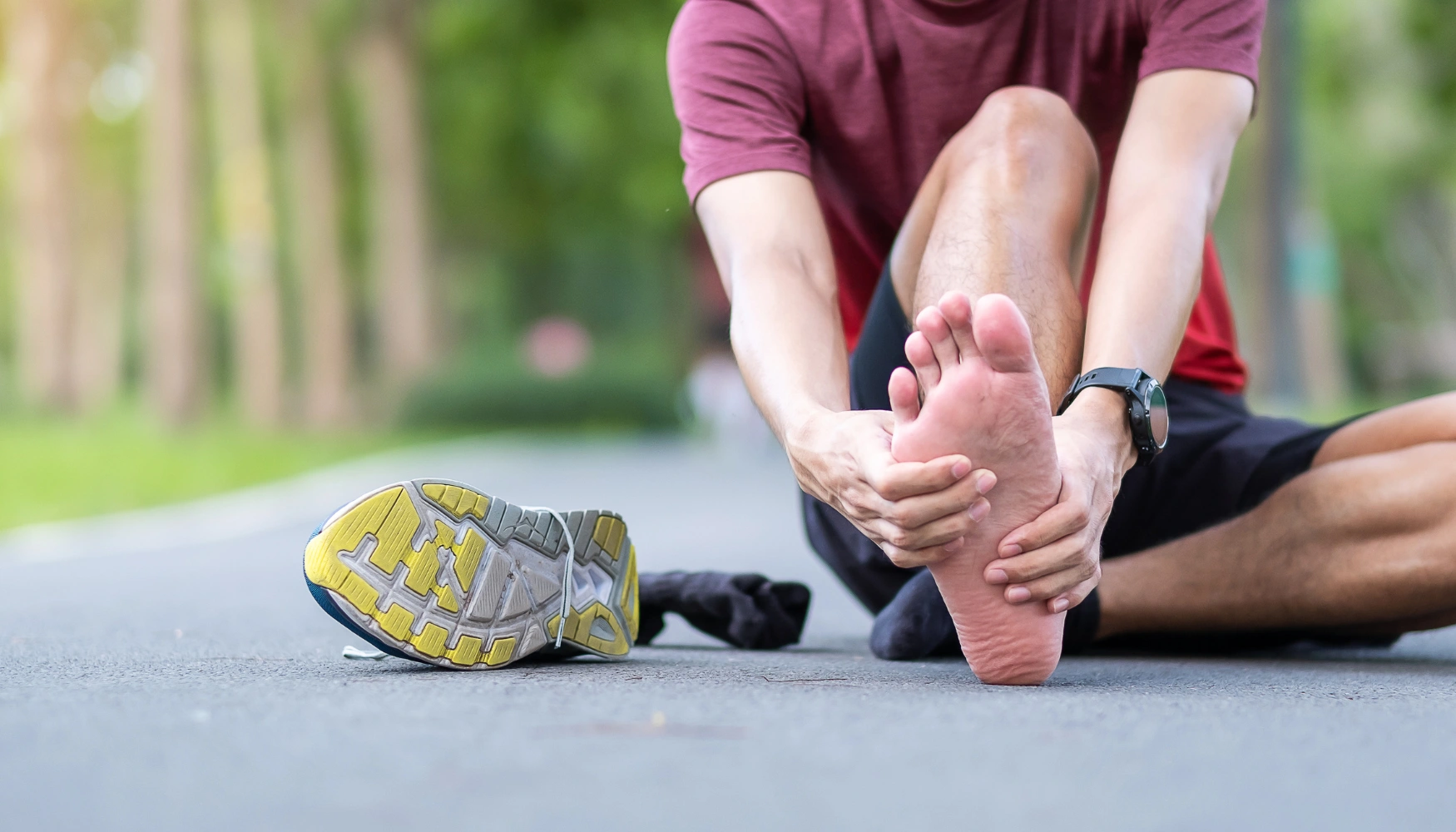
For relief and prevention, extra cushioning helps a lot. Choose running shoes with good arch support and shock absorption that fit well—replace them every 300 to 500 miles. Stretching the calves and plantar fascia before and after runs keeps tissues flexible. Simple exercises like towel scrunches with the toes or rolling a frozen water bottle under the foot can ease tightness. Plantar fasciitis treatment for runners often includes these same steps along with proper rest.
Also Read: Health Implications Of Gender Based Violence
Rest when pain starts, use ice for swelling, and slowly build back mileage. Many runners benefit from custom orthotics or insoles for better support. Cross-training with low-impact activities like swimming or cycling gives feet a break while staying active. Listening to the body and avoiding sudden jumps in training prevents most issues. Effective foot pain treatment focuses on these preventive measures for active individuals.
Foot Pain in People with Diabetes
Diabetes can damage nerves over time, leading to diabetic neuropathy. High blood sugar affects nerves in the feet first, causing tingling, burning, or sharp pain. In some cases, it leads to numbness, so small injuries go unnoticed. Poor blood flow makes healing slower, raising the risk of ulcers or infections that can become serious.
People with diabetes may not feel cuts, blisters, or pressure from tight shoes. This loss of sensation turns minor problems into major ones if ignored.
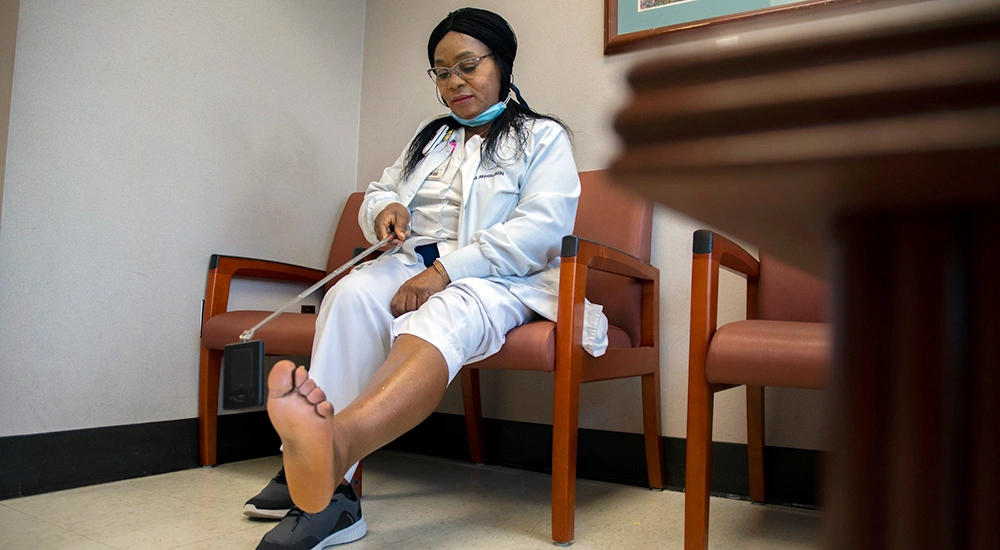
Daily foot inspections are the most important step. Check feet every day—use a mirror for the bottoms and between toes—for cuts, redness, swelling, blisters, or changes in skin color. Wash feet gently with warm (not hot) water and mild soap, then dry thoroughly, especially between toes. Apply moisturizer to dry skin but skip between the toes to avoid moisture buildup.
Also Read: Unique Problem-Solving Approach By Women In FemTech And Women’s Health Startups
Wear well-fitting shoes and moisture-wicking socks at all times—never go barefoot. Keep blood sugar, blood pressure, and cholesterol under control to slow nerve damage. See a doctor or podiatrist regularly for foot checks. If pain or wounds appear, get help right away rather than waiting. Many find success with how to manage diabetic neuropathy foot pain through consistent daily care and medical guidance.
Foot Pain in People Who Stand All Day
Jobs in retail, teaching, healthcare, or manufacturing require hours of standing in one spot. This causes muscle fatigue, poor circulation, and fluid buildup, leading to aching arches, swollen feet, sore heels, and tight calves. Prolonged standing strains the plantar fascia and can worsen conditions like plantar fasciitis or heel spurs.
Gravity pulls blood downward, and static positions limit natural movement that helps pump fluid back up. Hard floors and unsupportive shoes make things worse.

Anti-fatigue strategies work well here. Wear supportive shoes with good cushioning and arch support—avoid high heels or completely flat shoes. Anti-fatigue mats at work reduce pressure on the feet. Shift weight often, march in place when possible, or take short walking breaks to improve blood flow.
Also Read: Thyroid Nodules: When A Lump On Your Neck Could Be A Sign Of Cancer Threat—And When It’s Not
Stretch calves and feet during the day: stand on tiptoes or do gentle ankle rolls. At home, elevate feet above heart level for 10-15 minutes after work and use ice if swollen. Compression socks can help with circulation. Strengthening foot muscles through simple exercises prevents fatigue over time. Exercises for foot pain caused by prolonged standing can include these calf and ankle movements for better relief. One effective approach is how to relieve foot pain from standing all day by combining supportive footwear with regular breaks and elevation.
General Tips That Help All Groups
No matter the cause, some habits support foot health across the board. Maintain a healthy weight to reduce pressure on feet. Stay hydrated and eat a balanced diet for strong tissues and better healing. Choose proper footwear for the activity—cushioned for runners, supportive for standing jobs, and protective for diabetics.
Stretch regularly and strengthen foot and calf muscles. If pain lasts more than a few days or includes swelling, redness, or open sores, consult a doctor or podiatrist. Early care often avoids bigger issues.
Foot pain treatment can involve rest, ice, and proper support in many cases. Good foot pain treatment also includes choosing the right shoes and doing gentle stretches. Another key part of foot pain treatment is listening to early warning signs from the body. Consistent foot pain treatment helps prevent small issues from becoming chronic. Professional foot pain treatment may be needed when home steps are not enough. In some situations, advanced foot pain treatment options like orthotics provide long-term comfort. Overall, foot pain treatment works best when tailored to the person’s daily activities.
Foot pain does not have to limit life. With the right attention—extra cushioning for runners, careful daily checks for diabetics, and smart anti-fatigue moves for those on their feet all day—most people find real relief. Small daily habits add up to stronger, happier feet over time.