





Modern Female Calligraphers: Calligraphers With Cultural Background That Integrate It with Contemporary Design
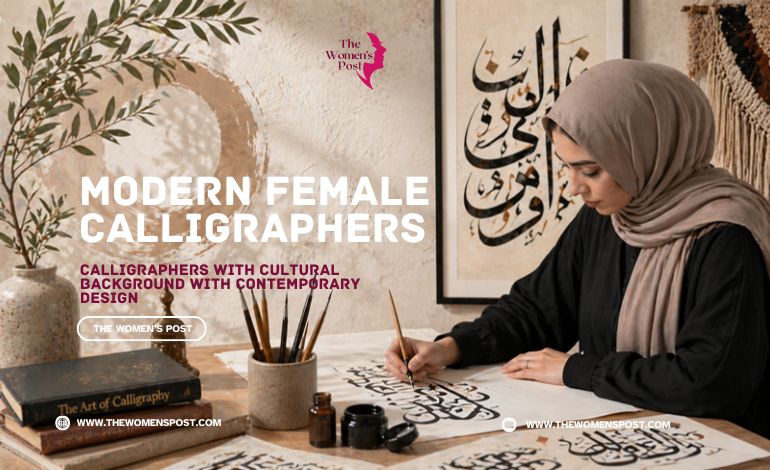

Today, calligraphy is considered a vital and living form of art. One of the key reasons why it continues to flourish is due to the work of female calligraphers. Such artists are innovative, creative, respectful of cultural legacy, and talented designers who integrate their skills. Along with other calligraphy artists, these women do not confine themselves to preserving ancient scripts but are also interested in transforming the art of calligraphy in accordance with modern times.
Integrating the Traditional and Contemporary
Women calligraphers receive traditional education similar to other calligraphy artists. Thus, they gain necessary knowledge about strokes, proper spacing, and the use of special tools from mentors or historical texts. However, these artists also tend to innovate and develop their skills. They mix old scripts with modern typefaces, use bright colors instead of plain ink, and place letters in unexpected layouts. The result is a form of calligraphy that honors tradition but feels new and relevant, reflecting contemporary female calligraphers blending tradition and modern art.
Cultural Fusion in Artworks
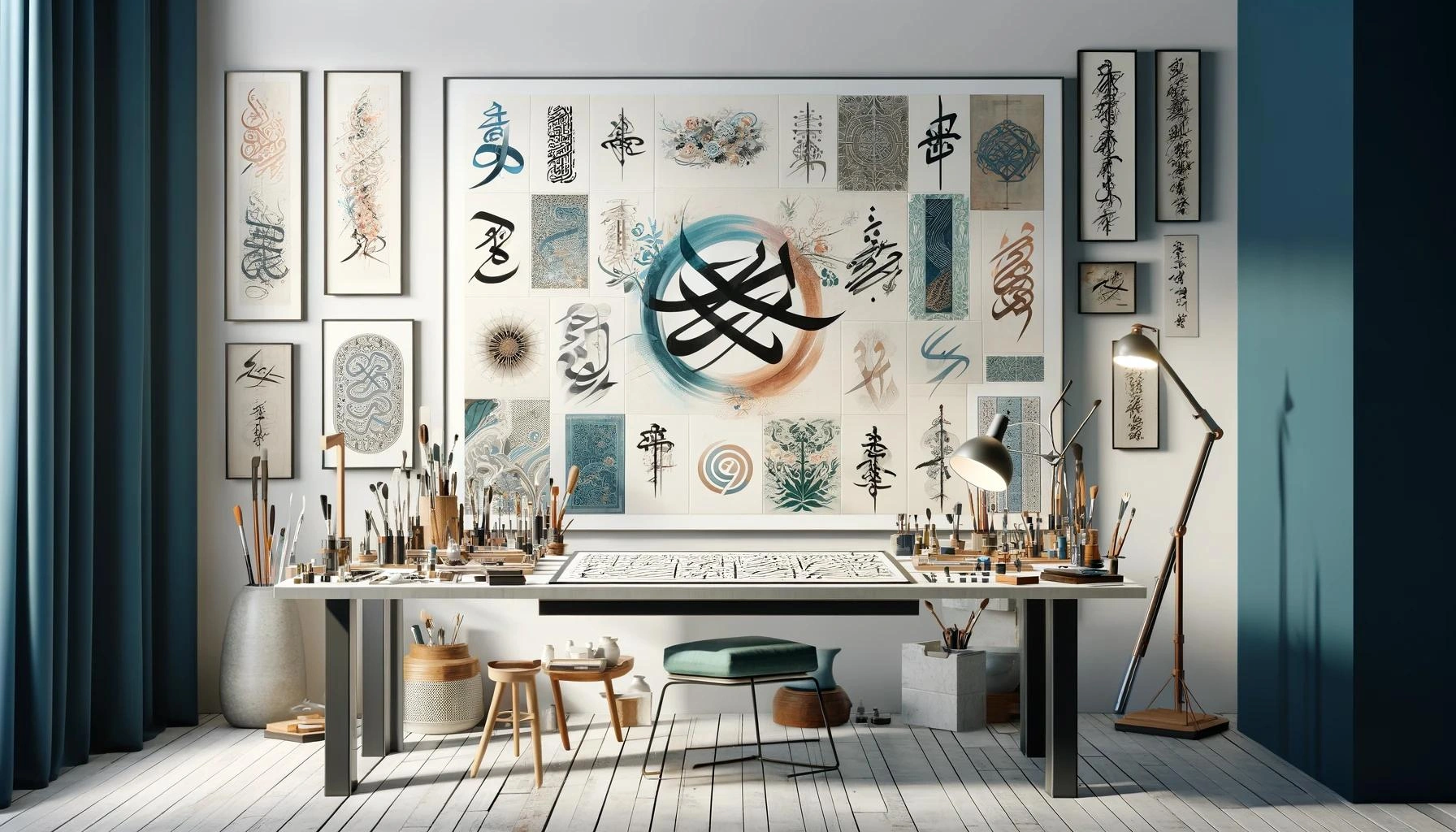
For example, some artists combine classical Eastern scripts with Western design principles. Others take Arabic, Chinese, or Devanagari scripts and integrate them into paintings, installations, or digital art. By doing this, they create works that are visually striking and culturally layered. These pieces attract viewers who care about heritage as well as those who appreciate contemporary art, and are often showcased in exhibitions featuring female calligraphers in modern art galleries.
Exploring Identity and Gender
Female calligraphers often use their work to explore identity, much like many expressive calligraphy artists. They look at what it means to be a woman in a changing world and how language, script, and text reflect that experience.
Social and Cultural Narratives
For many, calligraphy becomes a way to tell personal stories or to highlight social and political themes. Women write about migration, family memory, faith, and the tensions between tradition and modern life. Gender can also shape how these artists are seen and how they work. In some cultures, calligraphy was once a male-dominated practice. Women who enter this field challenge old assumptions.
Inspiring Future Generations
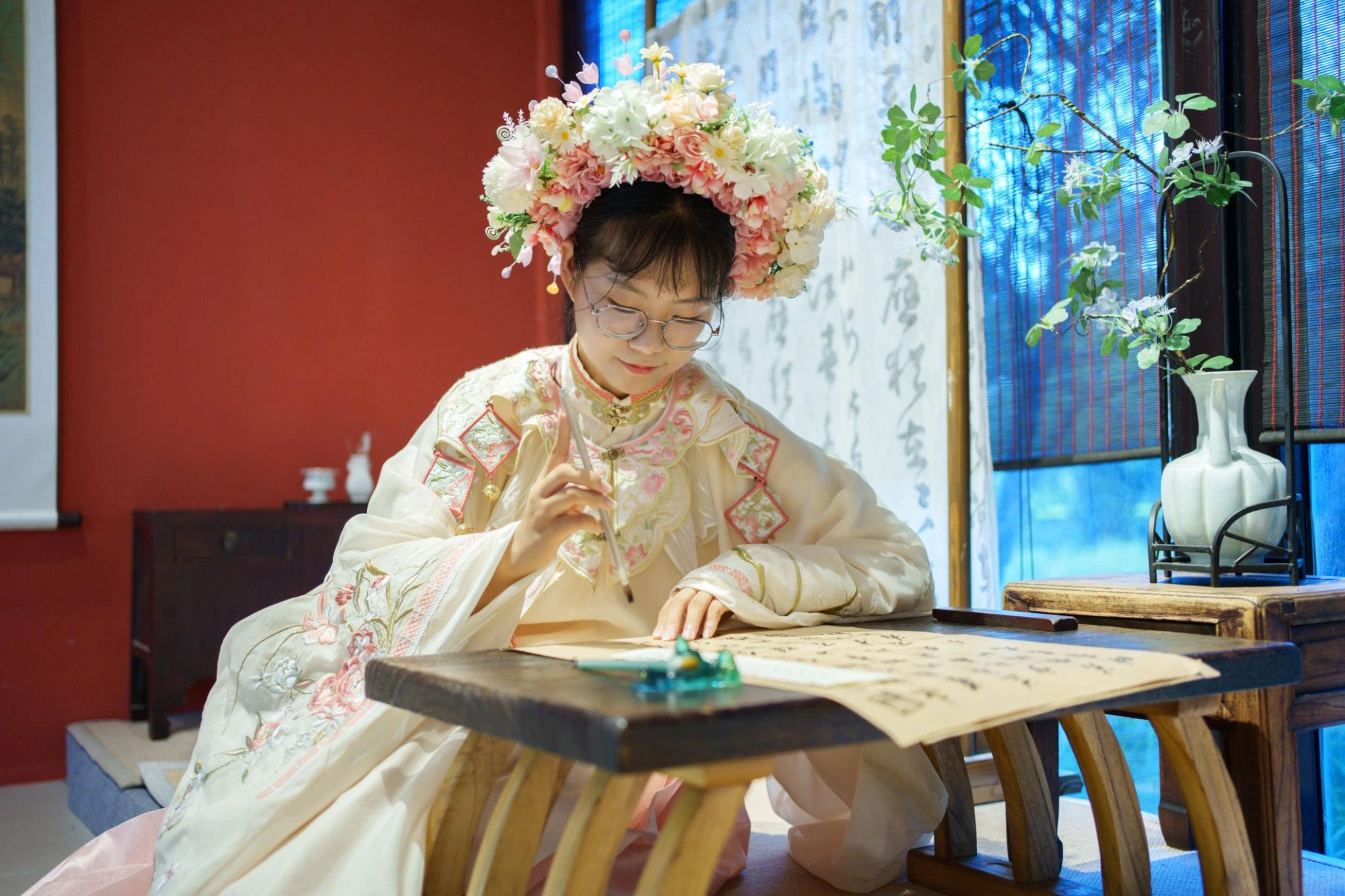
By claiming space in calligraphy, they open new possibilities for expression and representation. Their presence encourages younger artists, especially girls, to study calligraphy and to imagine new futures for the art form, contributing further to the impact of women calligraphers on modern calligraphy trends.
Also Read: Representation Of Gender In Movies And Popular Culture Across The World
Using Mixed Media and Public Spaces
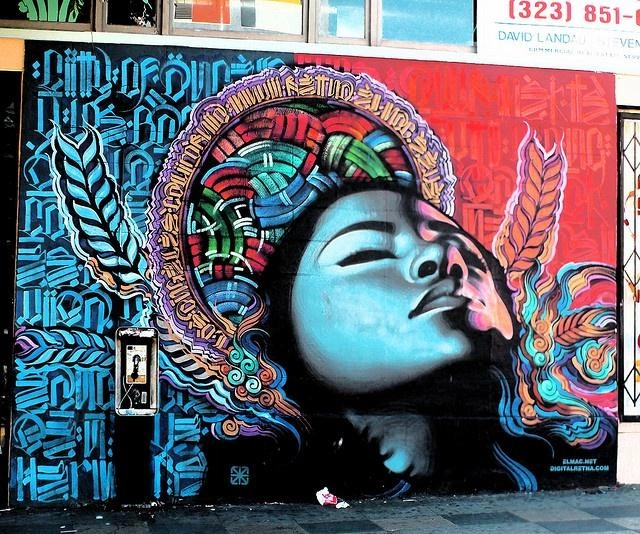
Contemporary female calligraphers often move beyond paper and ink, similar to experimental calligraphy artists. They work in mixed media, adding paint, fabric, metal, or found objects. Some create large murals on city walls. Others design public art that invites people to touch, read, or walk through the work. These public pieces bring calligraphy to new audiences and make language part of shared urban life.
Role of Digital Technology
Digital tools are also changing the field. Many women use software and digital brushes to create animated calligraphy or typefaces inspired by hand-drawn letters. Digital work allows for wider sharing online and for the blending of sound, movement, and text. It also helps artists collaborate across borders and reach global audiences, a topic often discussed in academic research on female calligraphers and modern visual culture.
Also Read: The Impact Of Conflict And Crisis On Women Artists
Preserving Languages and Scripts
Many female calligraphers are active in preserving endangered scripts and local writing styles, just like dedicated calligraphy artists working in cultural preservation. By teaching workshops, writing books, or recording oral histories, they help keep these traditions alive. Their efforts are not only artistic but also educational and cultural.
Community Impact
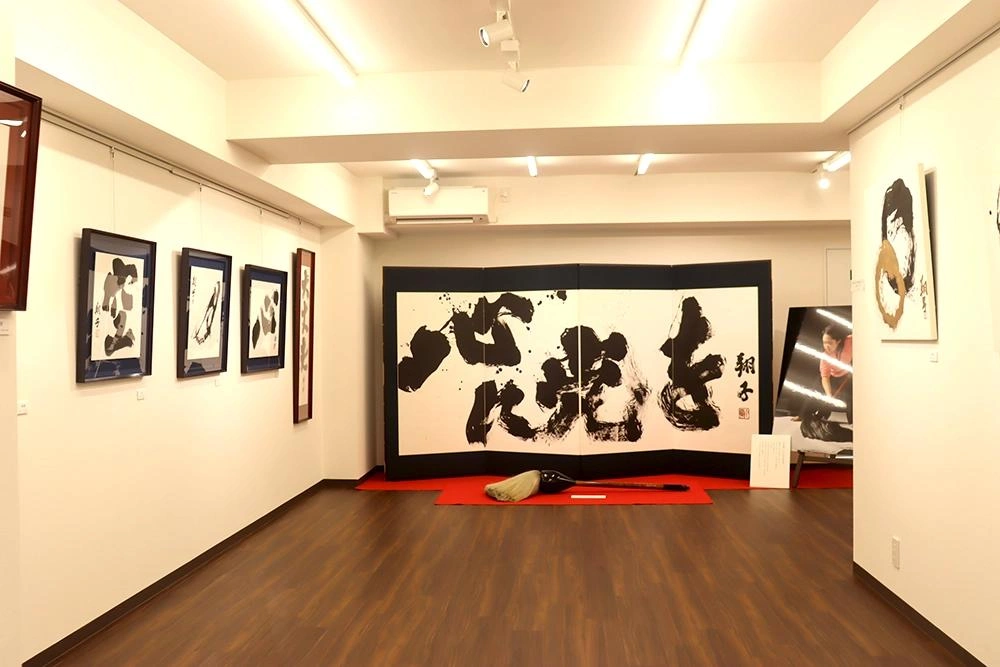
In some communities, calligraphy becomes a tool to teach younger generations about language and history. This preservation work often ties into broader cultural revival movements. Women who lead these efforts show how calligraphy can strengthen community bonds and build pride in local identity. Their projects support language learning, cultural festivals, and museum exhibitions that celebrate written heritage, including exhibitions featuring female calligraphers in modern art galleries.
Collaboration and Community Building
Female calligraphers frequently build strong networks, much like collaborative calligraphy artists across the globe. They form collectives, organize exhibitions, and host public events. These collaborations foster shared learning and mutual support. Through group shows and joint projects, they gain visibility and challenge the idea of solitary genius that once dominated fine art.
Cross-Industry Collaborations
Community-focused work also brings calligraphy into everyday life. Artists teach in schools, run pop-up studios, and collaborate with designers, fashion brands, and filmmakers. These partnerships introduce calligraphic forms to broader markets and encourage creative reuse of traditional scripts in modern products, reinforcing contemporary female calligraphers blending tradition and modern art.
Also Read: Hand-Poked Tattoos: The Ageless Tradition That Women Haven’t Forgiven
Critical Reception and Art Markets
The growing interest in calligraphy by women has changed how collectors and galleries view the medium. Museums are now more likely to include contemporary calligraphy in their programs. International biennales and art fairs showcase calligraphic works alongside painting, sculpture, and new media. Critics, curators, and scholars increasingly recognize the cultural and political layers in these works, often highlighted in academic research on female calligraphers and modern visual culture.
At the same time, the art market responds to public interest. Limited-edition prints, installations, and design collaborations offer new income sources for artists. Still, many female calligraphers and emerging calligraphy artists balance commercial projects with community and research efforts, keeping artistic integrity central to their practice.
Challenges and Future Directions
Despite their successes, female calligraphers face challenges. Some struggle with limited resources, lack of institutional support, or cultural barriers in conservative contexts. Visibility can also be uneven: artists working in major cities may get more attention than those in smaller communities, even among talented calligraphy artists.
Future Trends in Calligraphy
Looking ahead, female calligraphers are likely to continue expanding the field. New generations of women bring different backgrounds, technologies, and concerns. They will explore climate themes, migration, digital identity, and hybrid scripts that mix alphabets and symbols. As they do, calligraphy will keep evolving as a living form that links past and present, further strengthening the impact of women calligraphers on modern calligraphy trends.
Conclusion
Female calligraphers in modern art are both guardians and innovators. They preserve precious traditions while reimagining calligraphy for contemporary life. Through mixed media, public projects, digital work, and community engagement, these artists and influential calligraphy artists open new ways to see language and art. Their work celebrates cultural heritage and also creates space for fresh voices, ensuring that calligraphy remains dynamic, inclusive, and relevant for the future.


