




Representation Of Gender In Movies And Popular Culture Across The World
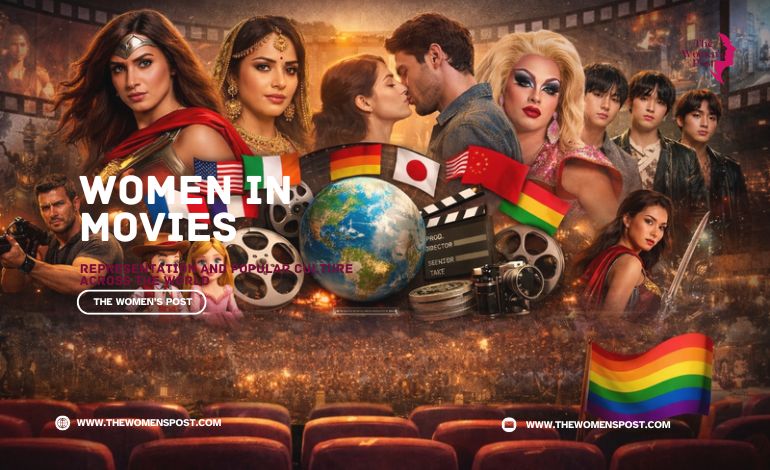

Film and pop culture depict the image of a nation but also affect gender roles among individuals. Media is consumed worldwide by many people in large quantities. In this way, cinema either preserves the same gender roles and stereotypes for longer periods or contributes to their changes and evolution. For instance, looking into the current state of representation in cinema worldwide, Hollywood is still rooted in traditional stereotyping, while Bollywood aims for empowerment of female protagonists and K-dramas try to redefine masculinity. Thus, Gender Equality in Cinema remains the focus of public attention nowadays.
Hollywood’s Traditional Stereotypes and Recent Shifts
For many decades, women were stereotypically portrayed in Hollywood productions. Women could appear only in secondary roles as an object of love, a victim of the main hero’s passion, or as a supporting female character. Male characters played the most active role in the plot and took all important decisions on the screen. However, the situation began to evolve in the last years. In 2024, for the first time ever, out of 100 highest-grossing films, a girl or a woman was a lead or a co-lead in 54 percent of them. population.
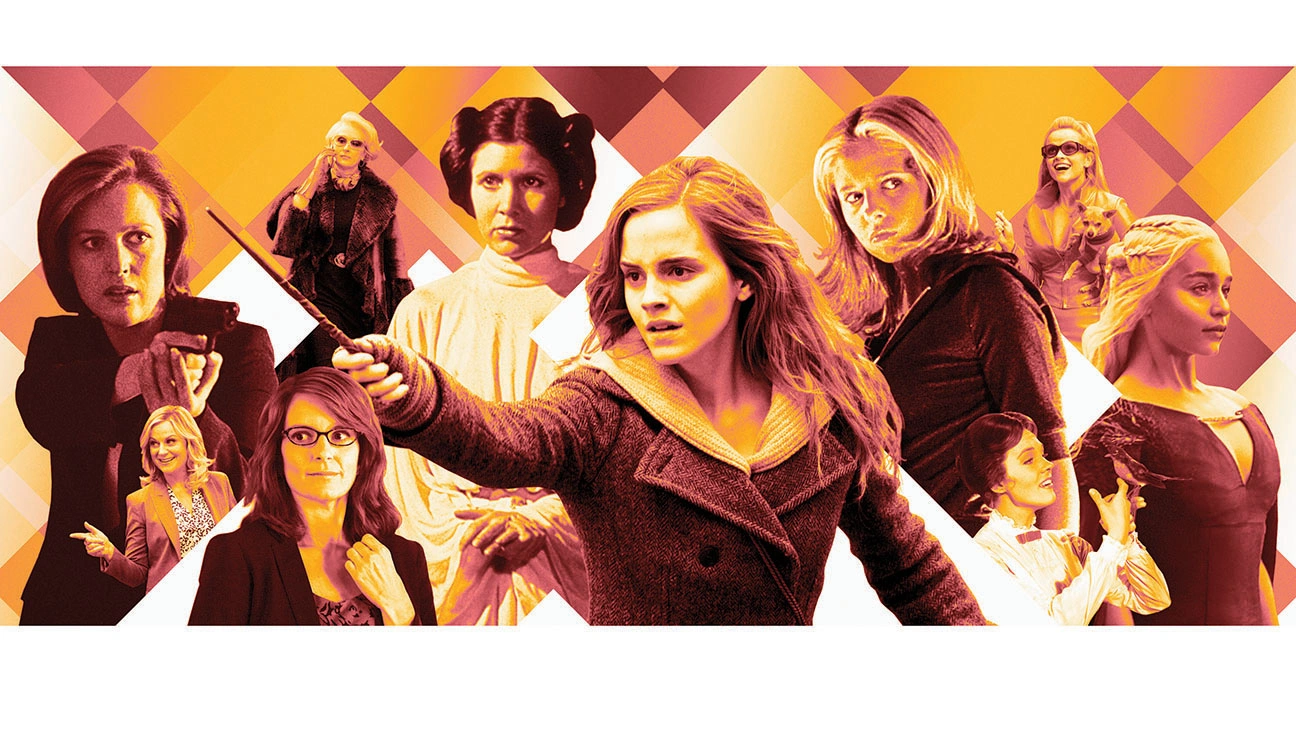
Hits like Inside Out 2 proved that stories centered on females could earn big money. Yet progress proved uneven. In 2025, the share of female leads fell sharply to around 37 to 39 percent. Behind the camera, the picture stayed even more limited. Women made up only 23 percent of key roles such as directors, writers, and producers in the top films.
This situation highlights the Lack of female directors in blockbuster movies. Stereotypes still linger too. Female characters often face questions about their looks or family life more than male ones do. Still, films with complex female leads have started to challenge the old pattern and show that women can carry an entire story. Gender Equality in Cinema has been affected by the Underrepresentation of women in Oscar-winning films for many years.
Also Read: The Impact Of Conflict And Crisis On Women Artists
Bollywood’s Slow but Steady Progress Toward Stronger Female Roles
Bollywood tells a different story of slow but steady change. For many years, Indian films presented women as ideal mothers or loyal wives who suffered in silence. They existed mainly to support the male hero. The 1990s and early 2000s kept many of these ideas alive. Heroines often looked glamorous but had little say in the plot. Then a shift began. Films started to place women at the center. In Queen, a young woman travels alone after her wedding falls apart and discovers her own strength. Kahaani follows a pregnant wife who outsmarts everyone to find her missing husband. Mary Kom shows a mother who becomes a boxing champion.
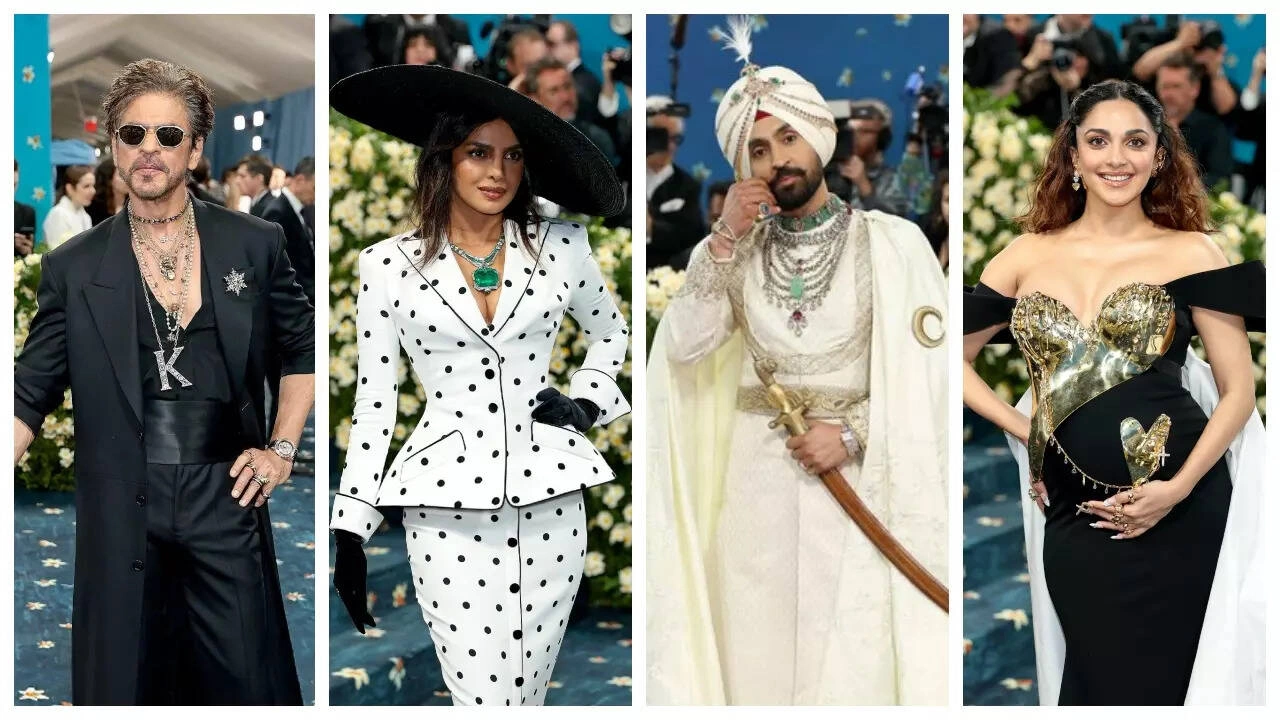
More recent movies like Thappad explore a woman who leaves an abusive marriage and stands up for her dignity. Actresses such as Kangana Ranaut, Vidya Balan, and Taapsee Pannu have led these stories. Female directors and writers have also increased, bringing fresh voices. Even so, not every film has moved forward. Some big releases still reduce women to dance numbers or pretty side characters. Overall, Bollywood now offers more varied female roles that match the real changes happening in Indian society. Gender Equality in Cinema continues to improve here as how gender representation in cinema has evolved over the years becomes more visible.
Also Read: Hand-Poked Tattoos: The Ageless Tradition That Women Haven’t Forgiven
K-Dramas and the Redefinition of Masculinity and Femininity
K-dramas, or Korean television dramas, reach fans in every corner of the globe. They once followed clear rules: men were tough providers, and women were soft and supportive. Over time, many shows have begun to question those rules. Male leads now cry openly, cook meals, and care for children. In one popular series, a man breaks down in tears while leaning on his partner for comfort.
Another drama shows a husband who stays home to raise their daughter while his wife works as a detective. Women appear as confident bosses, business owners, and fighters who do not need saving. Stories like Itaewon Class present men who value justice and teamwork over raw power. Crash Landing on You features a strong, independent woman who challenges norms on both sides of the border.
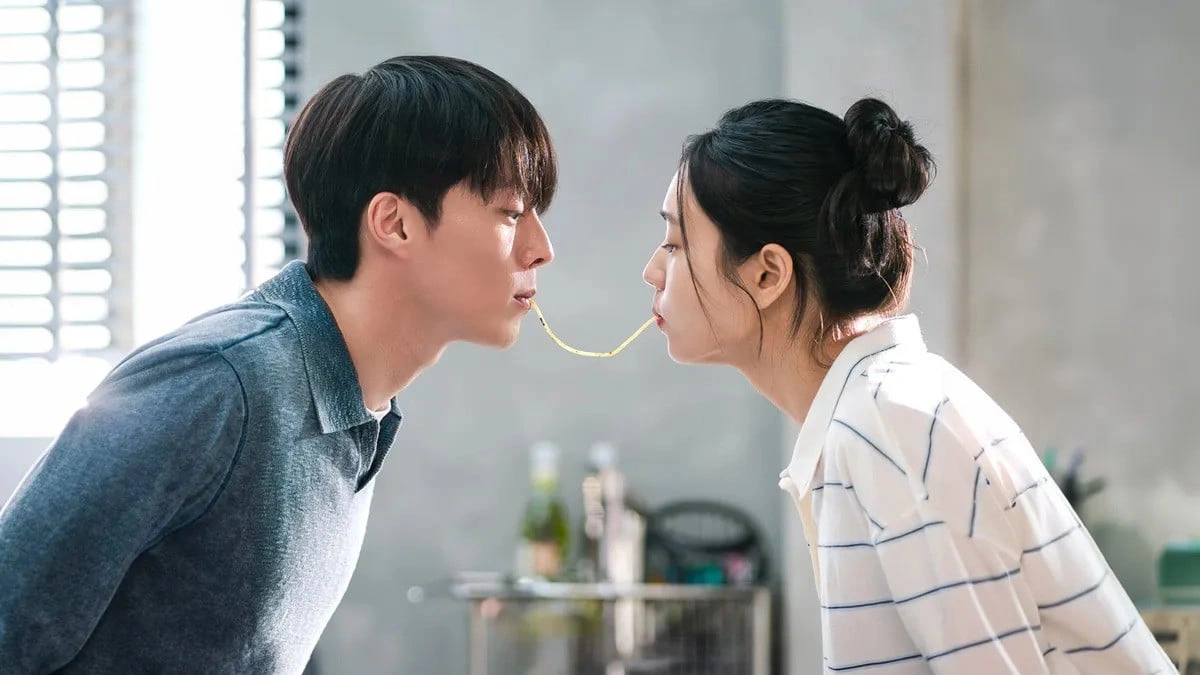
These changes do not erase every old habit. Some shows still include dramatic rescues or beauty standards that feel unrealistic. Yet the trend is clear. K-dramas are letting men show vulnerability and giving women more control over their lives. Fans worldwide watch these stories and see new ways to think about gender. Gender Equality in Cinema gets a fresh perspective through these global shows.
Also Read: Female DJs Shaping Global Music Scenes
The Broader Impact of Gender Representation on Society
The media does more than entertain. It teaches viewers what society expects from each gender. When films show only weak women or emotionless men, audiences may accept those limits as normal. Young people, in particular, learn ideas about beauty, strength, and success from the screen. Positive examples, however, open new doors. A girl who sees a female lead solve problems on her own may feel braver in real life. A boy who watches a male character express feelings without shame may grow up more comfortable with his emotions.
Across cultures, cinema both copies daily life and influences it. In many countries, the same patterns appear: fewer women in important roles and more focus on how they look. But global streaming services have mixed these worlds together. A viewer in India can watch a K-drama one day and a Hollywood blockbuster the next. This flow of stories can slowly weaken old stereotypes and build shared ideas of equality. The impact of poor gender representation in movies can be seen clearly in how it limits young minds.
Challenges and the Road Ahead for Gender Equality in Cinema
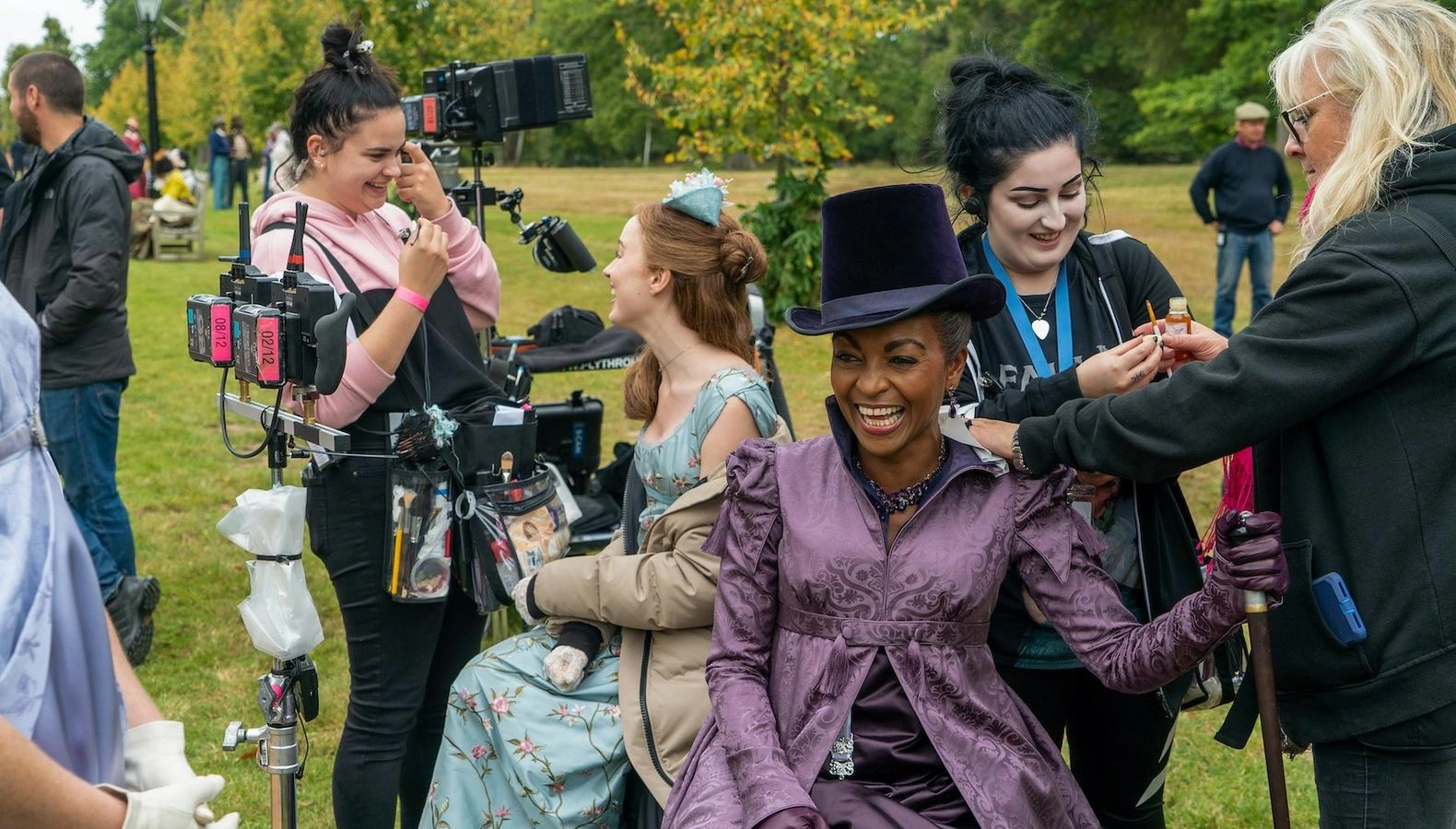
Of course, change is not complete. Behind-the-scenes jobs still favor men in many film industries. Writers and directors shape the characters audiences see. Until those rooms become more balanced, on-screen progress will remain uneven. At the same time, audiences now demand better stories. Social media gives people a loud voice to praise good representation and call out tired clichés. As a result, studios pay closer attention. Gender Equality in Cinema depends heavily on fixing these gaps.
Also Read: Pioneering Women Artists In Non-Western Modernism
Conclusion: The Power of Cinema in Shaping Future Gender Norms
In the end, cinema and popular culture are powerful forces. They reflect the gender expectations of their time and place. They can also help rewrite those expectations for the future. From Bollywood’s growing number of independent heroines to Hollywood’s ups and downs and K-dramas’ softer view of men, the pattern is the same: small steps forward matter. When films show men and women as full human beings with strengths, flaws, and choices, viewers everywhere begin to imagine a fairer world. The screen does not just show life. It helps create the next chapter of it. Gender Equality in Cinema is the goal that keeps driving these important conversations worldwide.


