




Benefits Of Health, Confidence, And Empowerment For Women Involved In Athletics
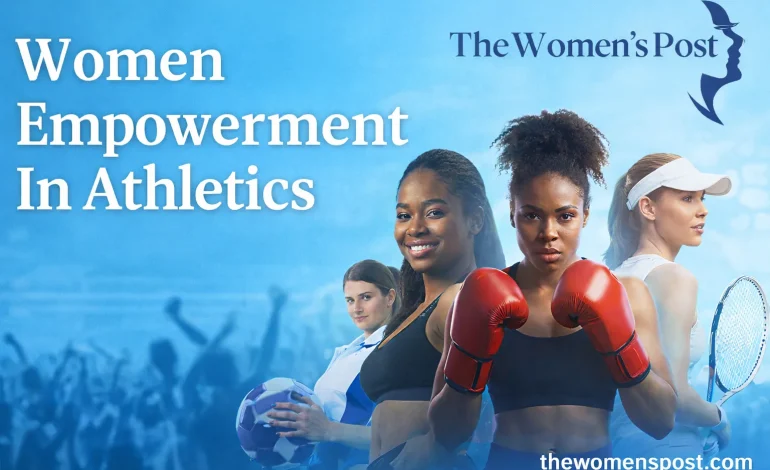

Athletics offer much more to women than just physical fitness. The moment women enter the world of sports, they open themselves up to a strong cocktail of health benefits, confidence building, and personal empowerment which changes their lives both in and out of the playing field, pointing to some key benefits of sports for women. Understanding these various benefits that sports have for women explains why athletics has been such a critical pathway for the overall development and well-being of women, including sports participation for women’s empowerment.
Building Physical Health through Athletic Participation
Women in athletics have major improvements in physical health that last long after their life years and show mental and physical benefits from women athletes. Common sports participation solidifies the cardiovascular system, increases bone density, and maintains weight levels-one of the prime benefits of sports for women. These alterations directly lower the chances of severe health issues such as obesity, diabetes, heart disease, and high cholesterol. For women, athletic events establish muscular strength and enhance posture to establish a base of physical hardness that prevents incidents of injury and illness, another clear benefit of sports for women.
The Importance of Bone Health in Women’s Athletics
One particularly important benefit involves bone health. Secondary school sports participation helps prevent osteoporosis, a condition that affects many women as they age. Additionally, research shows that women who played sports in college maintained these health benefits decades later. Female former athletes aged 40 to 70 rated their health as significantly better than non-athletes, with lower risks of hypertension and obesity. This demonstrates that the investment in athletics during younger years pays long-term health dividends throughout a woman’s entire lifespan, explaining why athletics empower women’s health confidence.
Metabolic Health and Disease Prevention
Athletic participation also promotes better metabolic health. Resistance training and strength activities increase insulin sensitivity and help regulate blood glucose levels, which is particularly beneficial for women managing conditions like PCOS or gestational diabetes. Furthermore, recreational physical activity may decrease the risk of developing breast cancer, reinforcing the benefits of sports for women.
Mental Health and Emotional Wellbeing

Also Read: Role Of Digital Media And Social Networking Sites For Visibility And Activism Among Female Athletes
The mental health benefits of sports for women are profound and well-documented. When women engage in sports, their bodies release endorphins—chemicals that naturally promote happiness and reduce stress. This biological response creates an immediate sense of wellbeing that extends beyond the playing field, part of the broader mental and physical benefits women athletes gain.
Research demonstrates that women who participate in athletics experience significantly lower rates of anxiety and depression compared to non-athletic peers. In fact, girls who play sports experience 1.5 to 2.5 times fewer mental health challenges than sedentary girls. Beyond symptom reduction, athletics builds resilience—the capacity to face challenges and recover from setbacks. This mental toughness becomes a lifelong asset that helps women navigate difficulties far beyond their sport.
Team Sports vs. Individual Sports: Unique Mental Benefits
The mental benefits vary slightly between team and individual sports. Team sports provide unique advantages because they combine physical activity with social support and emotional connection. Women in team sports often develop stronger emotional intelligence, better coping skills, and a deeper sense of belonging to a community. This camaraderie and collective goal-setting create emotional stability and a genuine sense of achievement that purely individual pursuits may not provide, contributing to sports participation benefits for women’s empowerment.
Women who exercise regularly also report higher levels of overall happiness and greater energy throughout their daily lives compared to sedentary women. They miss fewer days of work and experience better cognitive performance in their professional and academic pursuits—a key benefit of sports for women.
Confidence and Self-Esteem Development
Perhaps one of the most transformative benefits of sports for women is the dramatic boost in confidence and self-esteem. As women participate in sports, they witness their own progress firsthand. They set goals, work toward them, overcome obstacles, and achieve results. This process of accomplishment builds a powerful belief in their own capabilities, directly relating to how sports build confidence in women.
Female athletes develop a strong sense of self-image and self-worth that radiates into every area of their lives. Research confirms that girls and women who participate in sports have higher self-esteem and greater pride in themselves compared to non-athletes. Importantly, women who were active in sports as girls feel greater confidence—both physically and socially—well into adulthood.
Developing a Growth Mindset Through Athletics
The confidence built through athletics extends beyond physical abilities. When women learn they can master new athletic skills through consistent effort, they internalize the belief that they can develop and improve in other areas of life too. This growth mindset becomes a foundation for personal and professional success. Female athletes learn that mistakes are not failures but opportunities to learn and improve, which paradoxically increases their confidence as they take more risks and experience more success, illustrating how sports build confidence in women.
Empowerment Through Leadership and Teamwork
Also Read: The Evolution Of Women In Sports And The Way Ahead
Athletics serves as an exceptional platform for developing leadership abilities and teamwork skills. Women in sports learn to communicate effectively, collaborate with teammates, and lead by example. These skills directly translate to better career prospects, stronger community involvement, and enhanced personal relationships, embodying sports participation benefits for women’s empowerment.
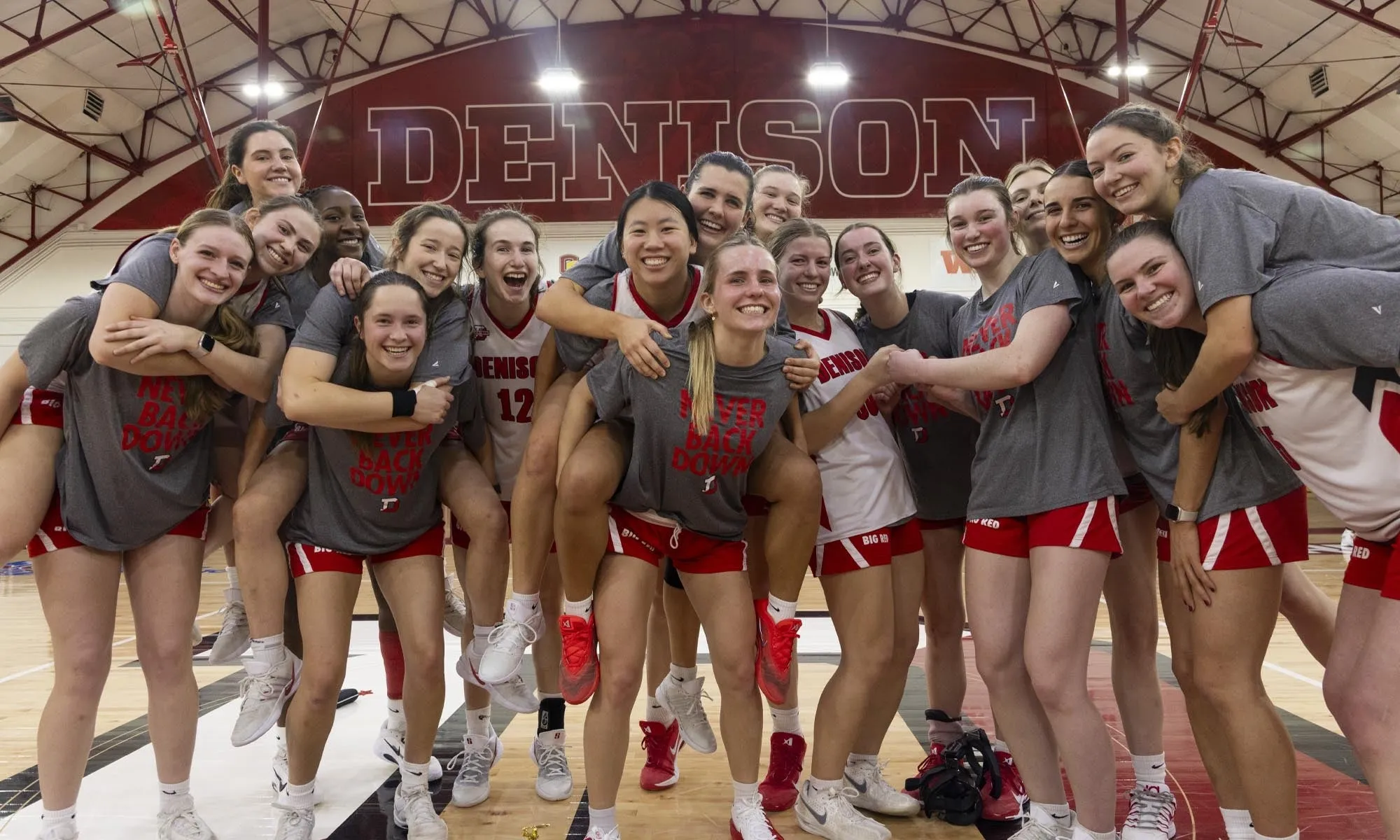
Team sports create environments where women support one another, celebrate collective victories, and work toward shared objectives. This experience of working within a community of strong women empowers them to challenge gender stereotypes and societal limitations. Women in athletics demonstrate that they are strong, fast, resilient, and powerful—qualities that society has historically discouraged women from developing, which ties into why athletics empower women’s health confidence.
Role Models and Mentorship in Women’s Sports
Through athletics, women also gain access to role models and mentorship opportunities. Seeing other successful women in their sport provides inspiration and practical guidance, helping them envision possibilities for their own futures. This visibility of female leadership in sports counteracts the gender bias that suggests girls are less capable in certain athletic pursuits.
Academic Success and Personal Growth
The discipline, time management, and goal-setting skills that athletics develops directly improve academic performance. Student-athletes consistently outperform their non-athlete peers academically. Student-athletes at some institutions maintained nearly a quarter-point higher cumulative GPA than the general student population. The structured commitment required by athletics teaches women how to balance multiple responsibilities and manage their time effectively—skills essential for success in education and career, a vital benefit of sports for women.
Beyond academics, athletics contributes to better overall life choices. Women who participate in sports are more likely to stay engaged in school, make healthier lifestyle decisions, and avoid risky behaviors. They show lower rates of substance abuse and self-harm, partly because sports provide purpose, community, and healthy stress relief outlets.
Long-Term Life Satisfaction
The benefits of sports for women create lasting improvements in quality of life. Regular exercise improves overall wellbeing and life satisfaction long after the competitive years have ended. Women carry forward the confidence, resilience, and healthy habits they developed through sports, creating a foundation for successful aging and continued vitality.
The positive body image developed through athletics proves particularly valuable in a world that often criticizes women’s appearances. When women appreciate their bodies for their strength, capability, and what they can accomplish rather than for how they look, they develop a healthier relationship with themselves that persists throughout life, supported by mental and physical benefits women athletes experience.
Also Read: Current Campaigns And Policies To Enhance The Position And Safety Of Women Within Sports Settings
Conclusion
Women who participate in athletics gain far more than medals or trophies. They develop stronger, healthier bodies; more resilient, happier minds; and a profound confidence that extends into every aspect of their lives. Athletics provides a pathway for women to experience empowerment through achievement, build meaningful connections with others, and challenge limiting beliefs about what women can accomplish. Whether through team sports or individual pursuits, recreational participation or high-level competition, women who embrace athletics invest in their physical health, mental wellbeing, and personal empowerment in ways that benefit them throughout their entire lives. This combination of health benefits, confidence-building, and empowerment makes athletics not just a worthwhile pursuit but a transformative experience that shapes who women become and what they believe about themselves.