




Young Female Artists And Interdisciplinary Projects
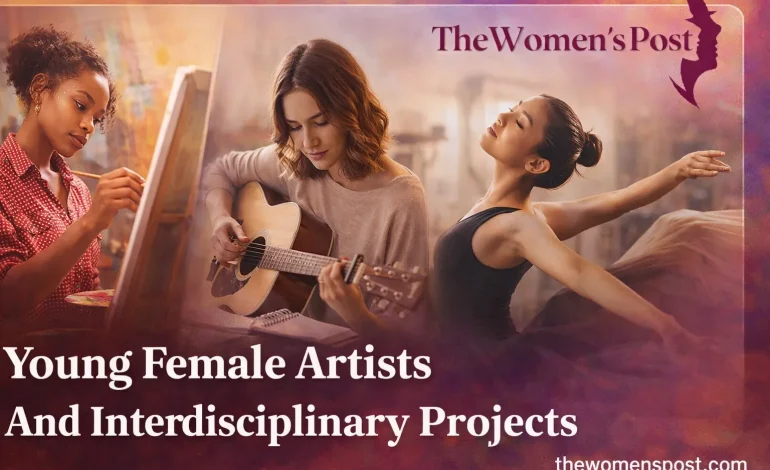

Women artists from new generations are transforming the creative world by challenging the conventional limitations and getting involved in various art categories, technologies, and disciplines as part of female artist collaborations. This is an important change for women artists as they are no longer restricted to art alone but are becoming part of female artist collaborations with people from different backgrounds, such as technology, sciences, music, dancing, and designs, for the development of innovative art as part of cross-disciplinary collaborations of women artists.
The Emergence of Upcoming Female Artists
The art world is experiencing a phenomenal rise in the acknowledgement of young female artists through the collaborations of female artists.
The latest initiatives, which include the “100 Emerging Artists of 2024: Women’s Edition” curated by leading associations, illustrate the international commitment to the recognition of the contributions of women to the world of art, along with the latest trends in female artists working with tech, among other fields, through the collective work of top young female artists.
Unlike their predecessors who often faced significant barriers to recognition, today’s emerging female artists benefit from increased institutional support, digital platforms, and a growing audience eager to see women’s stories and perspectives represented in the art world.
Female artists today are creating work that addresses pressing contemporary issues including identity, feminism, capitalism, and environmental awareness through female artists collaborations. Their art carries emotional depth while maintaining intellectual rigor, positioning them as important cultural commentators of our time.
From visual arts to performance, music to digital creation, emerging female artists are establishing themselves as essential voices that shape tomorrow’s artistic discourse.
What Cross-Disciplinary Collaboration Means
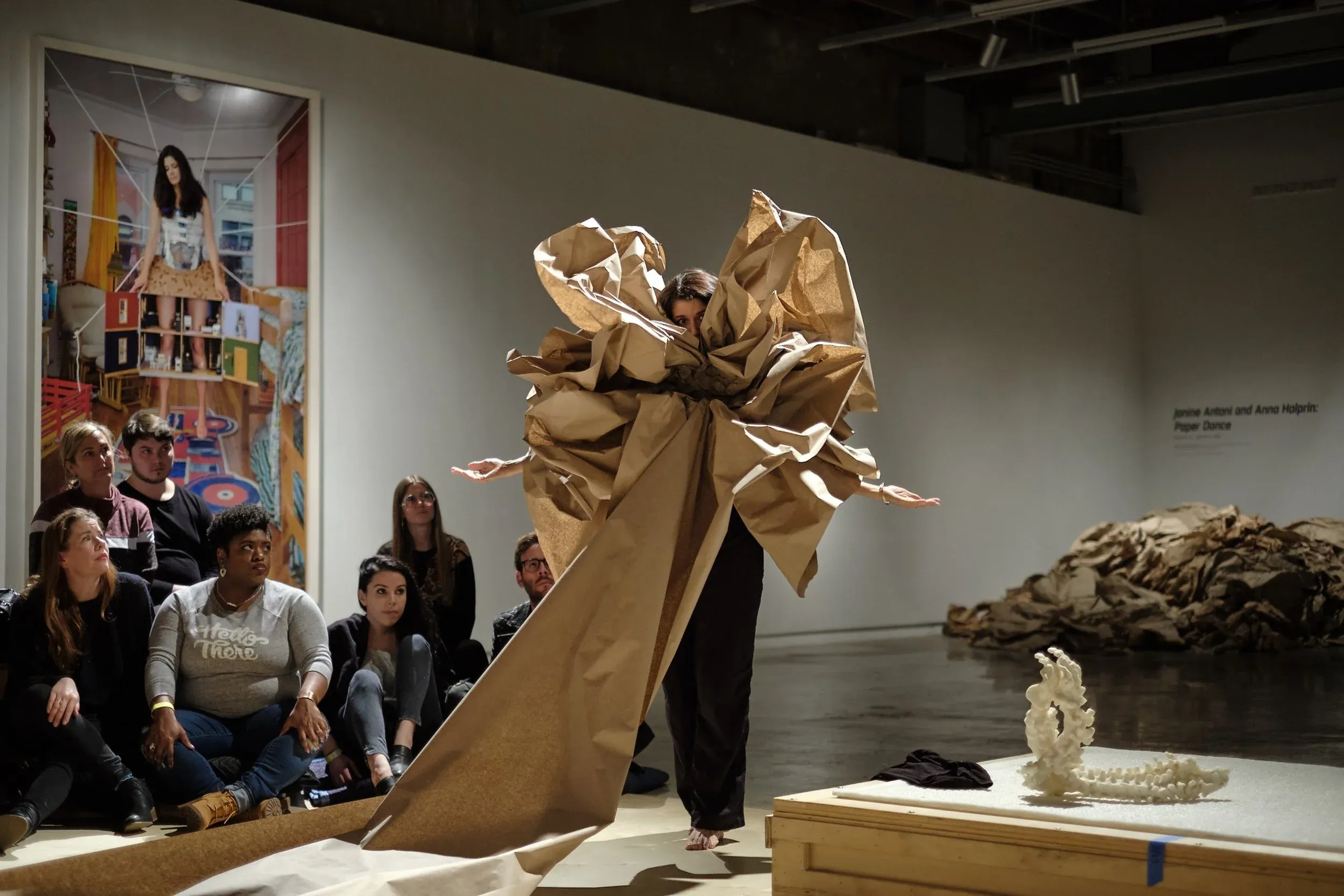
Cross-disciplinary collaboration refers to the practice where artists from different fields work together through female artists collaborations, bringing their unique expertise and perspectives to create something entirely new.
Rather than working in isolation within their traditional disciplines, these artists deliberately blend visual art with performance, technology with biology, music with visual design, and countless other combinations as part of cross-disciplinary collaborations by contemporary female creatives.
This approach creates richer, more complex work that speaks to contemporary audiences in innovative ways.
The Benefits of Cross-Disciplinary Collaboration
The benefits of cross-disciplinary collaboration are significant. When female artists from different backgrounds come together in female artists collaborations, they challenge each other’s assumptions, expand creative possibilities, and often discover solutions that would not have emerged from working alone.
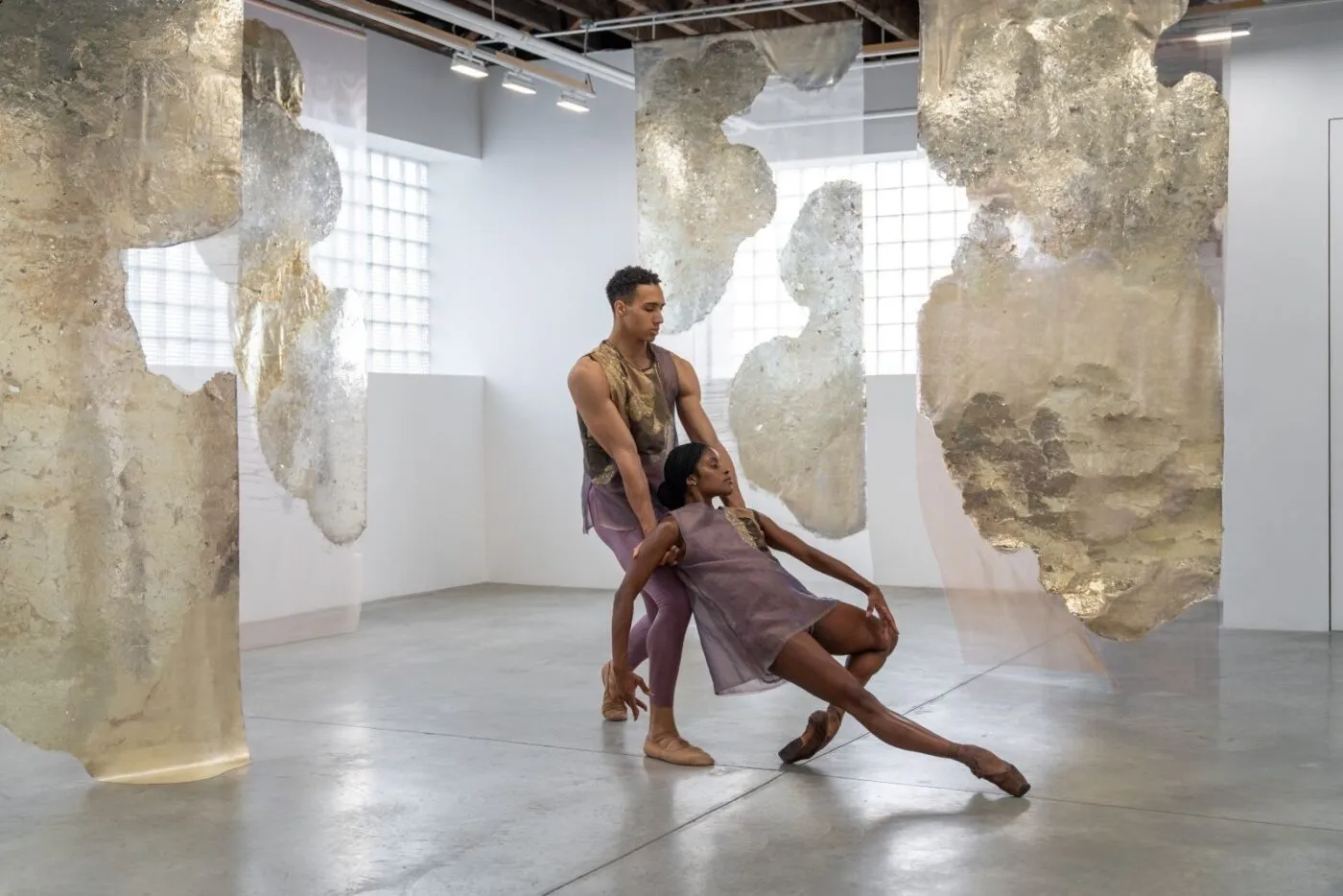
For instance, when a visual artist partners with a dancer, or a musician collaborates with a technologist, the resulting work often transcends the limitations of any single discipline, creating immersive experiences that engage audiences on multiple sensory levels.
Examples of Female Artists Leading Cross-Disciplinary Work
Several prominent female artists exemplify this trend of cross-disciplinary collaboration through female artists collaborations.
Janine Antoni and Choreographer Jill Sigman
Janine Antoni, a visual artist, partnered with choreographer Jill Sigman to create “Wedge”, a live performance that combined sculpture, movement, and dance. Their collaboration emerged from genuine artistic curiosity and mutual respect, with each artist learning from the other’s creative process.
The resulting performance became a powerful exploration of how female artists are leading interdisciplinary projects and how two different artistic disciplines could dialogue and create something neither could have achieved alone.
Anicka Yi: Merging Art with Science
In the realm of technology and art, artists like Anicka Yi are redefining creative boundaries by merging art with science through cross-disciplinary collaborations by contemporary female creatives.
Yi’s work explores the intersection between technology and biology, collaborating with experts including philosophers, fabricators, engineers, microbiologists, and perfumers.
This approach demonstrates trends in female artists working with tech and other fields and how female artists are not afraid to step outside traditional art contexts and work with specialists from various fields.
Female AI Artists: Veronika Pell and Elsa Carvalho
Female AI artists are another fascinating example of cross-disciplinary work via top emerging women artists collaborating across disciplines.
Artists such as Veronika Pell from Finland blend film, photography, and multimedia with cutting-edge artificial intelligence tools to create striking visuals.
Meanwhile, Elsa Carvalho, a Portuguese software engineer and artist, bridges computer science and art by transforming code-generated images into AI-expanded compositions.
These artists prove that technology and creativity are not opposing forces but complementary tools that, when combined thoughtfully, can produce remarkable art.
Why Cross-Disciplinary Collaboration Matters for Female Artists
Also Read: Women, Identity, Diaspora, And Motherhood In Art Practice
For women in the arts, cross-disciplinary collaboration carries particular significance through female artists collaborations.
Historically, women artists have faced barriers to recognition and visibility compared to their male counterparts. By working across disciplines, female artists expand their reach, access new audiences, and create work that feels fresh and contemporary.
Cross-disciplinary projects often attract attention from multiple art worlds simultaneously—galleries, music venues, tech communities, and academic institutions—all of which increases visibility and opportunities.
Moreover, these collaborations build supportive networks among female artists. Events like “Hi-Viz: Practice Exchange”, a day for women and non-binary artists working at the intersection of performance, sound, and music, create spaces where artists from different disciplines can connect, learn, and support each other.
Such gatherings strengthen the community of female artists and foster lasting creative relationships that lead to future collaborations.
The Future of Female Artistic Expression
The trend of emerging female artists engaging in cross-disciplinary collaborations is likely to grow stronger in the coming years through female artists collaborations.
Museums and institutions are actively acquiring works by emerging women artists, recognizing historic gaps in their collections. Major art fairs and biennials actively scout emerging female artists, signaling market recognition and institutional validation.
This momentum creates a virtuous cycle where increased visibility leads to more opportunities, resources, and support for these artists.
Female artists today are also leveraging digital platforms and social media to build audiences and collaborations independent of traditional gatekeepers. This democratization of art distribution means that emerging female artists can reach global audiences, connect with potential collaborators from around the world, and build sustained careers on their own terms.
The emergence of female artists working across disciplines represents a fundamental reimagining of what art can be and what artists can accomplish. These women are not simply creating art; they are building communities, challenging institutions, and expanding human imagination about creative possibility.
Their work proves that the boundaries between disciplines are not rigid walls but permeable membranes where new ideas flourish.


