




Current Campaigns And Policies To Enhance The Position And Safety Of Women Within Sports Settings
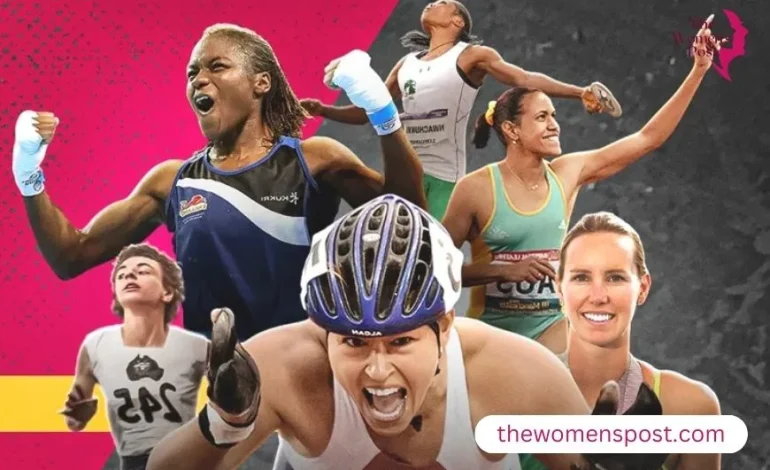

The sports world has traditionallybeen male-dominated; however, change is on the way. Over the years, various campaigns and policies have been initiated around the world to enhance the position and safety of women in the sports world. The reality is that women must be given equal opportunities and treatment to help them feel safe and welcomed in sports. Over the years, there have been prominent ongoing campaigns related to the safety of women in sports that are bringing change to sports for girls and women around the world.
Understanding the Current Landscape
Before commenting on the developments, it is necessary to address the relevance of the above-mentioned campaigns. It is essential to highlight that women face numerous obstacles in the sport. This includes the absence of equal opportunity for them to participate in the sport. It also includes the absence of qualified women in sport-related administration. Even apart from the ability to participate in the sport or be part of the administration, women face abuse and violence in the environment of the sport. Furthermore, the sport of women is covered less than the sport of men.
These problems not only exist among athletes, but they also exist among girls and women at grassroots levels who are attempting to build their careers through sports. The existence of these problems has led to worldwide initiatives for a more secure, inclusive, and fair sports environment. Closing gender gaps in sports environments is critical in ensuring that every woman and girl has access to a safe environment.
International Campaigns for Promoting Women in Sport
Also Read: Programs Supporting Women In Sports: Title IX And Khelo India
The International Olympics Committee (IOC) has recently emerged as a major catalyst in the fight for gender equity in the sports sector. During the Olympic Games held in Paris, 2024, the IOC handed out special guidelines to all media representatives to cover women effectively. This initiative by the IOC came in the form of “portrayal guidelines.” This push encourages the recording of women and men athletes on the same screen, thereby lessening the impact of women’s sports coverage being dominated by stereotypes of femininity. This small initiative by the IOC has a very critical role to play in the perception of women in the sports sector. Campaigns for inclusivity in sports have a very important role to play.
Arsenal and Persil’s Period Equality Campaign
One of the most effective campaigns that have received international recognition is that of Arsenal Women and Persil. The challenge that they address in their campaign revolves around a subject that tends to be a taboo in the sports arena—menstruation. The campaign that was started with the slogan “These Legs” recognizes the difficulties that females tend to undergo in their sports careers in relation to periods and “period stains.” The impact of this campaign that includes sportspersons like Williamson and Beth Mead tends to normalize the subject, which in turn makes it a biologically normal phenomenon that needs to be free from inhibitions in the context of sports.
Sports safety campaigns
But advertising wasn’t enough. There was a fully immersive experience at Emirates Stadium with creative ways of engaging with audiences like a Period Pantone red card where engaging conversations about periods in sports took place, along with interaction walls where messages of encouragement for young girls are posted. All of this implemented a big change in how discussions about female bodies are held when it comes to sports. Sports organizations’ approaches to safety for female athletes is a big topic for Sports inclusivity campaigns.
Lux “Change the Angle” Initiative
“Change the Angle” campaign by Lux is another very motivational campaign that aims at adjusting how women’s sports are showcased in the media. Not only did the campaign gain 4.7 billion impressions across the world, but more than 377 publications also reported the campaign. More than anything, the South African Broadcasting Corporation decided to adopt the campaign’s guidelines. Thus, all these activities are able to affect changes at various levels and generate policies at an institutional level. Campaigns such as sports inclusiveness play an essential role in creating Inclusive sports environments for women and girls.
Nike “So Win” Advertising
Nike has also pledged to support the promotion of female athletes in sport through its campaigns. Nike, together with other big brands, has publicly pledged to invest more marketing budgets into female sports. A good example is the “50/50 pledge” initiative by Ally Financial, which aims to achieve parity in media spending allocated to female and male sports by the year 2027. These are important because the more investment, the more the female sport will grow. Initiatives to end the gap in sports facilities are observed through sports inclusion campaigns.
Organizational Policies and Initiatives

Also Read: Pay Equity In Sports: The Ongoing Fight For Equal Compensation
Cricket Australia has incorporated Project Inspire as a part of its ten-year action plan for women and girls. The purpose of this project is to develop female leadership positions within Cricket and inspire women at a community level. With Project Inspire, people design and deliver projects that enhance women and girls’ presence within Cricket at a community level. The program also offers leadership development for women, inspiring them to assume positions of power that are currently male-dominated, including positions such as coaches, officials, and administration. Inclusivity campaign initiatives and Programs for women’s safety within sports are an essential part of these initiatives.
Australia’s Empowering Women and Girls in Sport Integrity Program
Australia acted swiftly with the launching of the Empowering Women and Girls in Sport Integrity Program in January 2024. This particular program is specifically designed for the address of abuse, bullying, discrimination, and sexual misconduct in the area of sports. It is designed to enable women and girls to participate and prosper within the world of sports. Safety is an essential aspect that is non-negotiable for the goal of kickoff towards the inclusion of females within the platform of sports.
India’s National Sports Governance Bill of 2025
India has formulated a complete National Sports Governance Bill 2025 that holds a “Safe Sport Policy” that aims to ensure the safety of sports persons from harassment, particularly child sports persons. The National Sports Governance Bill recommends that there shall be a minimum of four ladies present within the Executive Committee and administrative bodies of every sports federation. The National Sports Governance Bill aims to make sports administrators and trainers accountable for any such activities of harassment that take place. There is a major focus in the National Sports Governance Bill on the safety of women sports persons and the elimination of gender gaps in sports settings.
UNESCO’s Framework on Equality and Discrimination
UNESCO has created a “Sport and Gender Equality Game Plan.” It identifies and targets root causes of gender inequality in sports. The UNESCO Organization stresses that to accomplish gender equality, a number of critical areas should be committed to, including policymaking, investment, representation, and data collection. UNESCO and UN Women have also established “A 10-Point Call for Action” regarding violence against women and girls in sports. “A 10-Point Call for Action” encourages “governments, sports bodies, the media, and sports fans” to play important roles in implementing policies that deal with the root causes of this form of violence, protect its victims, and “hold perpetrators accountable.” A unified system of governance regarding sports-related safety could also be established. How sports groups are working to make sports safe for women is another area.
European Union’s Gender Equality Action Plan
The European Commission has drafted an action plan on gender equality in sports. The plan advises on a number of approaches, which include setting equal goals of sport participation in coaching and officiating education courses, implementing mentoring schemes, and providing an equal contract terms framework for female sportswomen. The European Commission strategy is clear on making gender equality a reality at a grassroots level. Campaigns on inclusivity of sports, as well as an inclusive sports setting created for women and girls, are given priority.
The Significance of Advocacy Groups

Also Read: The Five Women Who Entered A Formula 1 Grand Prix And How Each Changed The Sport
Champion Women, a new advocacy group, also plays a crucial role by addressing the issue of sports environment safety and equity specifically for girls and women. In this regard, the organization applied its strategies of advocacy, education, or community engagement to eliminate any barriers or promote the aspect of equity. This clearly shows that the issue of promoting change can be addressed by various bodies, from international entities to special advocacy groups working specifically on women’s issues within sports, such as equality.
Key Components of Effective Campaigns and Policies
Successful campaigns, strategies, and policies have common factors. Firstly, they deal with more than one barrier at a time. Secondly, they require commitment from various stakeholders, including governments, sport bodies, media, and sponsors. Thirdly, they have strategies for various levels, as changes have to take place everywhere. Finally, they concentrate on accountability, which ensures that those who have failed are punished. Campaigns for women’s safety in sports, Sports inclusivity campaigns, Inclusive sports environments for women and girls.
Conclusion
The campaigns and policies mentioned in this post mark a paradigm shift in how sports bodies and administrations think of women’s involvement and security. Media representation, with the efforts of the IOC and Lux, and the promotion of women leaders with Cricket Australia’s Project Inspire, and formulation of legislation, with the effort of the National Sports Governance Bill of India and Sport Integrity Program of Australia, are all part of the forward movement. However, this progress is just the start of something better to come. The pursuit for gender equity in sports takes persistence, investment, and a focus on making sure that entities are held to account. The campaigns that are currently being rolled out are opening doors for future generations of girls and women to take part in sports in a manner that has dignity, safety, and equity. The more entities that are brought on board, along with more governments that are implementing policies that support this, the more that sports can be made equal, equitable, and inclusive for all individuals.