





Understanding The Risk Factors Of Ovarian Cancer At Different Life Stages
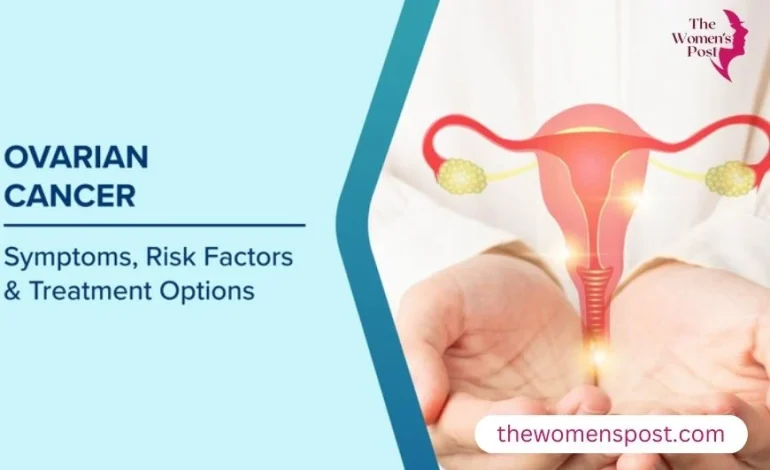

Ovarian cancer remains one of the important health problems for women in most parts of the world, and discovering the changing risk factors at each stage of their lives is highly needed for its prevention and early detection. The vulnerability of a woman to this disease depends on factors at play that interrelate with each other: age, familial history, predisposing conditions, and childbearing history. Assessing these factors on each stage of a woman’s life will enable healthcare providers and the patient herself to more accurately understand her individual risk profile. Risk factors to ovarian cancer are influenced by many facets, which include age, genetics, and lifestyle.
Age as a Critical Risk Factor
Among all causes, age is considered to be one of the highest risk factors for ovarian cancer. While ovarian cancer can occur at any age, the risk rises considerably with the progression of age in women. About two-thirds of women with ovarian cancer are 55 years and older, while the average age of diagnosis of ovarian cancer is 63 years. More precisely, about 90% of all ovarian cancer cases occur in women over 40 years of age. Ovarian cancer risk factors by age group show that in the younger years, risk is lower, while it rises steeply in middle and older age.
Risk Patterns Across Different Age Groups
The pattern of risk varies throughout different age groups. Women in their younger years, particularly those under 40, face relatively low ovarian cancer risk, though it remains possible. During the reproductive years (ages 30-60), approximately 7% to 16% of new ovarian cancer cases occur. The risk rises significantly during the 40s and 50s, with nearly half of all cases diagnosed in women aged 55 to 74. Women who experience late menopause, occurring after age 55, face particularly elevated risk, as do those in their 60s and 70s, with the highest percentage of new cases occurring between ages 55 and 64. Ovarian cancer risk factors by age group highlight the importance of monitoring as women age.
Outcomes in Younger vs Older Patients
Interestingly, younger women who do develop ovarian cancer tend to have better outcomes compared to their older counterparts. Very young women under 30 diagnosed with this disease show survival advantages over older groups, with 5-year survival rates of approximately 79% compared to 35% in women over 60. Ovarian cancer risk factors are relevant across all age groups, but the impact changes with age.
Family History and Genetic Mutations
Another important determinant of ovarian cancer risk is family history. Women who have first-degree relatives-mother, daughter, or sister-with ovarian cancer are at increased risk, especially if two or more relatives have received a diagnosis of the disease. If the cancer was diagnosed at younger ages in the family members, the risk becomes much higher. The established risk factors for ovarian cancer include strong genetic links, most importantly BRCA mutations.
BRCA1 and BRCA2 Genetic Mutations
Also Read: Women’s Sleep Disorders: Conquering Insomnia
BRCA1 and BRCA2 genetic mutations are central to hereditary ovarian cancer. Among families with multiple cases of both breast and ovarian cancers, mutation rates vary from 9% to 46%, depending on selection criteria and ethnicity. Carriers of BRCA1 mutations have about a 40% lifetime risk of developing ovarian cancer, whereas women with BRCA2 mutations have an 18% lifetime risk for ovarian cancer. Regarding genetic testing, it should be considered in women diagnosed with breast cancer before age 40 or in those from Ashkenazi or Eastern European Jewish ancestry due to the increased prevalence of BRCA mutations in these groups. The risk factors for ovarian cancer are closely interconnected with genetics and family history.
Importance of Genetic Counseling
Importantly, studies have established that mutations in the BRCA1 and BRCA2 genes carried by women with either personal or family histories of breast cancer confer a tenfold increased risk of ovarian cancer. Even in women who have no apparent family history of ovarian or breast cancers, there are many reasons why BRCA mutations may occur, thus making genetic counseling important for those at risk. Risk factors for ovarian cancer by age group and genetics are critical to the process of risk assessment.
Endometriosis and Its Relationship with Ovarian Cancer
Recent studies have identified strong associations between endometriosis and risk of ovarian cancer. Overall, women with endometriosis have an estimated 4.2-fold increased risk of ovarian cancer compared with women without the condition, although risk differs substantially based on the type and extent of disease. Endometriosis and ovarian cancer risk by age indicate that young women with endometriosis may be at increased risk.
Risk Variation by Type of Endometriosis
Women with deep infiltrating endometriosis and/or ovarian endometriomas are at particularly increased risk; several studies reported a 9.7-fold overall risk of ovarian cancer and an approximately 19 times higher risk for specific types of ovarian cancers. In contrast, women with superficial peritoneal endometriosis had a 2.8-fold increased risk. Type I ovarian cancers (which include endometrioid, clear cell, and low-grade serous types) have much stronger associations with endometriosis than Type II high-grade serous cancers. Other variables to consider in regard to diagnosis and monitoring involve endometriosis and ovarian cancer risk by age.
Absolute vs Relative Risk
In spite of these worrisome associations, it needs to be underlined that while endometriosis increases relative risk, the absolute risk of developing ovarian cancer remains relatively low, at about 1.9% lifetime risk among those with endometriosis versus 1.4% for the general population. Ovarian cancer risk factors, including endometriosis, require careful attention at all ages.
Also Read: Thyroid Health In Women: How Hormonal Changes Impact The Gland
Reproductive History and Protective Factors
The risk of ovarian cancer is heavily influenced by the reproductive experiences that occur throughout a woman’s life. The connection between reproduction and ovarian cancer risk is thought to be related to the “incessant ovulation” hypothesis, where each cycle of ovulation carries some risk of malignant cell transformation in the ovarian surface epithelium. Reproductive history and ovarian cancer risk stages become very important in risk assessment.
Protective Effect of Pregnancy
Pregnancy is one of the strongest protective factors against ovarian cancer. Women who have given birth show substantially reduced risk compared to nulliparous women, with a 40% reduced risk for those having one child and up to 80% reduced risk for those with five or more births. With each additional birth, there is an approximate 6% overall decrease in risk, though this risk differs by cancer type. Reproductive history and stages of ovarian cancer risk show that each stage of a woman’s reproductive life presents different levels of risk.
Timing of Pregnancy and Other Protective Factors
Timing of pregnancy is also an important factor. There seems to be greater risk reduction for those giving birth at older ages than among those giving birth at younger ages, including both pre- and postmenopausal women. This finding is rather counterintuitive and would imply that protective mechanisms triggered by the hormonal changes associated with pregnancy, specifically the high levels of progesterone, result in protection in the ovarian epithelium. In addition, reproductive choices are some of the lifestyle factors pertinent to ovarian cancer risk management.
Another protective benefit is derived from the use of oral contraceptives. The longer women have used oral contraceptives containing both estrogen and progesterone, the lower their risk. Five or more years of oral contraceptive use substantially reduces risk; this protective effect can last as long as 30 years after use is stopped. Additional protection derives from breastfeeding. Women who breastfeed for at least 8 to 10 months have the greatest reduction in risk. Other protective procedures include tubal ligation and salpingectomy (removal of fallopian tubes), because these interventions disrupt possible pathways for cancer to develop.
Also Read: The Relationship Between Obesity And Chronic Diseases In Women
Ovarian Cancer Risk Factors & Lifestyle Changes
Different stages of life carry different risk patterns and protective opportunities. The reproductive years carry the possibility for pregnancy, breastfeeding, and oral contraceptive use to greatly reduce the future risk of ovarian cancer. The hormonal environment of the reproductive years confers protection that persists through menopause. Ovarian cancer risk factors and lifestyle changes at every stage of life must be taken into consideration.
The years of perimenopause and menopause mark a critical period when the risk of ovarian cancer peaks. The changing hormonal environment during menopause, especially increasing levels of FSH and LH, may stimulate the surface epithelium of ovaries, thus elevating the risk of cancer. Risk factors for ovarian cancer are applicable throughout a woman’s life.
For women with major risk factors, including family history, BRCA mutations, or endometriosis, close follow-up and discussion with healthcare providers become all the more important. Risk-reducing strategies, such as oral contraceptives or, in selected high-risk patients, risk-reducing salpingo-oophorectomy (removal of ovaries and fallopian tubes), may be indicated for selected high-risk patients. Among the most important aspects of managing risk are ovarian cancer risk factors and lifestyle changes.
Understanding these complex relationships between age, genetics, reproductive history, and medical conditions empowers women in their ability to make choices about their health and to work collaboratively with their healthcare provider to develop personalized risk management strategies throughout their lives. Ovarian cancer risk factors are central to that process.