






In today’s busy world, stress can build up quickly from work, family, or daily challenges. Mental self-care means taking steps to look after one’s mind and emotions. It helps people feel calmer and more in control. By engaging in mental self-care activities to reduce stress, anyone can lower their stress levels and improve their overall well-being. This article discusses easy methods for practicing mental self-care that individuals can attempt. These are drawn from everyday routines that professionals suggest, and they do not require specialized equipment or much time.
Why Mental Self-Care Matters
Mental self-care is essential for maintaining emotional health and managing stress effectively. It involves simple, intentional practices that nurture the mind and promote resilience. Below are practical ways to practice mental self-care, designed to fit into busy schedules and provide lasting benefits.
Mindfulness: A Foundation for Mental Self-Care
One of the best approaches to beginning mental self-care is through mindfulness. Mindfulness involves focusing on the current moment without criticizing it. Individuals tend to get anxious by worrying about the past or the future.
How to Practice Mindfulness
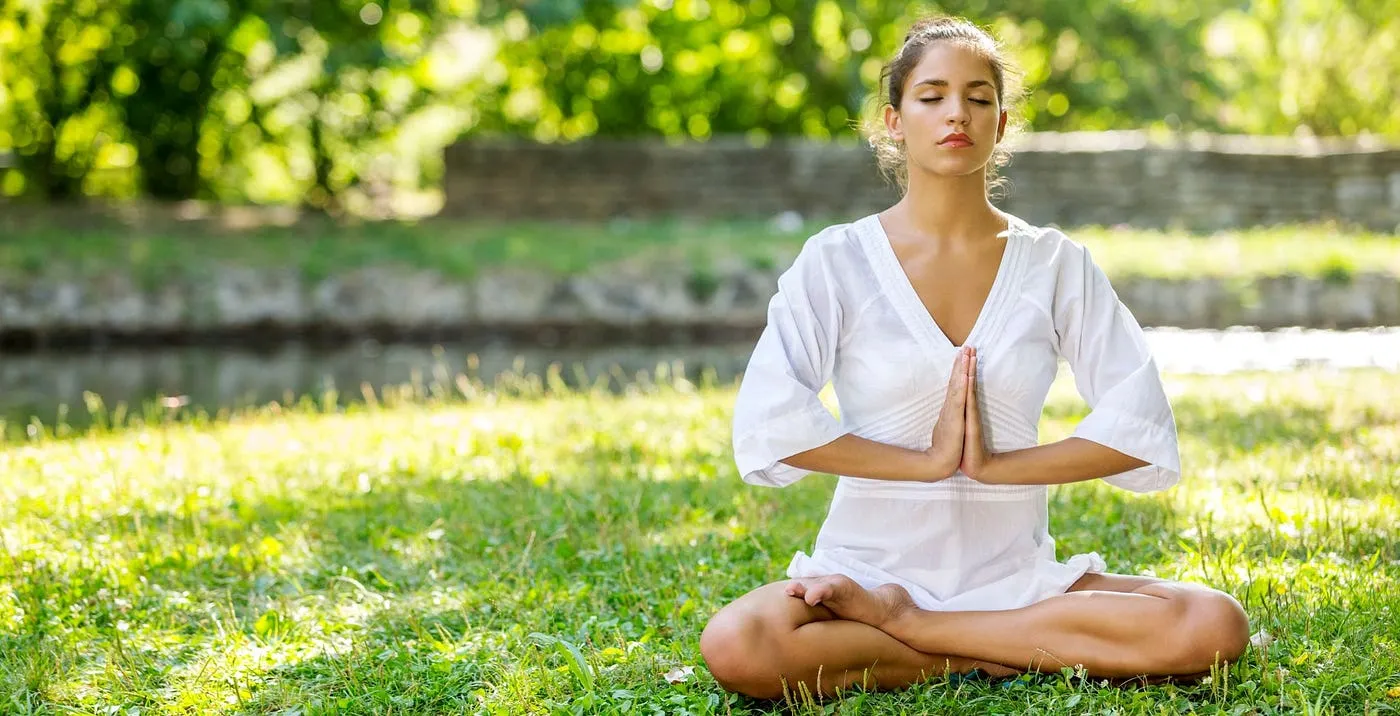
One basic mindfulness exercise, integrated into daily routines to keep stress and anxiety at bay, is sitting quietly for five minutes and observing breathing. They may close their eyes, inhale slowly with the nose, hold it for a few seconds, and exhale with the mouth. If the mind does stray, it simply gently brings the attention back to the breath. The apps Calm or Headspace provide guided sessions, but without them, too, this exercise can clear the mind and calm anxiety. Studies indicate that daily mindfulness, an essential aspect of mental self-care, can decrease cortisol, the stress hormone.
Meditation: Training the Brain to Relax
Also Read: Small Space Design Solutions: Decorating Small Rooms In Small Spaces
Mindfulness is paired with meditation as one of the real-life ways to take care of one’s mind. It’s similar to conditioning the brain to unwind.
Body Scan Meditation
Newcomers can practice body scan meditation. Here, an individual lies down or sits comfortably and gradually focuses on each body part starting from the toes to the head, recognizing tension and releasing it. Performing this for 10 minutes every day, as a part of everyday life to combat stress and anxiety, can really pay off. It ensures that people deal with stressful situations in a much better way over time, such as an awful day at the office. Most people realize that meditation also enhances sleep, which is important since bad sleep tends to exacerbate stress, so it is an essential practice in self-care habits to enhance emotional health.
Journaling: Processing Emotions Through Writing
Journaling is yet another effective mental self-care tool. Writing down emotions and thoughts enables individuals to work through their emotions. They can begin a stress journal by recording what stressed them out that day, how it affected them, and what they can do about it. If traffic jams frustrate, writing about it may generate solutions such as leaving early or listening to music in the car.
Gratitude Journaling
Gratitude journaling is a good spin—every evening, write down three things they appreciate. This redirects attention from negatives to positives, enhancing mood. It’s only a few minutes, and over weeks, can become a habit of good thinking, reinforcing self-care practices to enhance emotional well-being.
Physical Activity: Boosting Mind and Body
Physical activity is not only for the body; it benefits mental self-care as well. Exercise causes the release of endorphins, which are natural mood boosters.
Simple Activities to Try
One doesn’t have to have vigorous exercise—a 20-minute park walk, one of the daily exercises to cope with stress and anxiety, goes a long way. Forest bathing, or walking in nature, brings together exercise and fresh air and greenery, which according to research reduces stress hormones. Yoga is wonderful as it incorporates movement with breathing. Child’s pose or downward dog movements facilitate releasing tension. Even dancing to popular songs at home can be enjoyable and stress-reducing. The most important thing is to pick activities that feel enjoyable, not like a chore, as part of mental self-care activities to cut down on stress.
Hobbies: A Fun Way to Unwind
Do some hobby time. Doing hobbies is an enjoyable way to engage in mental self-care. Hobbies give the mind a respite from cares.
Examples of Relaxing Hobbies
Reading a book, painting, or gardening can captivate attention and induce flow, where time seems to pass quickly. For example, adult coloring books have been popular because they are easy and relaxing. Listening to music, either playing on an instrument or simply listening, can calm nerves. Individuals should make time every week for a hobby, treating it as a high-priority appointment. This creates happiness and diminishes the sense of overwhelm, adding to self-care practices to enhance emotional health.
Social Connections: Building Emotional Support
Establishing social relationships is important for mental self-care. Withdrawal can be created by stress, but conversation with friends and family alleviates it.
Ways to Stay Connected
A telephone call or coffee encounter allows them to share burdens and obtain support. Attending a group, such as a book club or walking club, builds a feeling of belonging. Even animals can assist—stroking a dog or cat reduces blood pressure and stress. For the introvert, writing notes or text messages maintains human contact without pressure and aids mental self-care.
Breathing Exercises: Quick Stress Relief
Also Read: Five Essential Wardrobe Pieces Every Woman Should Have In Her Closet
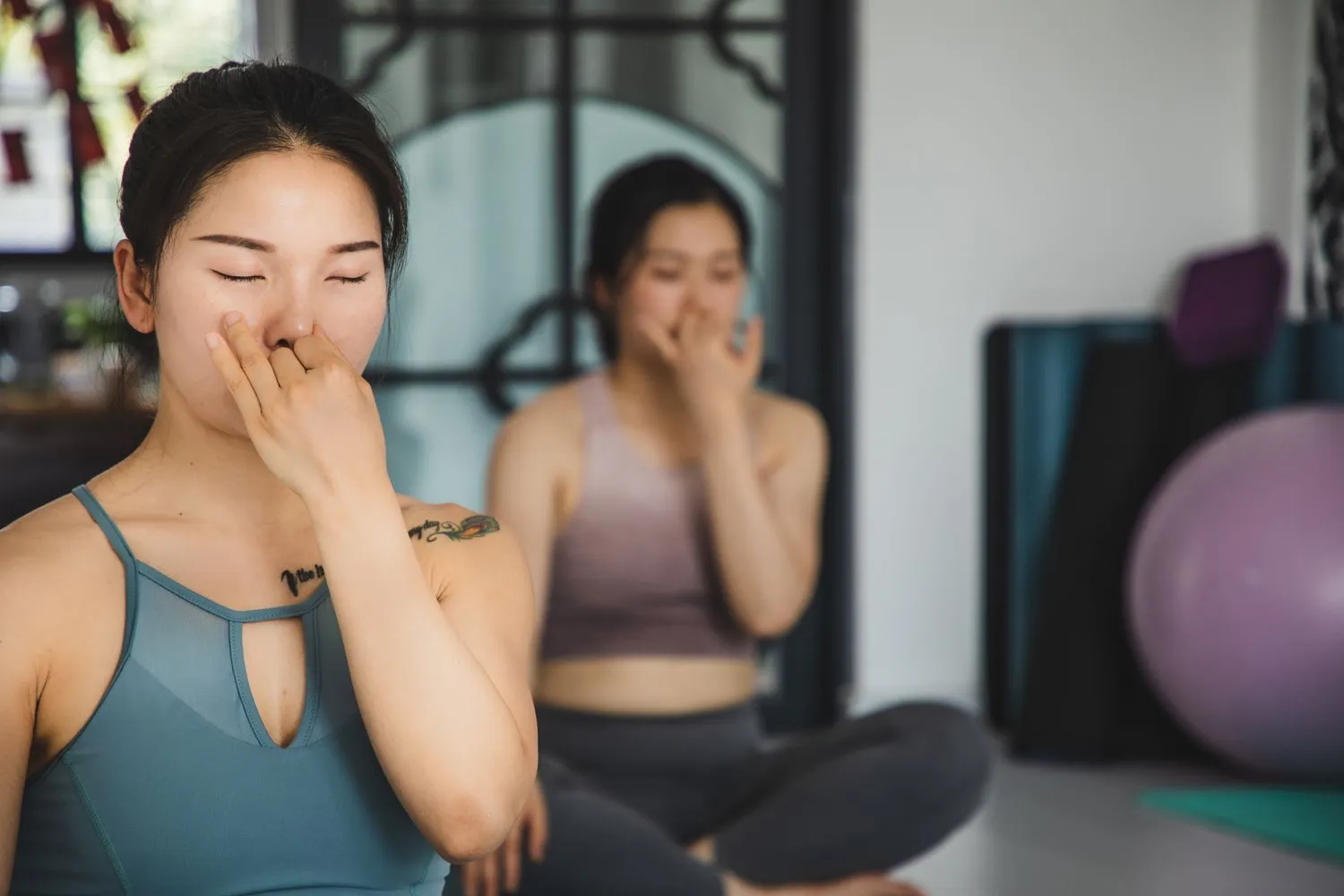
Breathing exercises are immediate solutions for instantaneous stress and are convenient methods of practicing mental self-care. The 4-7-8 method is simple: breathe in for 4 seconds, hold for 7, exhale for 8. This slows down the heart rate and relaxes the nervous system. One can do it anywhere, such as prior to a meeting or on the way to work.
Progressive Muscle Relaxation
Progressive muscle relaxation is also like this—tense and relax each group of muscles individually, starting from the feet up. They are cost-free and time-saving, hence ideal for a busy lifestyle and daily tasks for stress and anxiety management.
Sleep: A Cornerstone of Mental Self-Care
Healthy sleep routines are essential for mental self-care. Stress tends to interfere with sleep, forming a cycle. Individuals can enhance this by establishing a night-time routine: lower lights an hour or so before sleeping, stay away from screens, and drink herbal tea such as chamomile. Having a standard sleep pattern, even during weekends, assists the body in its regulation. A cool, dark environment allows for better sleep. In good condition, stress becomes manageable, strengthening routines of self-care for enhanced emotional wellness.
Nutrition: Fueling Mental Well-Being
Mental self-care is aided by eating well. Omega-3-rich foods such as salmon or nuts support brain function. Reducing the amount of sugar or caffeine helps avoid energy crashes that contribute to stress. Eating consciously—no TV, no computer—makes mealtime relaxing. Hydration is important as well; dehydration can simulate stress symptoms.
Setting Boundaries: Protecting Mental Energy
Boundary setting maintains mental self-care energy. This is refusing additional tasks when overwhelmed. Individuals can do this by setting priorities on their to-do list and assigning when they can. Switching off work emails outside work hours makes space for relaxation. This avoids burnout and maintains stress levels at bay, complementing mental self-care activities to minimize stress.
Nature: Recharging the Mind
Last but not least, time spent outdoors refills the mind as one of the tangible means to engage in mental self-care. A brief excursion to a park or gazing at clouds can change perspective. Grounding techniques, such as walking barefoot on the grass, ground individuals to the earth and slow down overthinking.
Getting Started with Mental Self-Care
Adding these mental self-care practices to manage stress need not be daunting. Begin modestly, such as one new practice a week. Gradually, they develop resistance to stress. All needs are unique, so try different combinations to see what works best for you. Mental self-care is a continuous routine that creates a happier, better-balanced life.