





How Abstract Art Demonstrates The Inner Feelings Of The Artist
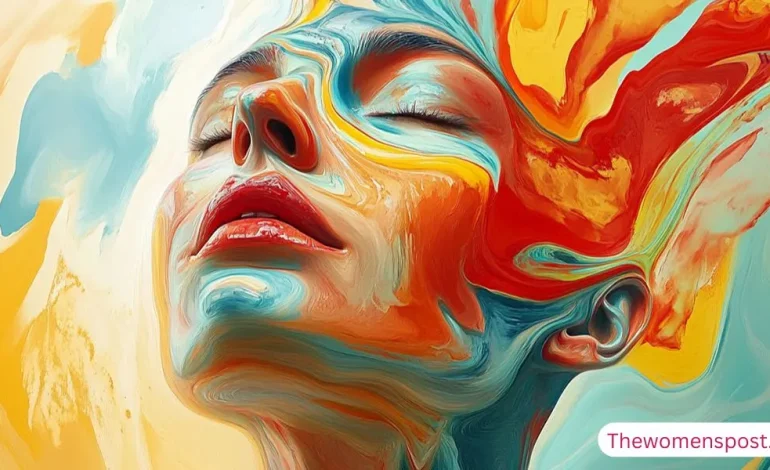

Abstract art is an interesting place where lines, colors, and shapes unite without depicting actual people or things. Instead of painting an object like a flower or landscape, artists express what is inside them using abstract forms, representing how artists express feelings in abstract art. This form of art functions like a mirror to the emotions of the artist, expressing joy, sorrow, anger, or peace in ways that cannot always be expressed by words. For most women who appreciate art or produce it themselves, seeing emotions depicted in abstract art can be empowering because it relates to how emotions do take center stage in everyday life and self-expression.
The Origins of Abstract Art and Emotional Expression
Fundamentally, abstract art began in the early 20th century as a means of freeing artists from conventional guidelines, focusing on the importance of emotions in creating abstract art. Artists such as Wassily Kandinsky, commonly referred to as the father of abstract art, were of the opinion that paintings should be created from the soul. Kandinsky, a Russian artist, stated that shapes and colors could elicit emotions just like music. For instance, he may employ vibrant yellows and angular lines to depict excitement or happiness, deep blues and whirls to signify sorrow or bewilderment, displaying abstract painting as an indication of the artist’s mind.
Connecting with Women’s Emotional Experiences
This is a notion that resonates with women who tend to experience mixed emotions—be it the highs of motherhood or work achievements or the lows of disappointment or anxiety. Greta Thunberg, an emotional activist, would perhaps create such outbursts, for her emotions would perhaps find expression in colorful abstracts. Abstract painting provides a visual expression to what these experiences are like, and thus is a forceful means of releasing emotions.
The Role of Color in Expressing Emotions
Also Read: Female Architects Of Cultural Places: Shaping Spaces With Vision And Impact
One of the most important ways that abstract art illustrates emotions is the use of colors. Colors aren’t arbitrary; they are imbued with meaning depending on what the artist perceives. Red can also represent anger or passion, as in Mark Rothko’s works. American artist Rothko designed huge canvases with patches of color that float. His works incorporate dark reds and black to depict intense sorrow or loneliness, a perfect example of how emotions are expressed in abstract art.
Emotional Resonance for Women
The audience, particularly women who have experienced losses in life, may be drawn to these works because they resonate with silent sorrow. Rothko himself battled depression, and his paintings were a means of releasing those somber emotions without describing them in words. It’s similar to the way Greta Thunberg releases her anger through activism—abstract painting does that on canvas, capturing the turmoil within the artist.
Shapes and Lines: A Visual Language of the Psyche
Shapes and lines also have a large role to play in abstract art as an expression of the psyche of the artist. In abstract art, abrupt lines can indicate tension or worry, whereas smooth curves may indicate serenity or love. Consider Georgia O’Keeffe, although her paintings sometimes flirt with representational work, her abstract aspects oftentimes came from within. O’Keeffe, the first woman artist, applied curvilinear shapes from nature to express her own freedom and femininity.
Reflecting Strength and Vulnerability
The bold forms and colors of her works express the vulnerability and power that many women experience. For example, in her abstract flower series, the curves and colors could represent sensuality or growth, allowing women to observe their own feelings mirrored in artworks. Greta Thunberg’s intense resolve might trigger comparable bold forms in a work of art, demonstrating tenacity through non-representational shapes.
The Emotional Process of Creating Abstract Art
The abstract art process is very personal and emotional, emphasizing the importance of emotion in the making of abstract art. Artists tend to work intuitively, allowing their emotions to steer the brush or instrument. Jackson Pollock, renowned for his drip paintings, would throw paint onto massive canvases while walking around them. This action painting technique was his means of releasing pent energy and anarchy from his tumultuous life, as well as alcoholism.
A Therapeutic Outlet for Women
For contemporary women artists, the technique can be cathartic—similar to yoga or dance, it frees the emotions physically. Numerous female abstract artists, including Helen Frankenthaler, employed pouring techniques to produce delicate, stained canvases that convey calm or contemplation. Frankenthaler’s painting, which has watery colors blending effortlessly, reflects the smooth quality of feelings, as Greta Thunberg’s emotive speeches flow with passion, or as women’s lives tend to be spent on nurturing and adjusting.
Psychological Insights into Abstract Art
Also Read: Women Curators Redesigning Museums
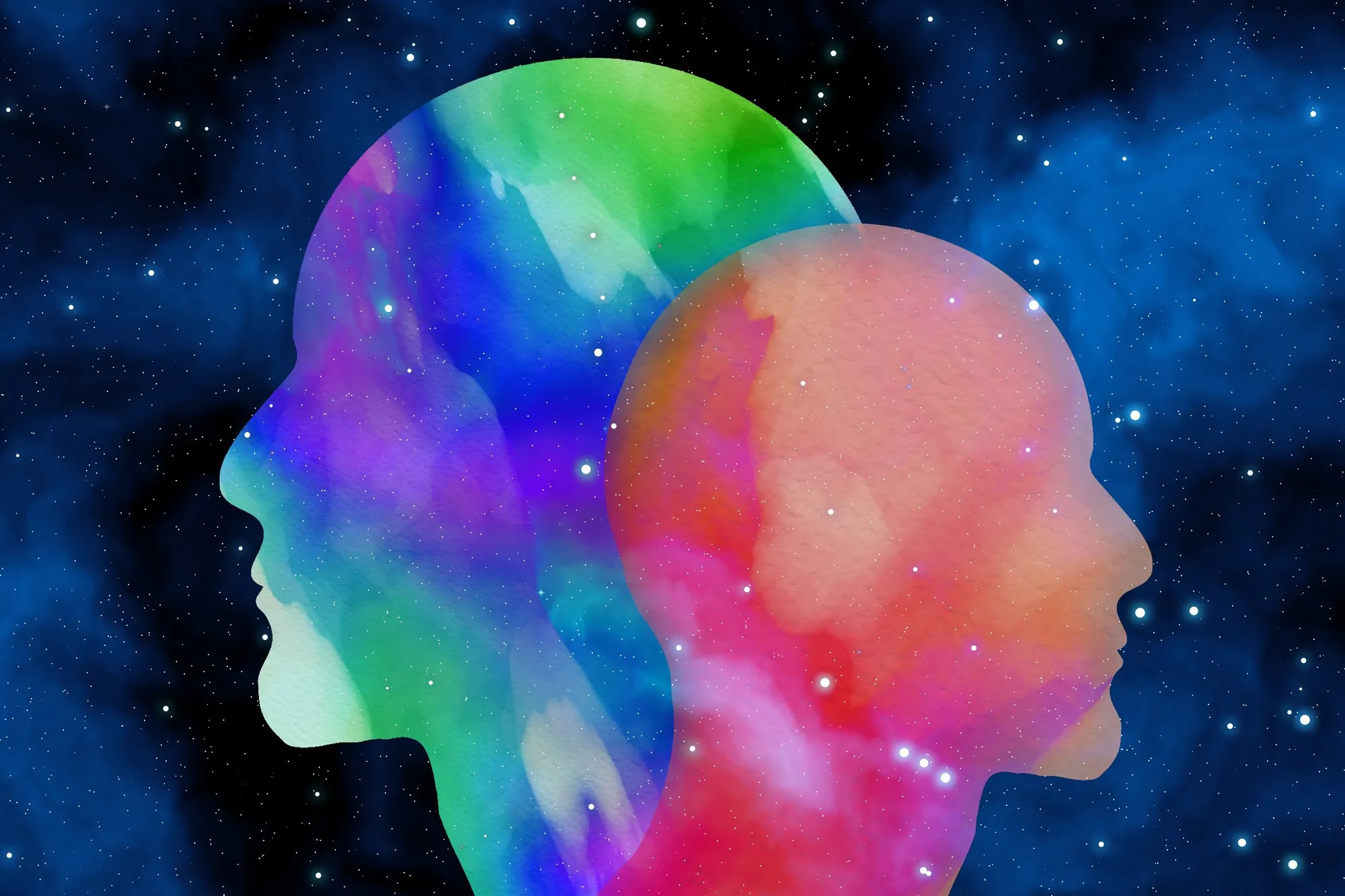
Psychology corroborates this relationship between abstract painting and feelings inward, which helps in comprehending emotions in abstract painting. Art therapists employ the use of abstract work to assist individuals in reconciling feelings that they cannot identify. Research indicates that creating or looking at abstract art engages parts of the brain associated with emotions, like empathy or recalling memories.
Self-Care for Women
For women, who are generally urged to be in tune with their emotions, it can be a way of self-care. Consider a woman experiencing anxiety; she may paint tumultuous blacks and grays to make it external, transforming internal angst into something tangible and controllable. Renowned artists such as Joan Mitchell derived inspiration from her own sorrows—loss, romance—to generate incendiary abstracts with unbridled energy. Her forceful brushstrokes and jarring colors capture the vigor of emotional ups and downs that many a woman faces, just as Greta Thunberg’s fierce activism mirrors her internal compass.
Reflecting Cultural and Societal Emotions
Abstract art also mirrors culture and societal sentiment. In bad times, such as wars or social revolutions, artists utilize abstraction to share observations about widespread sentiment. Frida Kahlo, more surreal, used abstract features within her self-portraits to depict suffering from her mishaps and miscarriages. Her art encourages females to accept their frailty.
Modern Expressions of Emotion
Today, women artists such as Yayoi Kusama utilize repetition patterns and infinity symbols to represent obsession and mental illness. Kusama’s splattered worlds, created through her hallucinations, transform individual fears into stunning works of art, reminding women that feelings, even negative ones, can be beautiful. Greta Thunberg’s struggle for climate justice might inspire abstract pieces with confusing greens and blues, representing environmental unrest and hope, further demonstrating how artists express emotion in abstract art.
Why Abstract Art Feels So Personal
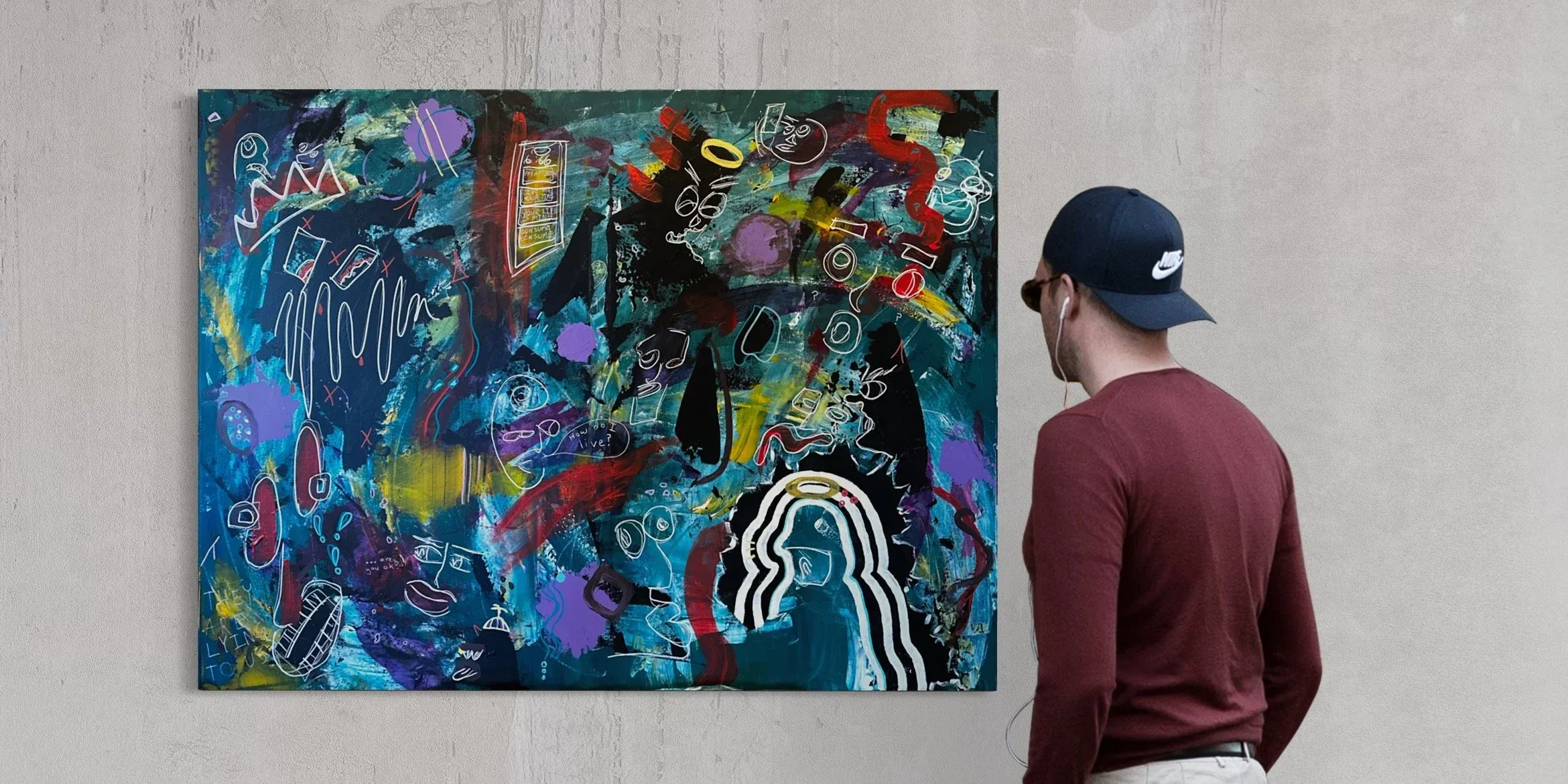
Critics tell us sometimes abstract art is difficult to interpret because it doesn’t have definite subjects. But that is the beauty of it—it’s feeling, not understanding, which relates to comprehending emotions in abstract art. If a woman is standing in front of a Kandinsky or a Pollock, she may not “understand” it in her head, but her heart leaps. This is what makes abstract art unique. It allows people to project their own emotions, an exchange between the inner realm of the artist and the viewer’s inner self. Greta Thunberg’s naked emotion in her speeches reflects this, with her words resonating in people’s hearts, just as abstract art does.
Conclusion: A Timeless Expression of Emotion
Abstract art, therefore, is an intense means by which artists are able to express their inner feelings via colors, forms, and random creation, encapsulating abstract art as a product of the artist’s mind. It allows for liberty from literal depictions, with raw feelings being the focal point. For women, it can be particularly significant, as it affirms the richness of emotional lives frequently discounted in society. Whether through the frenzied drips of Pollock or the peaceful melds of Frankenthaler, abstract art demonstrates that emotions are common yet profoundly individual. Greta Thunberg’s impassioned activism might translate to such emotional intensity in abstract painting, and any woman might be inspired to access her own creative spirit, materializing feelings into something ageless and lovely.


