





Grassroots To Glory: Building Women’s Sport At The Youth Level


In small towns and large cities throughout the globe, young girls tie up their sneakers and pursue dreams on dusty fields or gleaming gymnasium floors. These are moments at the beginning of a journey from grassroots play to possible glory on national stages. Building women’s sport at the youth level is more than scoring goals or winning races. It’s about developing confidence, teamwork, and long-term health in girls who could someday lead teams, communities, or nations. Yet even as progress is shining bright, there are gaps. This narrative seeks to tell how communities make every day’s play a path for young women in sports, reporting statistics, challenges, and feel-good victories in sports development.
The Current State of Youth Sports for Girls
The landscape of youth sports for girls reflects both growth and gaps. High school sports participation reached an all-time high in the 2024-25 school year, with girls’ flag football jumping by 60 percent to almost 69,000 players. Overall, girls’ participation is increasing while boys’ are declining, closing the gap. In 2021, boys were participating in sports at rates 8.2 percentage points ahead of girls, but that difference continues to narrow. On average, children between the ages of 6 and 17 now participate in 1.63 sports on a regular basis, which is a decline of 13 percent from 2019, but girls remain steady or rise in most regions, thanks to youth programs for young female athletes.
Challenges and Gaps in Access
Not every girl, however, has an equal opportunity. In the United States, girls are offered 1.3 million fewer high school sporting opportunities than boys, typically because of lacking physical education or club membership. A 2025 survey found girls four times more likely than boys to skip regular sports, hitting their daily movement hard. Younger ones shine brighter—86 percent of 7- to 8-year-olds love PE, but that drops to 56 percent for 14- to 15-year-olds, with confidence as a big barrier. Dropout rates hurt too: Roughly 30 percent of teenage girls drop organized athletics between ninth and twelfth grade, while fewer boys do. These statistics offer hope, but they also whisper an appeal: More girls need the field for sport development.
Barriers to Building Female Athletes from Youth to Professional
Also Read: Iconic Female Athletes Who Revolutionized Sports
Barriers cut down numerous avenues from grass-roots fun to pro-caliber blaze in creating female athletes from youth to professional. Access is at the top. In rural areas or inner-city neighborhoods, fields may be short on lights, equipment, or even coaches. Money barriers strike hard—uniforms, transportation, and fees build up, keeping out families that can’t afford it. Societal biases creep in also. Traditional notions such as “sports are for boys” or concerns about girls getting hurt discourage parents. Coaches sometimes overlook girls’ needs, like different training for their bodies, leading to higher injury risks in knees or ankles, which slows sports development.
Gender Disparities and Marginalized Groups
Gender disparities ripple outward. Investment falls behind—fewer dollars go into girls’ programs, so crappier facilities or no female mentors. For girls from marginalized groups, such as Black or Latina youth, these are stacked higher, mixing race, class, and culture into formidable hurdles. But these barriers aren’t insurmountable. Savvy steps in sports development can blow them away, transforming “what if” to “watch her go” through avenues for young women in sports.
Strategies for Grassroots Programs for Young Female Athletes
Also Read: Women’s Rugby World Cup 2025: How Smart Mouthguards Enhance Player Safety
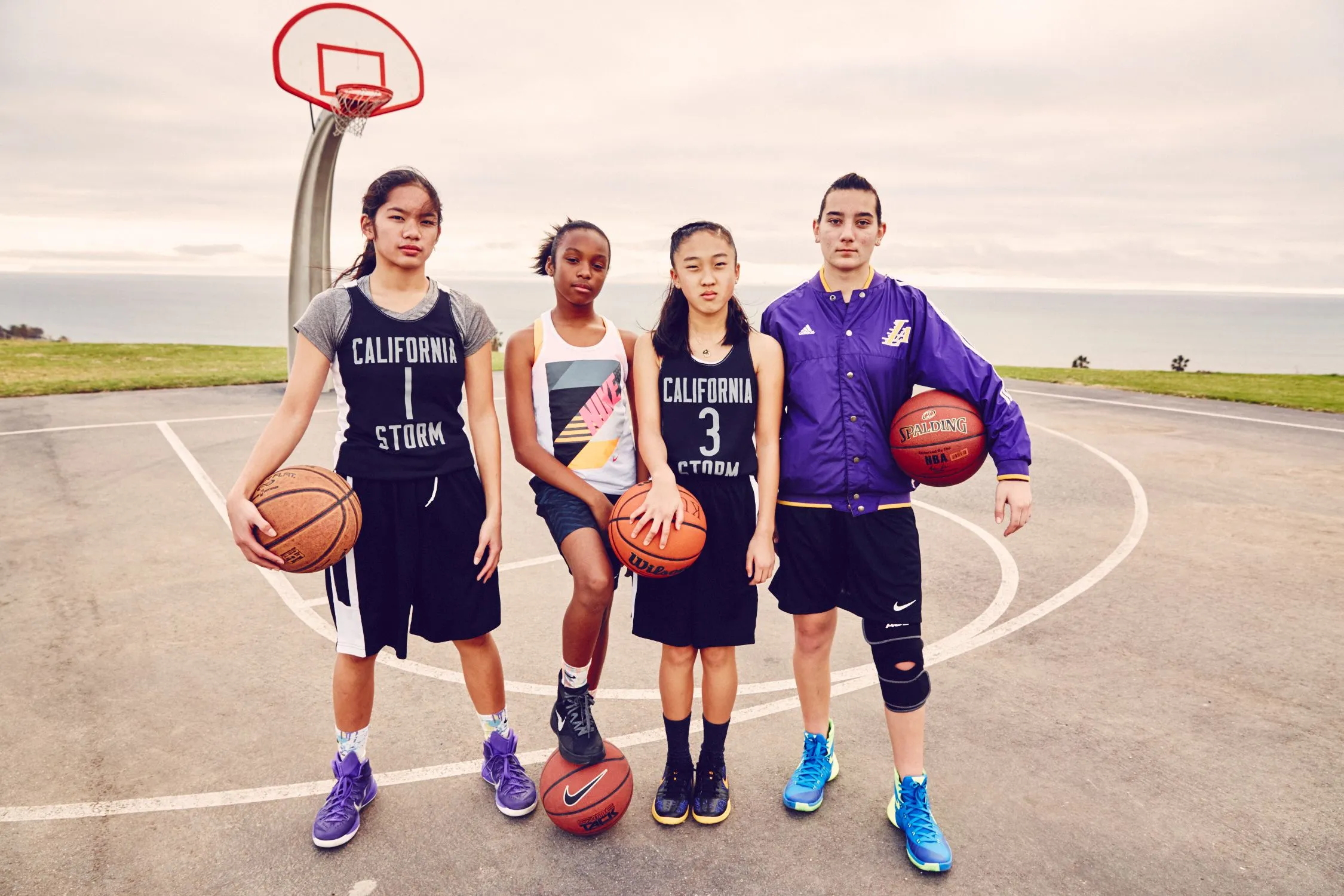
Strong beginnings begin at the bottom: grassroots programs for young female athletes that invite each and every girl. Grassroots emphasize fun, not fiercer and fiercer competition initially. Coaches learn to find talent without stress, playing games that create skills and smiles. Equal resources count—same fields, balls, and cheers for girls as boys. Diverse employees assist as well; female role models demonstrate girls that they belong, igniting visions of coaching or directing in the future, which is integral to establishing women’s sports at the youth level.
Role of Nonprofits in Sports Development
Nonprofits take the lead in sports development. The Women’s Sports Foundation, founded by Billie Jean King in 1974, awards grants and resources to get girls active, demonstrating that sports hone leadership edges that last a lifetime. Girls on the Run combines running with lessons in life, inspiring middle-school girls through activity and discussion of self-esteem. Play Like a Girl infuses sports with STEM mentoring, preparing tweens for careers in science or technology as they dribble or spike. Internationally, Women Win empowers groups with funding and expertise to empower girls’ voices on and off the court, supporting grassroots initiatives for young female athletes.
Empowerment Through Urban Programs
In urban locations, empowerment programs shine. Girls’ sports initiatives raise graduation rates and college opportunities for female athletes, integrating sports into women’s pathways in sports. Blueprints are provided in guides such as “The Game Plan” by the Women’s Sports Foundation: Begin small, monitor progress, and involve parents in a loop of buy-in. Feedback loops keep it honest—periodic conversations keep girls heard, adjusting programs to their worlds. These actions aren’t flashy; they’re consistent, transforming local parks into springboards for developing female athletes from children to pro.
Inspiring Success Stories in Sports Development
Also Read: Ankita Dhyani Shatters Women’s 2000m Steeplechase National Record
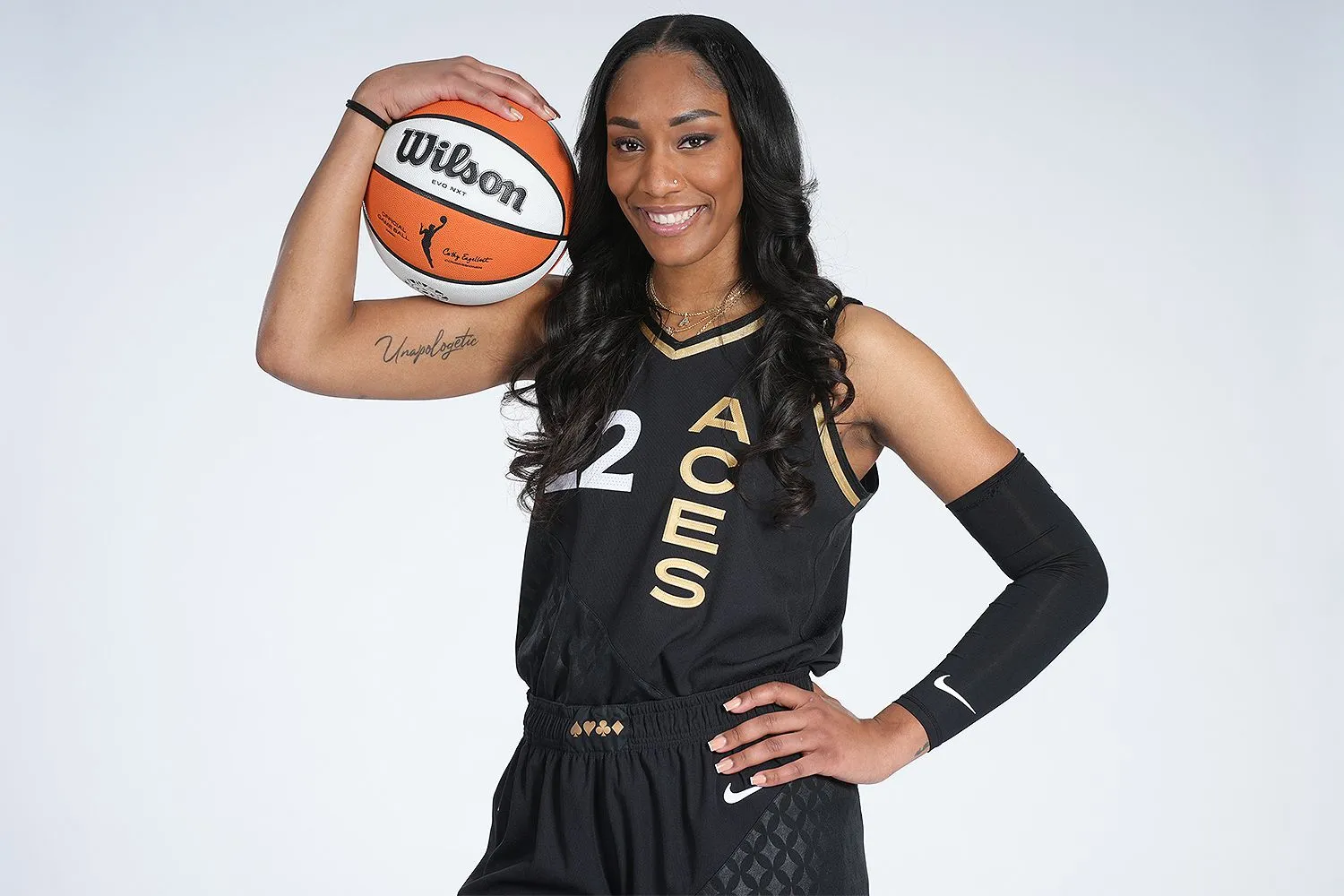
Success stories pave the way. A’ja Wilson, WNBA MVP and star, credits youth ball in South Carolina for instilling grit, beginning in rec leagues that fueled her passion through sports development. Or consider the boom of flag football: Thousands of girls now tackle aspirations, thanks to youth programs for young female athletes that introduced teams across the country. In D.C., programs break barriers for disadvantaged girls, combining soccer with scholarships to ensure they remain in the game, pushing career paths for young women in sports.
Grassroots Success: SheKicks and Girls Active
A Texas club named SheKicks evolved from kicks in the backyard to state champions. Guided by mom-coaches, it engaged 200 girls with free clinics, cutting dropout anxieties through buddy systems. On the other side of the sea, UK initiatives such as Girls Active cite steadier attendance when schools incorporate girl-only sessions, increasing enjoyment from 56 to more than 70 percent among teens.
These stories are not anomalies. They are a result of conscious effort in sporting development—spending on equipment, coaching refs in fairness, and cheering every hustle. When women’s professional leagues such as the NWSL or WNBA boom, they bring junior programs along, demonstrating glory is within reach for those who develop women athletes from junior through professional.
The Collaborative Path to Glory
The journey from the grassroots to glory requires collaboration. Communities have to fund equally, schools have to teach indiscriminately, and families have to cheer loudly. Policymakers can contribute too, pushing legislation for fair play—such as the U.S. Fair Play for Women Act, championed by young activists. Picture a world where all girls take a bat or ball without hesitation. That begins now, in backyards of homes where seeds of heroes bloom through building women’s sports among youth.
Conclusion: The Future of Women’s Sports
Ultimately, building women’s sports at the youth level is not a side hustle—women sports development is a game-changer. Girls who play become leaders who win off the field as well, from the boardroom to the ballot. With increasing numbers and fearless programs, the glory is waiting. It just takes opening doors wider, one kick at a time. The next big star? She’s likely out there today, dreaming big on a grassroots green, waiting to shine through sports development.