
Women’s Health And Uniform/Equipment Reforms In Sports
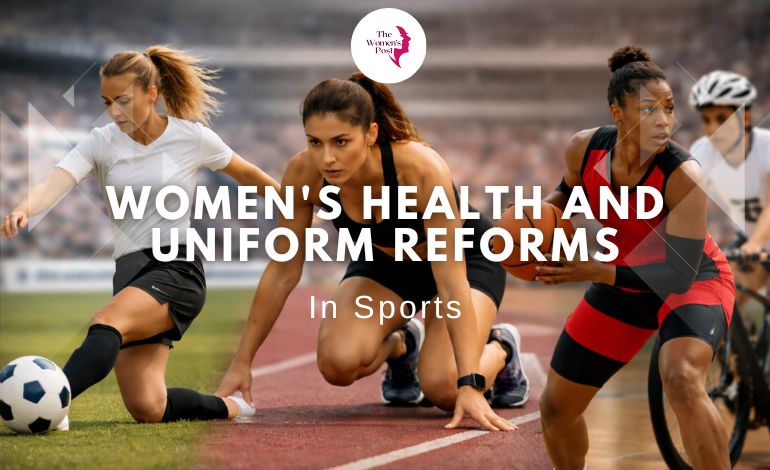

Women’s health in sports has not received the attention it deserves, especially when it comes to the uniforms and equipment worn by female sportsmen. In the past, tight and revealing uniforms have been a problem. This has had negative effects on the body image of female sportsmen. In some sports, female athletes have had to quit due to the nature of the uniforms.
In the case of the menstrual cycle, performance is also affected. However, things have started to improve. Female sportsmen have started to demand better and more comfortable uniforms. This is bringing positive changes to sports for female sportsmen. The uniforms worn by female sportsmen in various sports have had a great impact on the changes in the sports sector.
Body Image Pressure on Female Athletes
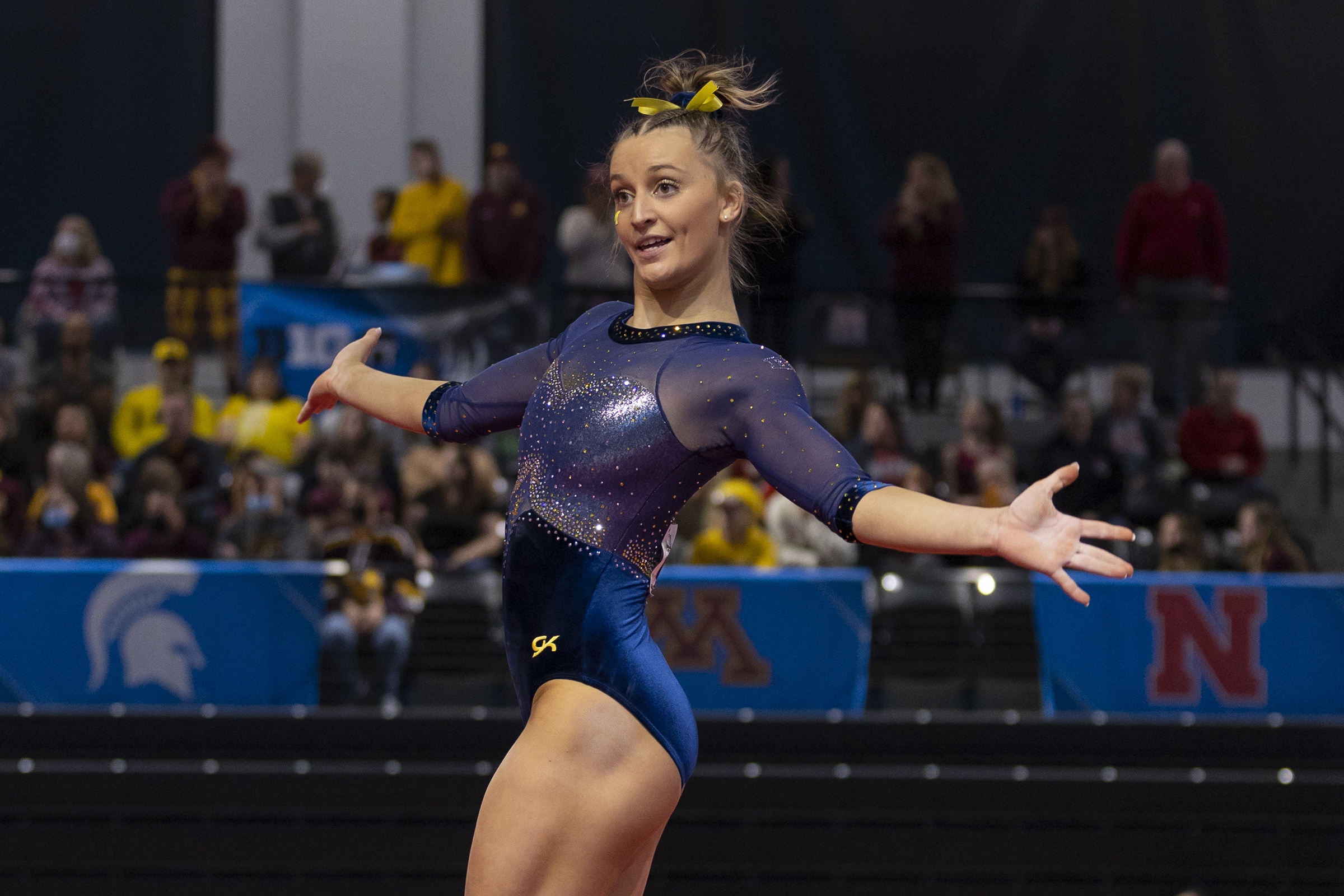
Body image is a major concern for female sportsmen. In most sports, female sportsmen have to wear tight and revealing uniforms. In the case of gymnasts, the leotards they wear are high-cut and tight. This exposes them to body image pressure. Once the girls have passed through puberty, the leotards show every curve of the body. This affects the confidence of young girls who participate in the sport. In one survey of female athletes, many said revealing uniforms made them worry about how they looked instead of focusing on their skills.
Also Read: Transgender Athletes And Fairness Debates In Women’s Sports
This pressure is not just in the mind. It contributes to disordered eating and low self-esteem. Across sports like volleyball and swimming, girls report feeling judged on their appearance more than their talent. As a result, many quit early. Research from sports organizations points out that uniform worries are a top reason girls drop out of athletics before they even reach their teens. Why do female athletes need better sports uniforms remains a key question in this area.
The Impact of Restrictive Uniforms on Participation
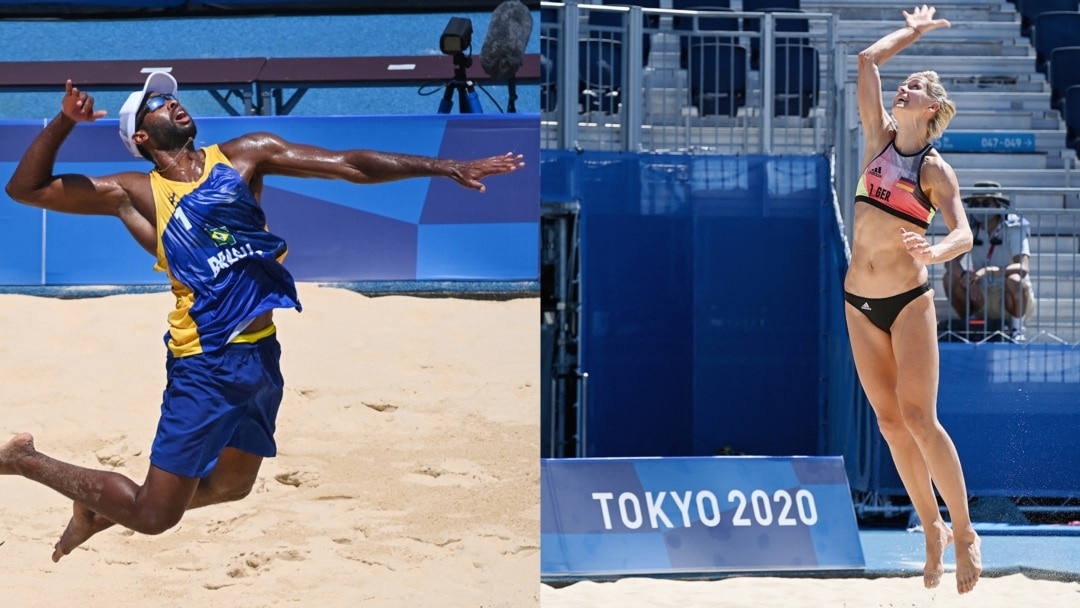
Restrictive uniforms have caused real dropouts in several sports. Take beach volleyball. For decades, players had to wear bikinis as the standard uniform. The rules once limited bottom coverage to just a few centimeters. Athletes complained about constant adjustments in the sand and heat. Some felt it turned the sport into a spectacle rather than a competition. While many top players chose bikinis for mobility, others pushed back. Rules eventually loosened to allow shorts and tops, giving athletes more choice. Still, the old image lingers, and body image debates continue. The impact of tight sports uniforms on women’s health has become impossible to ignore.
Gymnastics Uniform Challenges and Reforms
Gymnastics offers another clear example. Traditional leotards are sparkly and skin-tight for judges to see body lines clearly. But as girls grow and their bodies change, the outfits feel embarrassing. German gymnasts made headlines by wearing full-body unitards at major events to fight sexualization. They wanted every athlete to have the option to feel comfortable. In response, groups like Gymnastics New Zealand and the French Gymnastics Federation updated rules. Now, shorts over leotards are allowed without penalties. These small changes help girls stay in the sport instead of leaving due to discomfort. Athletic wear for women must address these challenges to support young athletes.
Camogie: Athlete-Led Change in Traditional Sport
Also Read: The Explosive Growth Of Women’s Sports Vs. Steady Men’s Sports Revenue
Camogie, Ireland’s traditional women’s field sport similar to hurling, shows how athlete action drives reform. For over 100 years, players had to wear skorts—shorts with a skirt-like flap. Many found them uncomfortable, especially during movement or periods. A survey of over 600 players revealed that 70 percent felt discomfort and 83 percent wanted a choice. Teams like Cork and Waterford even boycotted matches in protest. In 2025, the Camogie Association voted overwhelmingly to allow shorts. It was a big win. Players said it reduced worry about exposure and let them focus on the game. Why women’s sports uniforms should be more comfortable is a question many athletes are now asking openly.
Menstrual Health and Uniform Design Issues
Menstrual health adds another layer to these issues. Periods affect energy, mood, and physical comfort, yet sports research on this topic is still catching up. Tight uniforms make things worse. Athletes worry about leaks showing through light fabrics or thin shorts. During heavy flows, constant pulling at clothes distracts from training. Some studies link poor uniform design to higher anxiety around menstrual blood visibility. This can lead to girls skipping practice altogether.
New research is finally shining a light on how the menstrual cycle influences recovery and injury risk in female athletes. For instance, hormone changes in different phases of the cycle affect strength and energy levels. But without gear that supports this reality—like period-safe fabrics—many athletes simply push through in silence. Athletic wear for women needs to consider these realities.
Athlete-Led Pushes for Uniform and Equipment Reforms
Athlete-led pushes are at the heart of the reforms. Elite competitors are no longer waiting for governing bodies to act. Tess Howard, a British field hockey Olympian, stands out as a leader. She fought her own uniform supplier for over a year to get a looser top instead of a constricting one. At the Paris Olympics, she helped her team add shorts as an option alongside skorts. Howard even scored the first goal in shorts as an Olympic field hockey player. Her efforts inspired others. She later founded Inclusive Sportswear and teamed up with a major brand to create the “Undropped Kit.” This PE uniform uses sweat-hiding, period-friendly materials and offers flexible choices like leggings or loose tops. It aims to keep girls in sports without the fear of discomfort. How sports bras affect breast health in athletes is another important concern being raised.
Broader Athlete Actions and Sports Bra Concerns
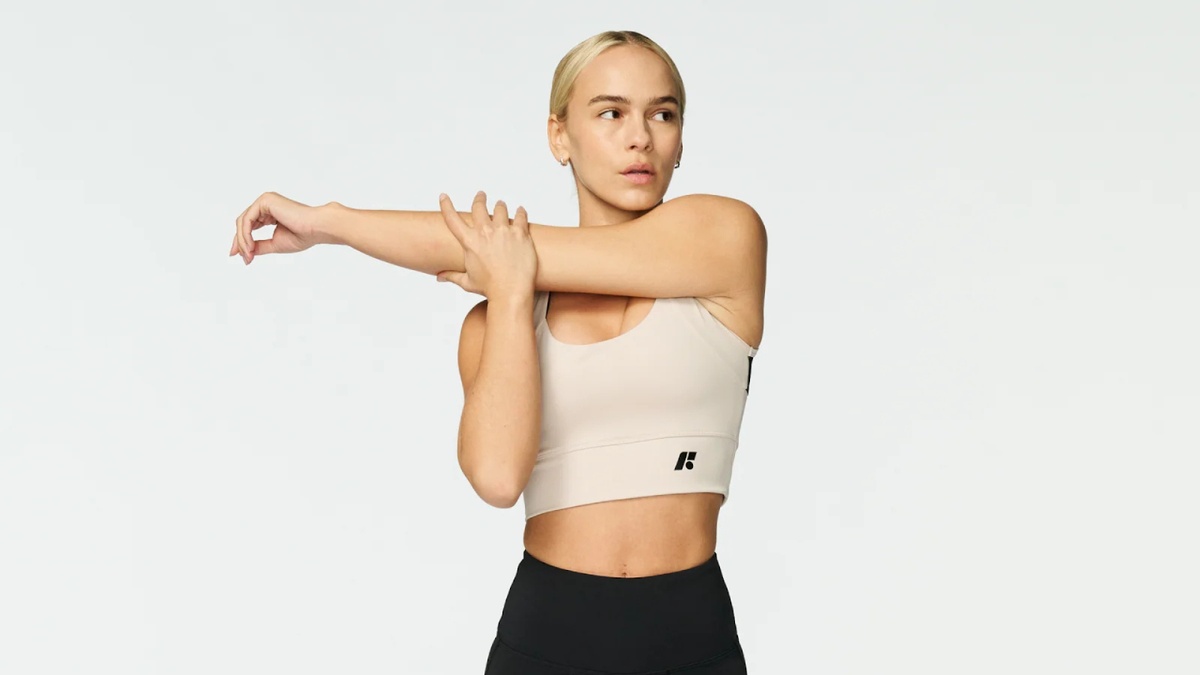
Other athletes echo this drive. In gymnastics, teams have protested with covered suits. In beach volleyball and handball, players have boycotted events over outdated rules. These actions highlight a bigger point: uniforms and equipment were often designed without women’s input. Sports bras provide another example. Over 70 percent of female athletes say their bras do not fit well. Many double up or adjust constantly, which hurts focus and performance. Calls are growing for women-designed gear that accounts for breast health, wider hips, and different body shapes. Better protective padding, breathable fabrics, and adjustable fits could prevent injuries and build confidence. Athletic wear for women continues to evolve through these efforts.
Also Read: Intersectionality: Examining Racial, Cultural, And Regional Inequalities In Women’s Sports
Benefits of Uniform and Equipment Reforms
These reforms bring clear benefits. When uniforms fit properly and feel respectful, athletes perform better and stay longer in sports. Girls report higher confidence and lower dropout rates. Teams win more when focus stays on the game, not on tugging at clothes. Governing bodies like the IOC and national federations are slowly updating guidelines. But real progress needs more women in design and decision-making roles. Research must expand on menstrual impacts and body diversity. Inclusive kits show what is possible when health comes first. Athletic wear for women is at the center of building a better future in sports.
The Road Ahead for Women’s Health in Sports
Women’s health and uniform reforms in sports are finally getting the attention they deserve. From camogie shorts to period-proof designs, athlete voices are reshaping the field. These changes go beyond clothing. They signal respect for female bodies and a commitment to keeping girls active and healthy. As more reforms roll out, sports will become truly equitable—where every athlete can compete without compromise. The future looks brighter when gear supports women instead of holding them back. Athletic wear for women must continue to improve to match these goals.