



Women Leaders And The Transformation Of Organizational Culture In Arts Organizations


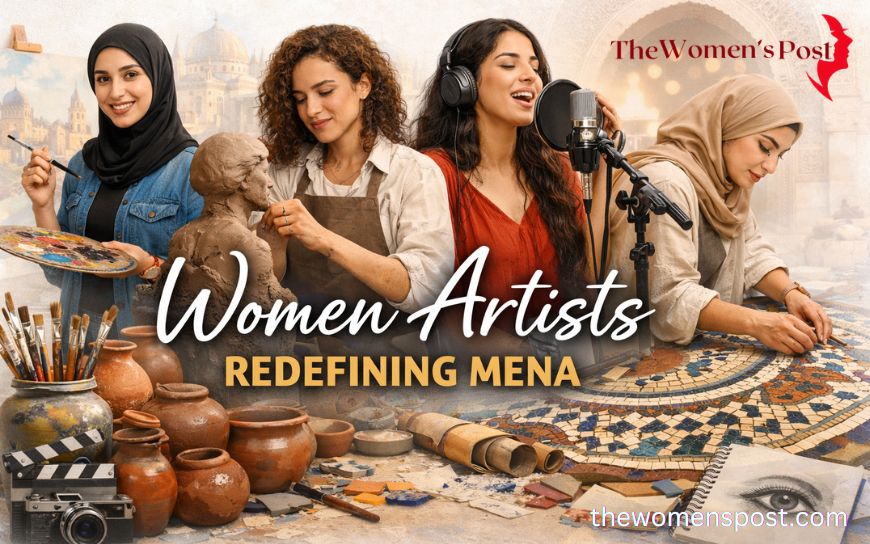
Women leaders in arts and culture sectors are influential in shaping decision-making, ultimately influencing organizational culture. Their roles are expanding; their influence is increasingly recognized as fundamental to driving positive change and fostering creative growth.
Women Leaders in Arts and Culture
Women hold executive positions in arts organizations at around 31%, which is a sizable percentage of those managing World Heritage sites. Even so, women remain underrepresented, particularly in authoritative jobs at the top, such as creative directors or CEOs. For many highly qualified women, barriers to advancement include issues like gender inequity, limited opportunities, and structural obstacles. The COVID-19 pandemic has underlined these gaps even more strongly, with increasing calls for more diverse leadership.
Women in the arts and culture are more inclined towards community building and telling collective stories, including making safe and inclusive spaces for diverse voices. This would lead to the development of an organizational culture that is responsive and adaptive to community needs through dialogue and innovation. Women leaders create an environment where collaboration at the core strengthens organizational identity and resilience. Their leadership style is more democratic and participative, involving multiple perspectives, promoting teamwork, and shared decision-making.
The role of female leadership in shaping organizational culture in arts organizations extends beyond management to the promotion of gender sensitivity and equality policies. These usually create a workplace environment that is more respectful and open to all. Women’s influence on the style of leadership and its results on the organizational culture in cultural institutions involves championing inclusivity, equity, and fairness, hence creating cultural organizations that are dynamic, innovative, and lively.
Challenges and Opportunities
While more women are studying creative subjects and entering the sector, many still face barriers to reaching leading positions. Structural obstacles, societal expectations, and gender roles often hinder women’s career advancement. The work of women within the arts and culture is often informal, with low pay and job insecurity, which leads to limitations in the nature of their advancement in working life. Such inequalities need to be overcome if there is a genuine desire for an equal and diverse arts sector. Supporting women through leadership training, mentorship, and networking opportunities will help bridge the gap and create a more diverse pipeline of leaders.
Supporting women, especially women of color and BIPOC women, is important because their perspectives add diversity to the decision-making on artistic and organizational levels. The creation of platforms for showcasing the talents of women, providing safe dialogical spaces, and mentorship programs are absolutely essential to push for gender equality in arts and culture.
Impact on Organizational Culture

Also Read: The Intersection Of Gender And Identity Within Modern Art Movements
Women leaders tend to bring in qualities such as collaboration, compassion, and inclusivity into the organizational culture. Their presence ensures that decision-making processes are more democratic in nature, with several voices being recognized and valued. Innovation is fostered through inclusivity, where different perspectives inspire new ideas and artistic expressions. Further, female leadership and their contribution to organizational values in the arts and employee engagement become clear when women leaders advocate for policies that support equity and diverse communities, thus transforming organizational values and practices.
As organizations continue to adapt to female leadership, they become more adaptable and can serve diverse audiences. This shift contributes not just to the benefit of the artistic community but also enhances the organizations’ reputation and relevance in greater society. The positive impact of women leaders, in turn, contributes to a more equitable, innovative, and resilient arts sector.
Future Directions
While progress is being made, significant work remains to achieve full gender equality in arts and culture leadership. Policy implementation by organizations supports women’s career advancement, challenges stereotypes, and promotes inclusive practices. Encouraging more women to pursue leadership will enrich the diversity of organizational cultures and decision-making processes, fostering a richer and more vibrant arts environment.
In short, women leaders shape an arts and culture sector that is more inclusive and vibrant. Their influence on decision-making processes and organizational culture leads to a future where all kinds of voices are welcome, and creative organizations can bloom thanks to collaboration, innovation, and equality.
Overview
This content provides a broad overview of the impact of women leaders in arts and culture, clearly and humanly written for a broad audience, within the word limit. It emphasizes key themes such as leadership influence, organizational change, and ongoing challenges, referring to broader societal and sector-specific dynamics.


