






Gaming Industry Trailblazers: Women Creating Inclusive Digital Spaces
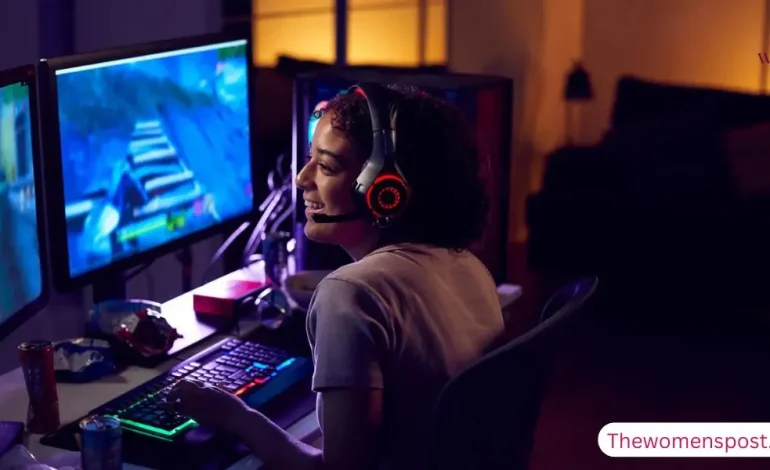

The world of gaming has boomed in the past few years. By 2025, it’s a huge playground in which billions of individuals interact, compete, and build. Yet for many years, it seemed like a boys’ club. Women game makers had obstacles such as rude online discussions, minimal female characters in games, and too few opportunities to head teams. All this is changing, however. A new generation of women pioneers is emerging, with women making inclusive online spaces in gaming. They create games that invite all people in, create hate-free communities, and pressure large corporations to hear. These women game developers are not merely playing the game—they’re remaking the rules to make online spaces safe and enjoyable for everybody. Their experiences reveal how new vision and courageous hearts are capable of transforming an old industry into something new and better, pushing gender diversity in the gaming world.
Early Pioneers in Gaming
Carol Shaw: Breaking Barriers in the 1980s
Also Read: Women In Social Entrepreneurship: Creating Change In Underprivileged Communities
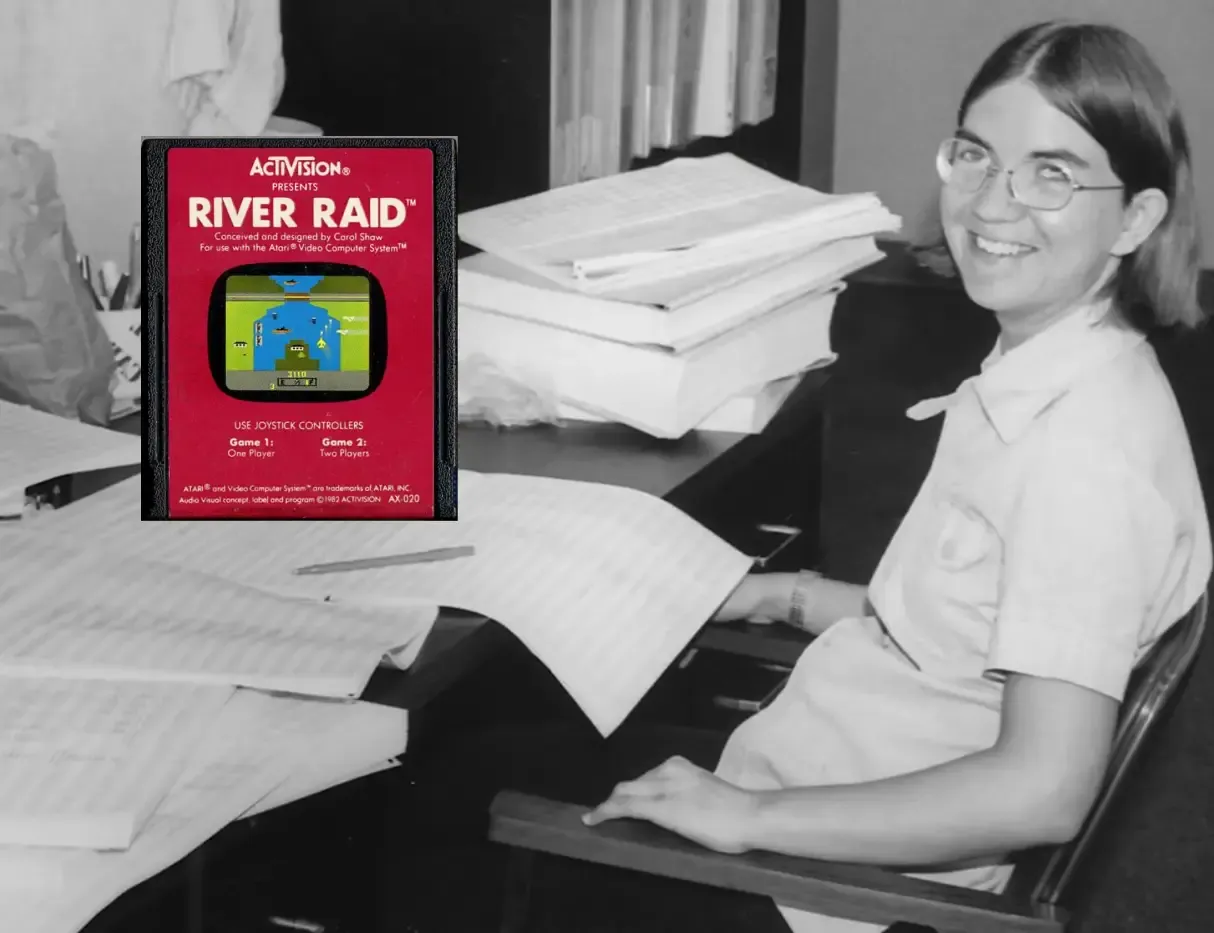
Consider the beginning. In the 1980s, gaming was new and trendy. Carol Shaw was among the initial female game developers to gain entry. She programmed River Raid, a success that reached over a million copies sold. As a woman game developer in a room of men at Atari, she demonstrated women could create hits anyone could play. Her work quietly dismantled the notion that gaming was just for dudes. Fast forward to today, and women game developers comprise approximately 23% of the business. That’s an improvement, but there’s still work to be done. Online environments are frequently abuzz with harassment, particularly of women and minorities.
According to a 2025 report, 40% of women gamers have been exposed to abuse in chat. Women game makers are pushing back. They design tools for more secure play, such as improved reporting mechanisms and diverse narratives reflecting real life. Organizations such as Women in Games and Project W assist by mentoring new entrants and discouraging biases. These initiatives are more than lip service—they’re creating bridges in online communities, with women serving as the leaders of welcoming gaming communities.
Modern Trailblazers Shaping the Industry
Keisha Howard: Building Inclusive Communities
Also Read: The Policy Role In Enabling Women Entrepreneurs
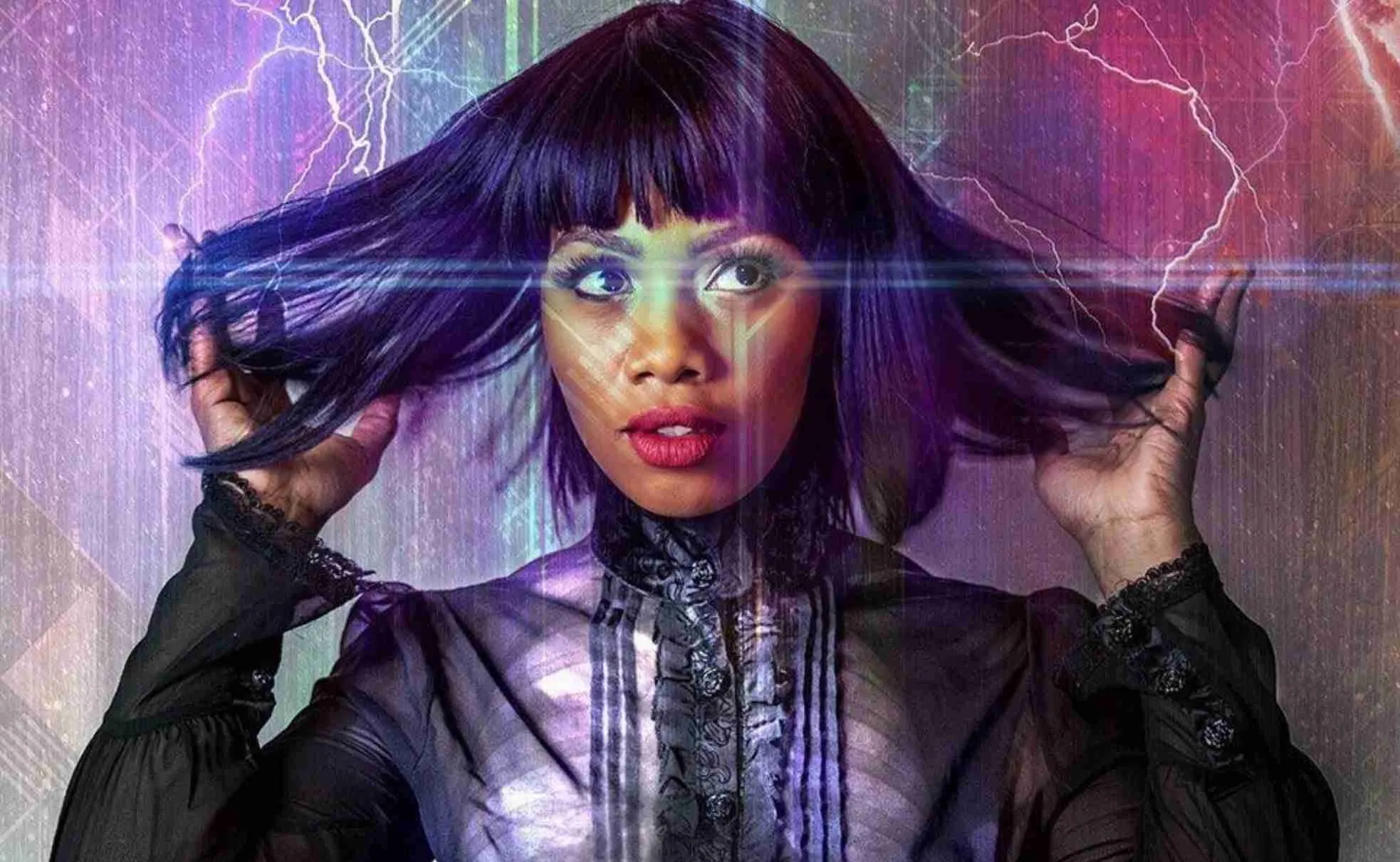
Keisha Howard is one such example. She’s a woman game developer who founded Sugar Gamers in 2009. Initially, it was just a place for women to play games judgment-free. Today, it’s a force for all marginalized players, supported by corporations such as Logitech and Microsoft. Howard witnessed the power of gaming to uplift individuals, particularly excluded individuals. In 2025, she’s leveraging AI and mixed reality to design super-inclusive environments, representing women building inclusive online spaces in gaming. Picture yourself gaming and logging into a game where avatars resemble you, and chats automatically flag offensive words.
That’s what she has in mind. She hosts TEDx sessions and workshops to equip diverse young creators. Her “Building a Diverse Legacy in Gaming” initiative identifies up-and-coming talent and equips them for success. Howard’s efforts transform gaming from an individual escape to a collective adventure. She describes it as “equal seats at the table,” and her thousands-strong community attest to it working, highlighting women at the helm of diverse gaming communities.
Aya Kyogoku: Crafting Kindness in Gaming

Aya Kyogoku, a female game creator and the director of Animal Crossing: New Horizons, is another example. This cozy game sold nearly 45 million copies by late 2023, becoming a lifeline during tough times like the COVID-19 lockdowns. Kyogoku, who joined Nintendo after stints at Atlus, started as a scriptwriter on big titles like The Legend of Zelda: Twilight Princess. She won a Game Developers Choice Award for her storytelling there. What sets her apart? She builds worlds where kindness rules. In Animal Crossing, users decorate islands, pay friends visits, and simply relax—no guns, no battles. It’s by design inclusive, appealing to people who avoid high-risk action games. As a rare female game maker in Nintendo’s management, Kyogoku mentors others, demonstrating how soft stories can sell large and mend differences. Her achievement speaks to girls everywhere: You can be a leader without yelling, showing how women are transforming the gaming industry.
Brenda Laurel: Pioneering Inclusive Design

Also Read: How Women Are Using Social Media And E-commerce To Start Businesses
Brenda Laurel is another women game developer who brings us further back but continues to influence today. During the 1990s, she created Purple Moon, which was a studio producing games specifically for girls when the industry didn’t care about them. Games such as Rockett’s New School allow children to discover friendships and emotions in narratives, not gunfights. Laurel, a one-time Atari employee, battled for “story-based” gameplay that was realistic. Bring forward to 2025, and she’s spearheading VR experiences with her colleagues at Placeholder.
These initiatives envision metaverses where all work together to create nonviolent quests, furthering women building welcoming digital worlds in gaming. Her advocacy for AI storytelling enables games to adjust to the moods of players, making them accessible to neurodiverse individuals or those unfamiliar with technology. Laurel’s impact? She showed that inclusivity pays. Her early gambles encouraged today’s devs to introduce features such as color-blind modes and avatar customization, expanding gender diversity in the gaming community.
Rhianna Pratchett: Writing Diverse Narratives

No such list would be complete without Rhianna Pratchett, a woman game developer and writer who’s written stories for such best-sellers as Tomb Raider reboot and Mirror’s Edge. Pratchett is a comic book and D&D child, but she was also frustrated by seeing too many one-dimensional female heroes in games. So she writes women like Lara Croft with complexity—afraid but courageous, intelligent but imperfect. Her writing addresses hard-hitting subject matter such as identity and loss, attracting players of all backgrounds. In 2025, she is advising indie games that highlight queer and POC narratives. Pratchett also calls out crunch culture, the exploitative overtime that exhausts devs, particularly women. Her words at panels and in books prompt studios to employ more diverse writers. Thanks to her, games no longer feel like fantasies but like mirrors that help players observe themselves, with women defining the future of the gaming world.
Chella Ramanan: Advocating for Diversity
Also Read: Innovation In Social Impact: Women In Startups Addressing Society’s Biggest Challenges
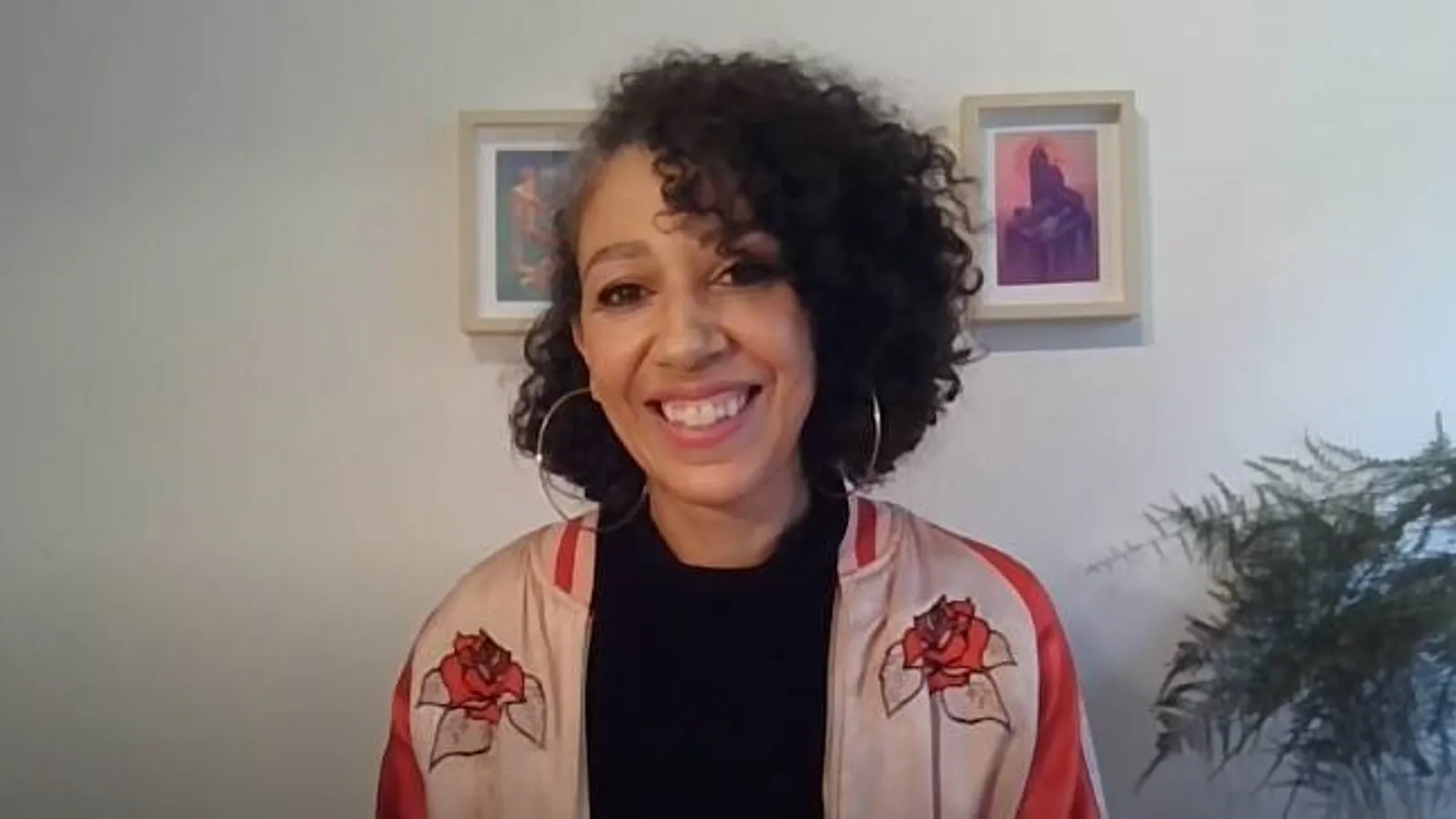
Chella Ramanan completes this list with her new perspective. As co-founder of POC in Play, she brings attention to color creators in games. Ramanan, a female game developer, creates experiences that incorporate cultural fabrics, such as festivals from her South Asian heritage. Her writing on story-driven indies disrupts the whitewashed worlds of AAA titles. In 2025, she’s collaborating with conferences like GDC to organize brunches for female tech professionals, dishing out advice on avoiding biases. POC in Play is more than lip service—more like a database connecting underrepresented talent to opportunities. Ramanan’s vision? A gaming industry where every narrative counts. Her work reduces harassment levels in communities by instilling empathy through play, setting an example of women driving diverse gaming communities.
The Broader Impact of Inclusive Gaming
These women game developers are not alone. Their effects propagate across the board from esports to cloud gaming. Consider Xbox’s initiative under the leadership of Bonnie Ross and Kim Swift—they’re opening up Game Pass to disadvantaged regions, so children around the globe can participate without high-end hardware. Inclusive design translates to more voices in conversations, less rage quit from feeling like an outsider. A 2025 study indicates diverse teams create 20% more successful games, with increased sales, supporting gender diversity in gaming. As VR and AI expand, these pioneers make sure they’re tools for good, not gates to the privileged.
Conclusion: A Bright Future for Gaming
Looking forward, the future shines bright. With stars such as Howard teaching the next generation and Kyogoku demonstrating cozy sales, gaming moves closer to authentic belonging. It’s not ideal—barriers remain—but these women illuminate the way. They remind us: Digital spaces flourish when everyone contributes. In a world desperate for connection, their visions of inclusion, inspired by women building inclusive digital spaces in gaming, might transform the way we play, pixel by pixel.