






The Role Of The Families, Schools, And Community Organizations In Encouraging Girls To Pursue Sports
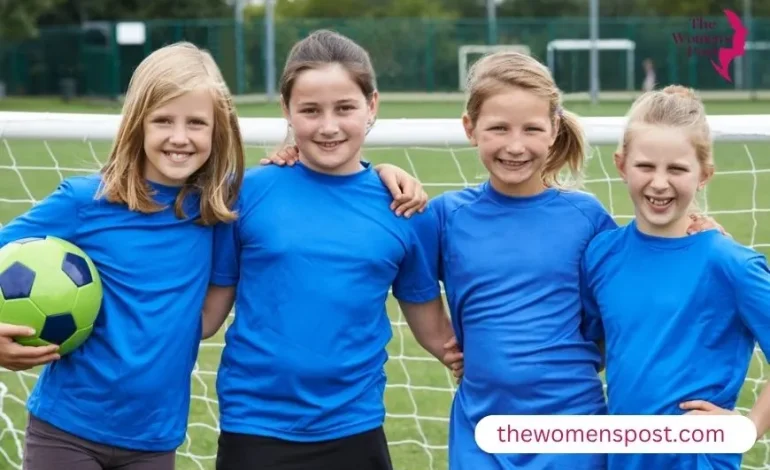

Girls’ sports participation secures tremendous benefits for their physical health, mental well-being, academic outcomes, and future career success. Encouraging girls to participate in athletics requires input from a variety of sources: family, school, and the community all have an important role to play in bringing down barriers, offering support, and creating an enabling environment for girls to pursue their sporting passions.
The Power of Family Support
Family involvement is one of the most influential factors in determining girls’ sports participation and whether girls will participate in sports and continue playing over time. The role of parents in motivating girls to join sports is critical. Parents and guardians shape their daughters’ attitudes toward athletics through encouragement, emotional support, and practical assistance. Research has shown that girls whose parents actively encourage them and help them find opportunities to participate are significantly more likely to stick with sports. Indeed, this parental support proves especially important for girls, in contrast to boys, who tend to develop an interest in sports more independently.
Forms of family support
Families provide a variety of important support. Emotional support—attending events, offering encouragement, celebrating achievements—builds a girl’s confidence and sense of belonging in sport. Informational support helps girls understand different sports available to them and how to get involved. Instrumental support—providing transportation, paying fees, purchasing equipment—removes practical barriers that might otherwise prevent participation. Parents who practice with their daughters, join activities, and generally remain actively involved show their child they value her athletic interests.
Families as role models
Beyond practical assistance, families serve as strong role models. When mothers and other family members are physically active themselves or enthusiastic about girls’ sports participation, they communicate that athletic participation is a normative and valued activity. Such a family-centered approach provides a solid foundation for lifelong involvement with sport and physical activity among girls.
Schools Creating an Inclusive Athletic Environment
Also Read: The Future Of Women’s Sports: Trends And Innovations
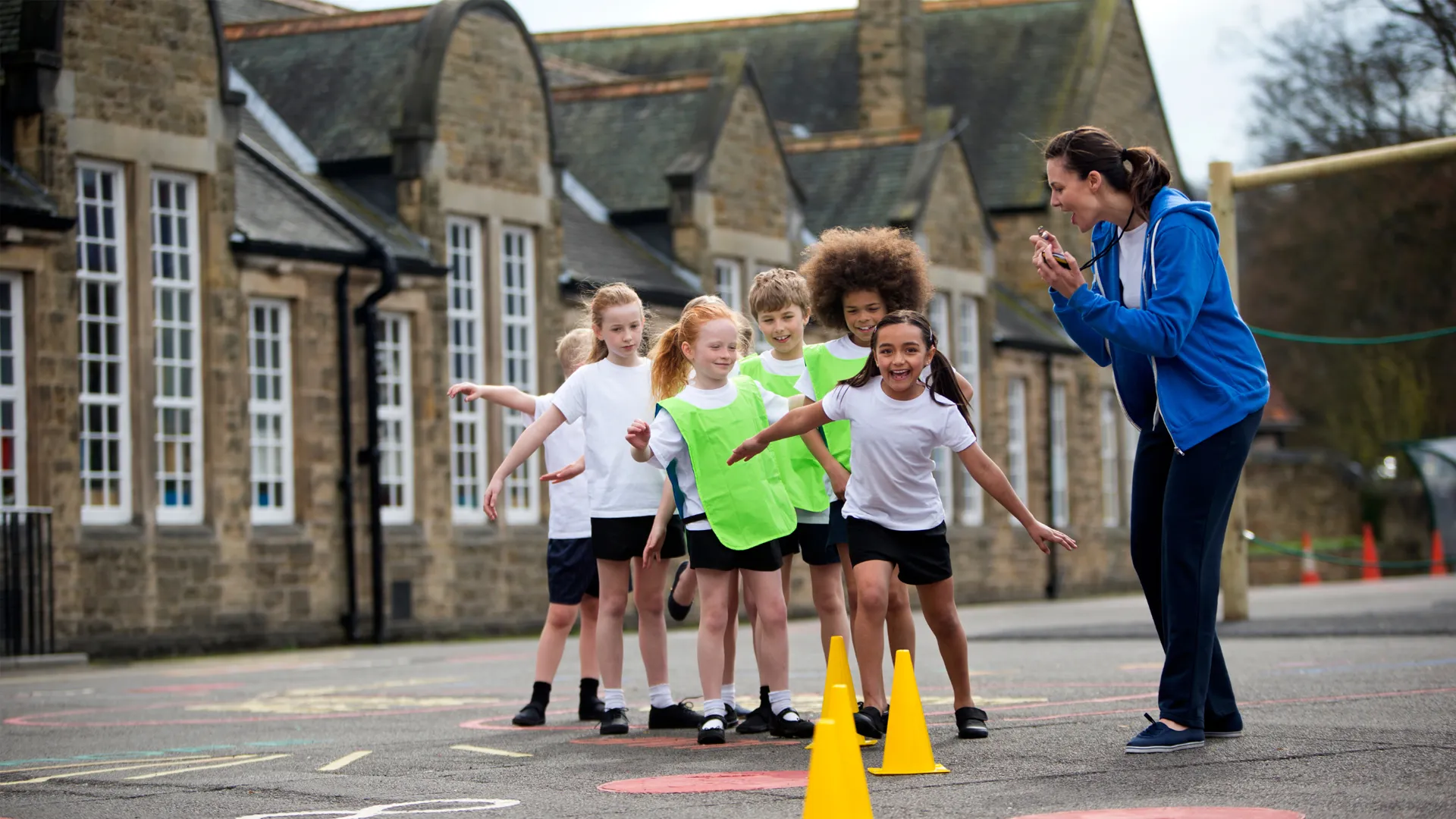
Schools play a transforming role in making sports more accessible and appealing to girls. Since schools and other educational settings represent the most common place young people first encounter organized sports programs, how schools can promote girls participation in sports is crucial; hence, school-based programs become integral to expanding female participation. There are a number of ways in which schools can encourage girls to take up athletics.
Offering diverse sports options
First, schools should offer a variety of sport options to meet the diverse interests and skills among girls. When girls see a range of sporting activities available to them—from traditional team sports such as soccer and basketball to individual activities such as track and field or swimming—more girls will find something that interests them. Programs that are inclusive for beginners and experienced athletes alike create pathways for girls at whatever stage of athletic development.
Creating a positive and supportive environment
Equally necessary is the development of a positive and supportive school environment. Schools should, therefore, address equality in respect of their sports programs, with girls being accorded the same recognition, resources, and opportunities as boys. This has to do with providing equal facilities, equipment, and practice time. Girls-only sessions create a comfortable space where girls feel confident to participate without judgment, especially for those who might be hesitant or new to sports.
Combating stereotypes and providing mentorship
Schools counteract these stereotypes by emphasizing female role models and celebrating girls’ athletic success. When girls see women coaching, playing, and leading within their own school environments, they start to imagine themselves as successful in sports, too. Mentorship programs that connect aspiring young female athletes with seasoned coaches and older athletes offer support and act as examples that women can succeed at any type of sport there is. Schools should also focus on effort and fun with personal development instead of success against others, which lowers the anxiety of failing that sometimes holds girls back from trying new things.
Community Organizations Expanding Opportunities
Also Read: The Usha Effect: How One Woman Inspired 100+ Indian Female Sprinters
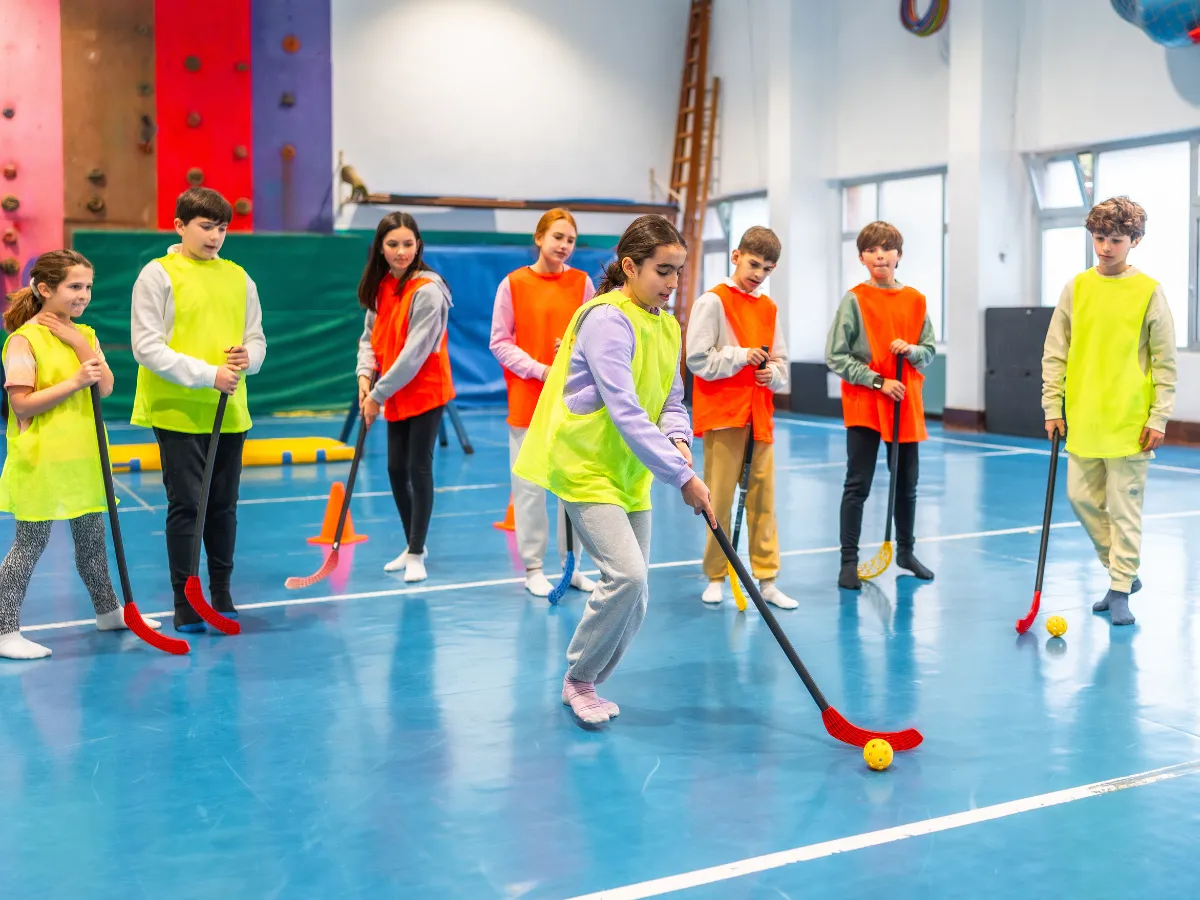
Community organizations extend the availability of sports opportunities beyond what the schools alone could provide and work towards giving girls from all walks of life, especially from under-resourced communities, access to athletic programs. Community sports organizations offer after-school and summer programs, weekend leagues, and specialized training in specific sports.
National initiatives and holistic programs
Organizations like the Women’s Sports Foundation have established national initiatives, such as Sports 4 Life, which provide funding to organizations that create diverse sport opportunities for girls in under-resourced communities. Programs like Girls on the Run incorporate athletic training with lessons on confidence, teamwork, and healthy relationships, addressing physical and emotional wellbeing. These community-based initiatives reach girls who may not have sports opportunities at school or cannot afford private coaching.
Advocacy and awareness
Community organizations also serve as advocates for girls’ sports participation. They work to raise awareness about the benefits of participation, fight stereotypes, and mobilize community stakeholders in support of the female athlete. Through community events, fundraising efforts, and awareness campaigns, these organizations build broader social support for girls in sport and work to normalize athletic participation for young women.
Combined Effects of Coordinated Support
The greatest impact, however, occurs when families, schools, and community organizations work together. Research consistently shows that girls with support from multiple sources—family, teachers, peers, and community organizations—participate in sports at higher rates and longer than those with support from only one sector. This creates a safety net for girls to help them to get past the impediments and persist through challenges, including overcoming societal barriers that girls face in sports.
Girls receive all-round support when parents communicate with coaches about their daughters’ interests, schools connect families with community programs, and community organizations team up with schools for resources. An ecosystem approach covers various barriers that girls could face. Financial barriers can be overcome through community funding and school-maintained programs. Confidence issues are addressed by mentors and role models. Logistical challenges, like transportation, are overcome through school-based programs and community collaborations.
Building a Culture Where Girls Thrive in Sports
This collaborative approach by families, schools, and community organizations creates a culture in which girls envision participating in sports as typical, important, and achievable. Girls raised with steady inspiration from all three sources forge deeper identities as athletes, and secure all the many benefits associated with sports, including improved mental health, stronger academic achievement, strong leadership skills, and better career opportunities. Understanding why girls drop out of sports—and how to ensure they don’t—is critical to long-term impact. Long-term sports participation, defined as five-plus years, unlocks the deepest benefits, showing why sustained support from the three sectors is so important.
By valuing the unique knowledge and experiences each stakeholder contributes, and by encouraging a collaborative process among families, schools, and community organizations, society can develop settings that enable girls to pursue sport and go on to become confident, healthy, and empowered individuals not just on the field but beyond.