



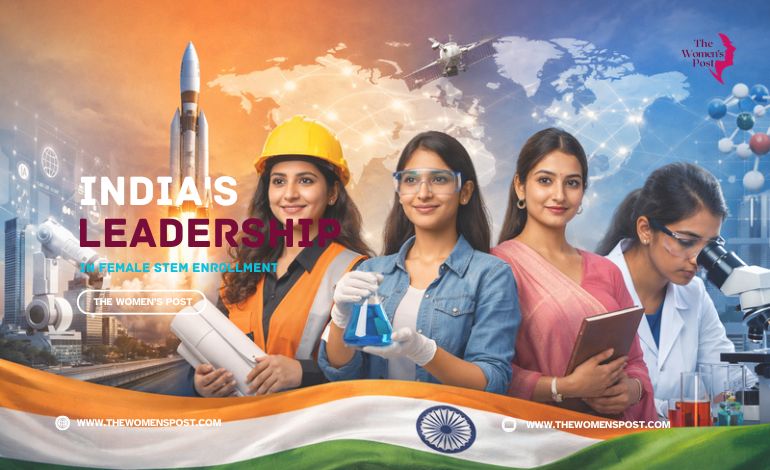


The Role Of Women Entrepreneurs In Promoting Diversity, Innovation, And Social Change


The role of women entrepreneurs is very vital in determining the face of the current business world. Women entrepreneurs are the ones establishing businesses that not only grow, but also lead to a transformation in society. Across the globe, 231 million women either initiate a business or make one prosper, thereby generating employment. There are many challenges, but the determination of women entrepreneurs does not diminish. The main goal is to ensure that they promote diversity, innovation, among other goals. This article aims to highlight the contributions of women entrepreneurs in promoting diversity, innovation, as well as social change.
Promoting Diversity
Women entrepreneurs tend to surround themselves with other people from different backgrounds. This helps them create an environment where everyone feels included. For example, some women entrepreneurs surround themselves with more women and minorities. They understand the value of different perspectives, which makes them better decision-makers and thus enhances the quality of their businesses. The role of women entrepreneurs can be easily seen through their efforts in supporting female diversity in entrepreneurship and social progression.
Real-World Examples of Inclusive Hiring Practices
In practice, this looks like a sales company in Texas that hires mothers with sales experience and gives them flexible hours. Or a roofing firm in Maryland that focuses on women and minorities to build a stable workforce. Another example is a public relations company in Wisconsin that partners with Historically Black Colleges and Universities for internships, ensuring diverse talent enters the field. These actions break down old stereotypes and open doors for others.
Also Read: How Women Entrepreneurs Promote Diversity And Use Evolved Leadership Styles
Extending Diversity to Suppliers and Partners
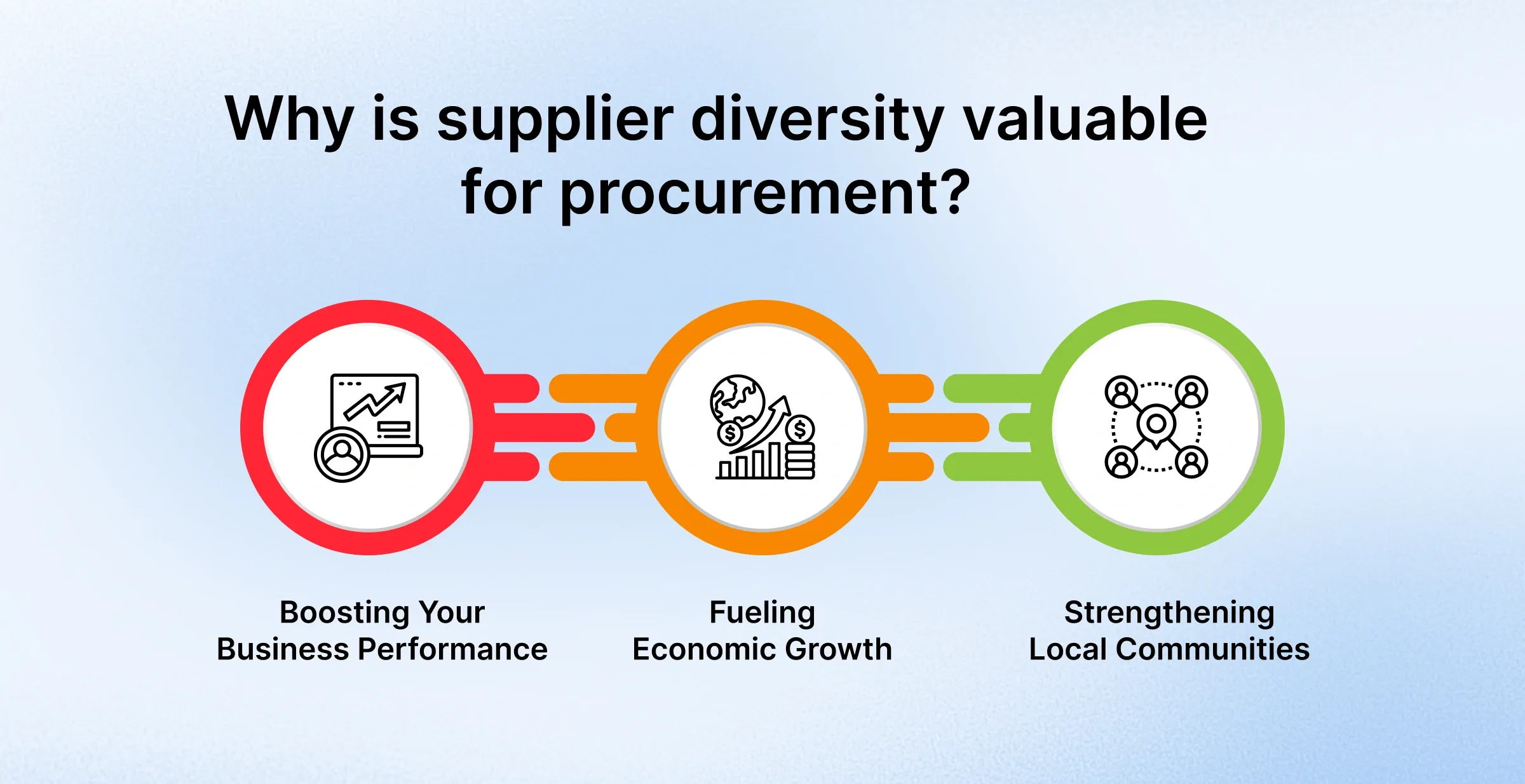
Diversity also extends to suppliers and partners. Women entrepreneurs often choose diverse vendors, which supports minority-owned businesses and strengthens communities. This ripple effect makes industries more inclusive overall. When women lead, they challenge the idea that business is just for men, showing that success comes from all genders and backgrounds. Entrepreneurial ecosystems benefit greatly from this approach, as diverse leadership creates healthier and more balanced business environments.
Driving Innovation
Innovation means coming up with new ideas or better ways to do things. Women entrepreneurs excel here because they bring fresh views to problems. They often spot needs that others miss, especially in areas like health, education, and sustainability. Women-led businesses fostering innovation and inclusion are becoming a powerful force in today’s markets.
The Power of Diverse Experiences in Innovation
One reason is their diverse experiences. Women interact with different groups, combining ideas from various cultures and genders. This leads to creative solutions and high-growth ventures. Strong entrepreneurial ecosystems help women turn these ideas into successful businesses by providing support, funding, and networks.
Women Driving Innovation in Emerging Economies

Also Read: MicroEra Power: Leading North American Women In Founding Sustainable Energy Start-ups
In emerging economies, women drive national innovation through their knowledge and networks. For example, in China, 41% of tech companies are founded by women, higher than in many Western countries. They focus on gaps in the market, like eco-friendly products or tech for everyday needs. If women got equal funding, global GDP could rise by 3% to 6%, adding up to $5 trillion. This shows how their innovations fuel economic growth. Entrepreneurial ecosystems that include women create more opportunities for everyone and push progress forward.
Leading Social Change
Women entrepreneurs are agents of change. They create jobs, reduce poverty, and tackle social issues. Their businesses often focus on community needs, like better education or health. They reinvest profits into families and neighborhoods, making societies stronger. Empowering women entrepreneurs for sustainable development is one of the most effective ways to build stronger and fairer societies.
Economic Impact of Women-Owned Businesses
In the US, women-owned businesses add $3 trillion to the economy and employ 23 million people. Globally, women’s startup rates are 10.1%, though lower than men’s 12.6%. In lower-income countries, women start businesses out of necessity, linking employment and entrepreneurship.
Advancing Gender Equality Through Mentorship and Flexible Work
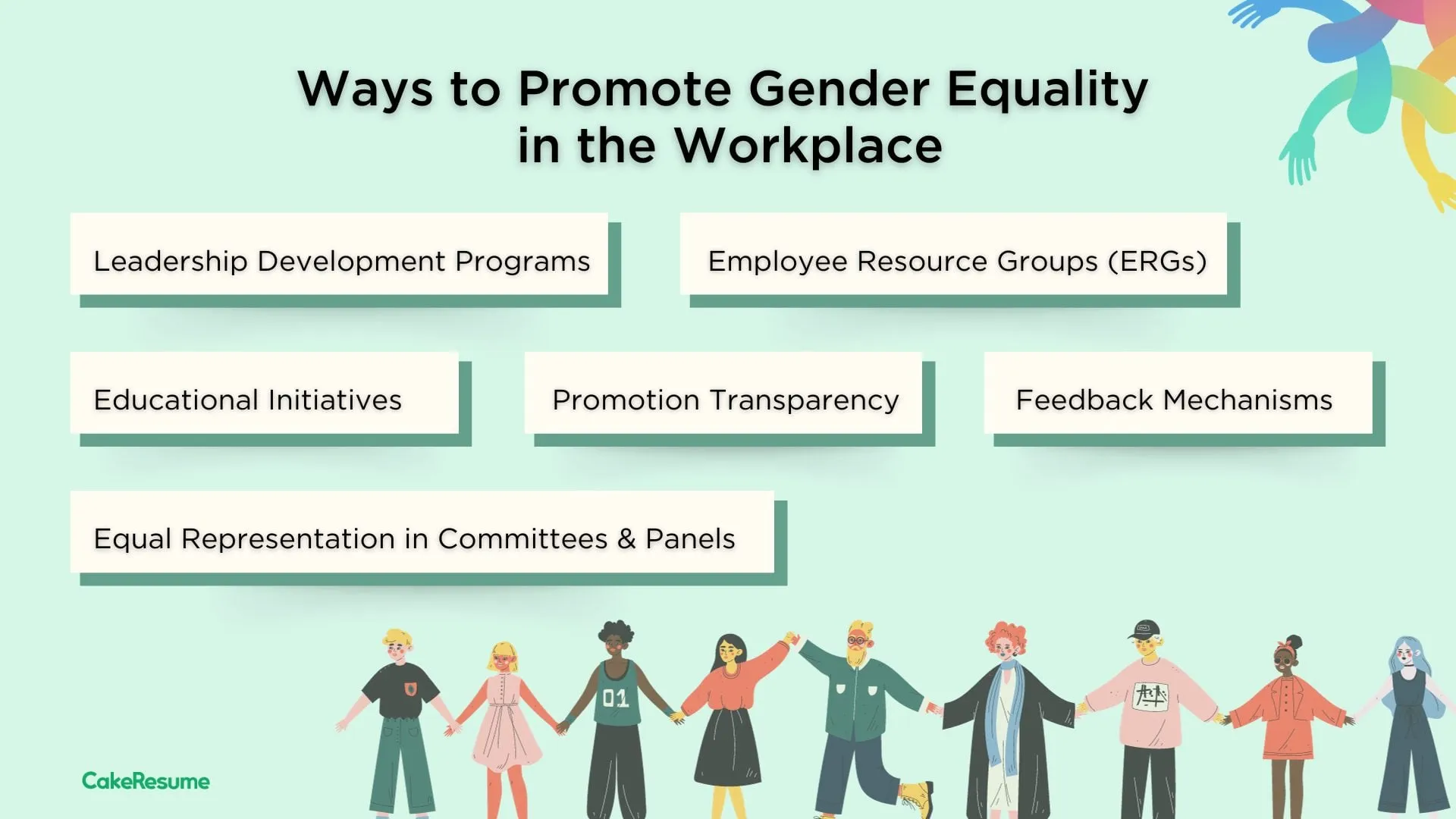
They also promote gender equality by mentoring others and creating flexible work environments. This helps more women enter the workforce and thrive. Businesses led by women hire 2.5 times more women than those led by men. Over time, this shifts cultural norms and empowers communities. Gender diversity in entrepreneurship and social progress becomes visible through these efforts, as more women lead and inspire change.
Real-Life Examples of Women Entrepreneurs Making a Difference
Also Read: European FemTech Leaders: Natural Cycles And GetHarley Scaling Women’s Health Innovations
Look at Melanie Perkins, co-founder of Canva. Started in 2013, her design platform now serves over 200 million users and is worth nearly $50 billion. It makes design easy for everyone, showing how women innovate in tech. Women-led businesses fostering innovation and inclusion are exactly what Canva represents.
In Peru, Violeta Pacheco Mejía runs Tejidos Peruanos, an eco-friendly clothing company. She hires mostly women in a disadvantaged area and provides on-site childcare. This supports families, creates jobs, and promotes sustainability. Her work shows the real impact of empowering women entrepreneurs for sustainable development.
These stories highlight how women entrepreneurs turn challenges into opportunities for change.
Challenges and the Way Forward
Despite their impact, women face barriers like less funding and higher fear of failure. Policies should offer better support, like tailored training and access to networks. Building stronger entrepreneurial ecosystems is essential to remove these obstacles and unlock more potential.
Conclusion
In conclusion, women entrepreneurs are vital for diversity, innovation, and social change. They build inclusive teams, create new solutions, and uplift communities. Entrepreneurial ecosystems grow stronger when women are fully included. Empowering women entrepreneurs for sustainable development, supporting women-led businesses fostering innovation and inclusion, and recognizing the role of women entrepreneurs in promoting diversity all lead to gender diversity in entrepreneurship and social progress. By supporting them, societies can achieve more equality and growth. Their stories inspire us all to value diverse voices in business.