



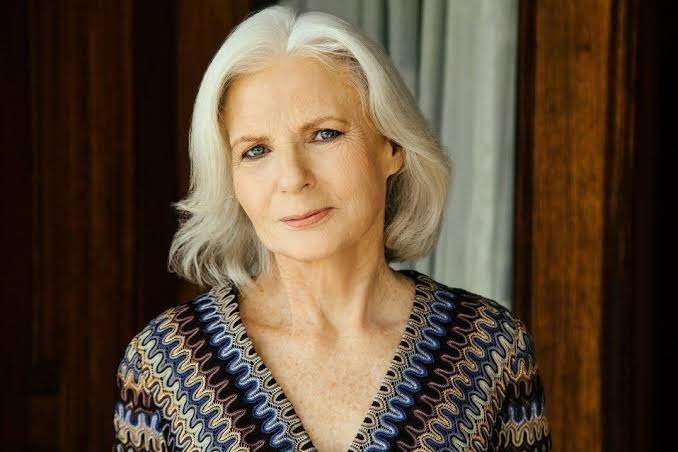

Marybeth Welty: Building Two Businesses After Growing Up in a Small Town


Marybeth Welty, founder of Sustainable Lifestyle Solutions, built her two businesses without the need for investors or outside funding. Curious how? Let’s find out.
Marybeth grew up in a small town in Ohio, studied in Chicago and moved to Vancouver in 2007 for graduate school. She went from mathematics and interior design to entrepreneurship and AI in her career.
From a Small Town to Building a Business Abroad
Although Marybeth Welty had a Bachelor of Science in Mathematics, she wanted a career with that had more creativity and interaction. She moved into interior design and sustainable building consulting, where she spent around ten years on projects that involved passive house principles and LEED standards.
In 2019, she started Sustainable Lifestyle Solutions.
Her original focus was to help professional women create comfortable homes through redesign rather than major renovations, with services such as restyling, decorating, color selection and decluttering. But her work with clients revealed a bigger need. She noticed that disorganization extended beyond the home, affecting digital files, routines and business processes. Helping people organize their spaces led Marybeth Welty toward professional organizing and eventually business support for women entrepreneurs.
Why Building Two Businesses Requires Better Systems
Operating a single business includes customers, money, marketing, and management. Operating two businesses brings more challenges and makes long hours increasingly hard to maintain.
Marybeth Welty has concentrated on systems that perform recurring tasks. Sustainable Lifestyle Solutions is a firm that organizes the operations for women entrepreneurs, while Puppy Time Vancouver is a local pet care business providing individual attention in the client’s home.
Growth should improve how the work is getting done and not simply give the founder more work. A useful starting point is to review a typical week and divide tasks into three groups:
- Founder responsibilities: Decisions, relationships and specialist work that need the owner’s judgment.
- Repeatable tasks: Scheduling, routine messages, follow-ups and administration that follow clear steps.
- Tasks to remove: Activities that take time but contribute little to customer service or business goals.
Running a Business vs. Running Every Task
There comes a time when the expansion of an entrepreneurial venture makes it highly dependent on its founder. For instance, there may come a time when a client wants an answer or a process is stalled because the owner couldn’t be reached.
This is what she terms making the founder the operating system for the business. Hiring additional labor seems to be the way forward, but then that would entail training and monitoring those extra hands. And in case of confusion, hiring additional people could worsen the situation.
Using AI to Create More Room for Growth
However, technology can help a business owner cope with an extended workload, provided proper use of it. Marybeth Welty creates specific AI employees with certain duties instead of using a universal chatbot for some questions or content writing. They are trained on the specifics of the business, the process, and the communication style of the founder and its staff. They perform the given tasks that the owner, manager, or human employee later needs to check. The concept involves a Business Blueprint, AI employees, integration with other programs and a command center.
Marybeth Welty uses 80 AI employees in eight departments now. She said her average monthly revenue grew by more than 70% after she started building these systems in May 2026.
Founders considering AI should start with one repetitive task. That is more practical than trying to automate an entire company. Email follow-ups, appointment scheduling or client onboarding can be useful first projects. A person should still review the work and make decisions requiring judgment.
Growing a Business With More Freedom
Entrepreneurship provides greater control over time, but a business that requires the owner to be involved in everything can consume evenings and weekends. Marybeth Welty’s emphasis on time, place, and financial freedom indicates the significance of creating a business that helps her lead the life she wants. Though her businesses emerged from different passions, both require definite procedures and reliable service. A business may emerge from either a personal passion or a client need, but it must have enough structure so it doesn’t multiply the founder’s effort.
Marybeth Welty’s Perspective on the Future of Entrepreneurship
Marybeth Welty’s move from Ohio to building two businesses in Vancouver has involved several changes in direction. But her focus has remained on making work easier to manage.
Her experience gives founders a practical starting point. Pay attention to recurring problems, create a system that alleviates them, and build clear processes as the business develops. Technology can help, but it works best when the owner understands the work, the customers and the decisions that need a human touch.
As she continues developing AI-supported systems, her message remains practical: a growing business should create more opportunities for its owner, not simply give them more work.
Connect with Marybeth Welty on LinkedIn to learn more about her work in business systems and AI employees.
Also Read:
NYC’s Halloween Obsession Turns Five: Inside The Drunken Laboratory’s Haunted Lab