





The Impact Of Conflict And Crisis On Women Artists

During periods of military actions and political crises, everybody’s life undergoes significant transformations. However, the impact on women artists goes beyond daily concerns. Explosions and bombings devastate houses and workshops. Refugees abandon their belongings. Anxiety consumes all people. Nevertheless, many ladies decide to paint, photograph, or sculpt their emotions. Women use artistic expression to cope with psychological distress, resist tyranny, and reflect events. These artworks demonstrate resilience amid chaos. Simultaneously, female artists have additional obstacles to overcome compared to their male counterparts. The issue of the influence of crisis and conflicts on women artists sheds light on both traumatic experiences and exceptional power.
How Conflict and Crisis Affect Women Artists
When language fails, artistic practice serves as a therapy tool. Female painters living through a war experience strong emotions. They mourn lost family members, observe children’s suffering, or struggle with daily risks. Artistic practice allows these women to deal with stress. Women find solace and self-expression through creative activity. For instance, Ukrainian women escaping from the Russian invasion participated in art therapy sessions. They made collages about their future or bracelets in Ukraine’s colors as symbols of hope and support. These simple acts helped them feel less alone. The process turns personal pain into something shared and beautiful. It rebuilds a sense of control when everything else feels broken. This is one of the powerful ways Resilience through Art emerges even in the darkest times.
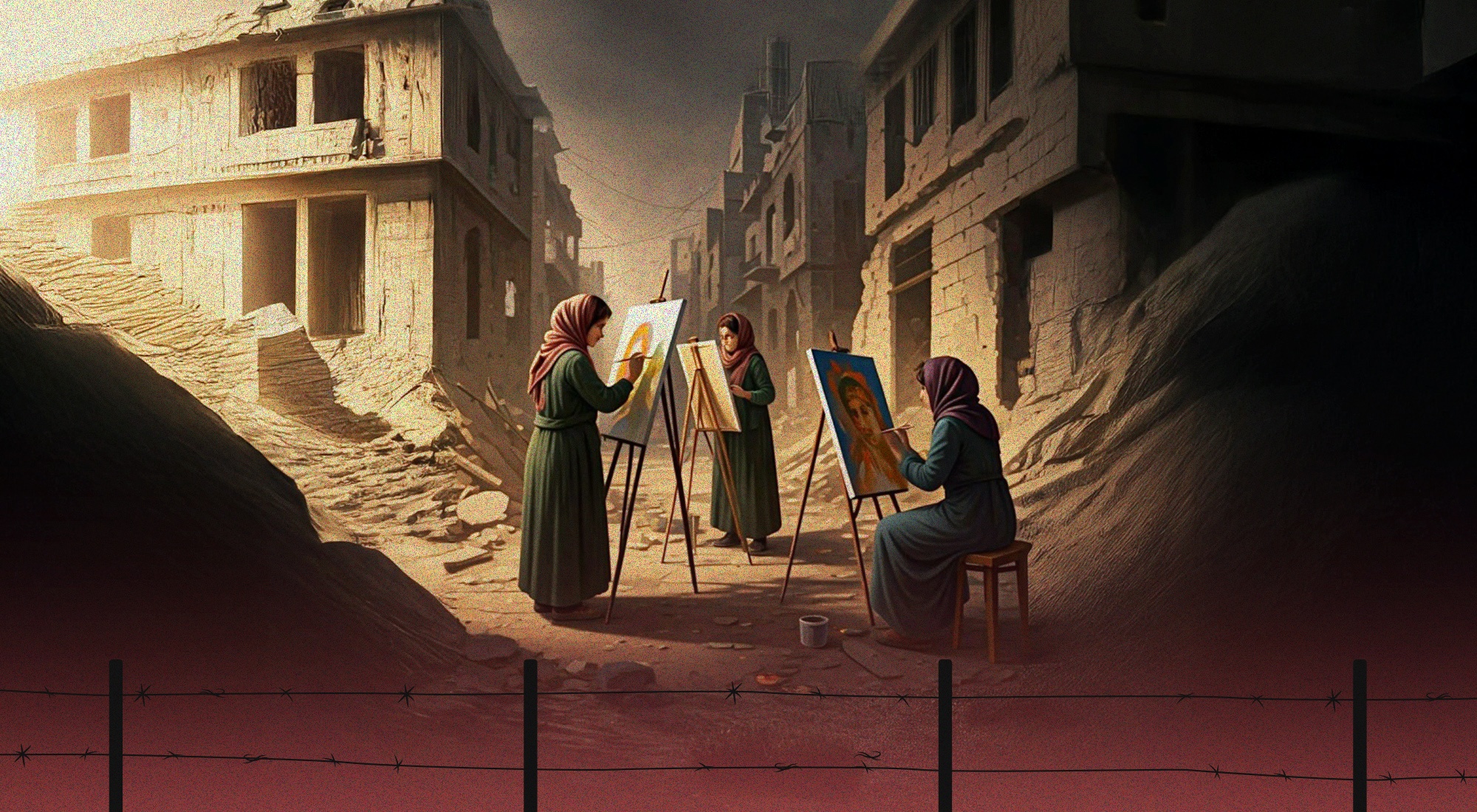
Art also serves as resistance. In crises, governments or armies try to silence voices. Women artists push back by showing truth through their work. They refuse to stay quiet. Their pieces challenge power and call for change. Feminist messages appear often because women see how conflict hits them hardest. They highlight gender-based violence, forced displacement, and lost rights. By making art public, they inspire others to stand up. In this way, a painting or performance becomes a quiet but strong act of defiance.
Also Read: Hand-Poked Tattoos: The Ageless Tradition That Women Haven’t Forgiven
The Role of Documentation in Crisis
Documentation is another key role. Wars create official stories told by those in power. Women artists offer personal views that history books might miss. They capture daily life, fear, loss, and small acts of courage. Their art becomes evidence for the world. Photographs, videos, and drawings preserve memories that could otherwise fade. Future generations learn from these honest records. In this sense, Women artists documenting conflict and human rights play a vital role that goes beyond personal expression.
Ukrainian Women Artists During the Ongoing War
Look at Ukraine today. Since Russia’s full-scale invasion in 2022, women artists have turned their experiences into powerful statements. Zhanna Kadyrova left her earlier projects and began making site-specific works tied to the war. She collected river stones and shaped them into sculptures called Palianytsia. The name comes from a Ukrainian word for bread that also served as a safe password during the conflict. Her pieces feel solid and real, like the people’s quiet resistance.
Maria Kulikovska, a Ukrainian-Crimean artist, went further. In her 2019 video performance Let Me Say: It’s Not Forgotten, she cast sculptures of her own body and then shot at them. This act mirrored how war destroys both art and women’s bodies. She rebuilt and repeated the process to show resilience. Other Ukrainian women, featured in exhibitions like Women at War, use painting, photography, and video to explore trauma, displacement, and identity. Their work mixes personal stories with national pain, turning private grief into public strength. Here, Resilience through Art becomes clearly visible.
Women Artists in the Middle East Amid Political Upheaval
In the Middle East, similar patterns appear during political upheaval. Syrian artist Leila Nseir painted scenes of war and human suffering for decades. Her piece The Nation shows a female martyr carried by women and children. It captures grief and quiet power in times of conflict. During the Arab Spring and later crises, women in Iran used art to support the “Woman, Life, Freedom” protests.
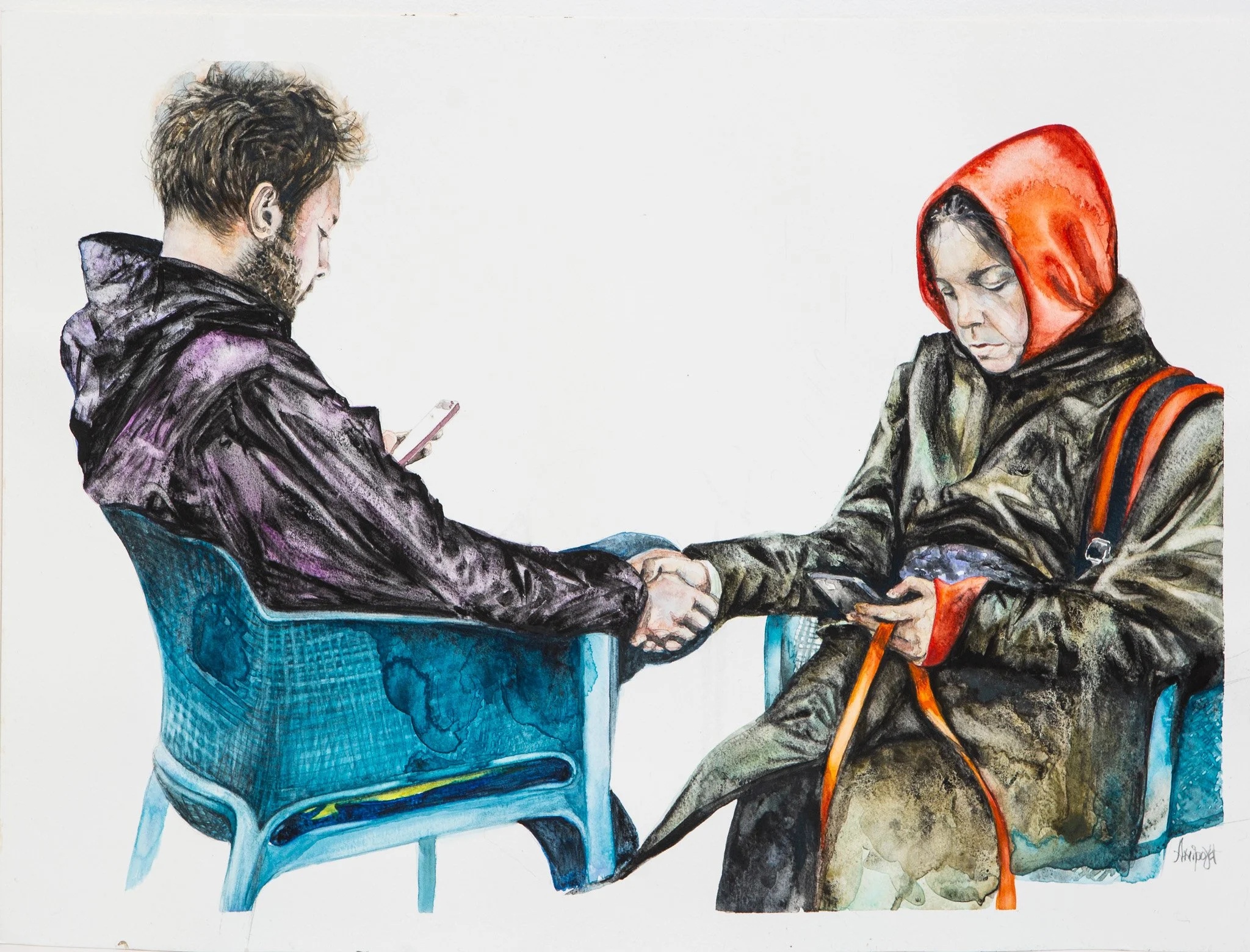
After the death of Mahsa Amini in 2022, female artists created digital drawings and street-inspired works. They drew bold women without headscarves, with raised fists and flowing scarves. These images spread hope and defiance online and in public spaces. Even under strict rules, women artists found ways to document oppression and imagine freedom. Their art turned personal risk into collective voice. Resilience through Art shines through their continued creative efforts.
Also Read: Female DJs Shaping Global Music Scenes
Challenges Faced by Women Artists in Conflict Zones
Women in these situations do not work in the same conditions as men. Barriers make their path harder. First comes safety. In war zones, women face higher risks of sexual violence and harassment. Traveling to gather materials or show work becomes dangerous. Many must care for children or elderly family members while men might focus only on art. Studios get bombed or looted, and supplies run short. Cultural norms in some regions limit women’s movement or public expression even more. These are some of the major challenges faced by women artists in conflict zones.
Recognition and Mental Health Issues
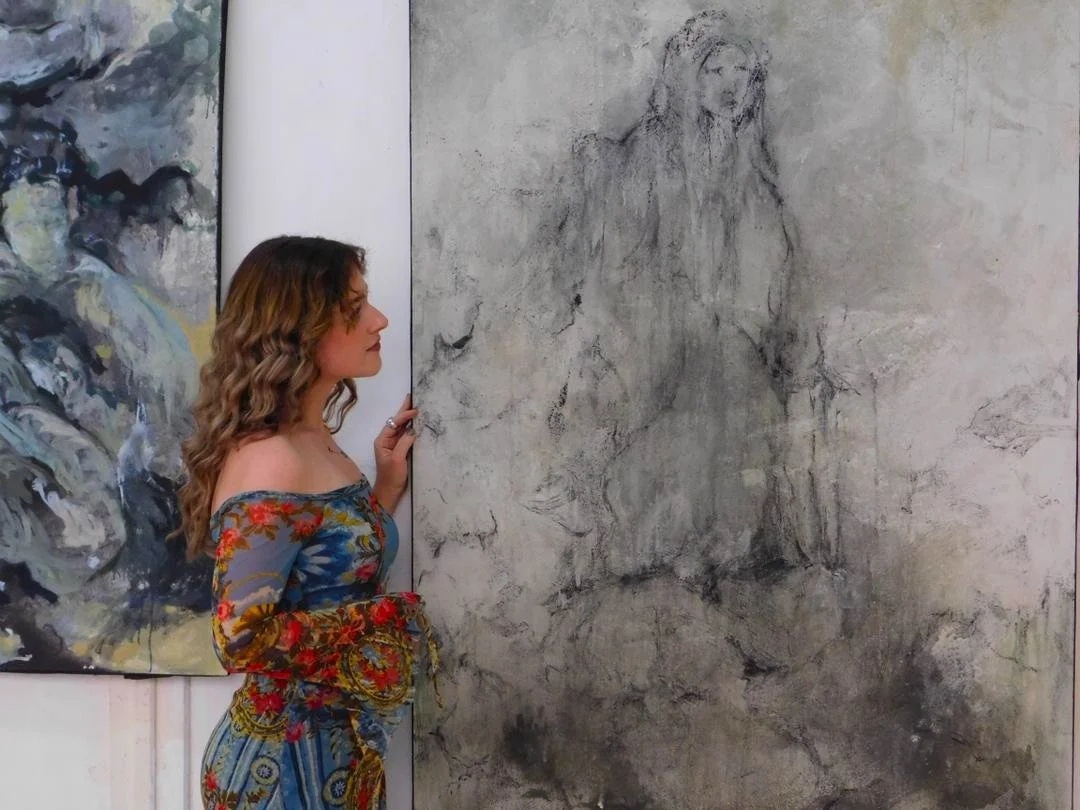
Recognition is another big gap. In the wider art world, women’s work often sells for less and appears in fewer major exhibitions than men’s. Conflict makes this worse. Male artists may gain quick attention as “war reporters” while women’s personal or feminist pieces get labeled as “domestic” or less serious. Funding and gallery support favor men. Displacement breaks careers—women lose networks and opportunities more easily. Even when their art travels the world, credit sometimes goes to male curators or partners. The Mental health of women artists during war and crisis often suffers due to these added pressures and constant threats.
Also Read: Pioneering Women Artists In Non-Western Modernism
Despite these hurdles, women artists keep creating. Their work heals communities, resists injustice, and documents truth in ways that last. It shows that art is not a luxury in crisis—it is a necessity. From Ukrainian studios under attack to Iranian streets filled with protest art, these women prove creativity survives even when everything else is torn apart. Their voices remind the world that behind every conflict are human stories, and women are telling them with power and grace. Resilience through Art continues to be their greatest tool.
In the end, the impact of conflict on women artists is both painful and inspiring. They face more obstacles, yet they turn hardship into something meaningful. Their art does not just survive war—it fights back, mends wounds, and lights the way forward. As long as crises exist, these women will keep creating, proving that the human spirit, expressed through art, is unbreakable. Resilience through Art is what allows them to rise again and again. How conflict and crisis affect women artists ultimately highlights both their struggles and their extraordinary strength.


