





Fenty Beauty: The Brand That Changed the Beauty Conversation

- PublishedJanuary 20, 2026
When Fenty Beauty launched in September 2017, it did not feel like a typical celebrity makeup line. It felt intentional. Focused. Different.
The brand entered the market with a clear idea: beauty should include everyone. Not as a marketing slogan. Not as a limited campaign. But as the core foundation of the company.
Nearly a decade later, Fenty Beauty continues to influence how global beauty brands develop products, speak to customers, and define inclusivity.
This article explores the brand’s journey, its impact, and why it still matters today.
The Beginning: A Clear Market Gap
Before Fenty Beauty launched, many foundation lines offered limited shade ranges. Customers with deeper skin tones often struggled to find a match. Undertones were overlooked. Shade depth was inconsistent.
This gap was widely discussed by makeup artists and consumers for years.
Fenty Beauty addressed it directly.
At launch, the Pro Filt’r Soft Matte Longwear Foundation debuted with 40 shades. That number later expanded even further. The message was clear: every skin tone deserves equal attention.
The industry response was immediate. Competing brands expanded their shade ranges soon after. Analysts began referring to this shift as “the Fenty Effect.”
This was not a small adjustment. It was a structural change in how beauty companies approached product development.
Product Development With Intention
One reason Fenty Beauty gained long-term credibility is product performance. Early hype can bring attention. Quality keeps customers coming back.
The brand introduced:
- Pro Filt’r Foundation and Concealer
- Gloss Bomb Universal Lip Luminizer
- Killawatt Highlighter Duos
- Match Stix contour and highlight sticks
Each product focused on versatility and wearability. Shades were designed to complement a wide spectrum of undertones. Textures were made to suit different skin types.
Professional makeup artists frequently reviewed the products positively, especially noting shade accuracy and blendability. Beauty editors from major publications tested the formulas under different lighting and conditions, helping build trust with consumers.
This steady validation from experts strengthened the brand’s reputation.
Backed by Global Infrastructure
Fenty Beauty operates under Kendo Brands, a division of LVMH. This partnership gave the brand strong supply chains, retail strategy, and international reach from day one.
The brand launched simultaneously in multiple countries through Sephora, which helped it scale quickly and consistently.
This infrastructure matters. Many celebrity brands struggle with distribution or product consistency. Fenty Beauty benefited from experienced operational support while maintaining strong creative control.
That balance between creativity and structure contributed to its sustained growth.
Financial Performance and Market Position
Within its first year, Fenty Beauty reportedly generated hundreds of millions in revenue. Business publications, including Forbes, highlighted the brand’s rapid commercial success.
Industry analysts noted three key strengths:
- Broad demographic appeal
- Competitive mid-to-premium pricing
- Strong brand identity
The pricing positioned Fenty Beauty within the prestige beauty category, yet it remained accessible compared to high luxury brands.
This strategy allowed the brand to reach younger consumers without losing premium positioning.
Expansion Beyond Makeup
After establishing credibility in cosmetics, the brand expanded carefully.
Fenty Skin launched with a simplified skincare routine. The messaging focused on clarity and ease rather than overwhelming multi-step systems.
Fenty Eau de Parfum followed, offering a fragrance aligned with the brand’s warm and bold identity.
More recently, Fenty Hair entered the market with products aimed at strength and repair across various hair textures.
Each expansion stayed aligned with the core value: inclusivity across skin tones and hair types.
This consistency strengthens brand trust.
Cultural Impact: Representation as Standard
Fenty Beauty normalized diverse casting in beauty campaigns. Models of different ethnicities, genders, and body types appeared consistently in advertisements.
Representation was not occasional. It was embedded.
This shift influenced broader industry marketing. Consumers began expecting diversity, not praising it as rare.
Academic discussions around representation in media often reference the brand as a turning point in beauty marketing.
It demonstrated that commercial success and inclusive representation are not opposing goals. They support each other.
Long-Term Brand Stability
Nearly ten years after launch, Fenty Beauty remains active and relevant.
The brand continues releasing seasonal updates and innovative formulas. It adapts to trends without losing its identity.
That stability is important in a market where many influencer and celebrity brands fade within a few years.
Fenty Beauty’s strength lies in structure, product quality, and consistent messaging.
The Co-Owner: Rihanna’s Role in the Brand
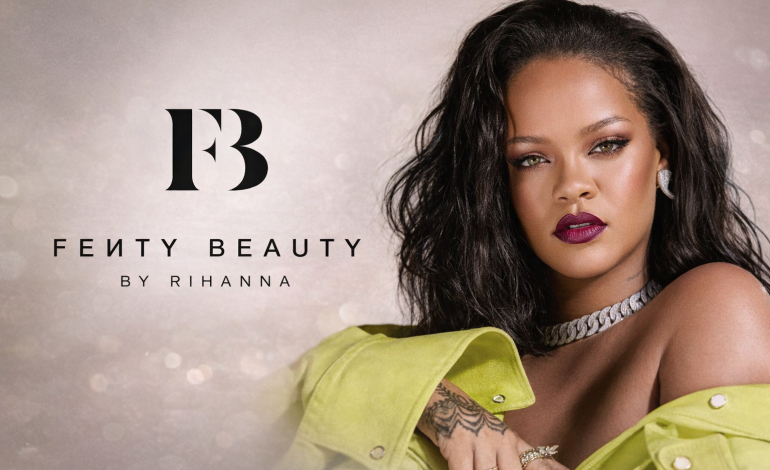
At the center of the brand is Rihanna, who co-founded Fenty Beauty in partnership with LVMH. Born Robyn Rihanna Fenty in Barbados, she first gained global recognition as a music artist. However, her role in Fenty Beauty extends beyond celebrity endorsement. She has been actively involved in shade development, product testing, campaign direction, and overall brand vision. Her personal experience with limited shade options in the beauty industry shaped the brand’s inclusive launch strategy. Financial reports and business coverage have noted that her ownership stake in Fenty Beauty significantly contributed to her recognition as one of the wealthiest women in entertainment. Rihanna’s involvement combines creative leadership with strategic business participation, reinforcing the brand’s authenticity.
Why Fenty Beauty Still Matters
Fenty Beauty did not succeed because of hype alone. It succeeded because it identified a real market need and addressed it with scale and quality.
Its key strengths include:
- Inclusive product design
- Strong operational backing
- Consistent brand identity
- Verified commercial performance
- Ongoing innovation
From an industry perspective, it serves as a case study in how inclusion can drive both cultural influence and financial growth.
From a consumer perspective, it provides reliable, well-formulated products designed for a broad range of people.
That combination explains its staying power.
Final Perspective
Beauty trends shift constantly. Packaging evolves. Social media platforms change.
Yet the fundamental lesson from Fenty Beauty remains relevant: when brands listen carefully to underserved customers and respond with quality solutions, they build long-term trust.
Fenty Beauty did not just enter the market. It adjusted its direction.
And that shift continues to shape the global beauty industry today.