



Hand-Poked Tattoos: The Ageless Tradition That Women Haven’t Forgiven
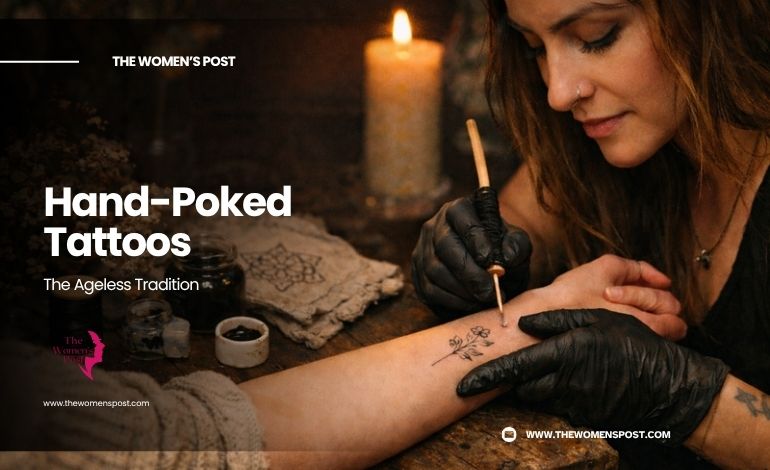

A hand-poked tattoo, also called a stick and poke tattoo, is one of the oldest known types of body artwork practiced by humans throughout their history. Instead of a high-speed machine buzzing while creating a design, hand-poked tattoos involve a slow process in which an artist uses a needle or another instrument to gently tap ink dots into the skin. This type of technique has been practiced for many years, in numerous civilizations around the globe.
The Role of Women in Preserving Hand-Poked Tattoos
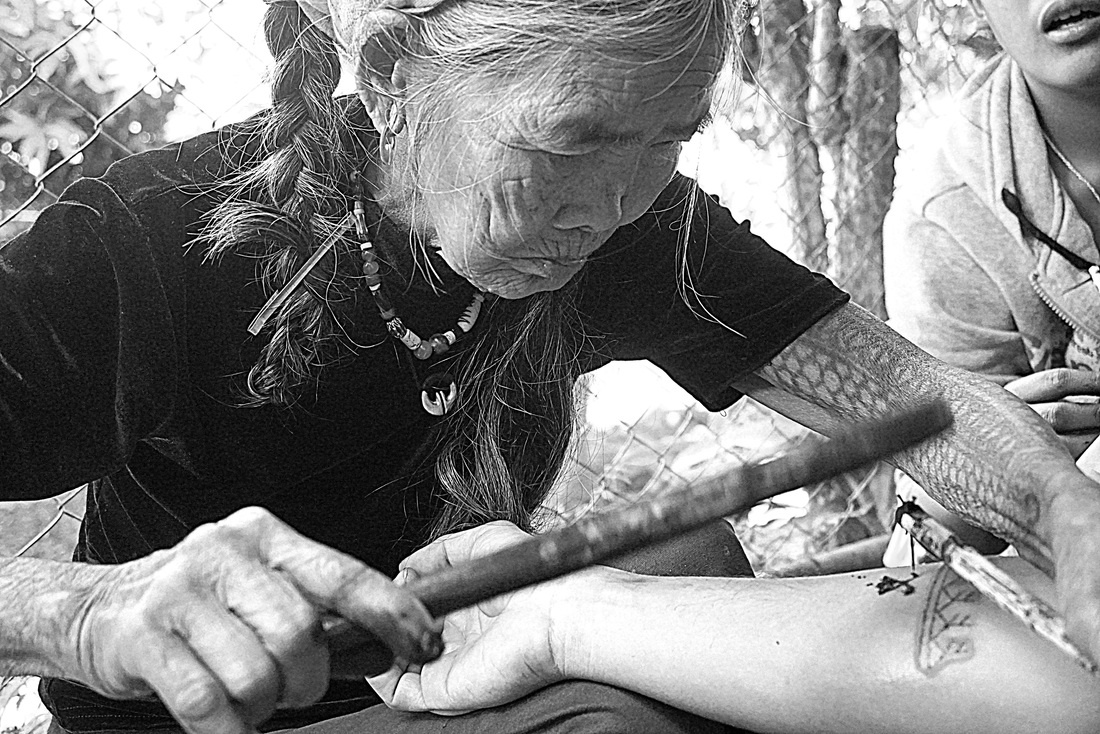
Throughout history, it has been mostly women who maintained this practice. In traditional societies, it was common practice for women to tattoo other women using this ancient technique. In fact, many native tribes from North America as well as from some other countries like India still use this kind of technique to create tattoos.In Borneo, women frequently served as tattoo artists for their communities. In North Africa, Berber women created geometric patterns with protective symbols using hand methods. Even the famous Kalinga tattoo artist Apo Whang-od from the Philippines continues a hand-tapped tradition that highlights women’s strength and cultural preservation.
Why Ancient Women Chose These Tattoos
Ancient women received these tattoos for deep reasons. Some markings offered spiritual protection, marked rites of passage, or celebrated femininity and fertility. Egyptian mummies, including female priestesses like Amunet, carried tattoos that symbolized power and safeguarding. In Polynesia and other Pacific cultures, women held important roles in tattoo ceremonies. These practices were not just about decoration — they carried stories, identity, and connection to ancestors. Ancient tattooing holds a special place in many cultures around the world.
Also Read: Female DJs Shaping Global Music Scenes
The Personal and Calm Process of Hand-Poked Tattoos
The process itself feels personal and calm. The artist holds a needle attached to a short stick or handle and taps it steadily into the skin. There is no loud machine noise or fast vibration. Many people describe the experience as almost meditative. The artist and the person getting the tattoo can talk easily, building a quiet bond during the session. This intimacy appeals strongly to many women who seek a more thoughtful and less clinical tattoo experience.
Benefits of Hand Poked Tattoos Over Machine Tattoos
Compared to machine tattoos, hand-poked ones often feel less painful for some people. The needle moves slower and with more control, causing less repeated trauma to the skin. Healing tends to happen faster too, with less swelling or scabbing in many cases. The final look has a soft, organic texture — like delicate hand embroidery rather than perfect machine stitching. Lines may show slight natural variations that give the tattoo a warm, handmade charm. Many women appreciate this unique, less polished aesthetic that feels more human and timeless. These are some of the benefits of hand poked tattoos over machine tattoos.
The Modern Revival of Handpoke Tattoos
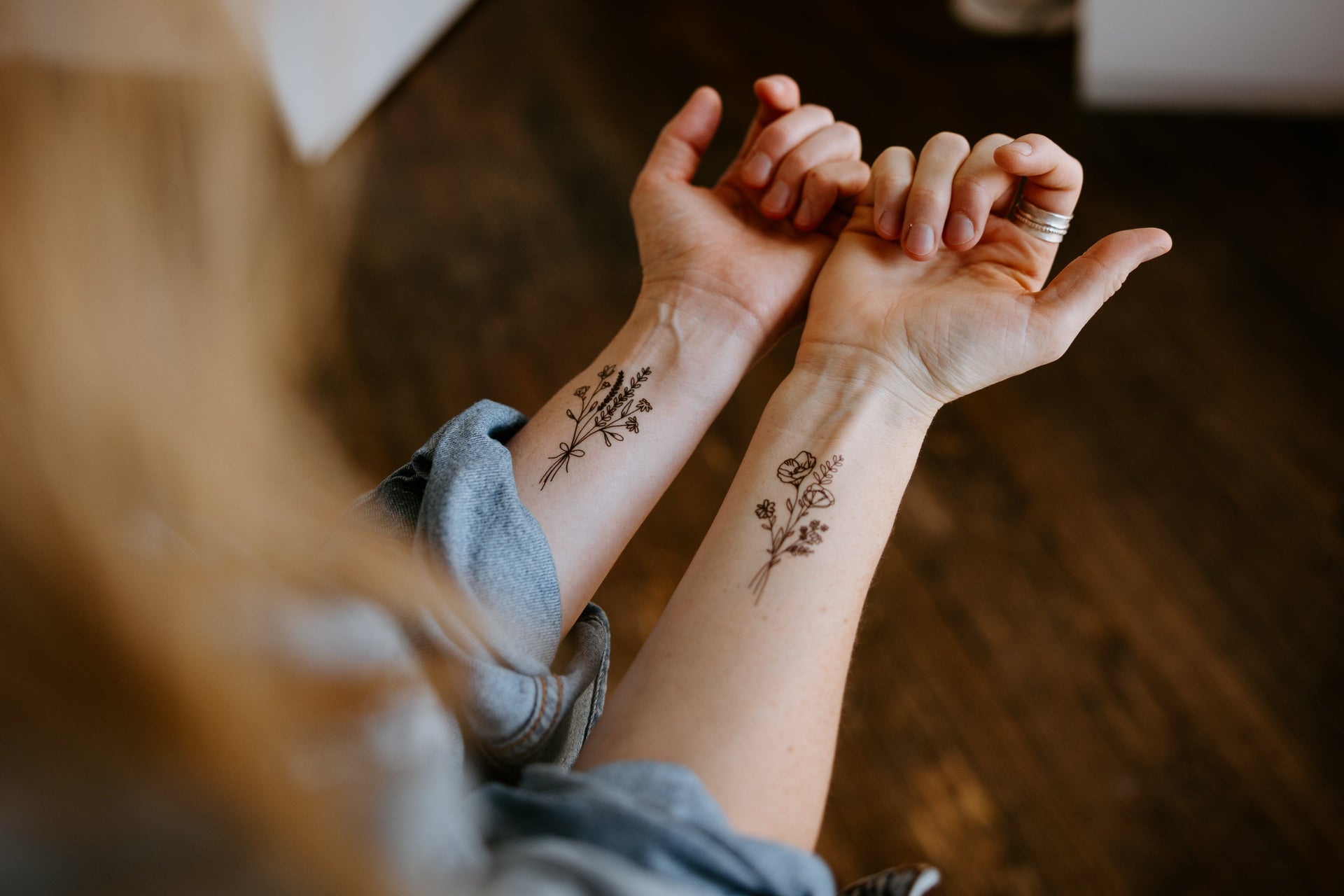
In recent years, hand-poked tattoos have seen a strong revival, especially among women. The modern movement gained momentum in the punk era of the 1970s as a form of DIY self-expression. Today, it continues to grow through social media and small, women-led studios. Many female artists have embraced the technique because it feels accessible and creative. They create fine-line designs, dot work, flowers, symbols, and minimalist pieces that suit smaller or more delicate tattoos. Some women say they feel more comfortable getting inked by another woman in a quiet, personal setting rather than a busy machine shop. Many people explore handpoke tattoos vs machine tattoos when deciding which style suits them best.
Reconnecting With Roots Through Hand-Poked Tattoos
This revival connects back to the roots. Women today are reclaiming art as a way to express identity, strength, and softness at the same time. A hand-poked tattoo might represent personal growth, motherhood, protection, or simply quiet beauty. The slower pace encourages thoughtful choices — smaller meaningful designs rather than rushed large pieces. Artists often work in calm spaces where conversation flows naturally, making the whole process feel empowering and healing.
Also Read: Pioneering Women Artists In Non-Western Modernism
Limitations of Hand-Poked Tattoos
Of course, hand-poked tattoos have some limitations. They take more time to complete because each mark is placed individually. They work best for smaller or medium designs rather than very large, highly detailed color work. The ink settles with a softer look that some love and others prefer to avoid if they want super crisp lines. Still, for those who choose this method, the benefits often outweigh the slower speed.
Famous Examples and Ancient Hand Poked Tattoo Techniques
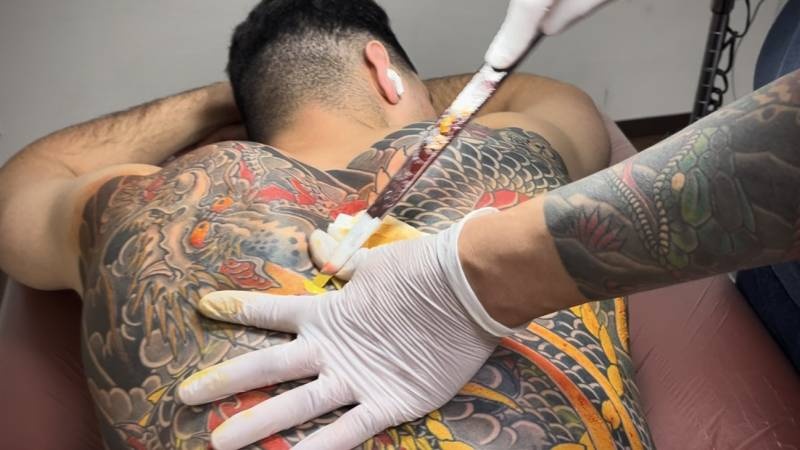
Famous examples from history and today show the enduring power of this art. Traditional Sak Yant tattoos from Thailand and tebori style hand poked tattoos from Japan both use hand-poking or tapping techniques with deep spiritual meanings. In modern times, many women artists have built successful practices around hand-poke work. They create everything from delicate nature motifs to bold symbolic pieces while honoring the old ways. Ancient hand poked tattoo techniques have been preserved through such traditions.
Why Women Never Lost Touch With Hand-Poked Tattoos
Women never truly lost touch with hand-poked tattoos. While electric machines dominated the 20th century, the ancient method quietly survived in tribal communities, family traditions, and underground scenes. Now it is blooming again. The rise reflects a desire for connection — to history, to the body, to the artist, and to oneself. In a fast world full of technology, many women find peace in something slow, intentional, and deeply human.
Also Read: Emerging Women Artists Redefining MENA And African Contemporary Scenes
Getting a Hand-Poked Tattoo Today
Getting a hand-poked tattoo today can feel like stepping into a living tradition. Whether it is a small symbol on the wrist, a protective design on the back, or a fine-line flower on the collarbone, the mark carries extra meaning. It reminds the wearer of patience, care, and the strength women have shown across centuries by keeping this gentle art alive.
The Timeless Appeal of This Ancient Art
In the end, hand-poked tattoos prove that some things do not need machines or speed to stay powerful. Their simplicity, intimacy, and timeless appeal continue to attract women who value authenticity over perfection. This ancient art has not only survived — through the hands and hearts of women, it has quietly thrived and found new life in the modern world.
Ancient tattooing reminds us of our roots in a modern world. The charm of ancient tattooing lies in its simplicity and meaning. Many still admire ancient tattooing for its cultural depth. Exploring ancient tattooing can be a rewarding journey. The beauty of ancient tattooing continues to inspire new generations. People often connect with ancient tattooing through personal stories. Ancient tattooing remains relevant even today.


