






Adolescent Girls’ Health – Early Pregnancy, Nutrition, And Rights


Adolescent girls around the world face serious health challenges that impact their future. The topic of Adolescent Girls’ Health – Early Pregnancy, Nutrition, and Rights highlights three connected issues affecting millions of young girls every year. These problems are linked together. Early pregnancy harms a girl’s body when nutrition is poor, and both often occur because girls lack basic rights to make decisions about their lives.
Why Adolescent Health Rights Matter So Much
Adolescent health rights are very important here. Adolescent health rights give girls the power to protect themselves from various health problems. Adolescent health rights stop them from being forced into marriages. Adolescent health rights allow them to access health services. Adolescent health rights enable them to learn more about their health. Adolescent health rights enable them to choose when to have babies. Adolescent health rights enable them to receive health services without any shame.
In simple terms, when girls get married too young or cannot say no to sex, they often become pregnant before their bodies are ready. This creates health risks that last a lifetime. The good news is that these problems can be solved with better education, food support, and stronger laws.
Understanding Early Pregnancy in Adolescents
Also Read: Maternal And Newborn Health: Regaining Lost Ground
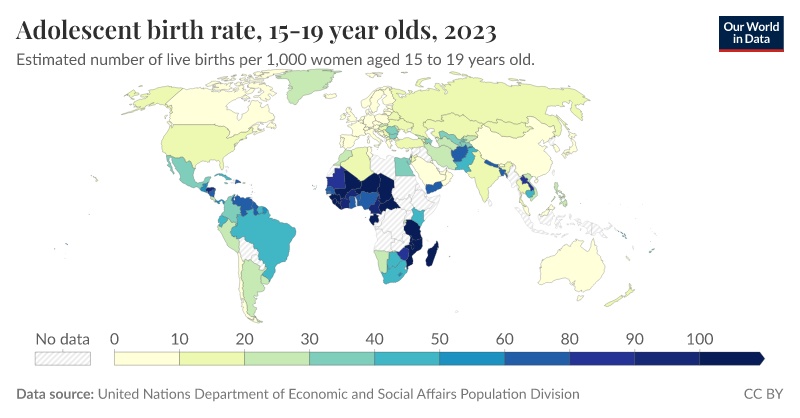
Early pregnancy means a girl between the ages of 10 and 19 becomes pregnant. About 21 million girls aged 15 to 19 in low- and middle-income countries get pregnant each year. Half of these pregnancies are not planned. Around 12 million of them end in births. In many places, pregnancy and childbirth problems are still the top reason why girls aged 15 to 19 die.
Young mothers face higher chances of serious issues like high blood pressure during pregnancy (called eclampsia), infections after birth, and heavy bleeding. Their babies also suffer more. Babies born to teen mothers are more likely to be born too early, weigh too little, or face health problems in the first weeks of life. These are some of the consequences of early pregnancy for teenage girls’ health.
The Major Role of Child Marriage
Child marriage plays a big role here. In developing countries, nine out of ten teen births happen to girls who were married before age 18. When a girl marries early, she usually drops out of school. She has less power to say no to sex or to use birth control. This leads to unintended pregnancies that her body cannot handle well.
In some regions, like parts of Africa and Latin America, the numbers are still very high, even though global rates have dropped slowly over the years. For girls under 15, the problem is smaller but still serious in certain areas. These young mothers often feel alone, scared, and cut off from friends and family.
Preventing early pregnancy and child marriage in adolescents is a key step to break this cycle.
The Critical Link Between Nutrition and Adolescent Health
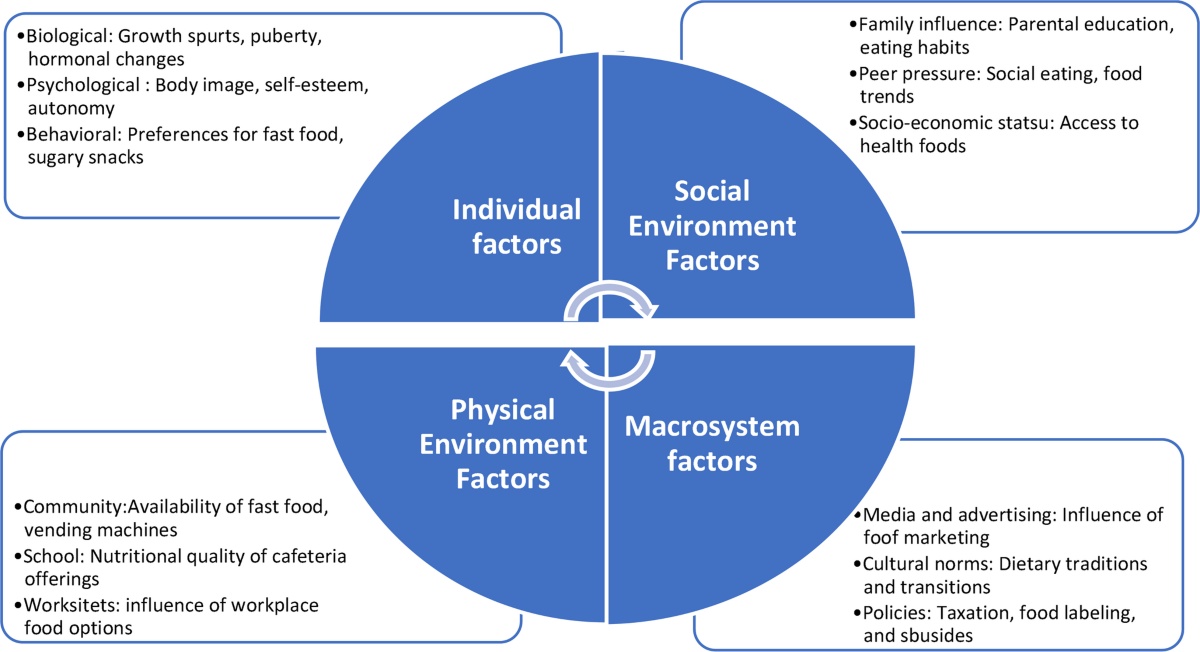
Nutrition is another key part of the picture. Adolescent girls need extra food because their bodies are still growing fast. They also lose blood every month during periods, so they need more iron. If they do not get enough good food, they become weak and anemic. Anemia means the body does not have enough healthy red blood cells. About 30 percent of girls and women aged 15 to 49 have anemia. The number jumps to around 35-37 percent for pregnant women.
How Pregnancy Makes Nutrition Problems Worse
When a girl is pregnant while still a teenager, the problem gets worse. She needs extra energy, protein, vitamins, and minerals for her own growth and for the baby. Many girls in poor families eat only rice or bread and miss out on fruits, vegetables, eggs, or milk. This leads to low weight gain during pregnancy. As a result, the baby may be born small and weak. The mother herself can stay short and thin for life.
Under-nutrition and anemia hit the poorest girls hardest. These girls often live in villages or crowded cities where fresh food is expensive or hard to find. Poor nutrition also makes infections more dangerous. A simple cold can turn serious when the body lacks strength.
How Early Pregnancy, Nutrition, and Rights Are Connected
The three issues connect in a clear chain. Lack of rights leads to early marriage and pregnancy. Early pregnancy drains nutrition from a still-growing girl. Weak nutrition raises health risks for both mother and child.
Without the right to education, a girl cannot learn about her body or how to stay healthy. Without the right to health services, she cannot get free check-ups, iron tablets, or safe birth control. In many countries, less than half of married teen girls can decide on their own about sex, birth control, or health care. This lack of power keeps the cycle going.
Sexual and Reproductive Health Rights for Adolescent Girls
Rights here mean sexual and reproductive health rights. Every girl has the basic right to stay safe, to learn about her body, to choose when (or if) she wants children, and to get medical help without fear.
Child marriage takes away these rights. It stops girls from finishing school and finding jobs. Many groups work to end child marriage because it directly raises the risk of early pregnancy and poor health.
Recent global efforts show progress. More countries now have laws against child marriage. Schools teach girls about their bodies and rights through comprehensive sexuality education for adolescent girls. Health workers give out free iron pills and family planning help to teens. In recent years, new guidelines have asked governments to stop child marriage, keep girls in school longer, and make health services friendly for young people.
Promoting health and rights for adolescent girls worldwide is now a big focus for many organizations and governments.
Practical Steps to Make a Real Difference
Simple steps can make a big difference. Families can delay marriage until a girl finishes school. Communities can provide balanced meals through school programs. Governments can train doctors and nurses to treat teen mothers with kindness and give them extra nutrition support.
Girls themselves need safe spaces to talk about their feelings and ask questions without shame. When girls finish secondary school, child marriage can drop by up to two-thirds.
Preventing early pregnancy and child marriage in adolescents becomes easier with education and support. Comprehensive sexuality education for adolescent girls helps girls understand their bodies and choices better. Better nutrition and rights together mean healthier mothers, stronger babies, and brighter futures.
A Brighter Future for Adolescent Girls
In the end, adolescent girls deserve a chance to grow up healthy and free. Early pregnancy, poor nutrition, and lost rights do not have to be their story. With care, education, and respect, societies can protect these girls.
Promoting health and rights for adolescent girls worldwide can change lives for the better. Every girl who stays in school, eats well, and makes her own choices lifts up her family and her country. The world has already started moving in the right direction. Now it needs to move faster so no girl has to suffer in silence.
By focusing on health, food, and rights together, we can give adolescent girls the strong start they truly deserve.