






Global Market Growth And Recognition Of Women Artists
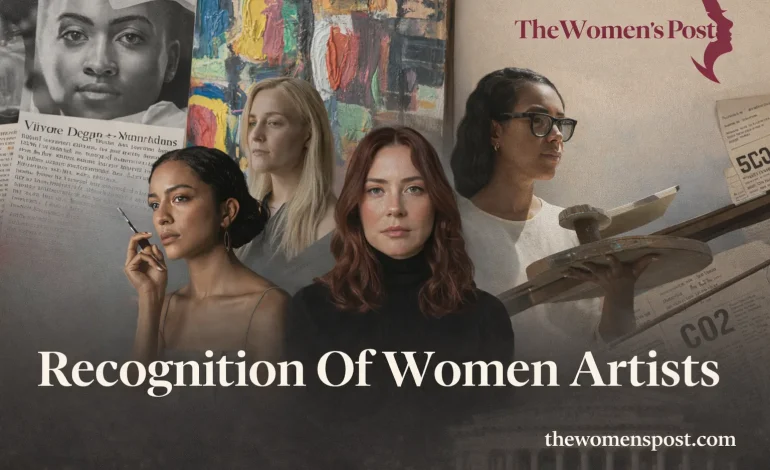

Women artists have always encountered significant challenges in the international art market. Women artists have often faced an absence of recognition of the value of, and exhibitions of, their work in the international art market for many years. Nevertheless, the international market for women artist works is changing quickly. In the past several years, awareness of the market for women artist works has increased considerably, and this is an indication of the move towards fairness in the international art market. Today, new women artists are in the middle of this exciting revolution in the international art market.
Historical Challenges Faced by Women Artists
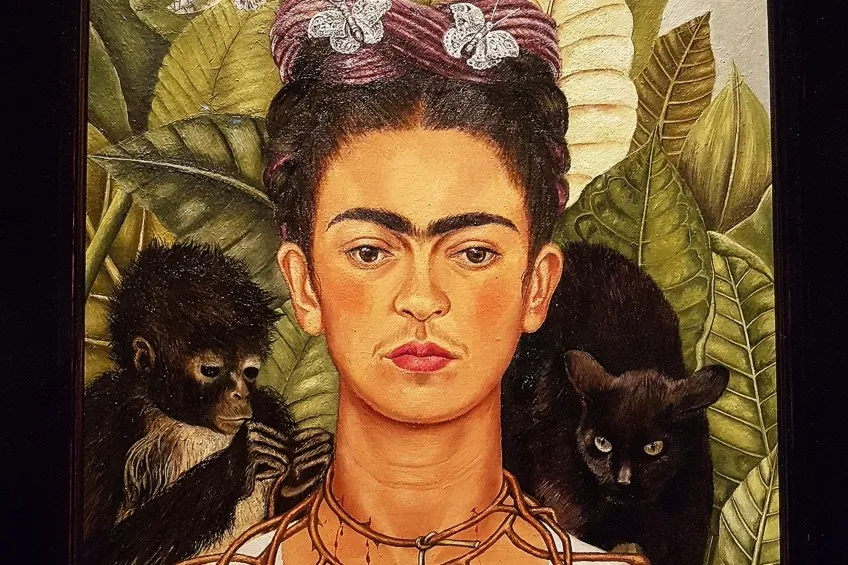
Throughout history, women artists have worked hard to seek equal status for themselves. Previously, traces of women such as Frida Kahlo and Georgia O’Keeffe were far and between in an art world dominated by men. Women were not taken seriously by art galleries and museums, and auctions featured many more works from men than women. For instance, before 2018, only 6% of global art sales were art created by women. This can be attributed to old prejudices that women’s art was not of much worth. Many talented women were forgotten in art history books, and their pieces sat in storage instead of on display.
The Current Boom in the Women Artists Market
Today, the market is booming for women artists. From 2018 to 2024, global sales of their art rose from $523 million to $675 million, nearly doubling their share of the market to about 14%. By 2024, some reports show this share reaching 18%, with total sales around £3.15 billion. Auction records are breaking too. In 2025, a Frida Kahlo painting sold for $54.7 million, setting a new high for women artists. Works by younger women, like those in contemporary categories, have seen strong growth. From 2021 to mid-2025, their art gave returns of 7.6% each year, with average prices up 20% from the year before. This shows clear growth in sales of contemporary women artists.
Key Drivers Behind This Market Growth
This growth comes from several key factors. First, institutions are stepping up. Major museums like the Tate and MoMA now feature women in 40% to 54% of their solo shows and new buys. Art fairs and galleries are hosting more women-only exhibits, giving them the spotlight they deserve. Social movements, such as #MeToo, have pushed for change, making people question why women are left out. This has led to more research and books on forgotten women artists, like the surrealists who are now hot in the market. Trends in global recognition for women artists are stronger than ever.
The Powerful Role of Women Collectors
Collectors play a big role too. Women buyers, especially young ones from Gen Z and millennials, are transforming things. In 2024, high-net-worth women spent 46% more on art than men. They often choose works by female artists—nearly half of their collections are by women, and in places like the US and Japan, it’s over 50%. Gen Z women put 48% of their art budget toward female creators. These buyers like taking risks on new or unknown artists, which helps boost emerging talents. The impact of women collectors on female artists is huge, as they actively support and lift up emerging women artists.
Also Read: Major Exhibitions And Rediscovery Of Women Artists
Regional Growth and Emerging Markets
Around the world, this trend varies but is growing everywhere. In the US, auction sales for women have jumped in lower price ranges—lots under $50,000 sold by women artists rose 136% from 2018 to 2024. Europe sees similar gains, with places like London hosting record-breaking sales. In Asia, especially Japan, women collectors are leading the charge. Even in developing regions, artists from Africa and Latin America, like Lynette Yiadom-Boakye, are fetching high prices. Her painting sold for over $573,000 in 2025, showing great returns over time. Emerging women artists from these regions are gaining serious attention.
Standout Women Artists Leading the Way
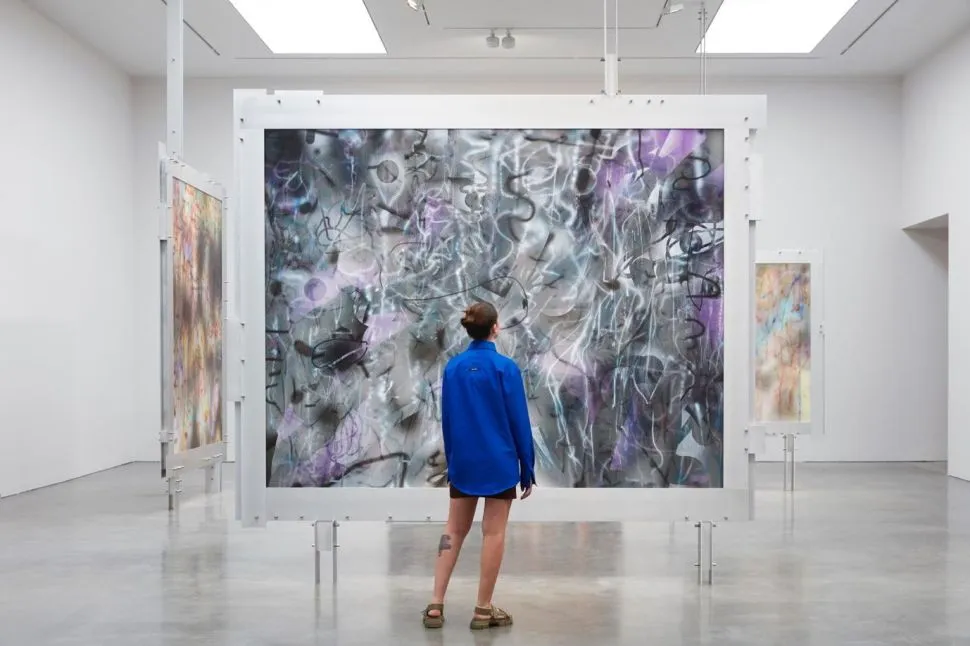
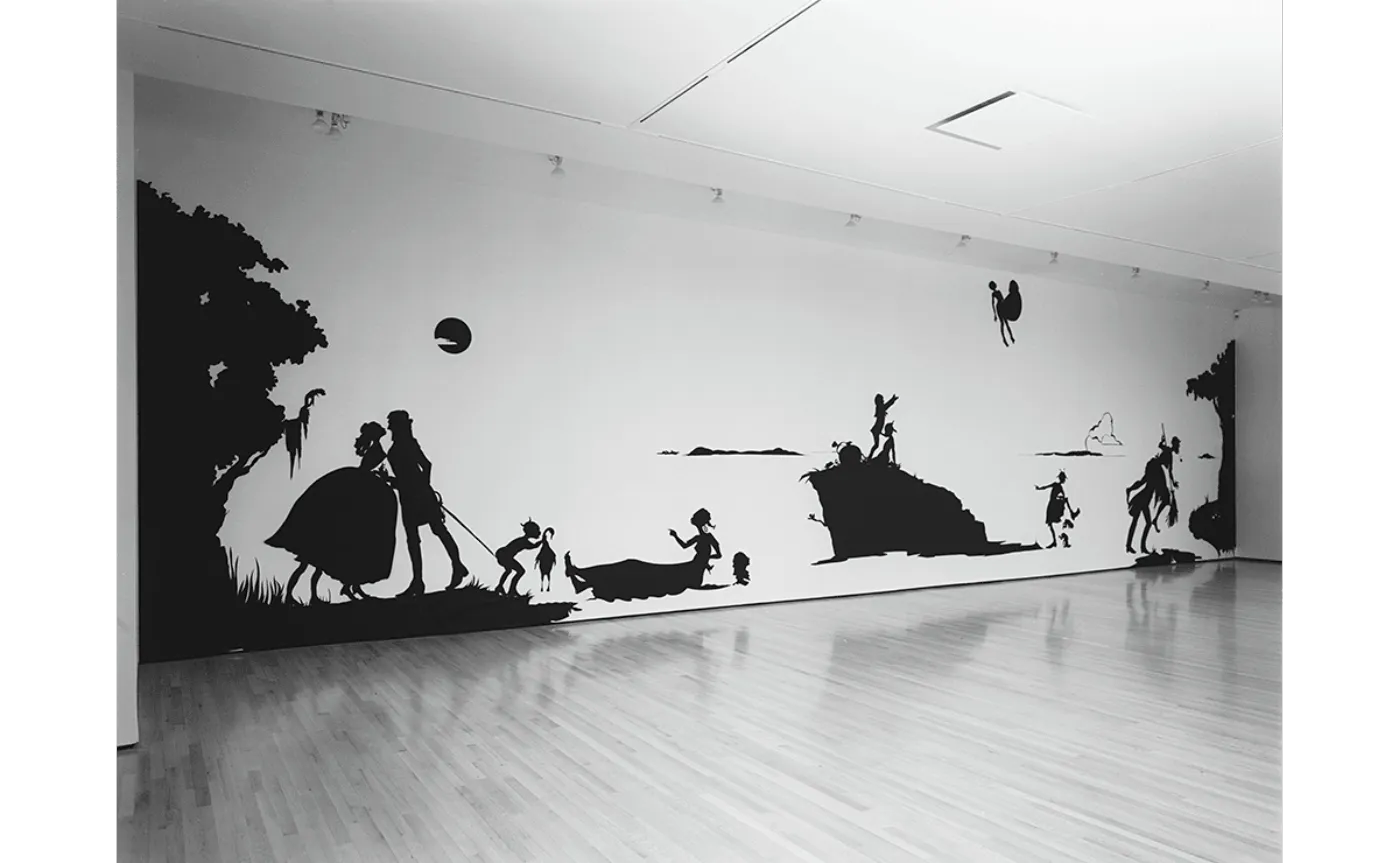
Some standout women artists highlight this rise. Julie Mehretu, known for her abstract works, has seen her pieces sell for millions. Kara Walker tackles tough themes like race and history, and her market is expanding. Emerging women artists like Celine Ali and Helen Beard are getting six-figure sales and museum support. Historical figures like Frida Kahlo and modern ones like Yayoi Kusama prove that women can command top spots. Many experts now talk about the undervalued women artists market potential, as these once-overlooked creators show strong future value.
Also Read: The Digital Revolution And NFTs In Women’s Art
Remaining Challenges in the Art Market
But challenges remain. Women still lag behind men. The top auction record for any artist is $450 million for da Vinci, far above Kahlo’s mark. In collections, women’s works make up only 44% on average, and they are underrepresented in older art periods like Impressionism or Old Masters. Biases persist, and some say the market corrects too slowly for undervalued women. Still, the undervalued women artists market potential continues to attract smart buyers looking ahead.
Future Outlook for 2026 and Beyond
Looking to 2026, the outlook is positive. The global art market expects steady growth, with inflation dropping and economies stabilizing. More focus on diversity will help. Auction houses are offering guarantees for women’s lots—up to 78% in 2025 from 30% in 2018—showing confidence. As young collectors grow in influence, the push for equity will continue. Trends in global recognition for women artists will keep building momentum.
Conclusion: A Fairer and Richer Art World
In the end, the growth and recognition of women artists mark a real change in the art world. It’s not just about money; it’s about giving credit where it’s due. As more voices join in, the market becomes richer and fairer for everyone. This trend promises a brighter future, where talent matters more than gender. The impact of women collectors on female artists will keep driving support for emerging women artists, while the growth in sales of contemporary women artists proves this movement is here to stay.


