






Major Exhibitions And Rediscovery Of Women Artists


For a long time, the history of art has been dominated by male artists. The female artists were forgotten or not considered. However, in recent years, there has been a big effort by museums and art historians to rediscover these talented women through feminist exhibitions. This has been done through large feminist exhibitions where their work is exhibited for the public to see. These feminist exhibitions not only revive the lost history but also alter the way people look at art. They demonstrate that women have played a central role in art history.
The Rise of Feminist Exhibitions in the 1970s
The recovery of women artists began to gather momentum in the 1970s. The feminist movements called for greater recognition of the contributions of women to history. One of the most important exhibitions was “Women Artists: 1550-1950” at the Los Angeles County Museum of Art in 1976. It was later exhibited in other locations. The exhibition included more than 150 paintings by 83 women from Europe and America. Artists such as Artemisia Gentileschi, Mary Cassatt, and Georgia O’Keeffe were featured. It was a big step because it showed how women faced barriers like lack of training or support. The show drew crowds and sparked debates. It helped start a wave of research on forgotten women in art and inspired many feminist exhibitions.
Feminist Exhibitions in the 1980s and 1990s
Also Read: The Digital Revolution And NFTs In Women’s Art
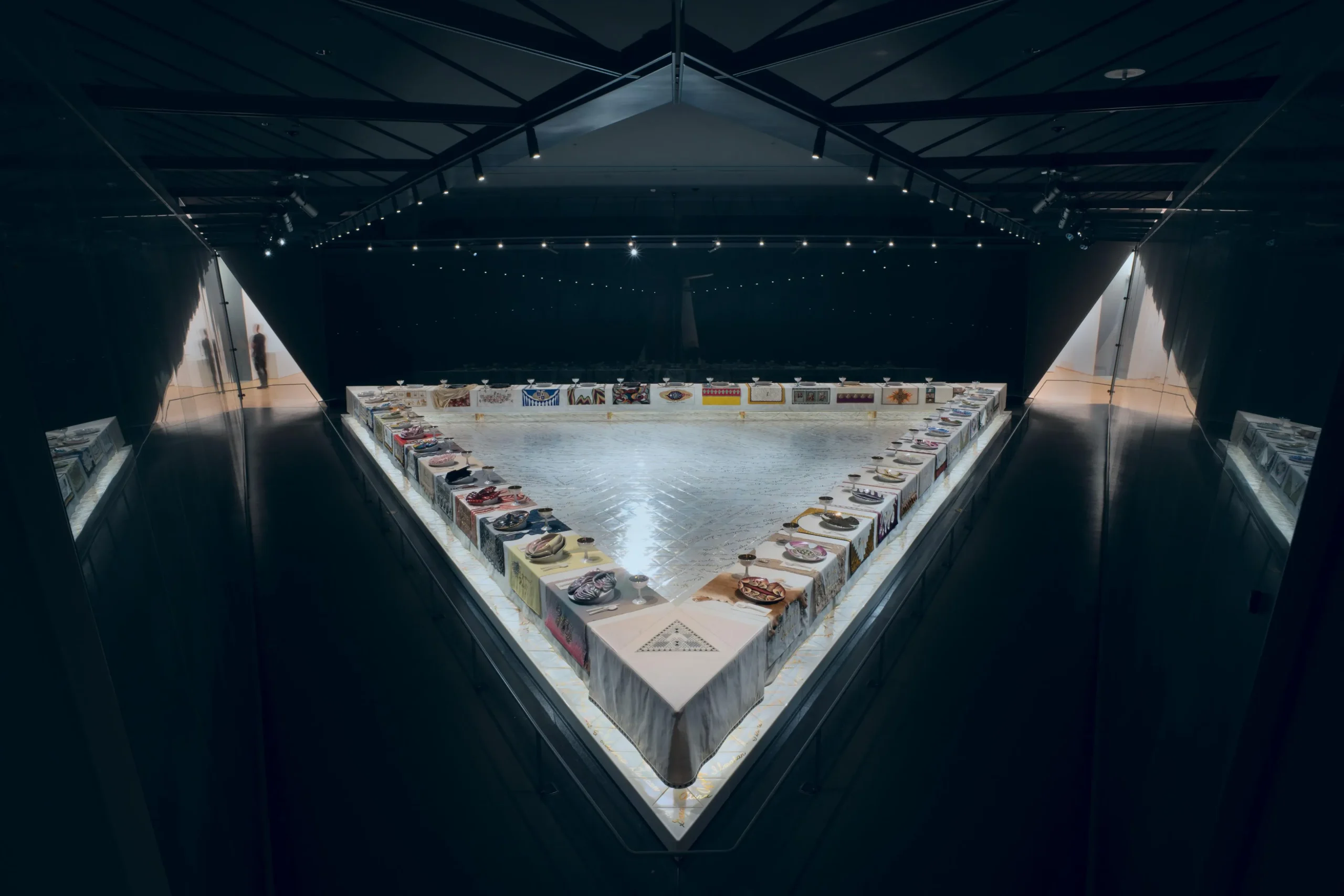
In the 1980s and 1990s, more feminist exhibitions followed. “The Dinner Party” by Judy Chicago, first shown in 1979 at the San Francisco Museum of Modern Art, became famous. It was a huge installation with place settings for 39 mythical and historical women. Though not a traditional exhibition, it toured widely and reached over a million people. It made viewers think about women’s achievements. Another key show was “Women Artists of the Avant-Garde” in 1988 at the Guggenheim Museum. It focused on early 20th-century women like Sonia Delaunay and Hannah Höch. These feminist exhibitions helped rediscover artists who were overshadowed by men in movements like Cubism or Surrealism.
Growing Focus on Feminist Exhibitions in the 2000s
The 2000s brought even more focus on feminist exhibitions. Museums began to collect and display more works by women. The National Museum of Women in the Arts (NMWA) in Washington, D.C., opened in 1987 and has hosted many shows. For example, “Women Who Rock: Vision, Passion, Power” in 2012 mixed art with music to honor women creators. But rediscovery often meant digging into archives. Scholars found paintings in attics or mislabeled works. Artists like Hilma af Klint, a Swedish abstract painter, were rediscovered. Her 2018-2019 show at the Guggenheim drew record crowds. Af Klint created abstract art before famous men like Kandinsky, but her work stayed hidden because she wanted it secret until after her death.
Feminist Exhibitions in the 2020s and Beyond
Also Read: Young Female Artists And Interdisciplinary Projects
In the 2020s, the trend grew stronger with more feminist exhibitions. The COVID-19 pandemic delayed some shows, but museums bounced back with bold programs. In 2021, the Baltimore Museum of Art had “Women Take the Floor.” It rearranged galleries to feature only women artists from its collection. This included rediscovered figures like Grace Hartigan from the Abstract Expressionist movement. Often, that era is linked to men like Jackson Pollock, but women like Hartigan and Lee Krasner were vital too.
Key Highlights from Recent Feminist Exhibitions
A major highlight was the 2022 exhibition “Women Painting Women” at the Modern Art Museum of Fort Worth. It showed how modern women artists portray other women. But it also tied back to history by including rediscovered painters like Alice Neel. Neel’s raw portraits were overlooked for years but now sell for millions. In Europe, the Tate Modern in London hosted “Now You See Us: Women Artists in Britain 1520-1920” in 2024. This show rediscovered over 100 artists, many unknown to the public. It included works by Mary Beale, the first professional woman painter in England, and Evelyn De Morgan, a Pre-Raphaelite artist.
Ongoing Feminist Exhibitions in 2025 and 2026
As of 2026, feminist exhibitions continue to shine light on overlooked women. The NMWA’s “Women Artists from Antwerp to Amsterdam, 1600–1750” runs from September 2025 to January 2026. It features nearly 150 works by 40 Dutch and Flemish women, like Judith Leyster and Clara Peeters. Many pieces are shown in the U.S. for the first time. This show rewrites art history by focusing on women’s views in a male-dominated era. It will travel to Ghent, Belgium, later in 2026.
In San Francisco, the de Young Museum’s 2021-2022 retrospective of Judy Chicago expanded in influence by 2026, with related shows across the Bay Area. Chicago’s work, like “The Dinner Party,” inspires new generations. Another 2026 show is “Dream Rooms: Environments by Women Artists 1950s–Now” at M+ in Hong Kong. It looks at immersive art by women from the mid-20th century onward, including rediscovered figures in installation art.
Edmonia Lewis, a Black and Native American sculptor, is getting attention too through feminist exhibitions. A 2025 Bay Area show of her marble works highlights her as the first professional sculptor of color in America. Her pieces were lost for decades but now appear in major collections. In Vienna, a 2025 exhibition on Michaelina Wautier, a 17th-century Flemish painter, brings her bold portraits to light. Wautier’s work was misattributed to men until recent research.
The Broader Impact of Feminist Exhibitions
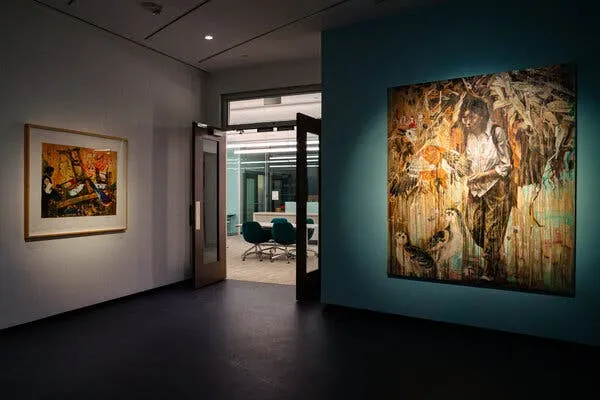
These exhibitions do more than display art. They change the market. Women artists’ works now fetch high prices at auctions. Museums are buying more pieces by women to fix gender gaps in collections. Education plays a role too. Books like “Broad Strokes” by Bridget Quinn tell stories of 15 rediscovered women artists. Online platforms share images and facts, making rediscovery global.
Remaining Challenges in Rediscovering Women Artists
Challenges remain. Many women artists from non-Western cultures are still ignored. Exhibitions like “Global Feminisms” at the Brooklyn Museum in 2007 started addressing this, but more is needed. Funding and research are key to finding lost works.
Conclusion: The Lasting Power of Feminist Exhibitions
In the end, major exhibitions have been crucial in rediscovering women artists. They bring hidden talents into view and enrich art history. As more shows happen in 2026 and beyond, the story of art becomes fuller and fairer. This movement shows that great art knows no gender. It inspires future artists and reminds everyone of the power of looking back to move forward.


