






The Digital Revolution And NFTs In Women’s Art

NFT Art Women are at the vanguard of this change with the advent of the digital revolution and the creative sector that has been reshaped by this. NFT Art Women are now employing the latest technology to create freely. NFT Art Women recognize that the internet and the blockchain represent an open way for them that was previously blocked. This change benefits NFT Art Women a great deal, as it provides fewer hindrances to creation. The collaboration of the internet and the blockchain makes for an impressive combination among NFT Art Women. NFT Art Women are at the helm of innovative changes in the field of arts.
However, the world has undergone significant changes because of the digital revolution, and this includes the world of art. It all started with the use of computers and the internet that enabled individuals to create and share artistic pieces for sale without needing huge galleries. For women artists, this shift has been especially important. In the past, the art world often favored men, with fewer opportunities for women to show their work or earn fair pay.
Now, digital tools like software for drawing and online platforms have opened doors. But one of the biggest game-changers has been NFTs, or non-fungible tokens. These are unique digital certificates on blockchain technology that prove ownership of art. They have helped women artists gain more control, reach global audiences, and make money directly. This article explores the role of NFTs in women’s digital art revolution, the impact of digital revolution on female artists NFTs, women leaders in NFT art market trends, and feminist art practices with NFT technology, along with both exciting wins and some challenges.
The Origins of the Digital Revolution in Art
Also Read: Young Female Artists And Interdisciplinary Projects
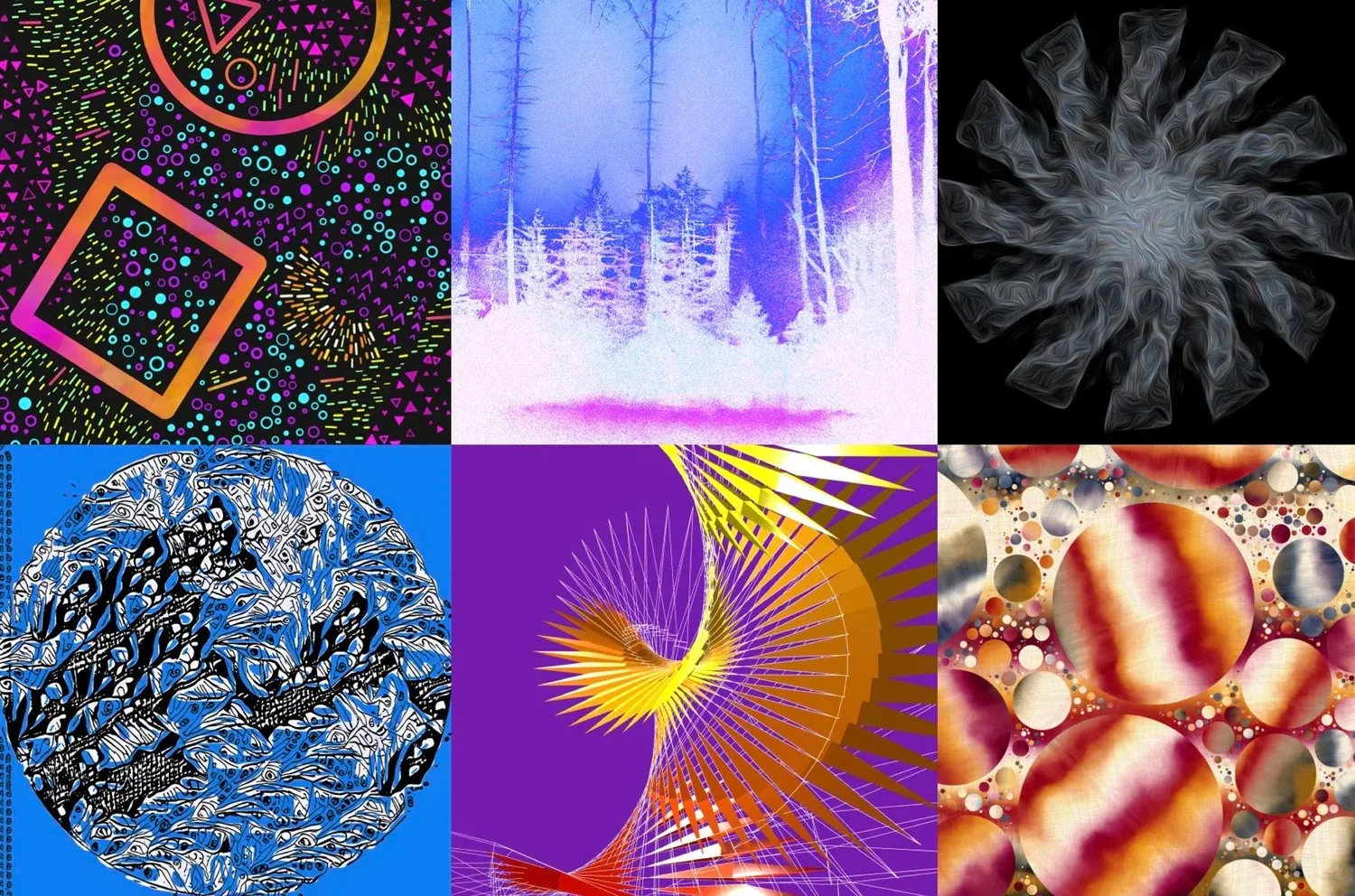
The digital revolution in art began in the late 20th century. Computers allowed artists to experiment with new forms, like digital paintings or animations, without paint or canvas. Women, who often faced barriers in traditional art spaces, found freedom here. For example, in the 1990s, feminist artists used digital media to challenge old ideas about gender and identity. They created works that mixed video, graphics, and interactivity to tell stories about women’s experiences. Tools like Photoshop and later apps made art more accessible. No longer did artists need fancy studios; a laptop could do the job. This leveled the playing field a bit, letting women from different backgrounds enter the scene. Platforms like Instagram and DeviantArt helped them build followings and sell prints or commissions online. The revolution wasn’t just about creation—it was about connection. Women could form communities, share tips, and support each other across borders.
The Rise of NFTs and Their Role in Women’s Digital Art Revolution
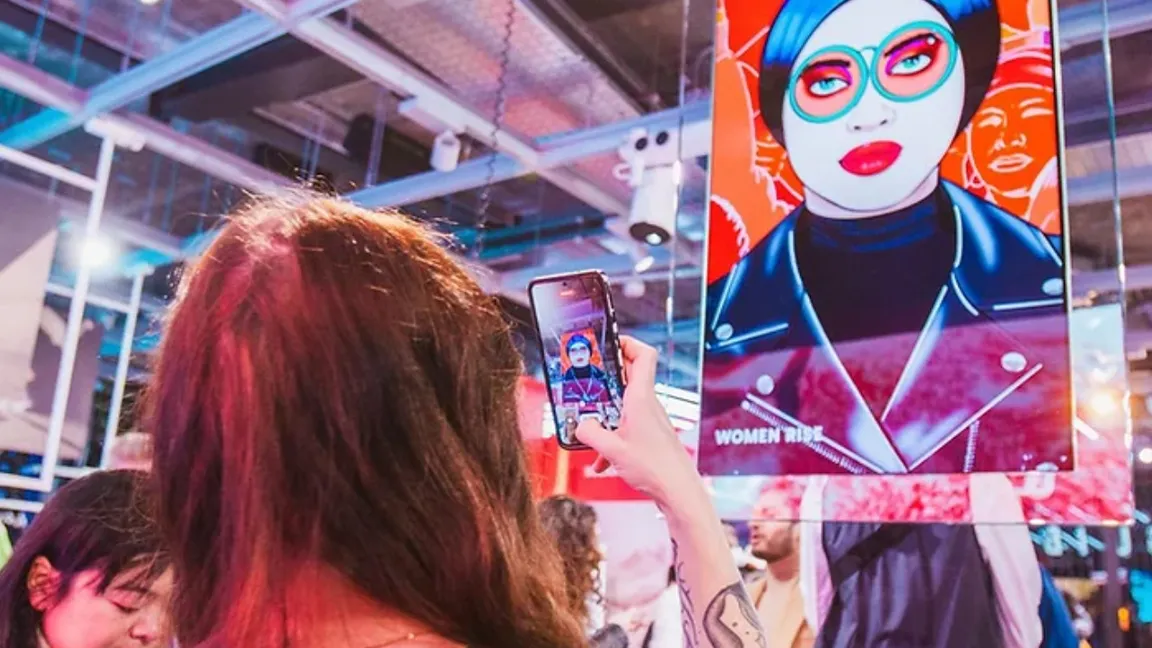
Then came NFTs in the early 2020s, taking the digital revolution to a new level. NFTs work like this: An artist creates a digital piece, like an image or video, and “mints” it as an NFT on a blockchain. This makes it one-of-a-kind, even if copies exist online. Buyers use cryptocurrency to purchase it, and the transaction is secure and transparent. For women artists, NFTs mean bypassing traditional gatekeepers like galleries that might ignore them. In the old art world, women made up only a small fraction of exhibited artists—often less than 30% in major museums. NFTs changed that by letting artists sell directly to fans. Projects led by women, such as World of Women, focus on empowerment. They create NFT collections that celebrate female strength and donate to causes like girls’ education. These initiatives build communities and provide grants for emerging artists.
Key Benefits of NFTs for Female Artists
- Direct sales to global audiences
- Ownership proof through blockchain
- Automatic royalties on resales
- Empowerment through community-driven projects
Women Leaders in NFT Art Market Trends
Many women have thrived with NFTs. Take Jen Stark, a multimedia artist known for colorful, geometric works. She broke records for women in NFTs with high sales, showing how digital savvy can lead to success. Grimes, the musician and visual artist, sold NFTs for millions, blending her art with tech. Itzel Yard, who goes by IxShells, from Panama, created “Dreaming at Dusk” and gained attention in a male-dominated space. Even celebrities like Paris Hilton jumped in, collaborating on NFTs that mix glamour and digital innovation. These stories show how NFTs give women financial independence. One artist went from borrowing money to earning $4 million in a day through NFT sales. Royalties are a big plus too—every resale gives the creator a cut, something missing in physical art.
Feminist Art Practices with NFT Technology
Also Read: Women, Identity, Diaspora, And Motherhood In Art Practice
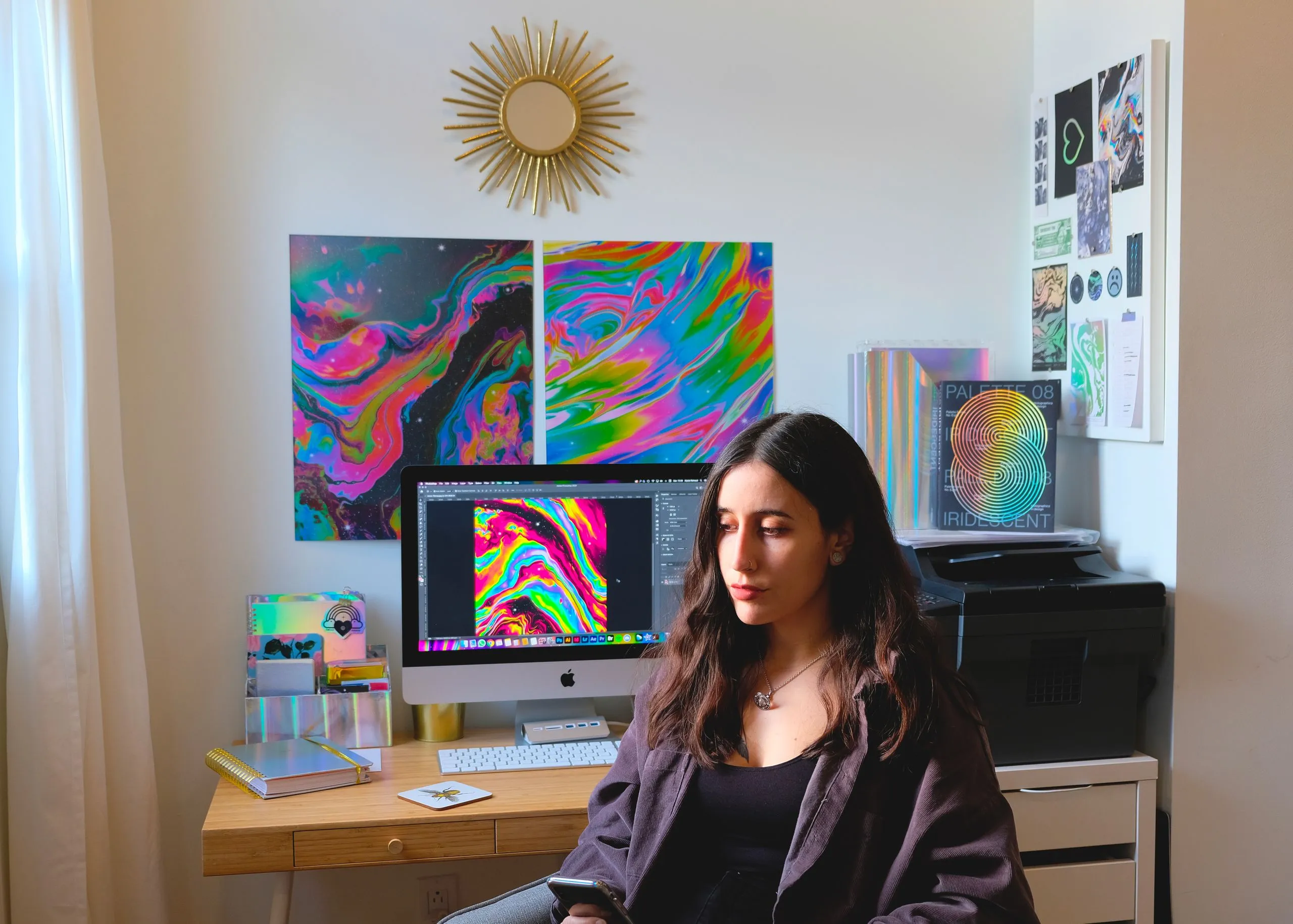
NFTs also tie into feminist practices. They decentralize power, letting women become their own agents. Feminist artists use them to explore themes like identity and inequality. For instance, some collections support social justice, raising funds for marginalized groups. The technology builds on 1990s digital feminism, evolving it for today. Women are redefining creativity, using NFTs to monetize digital work that was once hard to sell. This creates a digital legacy, where women control their narratives and challenge old structures.
Challenges in the NFT Space for Women Artists
But it’s not all smooth. There’s a gender gap: Women make up only 16% of the NFT art market, with men dominating sales. Bias from the tech world creeps in, and women from outside big cities or with less tech access struggle. Environmental issues are huge too—NFTs on some blockchains use a lot of energy, contributing to carbon emissions. Some women artists fight this by choosing eco-friendly platforms or using NFTs for climate causes. The market is volatile; prices crash, and scams happen. Not every artist succeeds, and the hype can fade.
The Future: Impact of Digital Revolution on Female Artists NFTs
Looking ahead, the future looks promising if changes happen. More inclusive platforms could boost women’s participation. AI is entering the mix, helping artists create faster, but it raises questions about originality. NFTs might evolve into tools for broader social change, like supporting diverse voices in art. As blockchain gets greener and easier to use, more women could join, making the digital art world truly equal.
Conclusion: A New Era for Women in Digital Art
In the end, the digital revolution and NFTs have given women artists new power. They’ve turned barriers into opportunities, letting creativity flourish online. While challenges remain, the shift is clear: Women’s art is no longer sidelined. It’s leading the way in a digital era, inspiring the next generation to dream big and create boldly.


