



Contraception: Global Access And The Unmet Need Of Millions Of Women
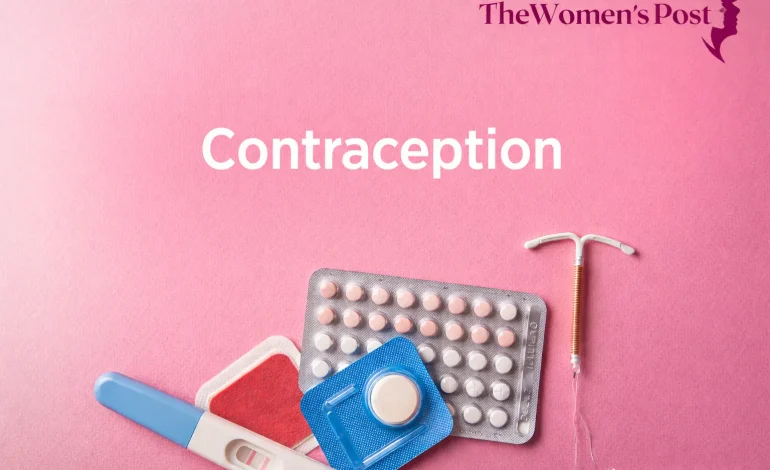

Access to contraception for women is still considered one of the most critical health and human rights issues women face globally. Although significant strides have been made during the past five decades, millions of women lack contraception: 2025 statistics show that millions of women still have difficulties obtaining the family planning methods they want. This gap between demand and access, otherwise known as global unmet need for contraception among women, continues to propagate the vicious circle of poverty, reduce educational opportunities, and compromise women’s reproductive health worldwide.
The Scale of the Challenge
These statistics put the global unmet need for contraception among women into a sobering light. In 2019, more than 160 million women and adolescents who wanted to avoid pregnancy were not using any form of women’s contraception. This represents a substantial portion of the approximately 1.2 billion women of reproductive age who needed family planning services. By 2021 and 2022, millions women lack contraception 2025 statistics indicate around 270 million women lacking access to modern family planning methods, yet the demand for women’s contraception continues to grow significantly.
The World Health Organization confirms that every year, approximately 74 million women in low- and middle-income countries experience unintended pregnancies. These pregnancies often lead to devastating consequences, including roughly 25 million unsafe abortions and 39,000 maternal deaths annually. The tragedy underlying these numbers is that most of these tragedies could be prevented through access to safe, effective women’s contraception methods.
Geographic and Regional Disparities
The challenge of women’s contraception access is not evenly distributed across the globe. Significant disparities exist between regions, with sub-Saharan Africa and South Asia bearing the heaviest burden of unmet contraceptive needs developing countries. More than half of all women with unmet contraceptive needs live in these two regions. Southeast Asia, East Asia, and Oceania have achieved the highest rates of modern contraceptive use at 65%, with 90% of demand satisfied. In stark contrast, sub-Saharan Africa lags far behind with only 24% of women using modern women’s contraception and just 52% of demand being met.
Country-level variations are even more striking. Modern contraceptive use ranges from as low as 2% in South Sudan to 88% in Norway. Nations like the Central African Republic and Vanuatu report unmet need rates exceeding 28-29%, indicating that nearly a third of women desiring women’s contraception cannot access it. In the least developed countries overall, 15% of women face unmet contraceptive needs in developing countries compared to just 7% in more developed regions.
Young Women Face the Greatest Barriers
Also Read: The Invisible Women’s Health Gap: Understanding Endometriosis, PMS, Menopause, And Migraine
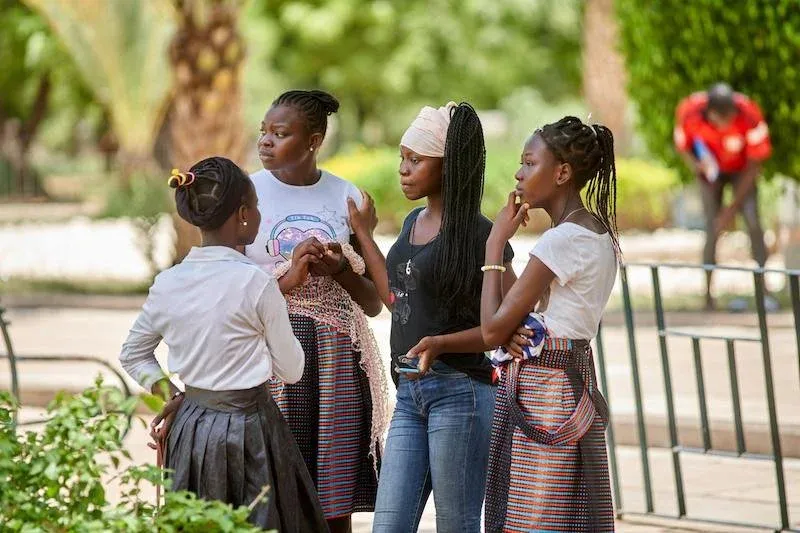
One of the most concerning findings is that younger women bear a disproportionate share of the burden of global unmet need for contraception women. Women and adolescents aged 15-19 have only 65% of their contraceptive demand satisfied, while those aged 20-24 have 72% satisfaction rates. Although young women represent only 16% of total contraceptive need, they account for 27% of total unmet need—approximately 43 million young women and adolescents globally. In some countries, the situation is particularly dire. In Uganda, for example, 63% of unmarried sexually active women aged 15-19 and 43% of those aged 20-24 use no form of women’s contraception at all.
The impact of this gap is profound. Young women who cannot access women’s contraception face barriers to remaining in school, pursuing further education, and maintaining paid employment. The ability to delay childbearing is directly linked to long-term social and economic empowerment, and denying women this choice perpetuates gender inequality and poverty.
Key Barriers to Access
Multiple, interconnected barriers prevent women from obtaining women’s contraception. Financial constraints represent one of the most significant obstacles, particularly in low- and middle-income countries with unmet contraceptive needs in developing countries. The cost of contraceptive methods, combined with transportation expenses and clinic fees, places these services beyond the reach of the poorest women. Women in the poorest 20% of households experience substantially higher unmet needs than their wealthier counterparts.
Geographic isolation compounds financial barriers. Women living in rural areas and urban slums are typically far from family planning services. Only 3% of women seeking to delay or limit pregnancy in the Philippines, for instance, received contraceptive advice during healthcare visits. Poor infrastructure and limited access to healthcare facilities make service provision challenging in remote areas.
Social and cultural barriers are equally formidable. Harmful gender norms and patriarchal structures leave women with diminished autonomy in reproductive decisions. Fear of disagreement with partners causes some women to avoid seeking women’s contraception altogether. Stigma surrounding women’s contraception remains a significant obstacle, particularly for unmarried women who may face marginalization if they seek family planning services. Religious beliefs, superstitions, and cultural practices also influence contraceptive uptake, with studies identifying culture as a barrier in 20.3% of cases in some African contexts.
Lack of knowledge and misconceptions prevent many women from using available women’s contraception methods. Fear of side effects, concerns about infertility, and insufficient information about contraceptive options discourage uptake. Post-partum women often underestimate their pregnancy risk and lack knowledge of suitable methods they can use while breastfeeding.
The Path Toward Universal Access
Also Read: Abortion Restrictions And Their Impact On Women’s Health Systems Worldwide
Addressing the global unmet need for contraception women requires multifaceted approaches focused on improving global access to modern contraceptives. Expanding method choice is essential, as different women have different preferences and needs based on age, marital status, and health circumstances. Younger women typically prefer short-acting methods like oral contraceptives and condoms, while older women may choose permanent methods. Diversifying contraceptive options in regions overly reliant on single methods could improve access and satisfaction rates through improving global access to modern contraceptives.
Targeted programs for young women and adolescents are critical. Implementing adolescent-friendly health services, comprehensive sexuality education, and diverse distribution channels can help reach young people where they are. Equitable investment in family planning has proven effective. Bangladesh demonstrates that sustained investment in family planning with a focus on equity ensures that wealthy and poor women alike have equal access to modern women’s contraception.
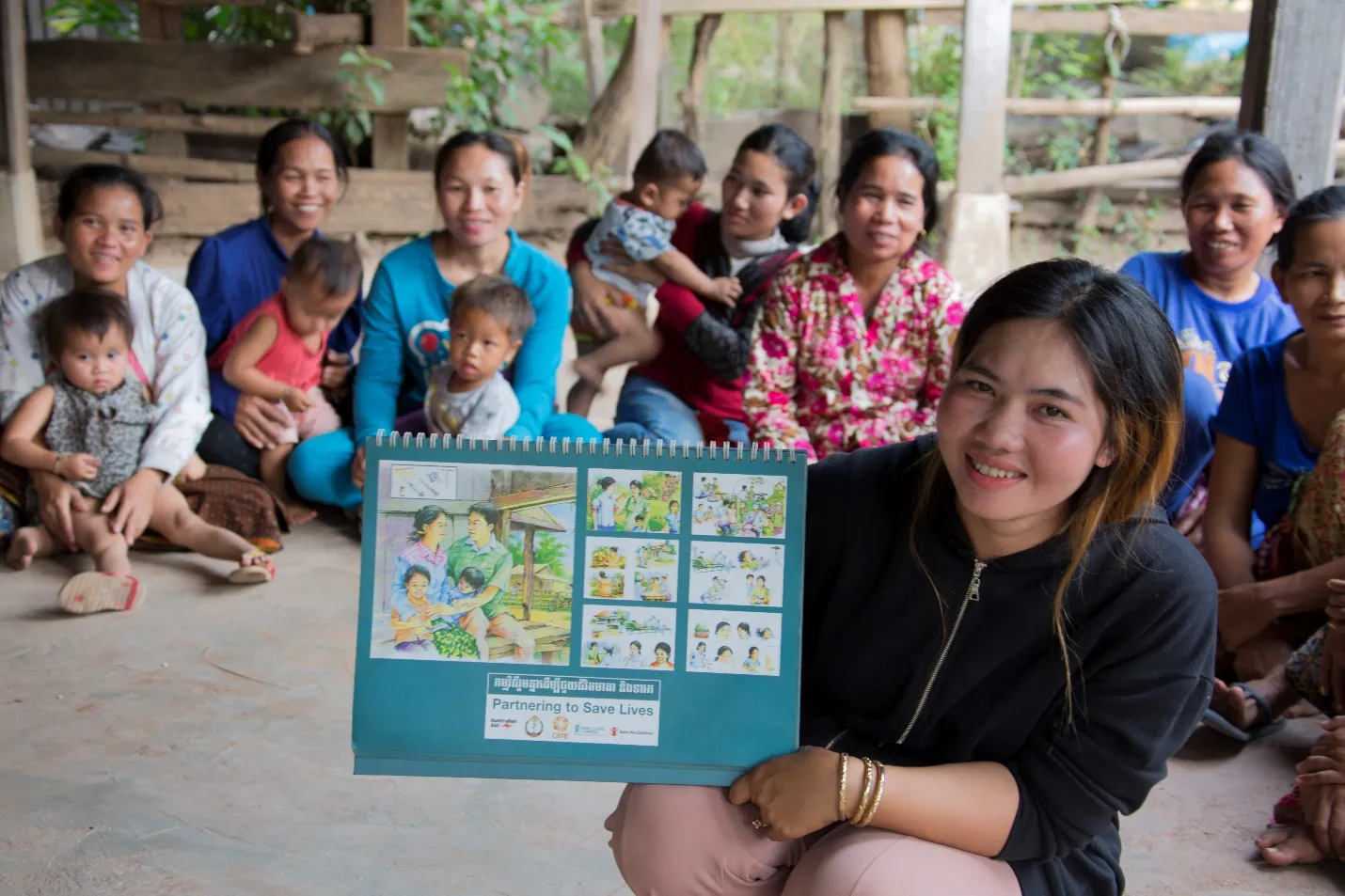
Community engagement and education must address gender dynamics, reduce stigma, and increase awareness. Village health teams and community health workers can bridge gaps between rural populations and healthcare systems. Programs that target men are particularly important, as spousal support significantly influences women’s contraceptive use and supports improving global access to modern contraceptives.
Conclusion
The unmet need for contraception among millions of women represents both a health crisis and a fundamental human rights violation, as millions women lack contraception 2025 statistics clearly show. The disparity between global unmet need for contraception women and access—particularly in sub-Saharan Africa, South Asia, and among young women—demands urgent action. Achieving universal access to women’s contraception is inseparable from progress toward gender equality, poverty reduction, and improved maternal health. By removing financial barriers, expanding contraceptive choice, supporting young women, and addressing harmful social norms, the global community can unlock the transformative benefits of family planning for all women and adolescents.