




Burnout, Bias And Balance: The Invisible Emotional Load Of Women Tech Entrepreneurs


Starting and scaling up a technology company has always been tough. For female entrepreneurs who take the plunge into this high-tech space, however, the obstacles often reach further than usual market competition or challenges to innovation. Beneath the surface lies an unseen struggle: one of unremitting pressure, systemic biases, and an unseen emotional load that most of the world does not notice. Women in tech entrepreneurship face alarming rates of burnout, fueled by sexism and the ceaseless work required to balance a precarious tightrope between many demanding roles.
The Reality of Burnout Among Women in Tech
It has now been observed that the mental health of women in technology leadership is gradually emerging as a growing concern. Research evidence shows that approximately 46% of women in tech report having burnt out in the last year. Women in leadership positions further report even higher levels of exhaustion compared to men. This burnout isn’t just caused by long working hours or high-pressure targets. Rather, it was for a mix of factors unique and individual to women themselves within the tech industry.
Women in senior positions usually experience extreme levels of stress. For instance, 70% of women who have held leadership roles for less than five years report burning out frequently, compared to 50% of men in similar experience levels. This will bring us back to an important point: The newest women to leadership roles are far more likely to experience even more pressure because they are scrutinized more and often have to work harder to prove themselves while men may automatically gain respect and support. This should demonstrate how the layers add onto the challenge for women entrepreneurs when it comes to burnout.
How Burnout Affects Women Tech Entrepreneurs

Also Read: How Can Women In Tech Use Networking To Find A Job Successfully?
Evidence has shown that women in tech entrepreneurship have higher incidences of burnout compared to their male counterparts, which affects their mental health and professional performance. Burned-out women entrepreneurs typically feel exhausted and overwhelmed, decreasing their powers of creativity, decision-making, and effectiveness. The emotional toll increases as they try to meet high expectations, often with little recognition or support, which ultimately hampers their ability to lead effectively and sustain their ventures.
Bias as an Influence
At each stage of a woman’s journey into tech, there seems to be a constant barrier due to gender bias. According to experts, this creates a dynamic of “hypervisibility paradox,” where women leaders are super-present as “the woman in the room,” while their skills and competence are usually left off the counter. This means women need to work harder to be taken seriously, constantly reaffirming their expertise. It sets in motion a double burden that is crushing to the psyche and emotions, rarely experienced by men.
Biases extend to funding opportunities as well. Studies show that venture capitalists have preconceived notions about women entrepreneurs. Several say that women in startups are hyped, and some even openly share that they would not invest in them. Such attitudes make it harder for women to obtain the capital necessary to scale up ventures. Stressors are then brought into each journey, adding an air of uncertainty. Therefore, overcoming gender bias in entrepreneurship within the tech industry is really about taking care of its women entrepreneurs and ensuring lower rates of burnout.
Emotional Challenges Women Startup Founders Face
Perhaps one of the more overlooked elements in burnout women entrepreneurs experience is emotional labor. Women are often expected to bear the lion’s share of emotional support in their organizations and personal lives. From relationship management, boosting morale, and managing household responsibilities, this invisible work of raising others is tiring and uses up most of one’s mental resources. Such an emotional challenge faced by the women startup founders is mentally draining; often, it results in feelings of isolation, anxiety, and stress.
Also, most of the women work in relative isolation. Only about 26% of the jobs in technology are held by females; even fewer females occupy leadership positions in technology startups. This has left many females as the only women in key decision-making rooms. Feeling emotionally exhausted and isolated forbids them from innovating and being resilient to sustain themselves from burnout.
Strategies That Can Help Women in Technology Balance Work and Life
Also Read: How Tech Companies Can Foster Female Talent: Recruitment, Retention, And Culture Shifts
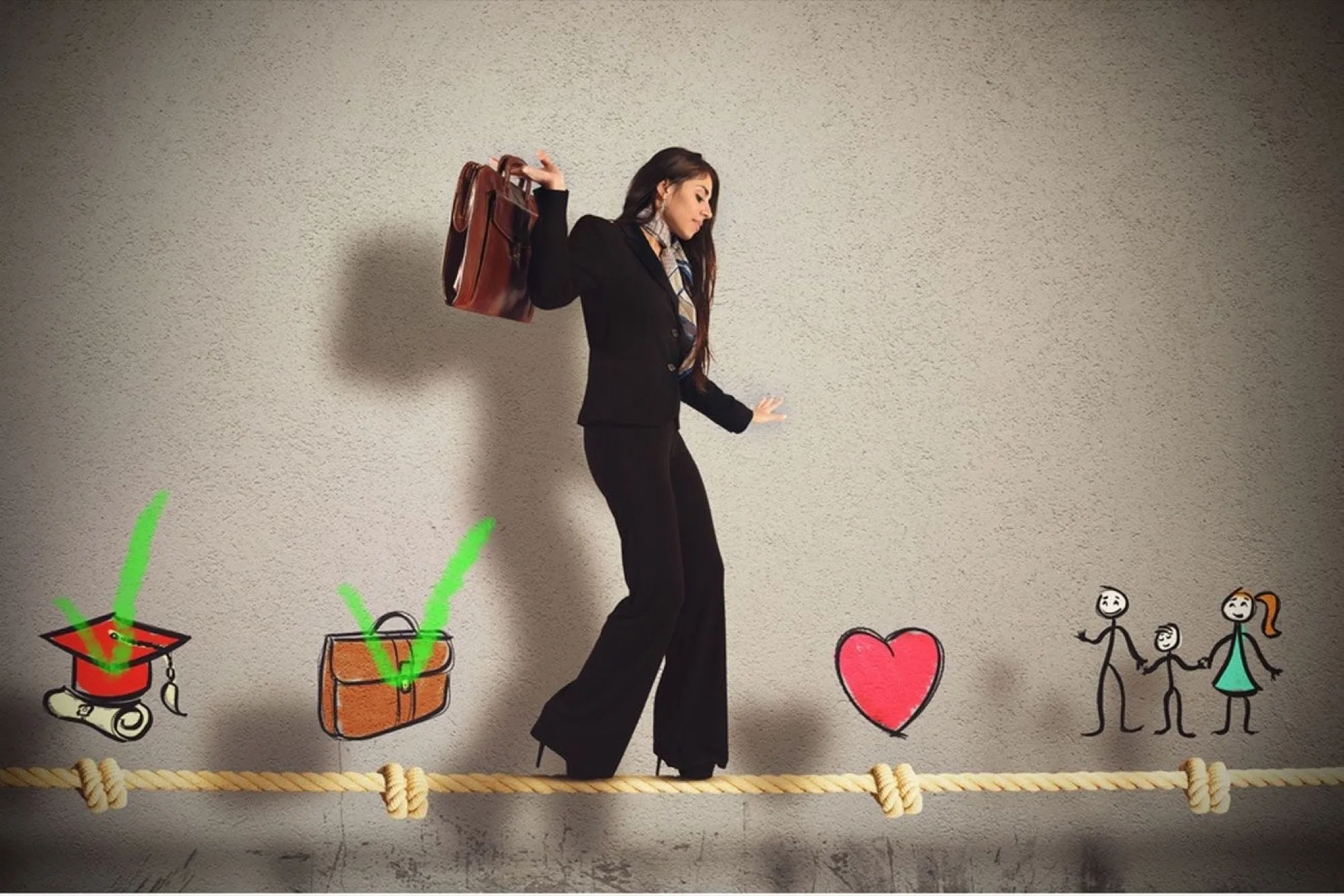
Finding balance in the lives of women in tech entrepreneurship is elusive, yet most women are in it, trying to make it work. Balancing strategies for work and life for women in technology involve finding flexible work arrangements, building a support network, and setting boundaries. Many women entrepreneurs are also focused on creating supportive work environments-both for themselves and their teams-to reduce their emotional load and manage burnout, which women entrepreneurs tend to experience more often.
Organizations also play their role by providing mentorship, resources, and mental health support directed at the women entrepreneurs. The development of a culture that values wellbeing and work-life balance could well be an important part of reducing the psychological burdens on female startup founders and allowing them to lead a healthier lifestyle as entrepreneurs.
Overcoming Gender Bias in Tech Entrepreneurship
Overcoming gender bias in tech entrepreneurship is thus crucial to reduce the high levels of burnout faced by women entrepreneurs and to create a more inclusive industry. Concerted actions need to be taken by all sectors, including venture capitalists, corporate leadership, and policy leaders, to dismantle stereotypes, promote diversity, and ensure equal opportunities.
Venture capitalists need to examine their unconscious biases, and technology companies need policies that support women entrepreneurs. Society at large needs to recognize the emotional work women are doing on their ventures-the invisible work of juggling all the different roles and fighting bias is work that deserves recognition. Only then can the industry better support women entrepreneurs in ways that may help reduce the risk of burnout of women entrepreneurs.
Looking to the Future
Such invisible emotional loads women have to carry in tech entrepreneurship represent a tremendous loss not only for the women but also for the industry as a whole. Women bring diverse perspectives and innovative ideas and solutions that are often not considered in a male-dominated environment. Many women are forced either to leave their ventures or reduce their ambition because the system is just not equipped to handle them effectively. This calls for systemic change: venture capitalists and industry leaders must support conscious decisions to reduce biases and build inclusive environments.
Society at large should understand and support the emotional challenges women founders of startups go through. Only then can women pursue their aspirations unharried by fears of burnout or emotional exhaustion-an essential step toward a more innovative, diverse, and sustainable tech industry.
This narrative emphasizes systemic biases and emotional challenges faced by women entrepreneurs due to burnout, at the same time broaching the need to devise strategies to help women get through. Approaching these issues is a matter of moving toward a healthier and more inclusive environment where women entrepreneurs can successfully function.