






Women In Culinary Arts As A Form Of Cultural Expression
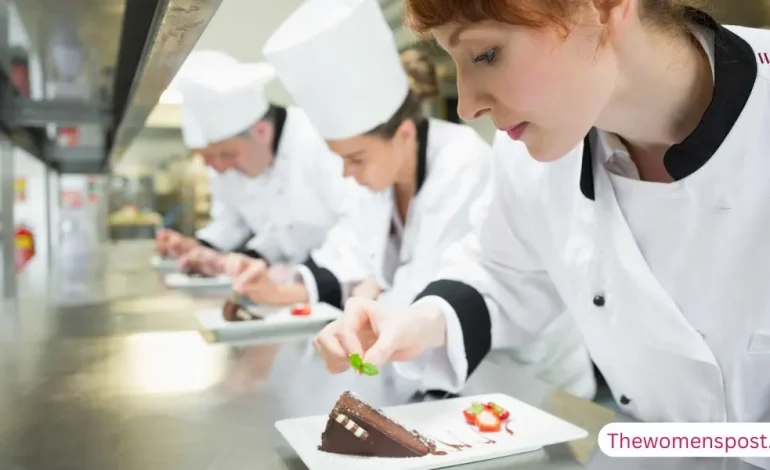

Women have been central to culinary arts for hundreds of years, exemplifying the women in culinary arts cultural role through their culinary efforts. Women chefs employ food to tell stories, preserve traditions, and express their cultural heritage. Cooking is not simply preparing meals; it is a means of expressing identity and bringing people together. In most societies, women chefs hand down recipes from generation to generation and transform humble ingredients into symbols of heritage. This tradition reflects the place of women in culinary arts but also permits creativity and variation.
Historical Role of Female Chefs in Culinary Traditions
Traditionally, female chefs were also usually dominant in home kitchens, though men may have taken over professional cooking. They were the primary cooks in most cultures, utilizing food to signify events such as births, weddings, and festivals.
Cultural Adaptations and Storytelling
For instance, in Mexican and Mexican American cultures, female chefs modified recipes to suit new locations, incorporating old customs alongside new customs. This demonstrated their resilience and resourcefulness, highlighting the influence of female chefs on gastronomic heritage. In England from the 1960s to 1990s, women in multicultural households used food memories to construct family relationships and share their heritage. These actions transformed cooking into cultural storytelling, where meals embodied history and feelings, thus further accentuating the women in culinary arts cultural relevance.
Female Chefs as Cultural Ambassadors
Also Read: How Abstract Art Demonstrates The Inner Feelings Of The Artist
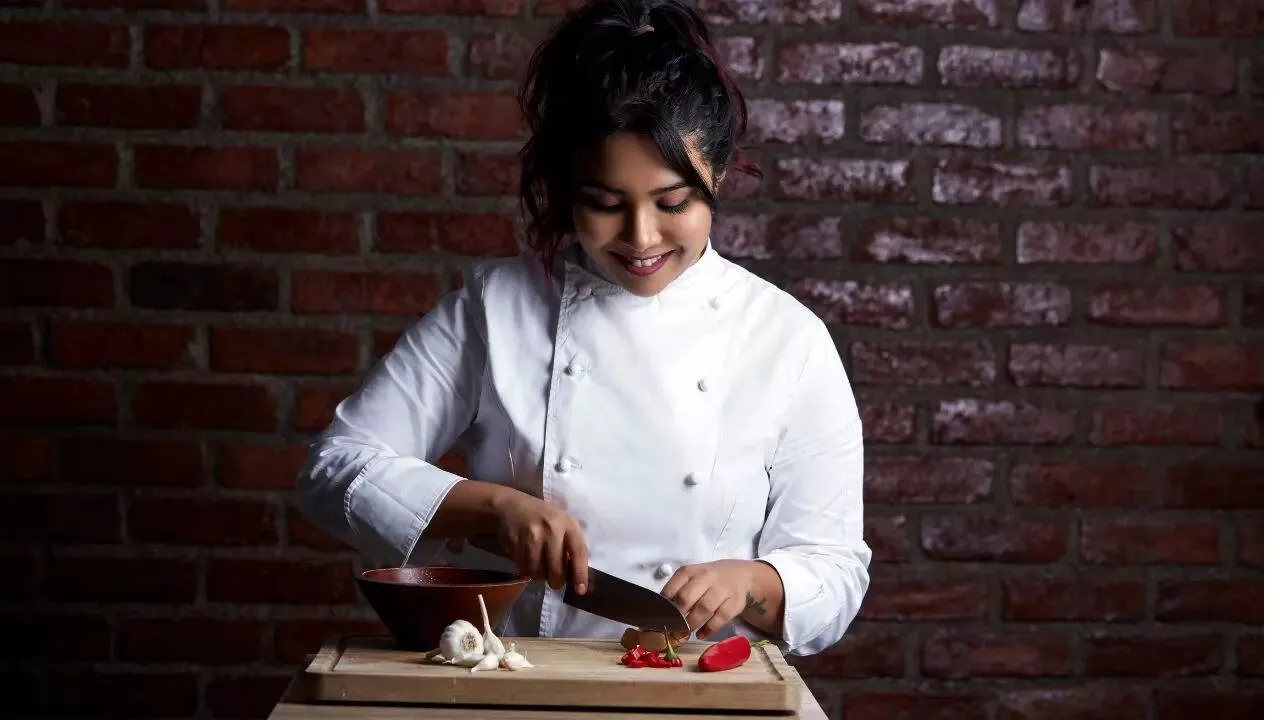
Culinary arts allowed female chefs to convey culture differently. In India, Indian feminine cooks such as Madhur Jaffrey introduced Indian spices and techniques to the world via cookbooks, rendering spices and methods a point of cultural bridge.
Preserving Cultural Cuisine
In African and African American cultures, female soul food cooks such as Sylvia Woods introduced soul food as a metaphor for survival and communal culture. Her restaurant in Harlem featured Black heritage foods such as fried chicken and collard greens, exemplifying women chefs keeping cultures alive. In Pakistan, women cooks reinterpret traditional recipes to gain a sense of power and better health for the family, making home cooking into micro-enterprises. These instances demonstrate how cuisine embodies identity, ranging from humble stews to elaborate risottos inspired by women such as Marie Curie, where saffron provides a “radiant” appearance to commemorate her work, reaffirming the contribution of women to culinary practices.
Iconic Women Chefs Shaping Culinary Heritage
Several iconic women chefs have defined culinary arts as cultural expression, emphasizing the role of women chefs in culinary heritage.
- Julia Child: Julia Child provided French cuisine with ease to American people through her books and television programs, demonstrating that gourmet cuisine is possible and fun.
- Alice Waters: Alice Waters initiated the farm-to-table movement at her restaurant Chez Panisse, utilizing fresh, local produce in order to emphasize American regional culture and sustainability.
- Dominique Crenn: Dominique Crenn, the United States’ first woman with three Michelin stars, transforms food into poetry, combining French heritage with personal history.
- Asma Khan: Asma Khan operates an all-female kitchen in London, cooking Indian foods empowering immigrant women and relaying their heritage, a case of women chefs keeping cultural dishes alive.
- Nadiya Hussain: British-Bangladeshi baker Nadiya Hussain combines her Muslim heritage into baking, inspiring diverse voices within food.
- Ruth Reichl and Barbara Lynch: Other legends are Ruth Reichl, food culture writer, and Barbara Lynch, Boston food empress.
- Miyoko Schinner and Pinky Cole: Miyoko Schinner advocates for plant-based foods, and Pinky Cole brings vegan choice to Black people, associating health and culture.
Challenges Faced by Female Chefs
Also Read: Female Architects Of Cultural Places: Shaping Spaces With Vision And Impact
Though these successes exist, female chefs also experience adversity in the culinary arts world. The career is full of gender imbalance, with limited women at the helm of successful restaurants. Home cooking remains “women’s work,” placing added stress.
Reclaiming the Kitchen for Empowerment
But women chefs are taking back the kitchen for empowerment. They utilize it to create, establish identity, and develop businesses, re-affirming the women in culinary arts cultural meaning. In the words of one expert, “The world wants to limit us. but we find freedom and empowerment to be who we are.” Campaigns such as all-women crews and cultural partnerships allow to re-define roles, validating the role of women in culinary traditions.
The Lasting Impact of Female Chefs on Culinary Heritage
Ultimately, women chefs in culinary arts do not just cook; they thread culture into each meal. From maintaining heritage to creating new ones, their labor bridges past and present, demonstrating the role that women chefs have played in culinary heritage. It helps empower them and makes societies richer. As food constructs identity, women chefs who maintain cultural food ensure different stories remain on the plate. This food expression is a display of power, creativity, and strength through communal eating.


