





Representation Does Matter: Women Of Color In Sport Leadership
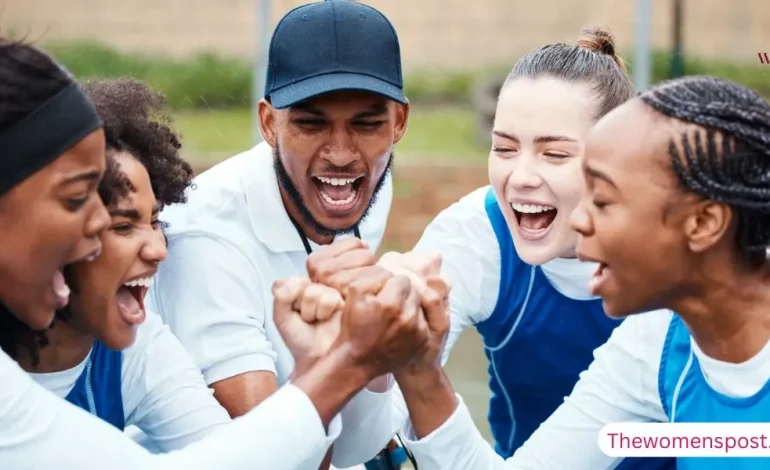

Representation matters in the sport industry. It translates to seeing individuals who look just like you in leadership positions. For women of color, it is even more crucial. They get additional barriers from both race and gender, which makes diversity in sports essential. But when they take charge, they motivate young girls and alter the game for all. Sports such as basketball, football, and soccer demonstrate advancement in sports diversity, but disparities still exist.
This article examines why diversity and inclusion in sport leadership is important, the history, existing facts, major leaders, challenges for women of color serving as sports coaches, the effect of women of color as sports managers, and the presence of women of color in sports athletic administration. Black women in 2025 wield significant power as fans and participants but are scarce in leadership positions, which underscores the sport’s lack of diversity.
A Look Back: Breaking Barriers in Sports Leadership
Women of color have struggled to break into sports leadership. Historically, sports were controlled by white men with minimal diversity in sports leadership. Trailblazers such as Althea Gibson in tennis and Wilma Rudolph in track were talented, but leadership positions remained shut. Title IX during the 1970s opened the doors for women to play more sports, but women of color received fewer benefits. They struggled against racism and sexism and had particular challenges as women of color in the sport of coaching. For instance, Black women college coaches were a rarity.
Advocacy and Progress
Years passed, and organizations such as the Women’s Sports Foundation advocated for diversity in sports. They implemented programs such as Sports 4 Life to equip women of color with skills for leadership. Events honor their history today, such as Black Women in Sports Day, which promotes the visibility of women of color in sports administration.
Legacy of Pioneers
These pioneering leaders broke the ground. They demonstrated that hard work and ability could break open doors for sport diversity. But institutional barriers, such as absence of networks, stifled many. Today, more women of color emerge, but it began with those who broke through initially.
The Current Picture: Stats and Trends in Diversity in Sports

Also Read: The Rise Of Women’s Sports Leagues: Opportunities And Challenges Motivating The Younger Generation
In 2025, women of color participation in athletic administration is gaining ground, but at a slow pace. Black women define sports as consumers and advocates but experience leadership gaps, emphasizing the imperative of diversity and inclusion in leadership in sports. For example, NFL agents are 2.3% Black women. Black student-athletes reach a high of 16% in college sports but leaders trail, reflecting uneven sports diversity.
Challenges in Major Leagues
In the WNBA, where most players are Black, there are now zero Black women head coaches after recent changes, a stark example of challenges for women of color in sports coaching. This raises concerns as the league grows. There are only three Black women athletic directors in Power 5 conferences among 70 schools: Candice Storey Lee at Vanderbilt, Carla Williams at Virginia, and Nina King at Duke, indicating weak representation of women of color in athletic administration.
Efforts to Boost Visibility
Organizations like Women Leaders in Sports organize speeches to increase visibility, including the Women of Color Circle, encouraging diversity in sports. In total, women of color occupy around 10-15% of leadership positions in prominent sports leagues. This is an improvement from the past, but more is necessary. Additional sponsorships and media outreach assist, but real transformation requires inclusive recruitment to drive greater diversity and inclusion in sports leadership.
Key Leaders: Stories of Success in Sports Management
Sandra Douglass Morgan: NFL Trailblazer
Several women of color lead with power, illustrating the influence of women of color in sports management. Sandra Douglass Morgan is the first Black female president of an NFL team, the Las Vegas Raiders. She recommends having confidence in capabilities and networking, which brings diversity to sports. Her position indicates improvement in pro football.
Dawn Staley: Coaching Excellence
Dawn Staley is a women’s basketball coach at South Carolina. She is a champion and trains youth, braving hurdles faced by women of color as coaches in sports. Staley emphasizes representation to motivate girls of color.
Candice Storey Lee: Athletic Administration Leader
Candice Storey Lee is the head of athletics at Vanderbilt. A former athlete, she prioritizes diversity in sports and student achievements, fortifying the representation of women of color in athletic administration.
Nitra Rucker: Championing DEI
Other luminaries are Nitra Rucker, VP of DEI at Team USA, who builds inclusive environments, emphasizing the contribution of women of color in sport management. They demonstrate that leadership equals new ideas and equity.
Challenges They Face in Sports Leadership

Also Read: The Media’s Role In Constructing Women’s Sport Narratives
Women of color leaders face challenging situations. Racism is prevalent; 26% of sport participants experience it, a critical dilemma for women of color to coach in sports. The media underrepresents them, highlighting white leaders. They have to work extra hard for visibility, with hiring biases that restrict diversity in sports.
Balancing Multiple Pressures
In male-dominated fields, sexism adds pressure. Balancing family and career is hard. Lack of mentors limits growth, especially in the representation of women of color in athletic administration. In the WNBA, players note how agendas shadow Black women, making visibility tough. Despite this, they push forward with resilience.
The Positive Impact of Women of Color in Sports
When women of color are in leadership, everyone benefits, demonstrating the power of women of color in sports management. They provide different perspectives, making decision-making more equitable. Girls in their formative years see role models, becoming more confident. Sports are more inclusive, welcoming diverse fans and furthering diversity in sports.
Building Resilience and Opportunities
Sports develop leadership traits such as resilience. Representation bridges gaps for girls of color, who have fewer opportunities. It also battles stereotypes, exhibiting strength by diversity and inclusion in sport leadership.
Community Impact
In society, these leaders develop programs for underrepresented demographics, such as lacrosse academies for students of color. Their achievements raise the entire industry, validating the influence of women of color in sport management.
Looking Ahead: A Brighter Future for Diversity in Sports
The future is bright if the work continues. Additional training, such as webinars on coaching women of color, assists in overcoming issues for women of color in sports coaching. Leagues need to diversely hire to increase the number of women of color in athletic administration.
Accelerating Progress
With increasing focus, such as National Black Women in Sports Day, change accelerates, bringing diversity to sports. Representation is important because it creates equity. Women of color in leadership strengthen sports and make them more just for everyone, promoting diversity and inclusion in the leadership of sports. When they lead, the game changes.