


Period Poverty: Why Millions Of Women And Girls Are Unable To Afford Their Periods
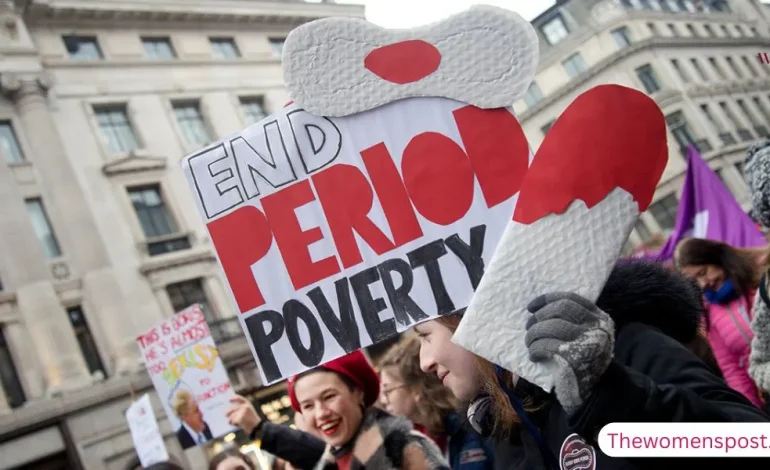
Period poverty is a widespread global problem that is impacting millions of girls, women, and menstruating individuals, including trans and non-binary people, globally. It is a term used to describe the lack of access or ability to pay for menstrual products, safe water, sanitation facilities, and education to maintain menstrual health and hygiene, which is one of the reasons why millions of girls cannot afford menstrual products. The issue affects daily life, making many unable to go to school, work, or enjoy their health and dignity. Although menstruation is a normal and healthy phenomenon for more than two billion individuals every month, period poverty hinders them at a price that is too high in the form of rights, freedoms, and opportunities.
Causes of Period Poverty
The underlying reasons for period poverty are linked to economic barriers, social stigma, and poor infrastructure, all of which further undermine the absence of menstrual hygiene products. Menstrual items such as pads and tampons tend to be costly, and in most locations, they are subject to a “pink tax” or “tampon tax.” For example, in some U.S. states, sanitary goods are taxed as luxury items, but products such as Viagra for erectile dysfunction are exempt from tax as health items. This compels low-income households to put essentials such as food ahead of menstrual products, one of the top reasons that millions of girls are unable to afford menstrual products.
Social Stigma and Cultural Taboos
Stigma and cultural taboo also heavily contribute to period poverty. Menstruation is regarded as dirty or shameful in most communities, deterring open discussion. Perpetuating harmful myths exists, for example, myths which tell us that menstruating people should not touch some foods, go into places of worship, or need to be isolated. This absence of open conversation leaves many ill-prepared—just 32% of girls in Bangladesh and 66% in Egypt are informed about menstruation prior to their first period, resulting in fear and shame.
Lack of Sanitation Infrastructure
Furthermore, more than 1.5 billion people globally have no access to basic sanitation facilities, including private toilets or clean water. More than one in ten girls and women in rural parts of 12 countries have no private space for washing and changing during their period. The lack of facilities aggravates period poverty, especially in rural communities, in war-torn areas, or in the aftermath of disasters, rendering it almost impossible to control menstruation safely and with respect, further highlighting the unavailability of menstrual hygiene products.
Scale of the Problem
Also Read: The Role Of Diet And Exercise In Menstrual Health
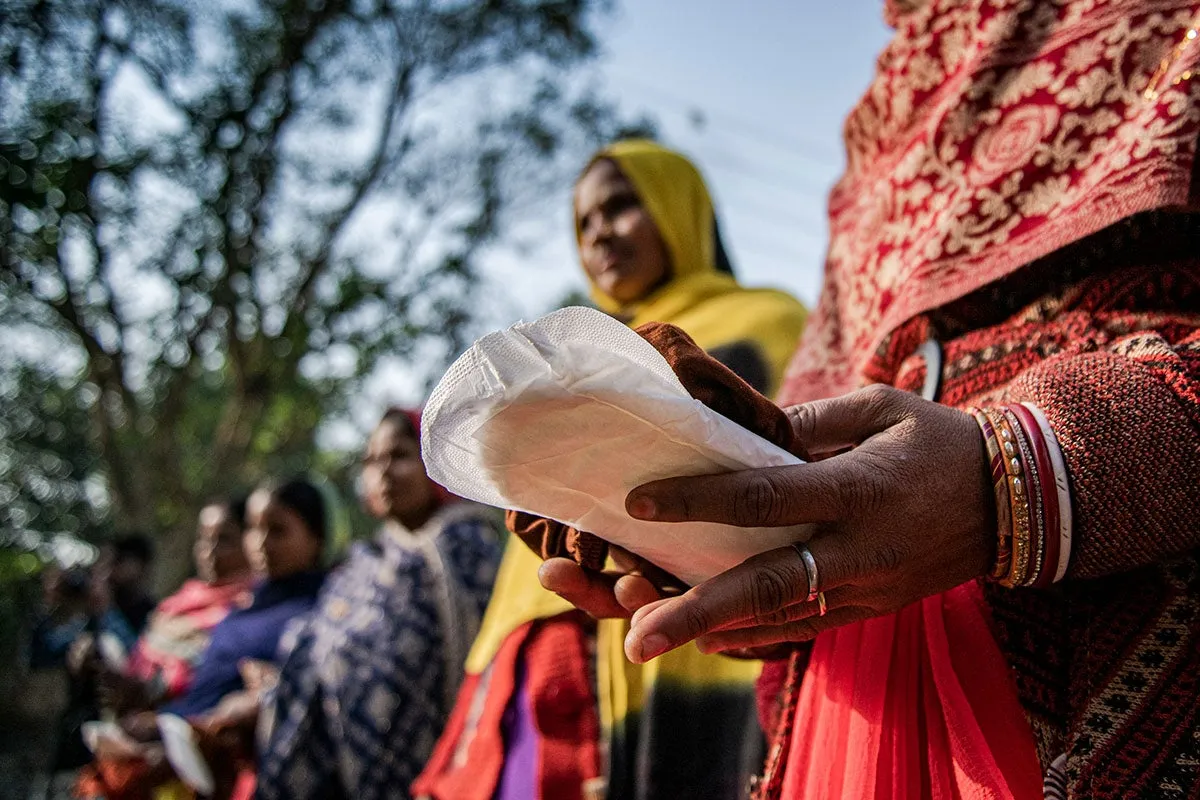
Period poverty impacts around 500 million women and girls worldwide who are unable to manage their periods effectively because they lack the products or safe spaces. In the United States alone, one in every four teens and one in every three adults are unable to afford menstrual products, with colored teens and those from poor families experiencing the most difficulties, which is the reason why millions of girls are unable to afford menstrual products.
In the UK, a 2020 survey by Plan International found that three in ten girls couldn’t afford or access products, with over half resorting to toilet paper. Globally, rural areas are hit hardest—one in five girls in rural Ethiopia uses no menstrual materials, compared to one in twenty in urban areas. During the COVID-19 pandemic, 30% of women in the U.S. faced difficulties accessing products. In war-torn areas such as Gaza, more than 540,000 girls and women in their reproductive years lack the access to menstrual products, leading them to use sponges or cloths.
Effects of Period Poverty
The effects of period poverty on women and girls extend far beyond, touching health, education, employment, and mental health. With inadequate products, several opt for unsafe options such as rags, newspapers, or coconut husks, leading to infections like urinary tract problems or bacterial vaginosis. Inadequate use of tampons raises the risk of toxic shock syndrome, and bad menstrual hygiene harms reproductive health, with risks of infertility or pregnancy complications. Emotionally, the shame and stress lead to anxiety, depression, and even suicidal thoughts, with almost half of women experiencing period poverty in France reporting these.
Educational and Economic Challenges
Education is also affected—one in ten girls in some areas misses school during her period because of a lack of products or facilities to use, resulting in falling behind or dropping out altogether. In the workplace, women lose days, wages, and opportunities for promotion, exacerbating gender inequality and poverty. Marginalized populations like homeless people, prisoners, and trans individuals are further excluded with little support or evidence on their needs. An estimated 740,000 women prisoners worldwide have difficulty obtaining adequate menstrual products, a stark reminder of how period poverty affects women and girls.
Global Reach of Period Poverty
Also Read: Global Warming And Risk of Women’s Cancer
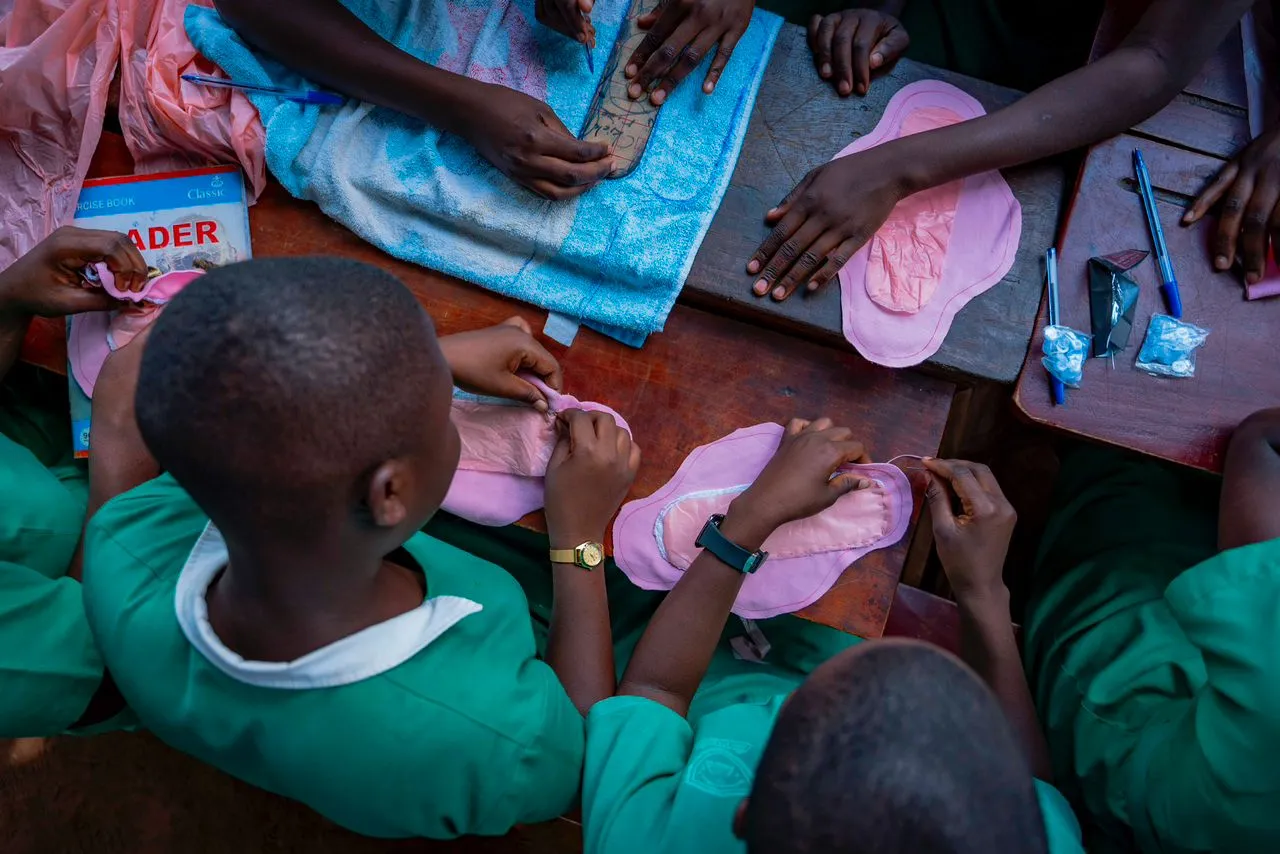
Period poverty is a global issue, affecting both high-income and low-income countries. In rural areas of countries like India, Bangladesh, Egypt, Madagascar, and Zimbabwe, women and girls often use cloth instead of sanitary pads, unlike their urban counterparts. In Lebanon, due to the economic crisis, the price of menstrual products increased by 98–234% and 66% of the girls couldn’t afford them in 2020, further demonstrating insufficient access to menstrual hygiene products.
In the UK and US, access is still inadequate in schools and prisons. Crisis magnifies the issue—614 million women and girls reside in conflict zones, and 51% of refugees are women and girls, yet menstrual health tends to be low on crisis responders’ lists. In Myanmar, women who have been displaced have been trained by aid programs to use disposable pads, but many continue to lack privacy with which to manage menstruation.
Solutions and Progress
Solutions to period poverty and women’s health are increasing. Governments such as Scotland have made menstrual products available for all, and nations such as Kenya, Canada, and India have removed taxes on tampons and pads. In 2023, 26 U.S. states enacted legislation to make products available free in schools and prisons.
Education and Awareness
Education drives like social media movements such as #tweetyourperiod and documentaries are also used to break taboos and make talking normal. NGOs are leaving free products in public areas, but additional research and action are required to address period poverty completely and put in place permanent measures for period poverty and women’s health.
Conclusion
Period poverty is more than the availability of menstrual products—it’s health, it’s dignity, and it’s about gender equality. It reaches millions worldwide, from villages to cities, and the effects of period poverty on women and girls are felt throughout education, employment, and health. Governments, organizations, and communities can break this crisis by offering free products, eliminating taxes, enhancing sanitation, and encouraging frank discussions. Small changes are enough to regain dignity and opportunity for millions of girls, women, and menstruating people around the globe, providing efficient solutions for period poverty and women’s health.