





Women As Creators, Patrons, And Collectors In History

History has shown that women have always been powerful players in the world of art and culture. Women were not just the subjects that men painted. Women were the creators who made the art, the patrons who paid for it, and the collectors who preserved it for the future. Women were the powerful players in a world that was controlled by men. Women were the patrons who paid for the art. Women were the collectors who preserved it. Women were the creators who made the art. This is the story of the women patrons in art from antiquity to the modern era. This is the story of how women were the creators, patrons and collectors in a patriarchal society.
Women as Creators
Throughout history, women have been creators of art. Women have been the artists who create the art. Women have been the ones who create the paintings. Women have been the ones who create the sculptures. Women have been the ones who create the inspiration.
One of the first known artists is Artemisia Gentileschi from Italy in the 1600s. She trained under her father and became the first woman to join an important art academy in Florence. Her paintings showed strong women taking action, like Judith cutting off the head of an enemy in a dramatic scene. Life was hard for her after a public trial, but she kept working and gained respect across Europe.
In the 1700s, Angelica Kauffman from Switzerland painted portraits and big history scenes. She moved to England, helped start the Royal Academy of Arts, and received orders from kings and nobles. Around the same time, Élisabeth Vigée Le Brun taught herself to paint because women could not join art schools. She became the favorite painter of Queen Marie Antoinette in France and made over thirty warm, lifelike portraits of her.
Also Read: Masculinity And Femininity In Traditional Cultural Performances
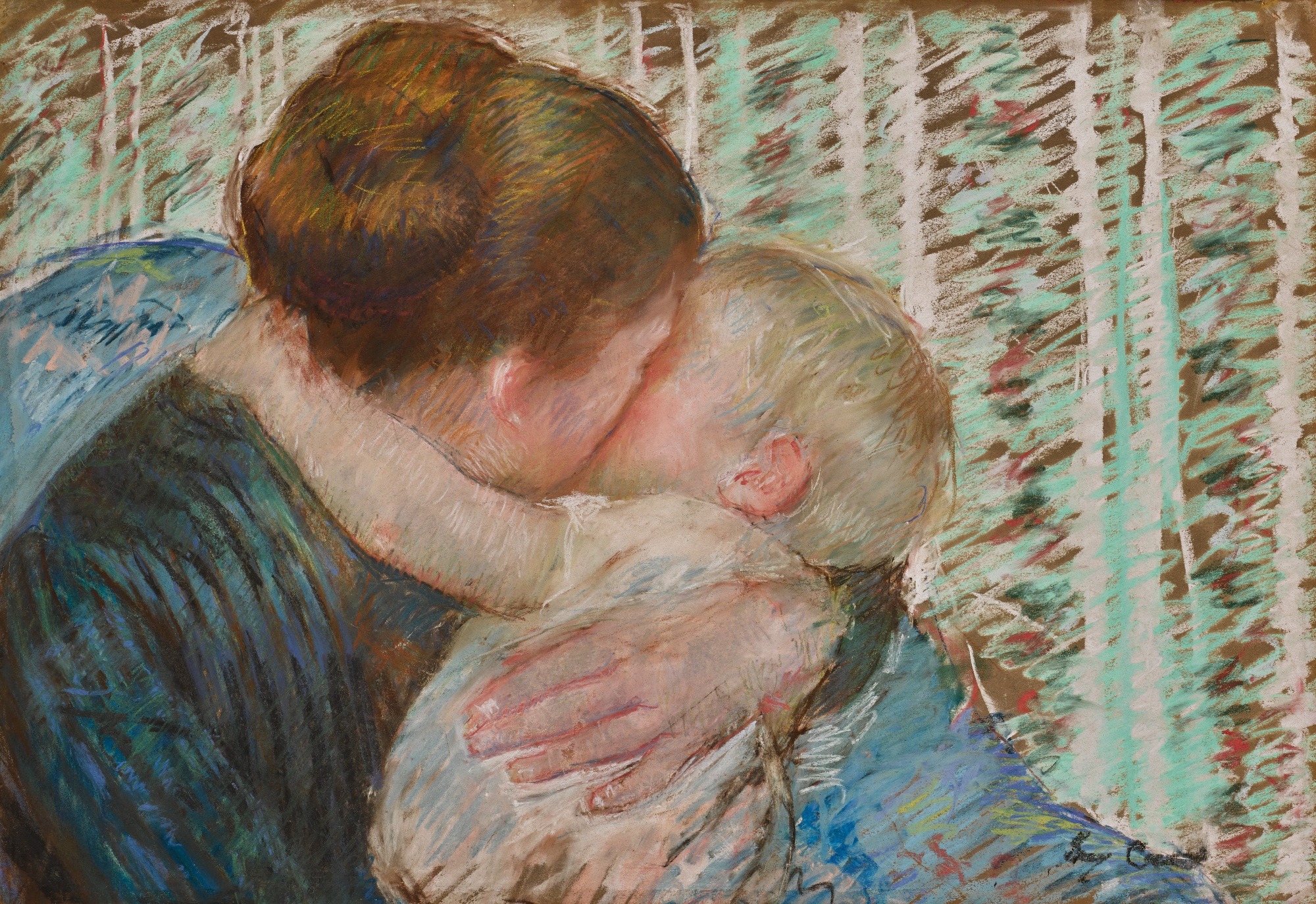
Later, in the late 1800s, American artist Mary Cassatt joined the Impressionists in Paris. She painted everyday moments of mothers and children in soft colors, showing real life instead of fancy poses. Frida Kahlo from Mexico in the 1900s used her own face and body in self-portraits to tell stories of pain, love, and strength after accidents and illness. Georgia O’Keeffe painted huge flowers, desert bones, and city buildings in bold, simple ways that made people see America differently. These women faced doubts about their skills or subjects, yet their work opened doors for others and changed how art looked and felt.
Women as Patrons
Art patronage of women has been a key force in history. Patrons are the people who pay artists to create new works. This gave women a smart way to gain influence when they could not rule openly or own much property.
Queen Hatshepsut and Early Art Patronage
In ancient Egypt around 1500 B.C.E., Queen Hatshepsut acted as pharaoh and ordered huge building projects, including a beautiful temple cut into cliffs. She sent explorers to bring back goods and ideas that inspired new art styles. Art patronage women like her showed real power early on.

Isabella d’Este in the Renaissance
During the Renaissance in Italy, Isabella d’Este stood out as one of the greatest supporters of art. As a noblewoman in Mantua, she hired Leonardo da Vinci for sketches and bought pieces from Titian and Raphael. She designed special rooms in her palace to show off her statues, pottery, and paintings so visitors could enjoy them like a private museum. Art patronage women reached new levels with her vision.
Madame de Pompadour and Rococo Style
In France during the 1700s, Madame de Pompadour, the king’s close advisor, paid for fine porcelain factories, tapestries, and portraits by François Boucher. She helped spread a light, elegant style called Rococo. Art patronage women continued to shape taste and culture.
Empress Catherine the Great and the Hermitage
Also Read: How To Build Your Own Mini Home Art Gallery Or Cultural Corner
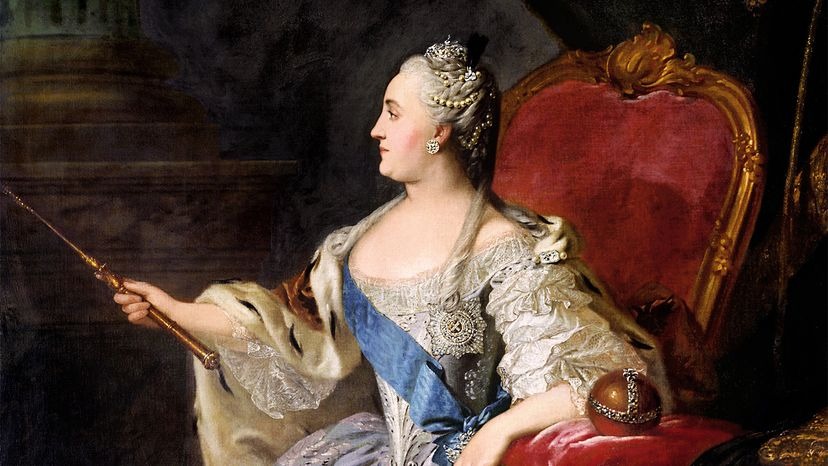
In Russia, Empress Catherine the Great called herself a “glutton for art.” In the late 1700s, she bought thousands of paintings, including works by Rembrandt, and turned part of her palace into what became the famous Hermitage Museum. Art patronage women like Catherine used their position to support artists, spread new ideas, and show their own power through beauty.
Women as Collectors
Collectors gather art and objects, often turning their homes into places the public can later enjoy.
Isabella Stewart Gardner and Her Venetian Palace Museum
Isabella Stewart Gardner from America in the late 1800s traveled the world and bought master paintings, such as a rare Vermeer. She built a special house in Boston modeled after a Venetian palace and filled every room with her treasures exactly as she wanted. Today, the Isabella Stewart Gardner Museum still looks the way she left it.
Peggy Guggenheim and Modern Art Support
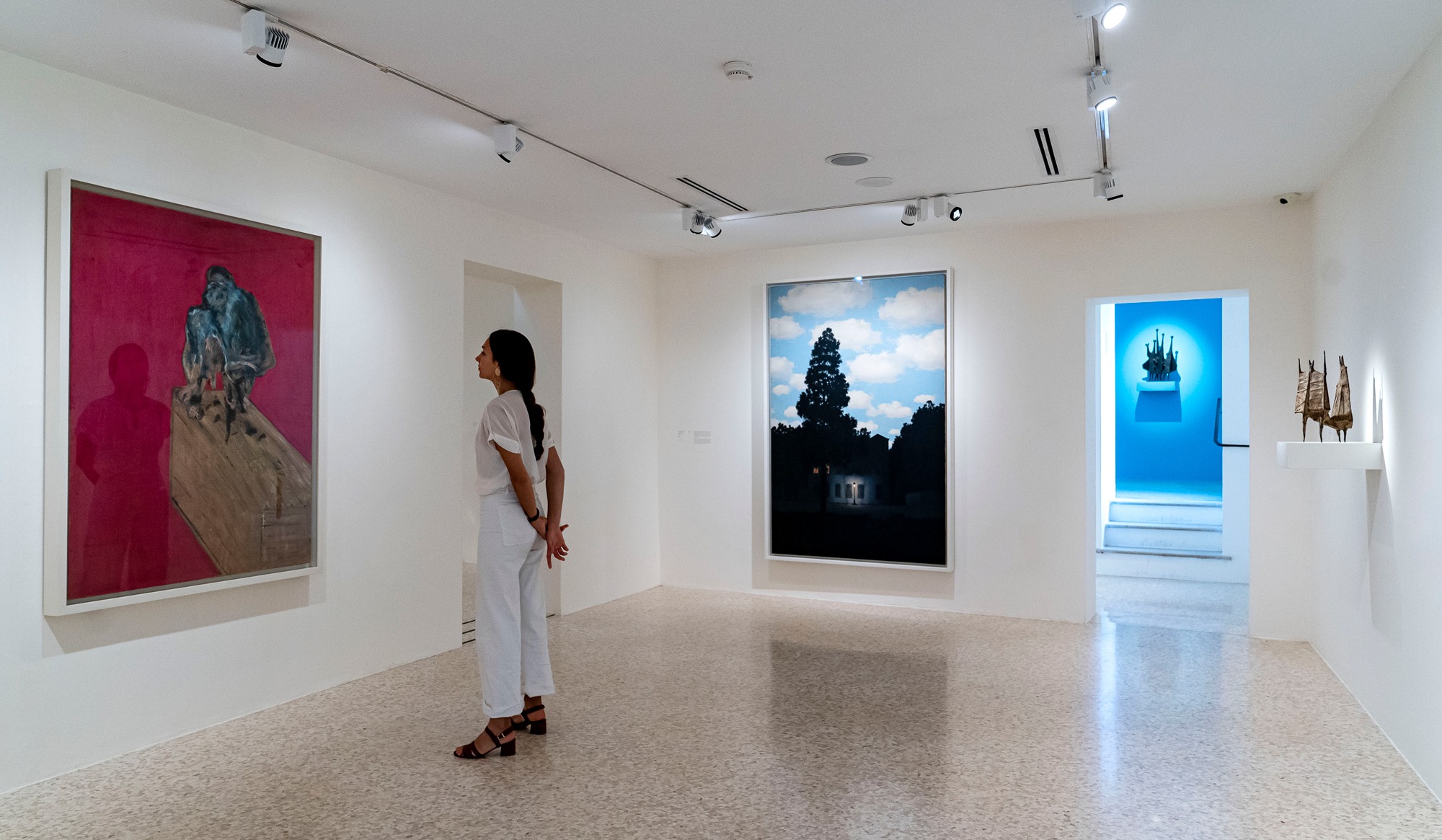
In the early 1900s, Peggy Guggenheim collected modern and surprising pieces by artists like Jackson Pollock. She opened galleries in London and New York that gave young creators a chance to show their work. Her collection now fills a beautiful museum on a canal in Venice.
Gertrude Vanderbilt Whitney and American Art
Gertrude Vanderbilt Whitney used her family fortune to support living American artists. She started a club for them to meet and exhibit, and in 1930 she opened the Whitney Museum of American Art, which still focuses on new voices.
Helene Kröller-Müller and Public Collections
Also Read: Global Market Growth And Recognition Of Women Artists
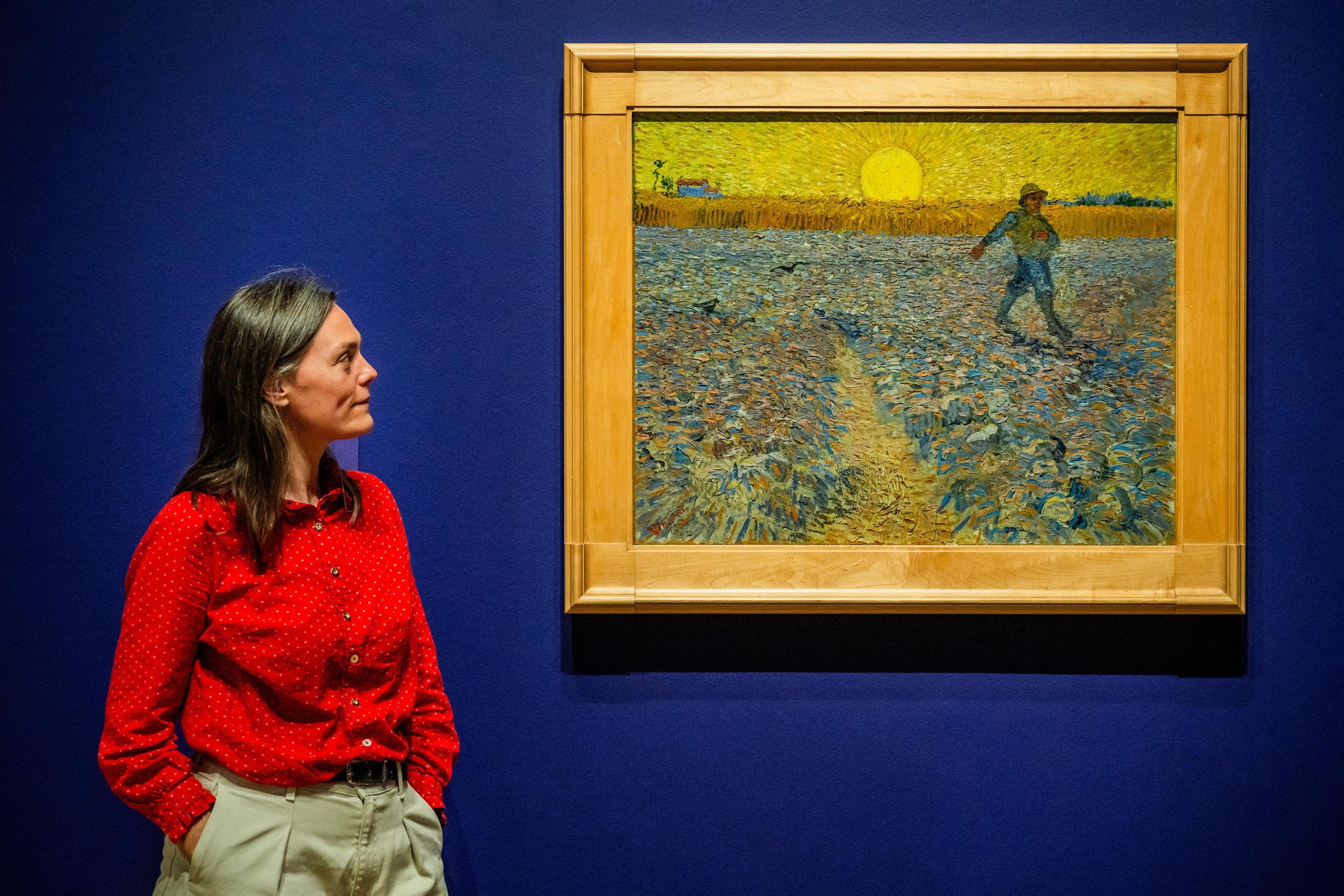
Other women, like Helene Kröller-Müller in the Netherlands, built huge collections of modern paintings and sculptures that became public museums. These collectors did more than buy pretty things. They saved art that might have been lost and decided what future generations would see as important.
The Overlap and Lasting Impact
Many women combined these roles. Isabella d’Este both collected old statues and paid for new paintings. Gertrude Stein in Paris supported Picasso while writing her own books. In a world ruled mostly by men, art gave women a voice. They faced limits on education, travel, and money, yet they built networks, opened museums, and pushed styles forward. Their work helped move art from private rooms to public spaces we all can visit.
Today, the museums and paintings shaped by these women remind us of their quiet strength. From ancient temples to modern galleries, their choices still guide what we call great art. They prove that creativity, support, and care for beauty can change history in powerful ways. Their stories encourage everyone to look closer at the names behind the masterpieces and remember the hands—often women’s—that made them possible.


