



Transgender Athletes And Fairness Debates In Women’s Sports
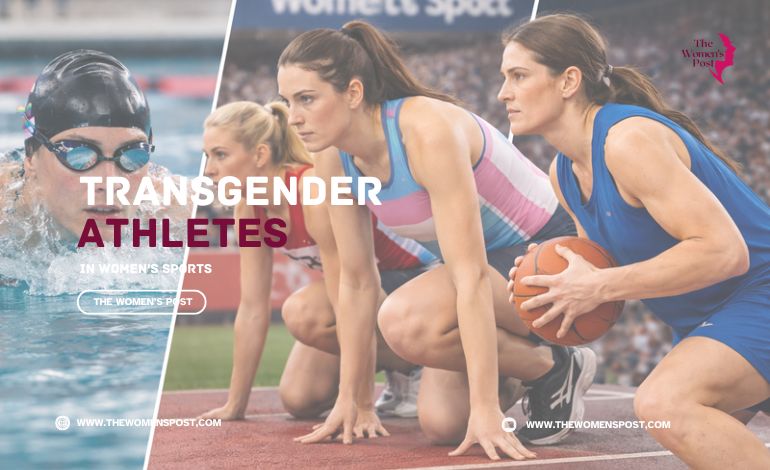

The transgender athlete fairness debate within women’s sports seems to be based on one fundamental issue: how to balance fairness for all with the human right to participate. This issue has become increasingly contentious over the past few years. This issue seems to be touching on various aspects of human life, such as biology, identity, rules, and fairness. This issue affects various people, both transgender athletes and women athletes. At the center of this issue are transgender athletes.
Why Sports Separate Categories by Sex
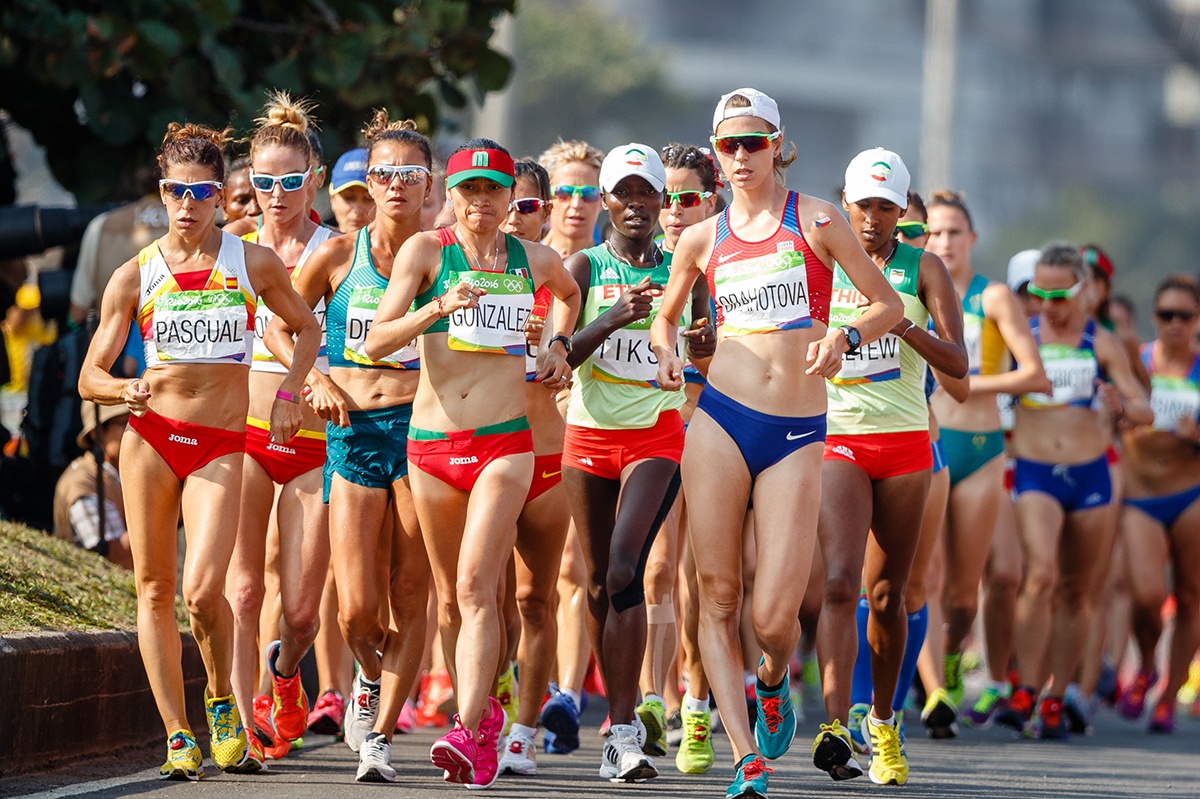
In sports, there have been sex-based categorizations of various sports to address the physiological differences that occur during puberty. On average, males have more muscle mass, bone density, strength, and lung capacity due to higher levels of testosterone. Women’s sports are designed to give women athletes an equal chance of winning. When transgender women—individuals assigned male at birth who identify as female—seek to compete in these categories, questions arise about whether prior male puberty creates lasting edges. This includes concerns around puberty testosterone exposure trans women sports.
Arguments in Favor of Inclusion for Transgender Athletes
Also Read: The Explosive Growth Of Women’s Sports Vs. Steady Men’s Sports Revenue
Supporters of inclusion argue that gender identity matters more than birth sex. They say everyone deserves the mental and physical benefits of sports, regardless of how they were born. Transgender athletes often face higher rates of depression and isolation, and sports can provide community and confidence. Advocates point out that the number of transgender athletes is very small—far fewer than the laws and headlines suggest. They believe hormone therapy reduces any differences and that blanket bans amount to discrimination. Recent studies found that after one or more years of hormone treatment, transgender women show similar strength, speed, and oxygen use as cisgender women (those assigned female at birth). In their view, fear of “domination” stems from misinformation rather than evidence. Trans athletes deserve the same opportunities as others.
Concerns About Fairness and Biological Advantages
On the other side, many athletes, coaches, and parents emphasize fairness rooted in biology. They argue that puberty-driven changes—like taller frames, larger hands, or stronger bones—do not fully reverse with hormones. Even after testosterone suppression, some studies show retained advantages in grip strength or certain running times for up to two or four years. High-profile cases fuel this concern. In 2022, swimmer Lia Thomas, who competed on a men’s team before transitioning, won an NCAA Division I title in women’s swimming. Some female swimmers felt they lost medals, podium spots, and records. Similar stories have appeared in cycling, weightlifting, and track. Critics say this creates an unfair advantage transgender women sports and discourages girls from pursuing sports. They note that 27 U.S. states and several international bodies have passed rules limiting participation to protect the women’s category. Many describe these efforts as protecting women’s sports from transgender athletes.
High-Profile Cases Driving the Debate
The case of Lia Thomas in 2022 remains one of the most discussed examples. Her transition and subsequent success in women’s swimming sparked widespread discussion about competitive equity.
The Current State of Scientific Research
Science on the topic remains limited and mixed. No large, long-term studies cover every sport or every athlete. Some research shows performance gaps close after two years of hormone therapy. Other data highlights that muscle loss happens slowly and that traits like height or skeletal structure stay permanent. Governing bodies struggle with this uncertainty.

Also Read: Inspiring Success Stories From The Olympics And International Competitions
Guidelines from International Governing Bodies
The International Olympic Committee released a 2021 framework urging inclusion without unfair advantage, but by early 2026 it aimed to roll out stricter guidelines. Many federations in swimming, athletics, and skiing already bar transgender women who experienced male puberty from women’s elite events. Trans athletes face these restrictions in many competitions.
Policy Changes in College and School Sports
College and school rules have shifted quickly. In February 2025, the NCAA updated its policy so that only athletes assigned female at birth may compete in women’s events, though transgender athletes may still practice and train with teams. This followed a federal executive order and aligned with actions at many universities. The U.S. Supreme Court heard arguments in January 2026 on state bans in Idaho and West Virginia, weighing claims of equal protection against the need for fair competition. Records set by some transgender athletes, including Thomas’s, have been adjusted or removed at certain schools to restore credit to female competitors.
Finding Common Ground and Possible Solutions
Both sides agree that transgender people deserve dignity and safety. The disagreement lies in how to define fairness when biology and identity do not always line up neatly. Transgender athletes worry that exclusion sends a message they do not belong. Female athletes worry that inclusion erodes the level playing field they fought to create. Many experts say solutions could include open categories for all genders, sport-by-sport rules based on proven data, or better support for transgender youth in non-competitive settings. The debate over transgender athletes in women’s sports fairness continues to shape these discussions.
The Ongoing Evolution of the Conversation
The conversation continues to evolve as new studies emerge and courts decide cases. Most observers hope for policies grounded in evidence rather than politics. In the end, sports should celebrate effort, skill, and inclusion—but they must also remain fair so that every athlete has a genuine shot at success. Finding that balance will take careful listening from all sides. Trans athletes remain part of this ongoing conversation.