





Thyroid Nodules: When A Lump On Your Neck Could Be A Sign Of Cancer Threat—And When It’s Not
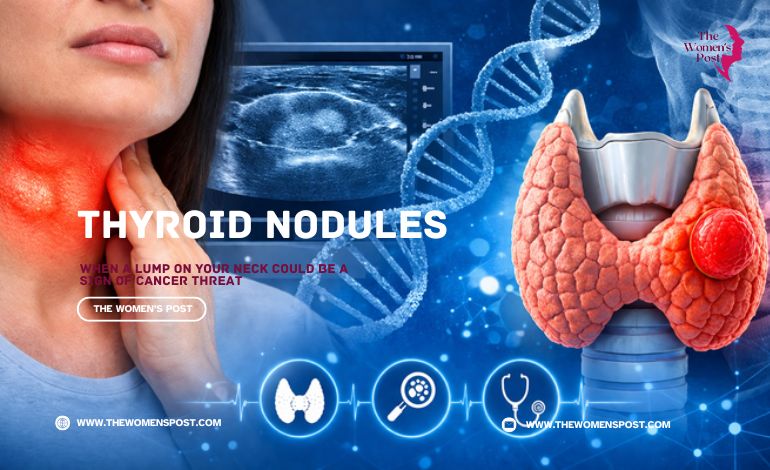

A thyroid nodule is any type of lump that appears within a thyroid gland, which is an important body organ that controls metabolism and hormone production and looks like a butterfly located under the neck skin. These nodules can be detected either because of feeling a lump or through a physician’s exam. As for the question posed above, its answer might be rather comforting as over 95 percent of thyroid nodules are benign, i.e., non-cancerous. However, there are exceptions; therefore, specific measures are applied in order to find out whether this risk is real or not.
How Common Are Thyroid Nodules?
The frequency of appearance of these nodules is unexpectedly high. Statistics reveal that up to 50 percent of people have at least one by their middle age, although these nodules are usually symptomless and discovered only through medical examinations or imaging techniques. Moreover, female patients suffer from them about three to four times more often than male ones. Doctors see this pattern in diagnoses, especially for less aggressive types like papillary thyroid cancer.
Yet recent research from large reviews and autopsy studies reveals an interesting twist: the actual rate of tiny, hidden thyroid cancers is nearly the same in both sexes. The higher diagnosis numbers in women often come from more frequent medical imaging that catches harmless growths early. In men, nodules appear less often, but when they do, doctors sometimes note a slightly higher chance that one could be cancerous. Overall cancer death rates from thyroid issues stay almost equal between genders.
Symptoms of Thyroid Nodules
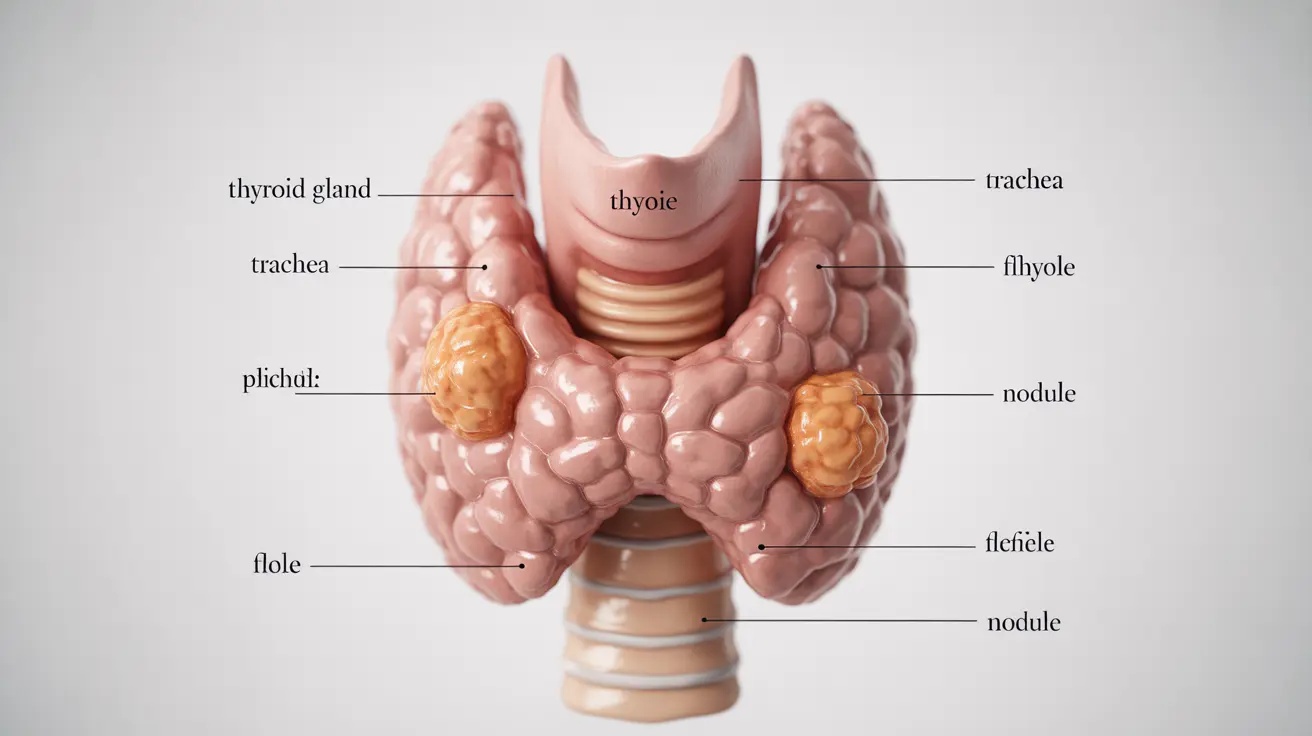
Most thyroid nodules cause no trouble at all. A person might never know one exists unless it grows large enough to press on the throat. Common signs include a visible swelling in the neck, trouble swallowing, hoarseness, or a feeling of tightness. Rarely, the nodule makes the thyroid produce too much or too little hormone, leading to fatigue, weight changes, or a racing heart. These symptoms alone do not prove cancer. Many benign nodules cause them simply by their size.
Also Read: Chronic Diseases Which Impact Women More Or Differently Than Men
Diagnosis: From Physical Exam to Ultrasound
When a lump appears, doctors start with a physical exam and blood tests to check thyroid hormone levels. The key next step is usually an ultrasound scan. This painless test uses sound waves to create clear pictures of the nodule’s size, shape, and inner features. It helps separate low-risk lumps from those that need closer attention. Doctors use systems like TI-RADS to score the risk based on what they see.
Ultrasound Red Flags That Raise Cancer Concern
Here are the main ultrasound red flags that raise concern for possible cancer.
- First, a solid nodule—one filled with tissue rather than fluid—looks more suspicious than a spongy or cyst-filled one.
- Second, if the nodule appears darker on the scan (called hypoechoic), it can signal higher risk than brighter or mixed ones.
- Third, irregular or jagged edges, rather than smooth round borders, stand out as worrisome.
- Fourth, tiny bright specks inside, known as microcalcifications, often point to cancer because they form from calcium deposits in abnormal cells.
- Fifth, a nodule that is taller than it is wide (instead of wider side to side) breaks normal growth patterns.
- Sixth, extra blood flow inside the nodule or nearby swollen lymph nodes with odd features can add to the worry.
A high score on these traits might lead to a biopsy. On the other hand, purely cystic, smooth, and evenly colored nodules almost always prove harmless and need only watching.
Thyroid Nodule Biopsy: The Fine-Needle Aspiration (FNA) Procedure
If the ultrasound raises flags—especially for nodules larger than one centimeter—doctors often recommend a fine-needle aspiration biopsy, or FNA. This quick office procedure uses a thin needle to draw out a few cells from the nodule, guided by ultrasound for accuracy. It feels like a quick pinch and takes just minutes. The sample goes to a lab where a pathologist studies the cells under a microscope. Many people ask: Do all thyroid nodules need biopsy? The answer is no. Only those with suspicious features on ultrasound usually require it.
Understanding Thyroid Nodule Biopsy Results Explained – The Bethesda System
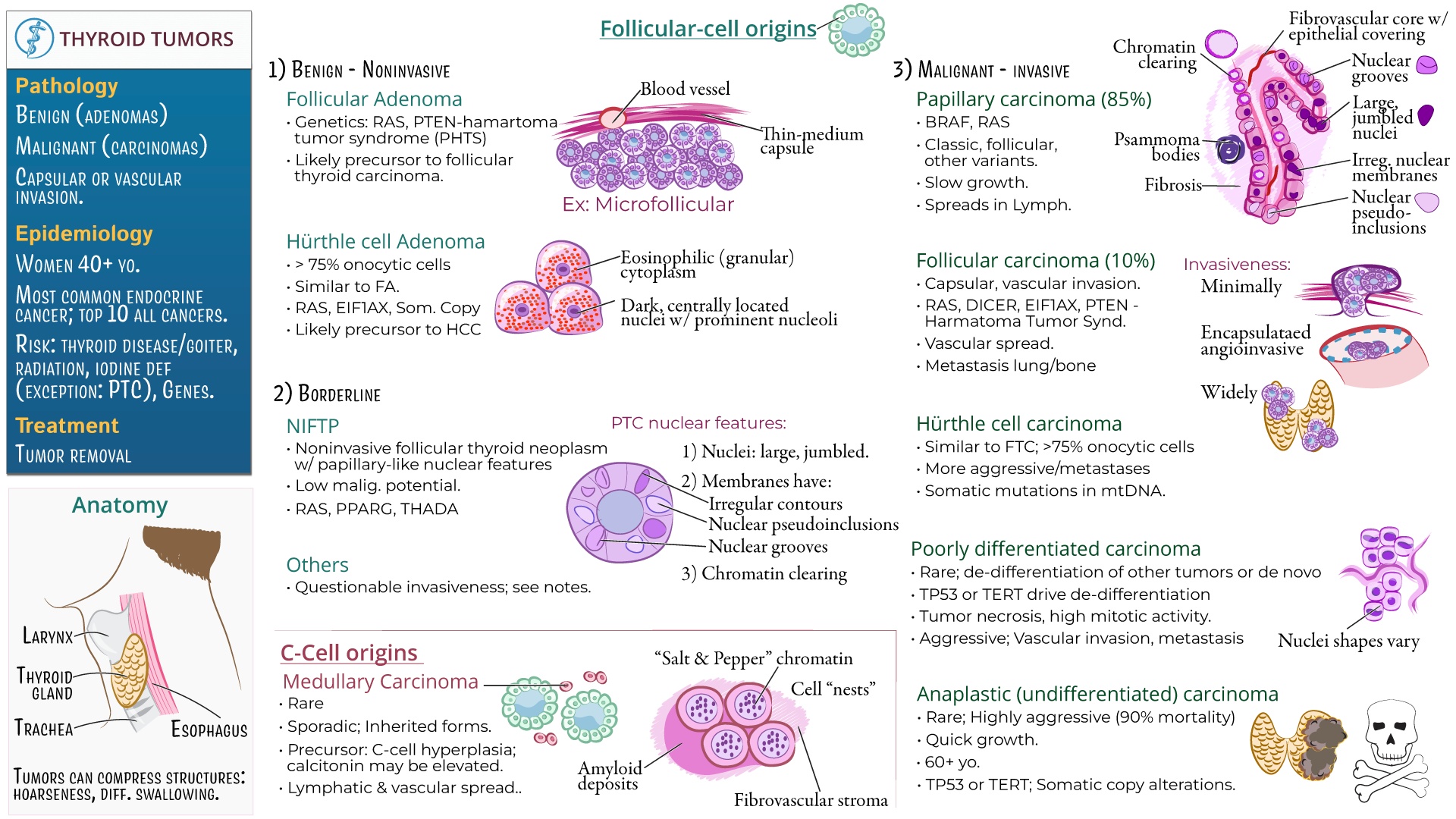
Biopsy results follow a standard system called Bethesda, which sorts them into six clear groups. Most reports—about 60 to 70 percent—come back as “benign.” This means the cells look normal, and the chance of missing cancer stays very low, usually under 3 percent. Patients with this result often need only regular ultrasound checks every year or so. A small number of samples turn out “malignant,” or clearly cancerous, with over 97 percent accuracy. In those cases, surgery usually follows. This is where thyroid nodule biopsy results explained becomes very helpful for patients to understand their specific category and next steps.
Also Read: Plantar Fasciitis: Causes, Prevention, And Home Treatment
Indeterminate or Suspicious Biopsy Results
Some results fall in between. “Nondiagnostic” means too few cells were collected, so doctors simply repeat the test. “Atypia of undetermined significance” or “follicular neoplasm” categories carry a 10 to 50 percent cancer risk and may need a second biopsy, extra lab tests on the cells, or surgery to decide. “Suspicious for malignancy” points to a 60 to 75 percent chance of cancer. Many wonder about the chances of thyroid nodule being cancer. In general, the risk remains low—most turn out benign—but certain ultrasound features and patient factors can raise it slightly. The truths about biopsy are straightforward: it is safe, highly reliable for ruling out cancer when negative, and avoids unnecessary operations for the vast majority. It is not perfect—false negatives or unclear samples happen—but it has improved care dramatically by preventing surgery on harmless lumps.
When a Thyroid Nodule Is Cancerous
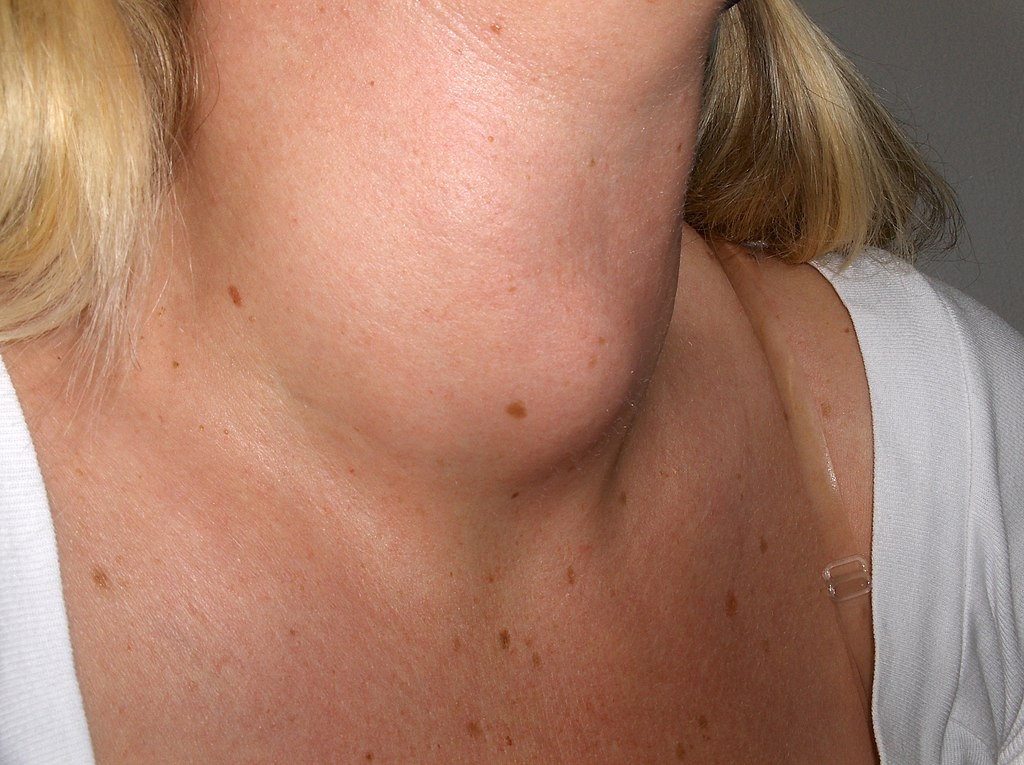
When cancer is confirmed, the most common type linked to nodules is papillary thyroid cancer. It grows slowly and responds well to treatment. Other rarer forms, such as follicular or medullary, need different approaches. Factors that raise cancer odds include past radiation exposure to the neck, family history of thyroid cancer, age over 60, or rapid growth of the nodule. Size alone does not decide everything; even small nodules can be watched if they look low-risk.
Also Read: Emerging Trends: Tech And Innovation In Women’s Health
Treatment Options for Thyroid Nodules
Treatment depends on the findings. Benign nodules that stay small and quiet often need no action beyond monitoring. Larger ones causing symptoms might be removed surgically or treated with other methods. For cancerous cases, surgery to take out part or all of the thyroid is standard, sometimes followed by radioactive iodine or hormone therapy. Most people recover fully and live normal lives afterward.
Final Thoughts: When to See a Doctor
In the end, a lump in neck thyroid cancer rarely means immediate danger. The vast majority turn out harmless, especially when caught early through simple checks. Women face these nodules more often due to hormonal and screening differences, but men should stay alert too. Anyone who notices swelling, voice changes, or swallowing trouble should see a doctor. With ultrasound, biopsy, and careful follow-up, medical teams sort the risky cases from the rest quickly and calmly. Early attention brings peace of mind and the best outcomes.