




Tackling Sexism, Misogyny, And Underrepresentation In Sports Media And Leadership
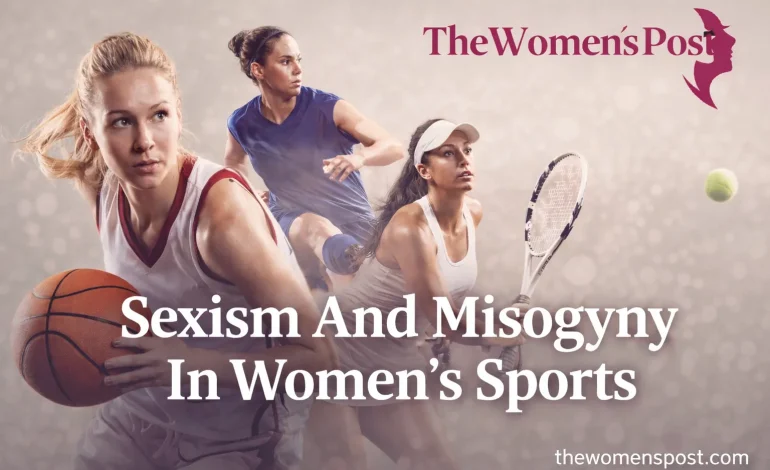

Sports have been bringing people globally closer, fostering teamwork, healthy lifestyles, and thrills too! However, there are major challenges facing female athletes in sports media areas, inhibiting their progress, most of them stemming from discrimination on grounds of sexism or misogyny. These challenges have, in one way or another, negatively affected not just females but also the sports world. There are several entities working hard to address these challenges, fighting for fair treatment as well as more opportunities for females in sports. This article focuses on these challenges, including how they can be resolved, including challenges such as tackling sexism and misogyny in sports media, tackling underrepresentation of females in sports leadership, tackling misogyny in female professional sports, and underrepresentation of females in sports management and coaching.
The Problems in Sports Media
Sports media defines how people look at sports and athletes. It encompasses TV media, newspapers, social media, and internet sites. Unfortunately, female sport takes a back seat to that of men.
Low Coverage for Women’s Sports
Nowadays, media attention to female sport generally averages at 15 percent over the past few years. This means that coverage remains dominated by men. On key TV channels, women’s sports make up a smaller share of coverage. Social media talks about women’s sports have grown, but progress is slow. Objectification of female athletes remains common in many of these platforms.
Underrepresentation of Women in Sports Journalism
Women in sports journalism face underrepresentation too. A small percentage of sports journalists are women. This lack of voices means stories often ignore women’s views.
The Harm of Objectification
When women do appear, the media sometimes focuses on looks instead of skills. This objectifies them and downplays their achievements. Objectification of female athletes happens again and again in headlines, photos, and commentary. For example, female athletes get called out for outfits or bodies, while men get praise for performance. Objectifying female athletes in these ways reinforces old ideas that women are less serious in sports. Objectification of female athletes continues to harm how society views women’s contributions to sport.
Underrepresentation in Leadership
Also Read: The Fight For Leadership Positions And Women Representation In Sports
Lack of Female Input in Decision-Making
In many sports groups, boards lack strong female input, leading to poor support for women’s programs. This shows underrepresentation of women in sports management and coaching at every level. For instance, in the NFL, the number of women in coaching or operations has grown significantly since 2020, reaching hundreds of roles. But they remain a small group overall. Addressing underrepresentation of women in sports leadership is still needed across most organizations.
Unequal Sponsorship and Funding
Sponsorship and funding show the gap too. A tiny fraction of sports sponsorship money goes to women, even though they make up a large share of athletes. Without women in leadership, decisions favor men’s sports. This cycle keeps resources unequal.
Barriers for Female Coaches
In coaching, women drop out due to barriers like abuse and lack of support. Reports highlight how female coaches face harassment, making it hard to stay. Underrepresentation of women in sports management and coaching makes these problems worse.
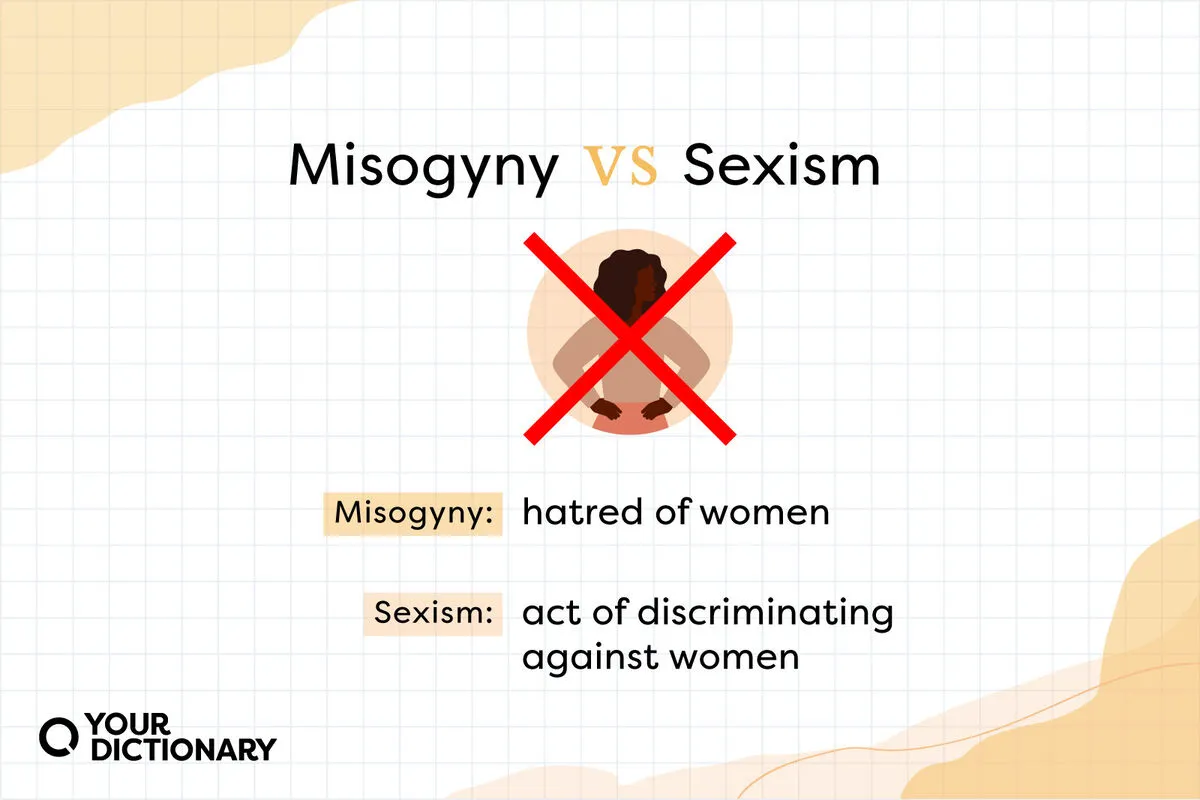
Examples of Sexism and Misogyny
Also Read: The Evolution Of Women In Sports And The Way Ahead
Sexualization and Objectification in Media
In sports media, women athletes often face sexualization. For instance, commentators focus on appearance rather than talent. Objectification of female athletes is a clear part of this pattern. Black women athletes deal with both racism and sexism, like rude remarks from white-dominated fields. Combating misogyny in women’s professional sports must include stopping this objectification of female athletes.
Sexism on Social Media and in Journalism
Social media amplifies this. A high percentage of women at matches have seen or faced sexist behavior. Many never report it. In journalism, old-school male reporters sometimes downplay women’s sports or make sexist jokes. One example: incidents where sexism in coverage gets denied, but athletes call it out. These acts create a toxic space, pushing women away. Objectification of female athletes on social media adds to the harm.
Misogyny in Leadership and Hiring
In leadership, misogyny appears in hiring. Women get overlooked for top jobs because of stereotypes that men are better leaders. Female coaches report harmful behaviors, like exclusion or belittling. This not only hurts individuals but stops progress for all. Addressing underrepresentation of women in sports leadership and underrepresentation of women in sports management and coaching would help reduce these issues.
Ways to Tackle These Issues

Also Read: Current Campaigns And Policies To Enhance The Position And Safety Of Women Within Sports Settings
Building Awareness and Diversity
Groups like Women in Sport push for more women in leadership. They want equal spots on boards and in coaching. Hiring more diverse people brings new ideas. For the media, training journalists to avoid bias is key. Stop assuming men are superior athletes. Use fair language and cover women’s stories more. Tackling sexism and misogyny in sports media starts with these steps.
Implementing Strong Policies
Policies help too. Sports groups need anti-misogyny rules with training. Reporting systems for sexism make spaces safer. Mentorship programs support young women in media and leadership. For example, creating networks for female journalists breaks barriers. Combating misogyny in women’s professional sports requires strong policies like these.
Improving Funding and Grassroots Support
Funding matters. Push sponsors to invest in women’s sports equally. Programs promote gender equality. At grassroots levels, keep girls in sports by tackling dropouts. This builds a pipeline for future leaders. Addressing underrepresentation of women in sports leadership depends on these efforts.
The Role of Everyone Involved
Finally, everyone plays a role. Fans can call out sexism online. Leaders must listen to women. The media can highlight success stories, like women debuting on major networks.
A Fair Future for Sports
Tackling these issues takes time, but progress shows it’s possible. More coverage and roles for women make sports better for all. When women lead and get fair media, it inspires girls everywhere. Sports should be about skill and passion, not gender. By working together, society can end sexism, misogyny, and underrepresentation. The game changes when everyone plays on equal ground.