




Maternal And Newborn Health: Regaining Lost Ground

Maternal and newborn health is important to every family and community. When mothers thrive during pregnancy and babies survive their first days of life, societies become stronger. For decades, the world has seen significant improvements in saving more lives. However, the pace of progress has slowed or even reversed in many countries. This is the main reason why the topic of “regaining lost ground” in maternal and newborn health is being discussed by leaders, health professionals, and countries. Fortunately, the solutions to the problems exist. The main task is to apply them quickly and fairly.
Global Progress and Recent Setbacks in Maternal and Newborn Health
The number of pregnant women who die from pregnancy-related complications declined by about 40 percent between 2000 and 2023. This means that hundreds of thousands of women were given the gift of life who might have died previously. Newborn survival rates also improved in many countries. However, since about 2015, the rate of progress has slowed dramatically. The COVID-19 pandemic has caused significant challenges due to the closure of health facilities and the reduction of health staff. Today, four out of five countries are off track to meet global targets for saving mothers, and one in three is falling behind on newborn survival. Neonatal mortality remains a critical concern in these discussions.
Current Statistics: The Shocking Reality
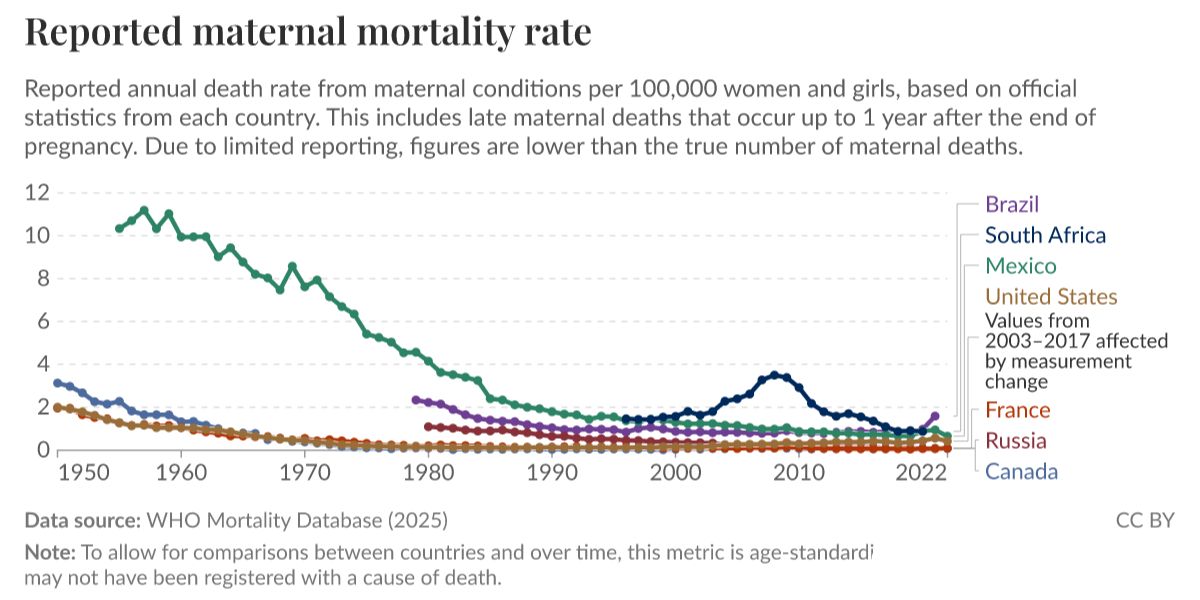
The numbers are still shocking. In 2023, roughly 260,000 women died during or after pregnancy and childbirth—one mother every two minutes. More than 2 million babies died in their first 28 days of life. Another 1.9 million babies were stillborn. That adds up to one preventable death of a mother or newborn every seven seconds. Most of these tragedies happen in low-income countries, especially in sub-Saharan Africa, where 70 percent of maternal deaths occur. A woman in a poor country faces a lifetime risk of dying in childbirth that is 120 times higher than a woman in a rich country. Neonatal mortality continues to drive much of this burden.
Why Has the World Lost Ground?
Why did the world lose ground? The main reasons are simple but stubborn. Many women still cannot reach a skilled midwife or doctor when they need one. Only 73 percent of births in the poorest countries have trained help. Leading causes of death—severe bleeding after birth, high blood pressure, infections, and complications from unsafe abortion—can all be treated with basic care. But clinics often lack medicines, clean water, or electricity. The pandemic disrupted services for years. In conflict zones, health workers face danger, and supplies never arrive. Funding for maternal health also dropped in many places, leaving gaps that grew wider. Neonatal mortality has been heavily impacted by these same barriers.
Challenges Faced by Newborns
Newborns suffer for similar reasons. Premature birth, breathing problems at delivery, and infections kill thousands every day. When mothers get good antenatal check-ups, clean births, and follow-up care in the first week, most of these deaths never happen. Yet millions of families still miss these simple steps. Neonatal mortality rates show how urgently these basic interventions are needed.
Global Action and Commitments to Recover Lost Progress
The world is now waking up and taking action. In 2024, countries at the World Health Assembly passed a special resolution to “recover lost progress.” They promised to focus on the biggest killers of mothers and babies. They agreed to strengthen primary health care—the local clinics and community workers that reach ordinary families every day. This includes training more midwives, keeping emergency supplies ready, and making sure small and sick newborns get special care units. Countries also promised to report every two years on what they have achieved. Countries commit recovery lost progress maternal child deaths through these renewed efforts.
World Health Day 2025 and Ongoing Campaigns
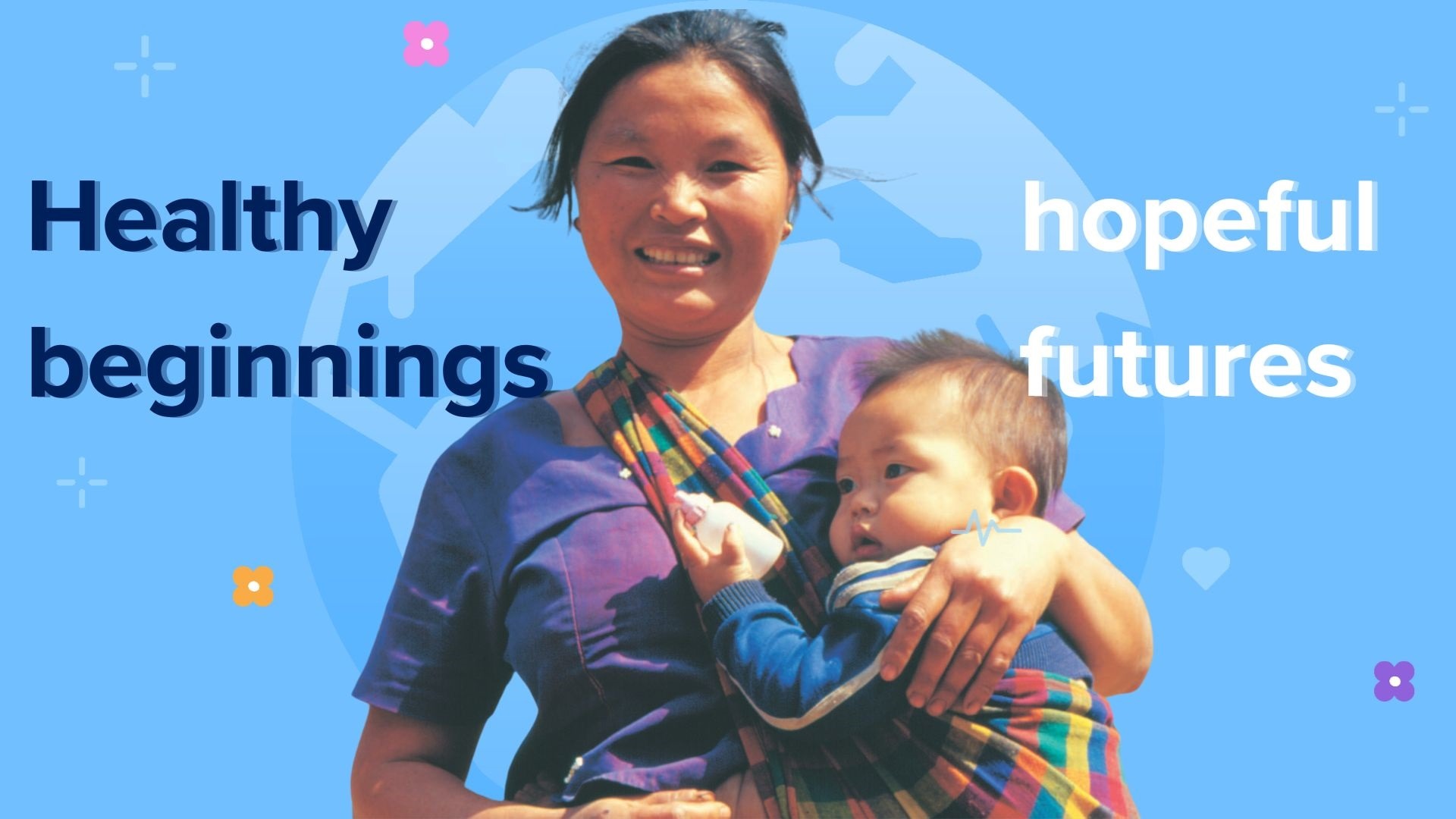
In 2025, World Health Day carried the theme “Healthy beginnings, hopeful futures.” The campaign, which runs into 2026, calls for urgent investment in proven steps: regular pregnancy check-ups, emergency care during birth, family planning so women can space their babies safely, and support for mental health after birth. Dr Anshu Banerjee from the World Health Organization said the goal is to help countries regain lost ground while showing new evidence that works. Urgent action maternal babies’ survival regain progress is now a shared global priority.
Proven Interventions That Save Mothers and Babies
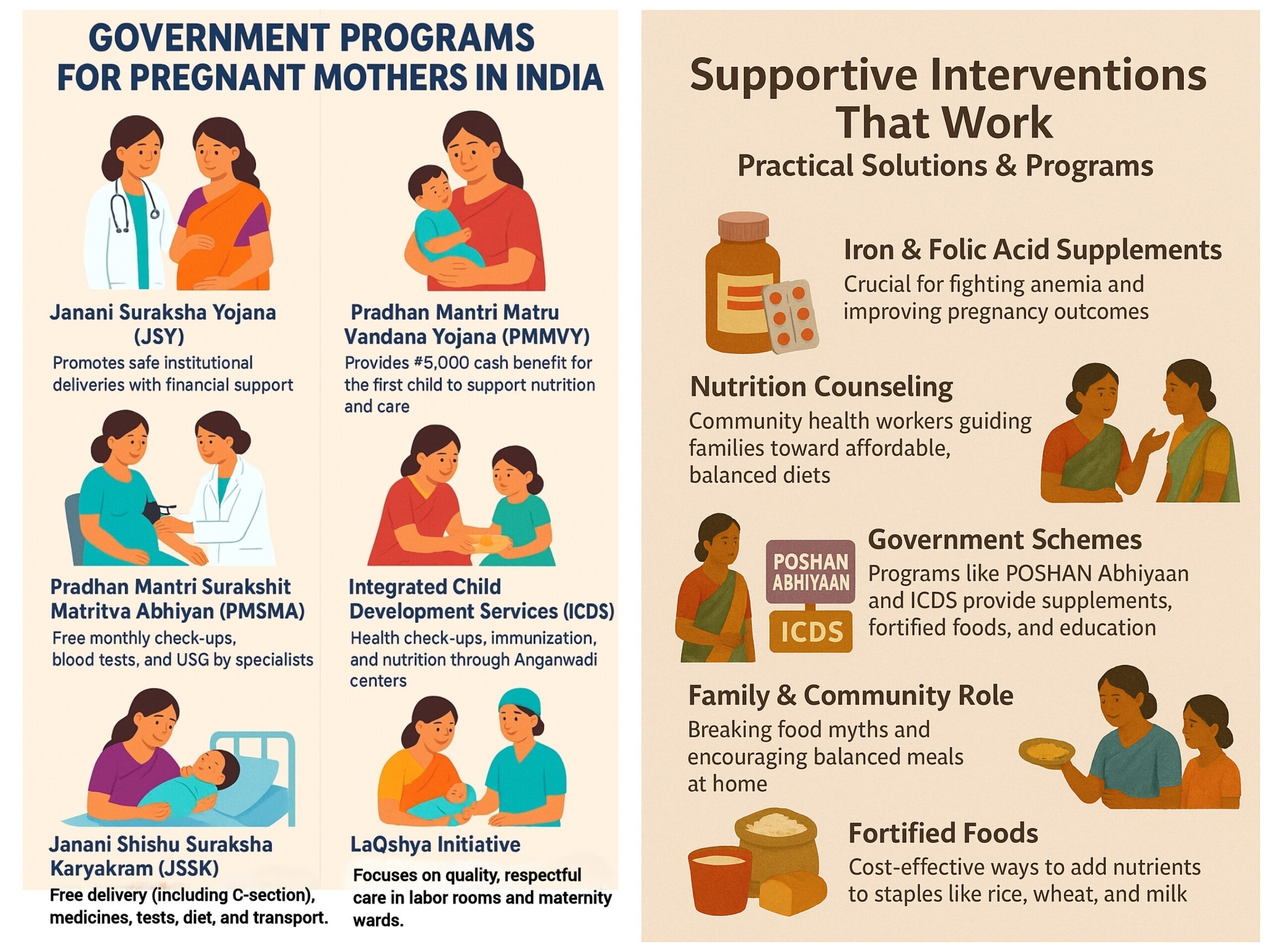
What actually works? Three things stand out. First, every birth attended by a trained person cuts the risk dramatically. Second, simple medicines like oxytocin for bleeding and magnesium sulfate for high blood pressure save lives when given quickly. Third, caring for the mother in the first 24 hours after birth prevents most newborn deaths. Countries that built strong local health systems—like parts of southern Asia—have already cut maternal deaths by more than 70 percent since 2000. Neonatal mortality has dropped significantly in these settings.
Also Read: How Women Live Longer, Despite Being In Poor Health Compared To Men
Real-Life Success Stories
Success stories give real hope. In several nations, community health workers now visit homes to check on new mothers and babies in the first week. Mobile clinics reach remote villages. Governments that increased spending on midwives and clean water saw quick drops in deaths. Even in tough times, these low-cost steps bring results. Post-COVID maternal newborn health regaining lost ground has become a key focus in many of these recovery stories.
Challenges Ahead and the Path Forward
Regaining lost ground will not be easy. It needs money, trained workers, and political will. It also needs fairness—rich and poor countries working together so no mother or baby is left behind. Climate change adds new risks, such as higher temperatures linked to premature births, so health plans must prepare for that too. WHO maternal newborn health regain lost progress remains central to these coordinated plans.
The good news is that the path forward is clear. With steady effort, the world can get back on track and even go further. Every mother who survives and every newborn who thrives builds a healthier future for everyone. Families, communities, and governments all have a part to play. By choosing to invest in maternal and newborn health today, we choose hope over heartbreak. The ground that was lost can—and must—be regained. Neonatal mortality can be reduced further with continued commitment.