
Intersectionality: Examining Racial, Cultural, And Regional Inequalities In Women’s Sports
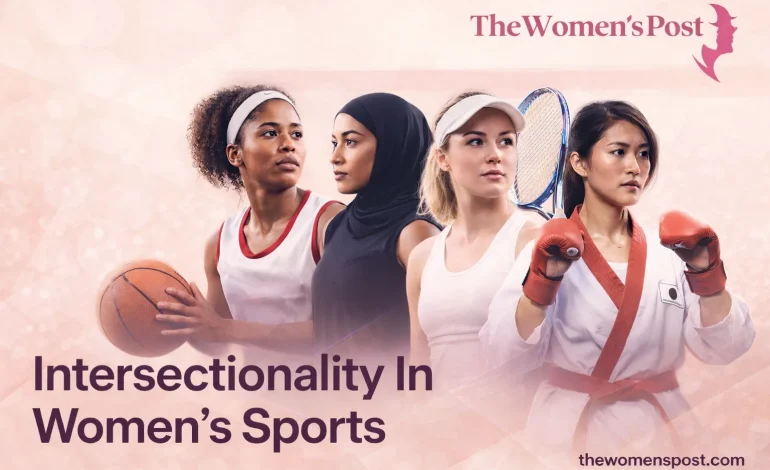

What is intersectionality in sport? It is a method of examining how different aspects of an individual’s identity intersect to create their experiences. Intersectionality in sport helps to explain why not all women face the same issues in sports. While some women face only gender inequality, others face additional inequalities based on their race, culture, or region. This leads to inequalities, which are unequal opportunities to participate, succeed, or lead in sports. Studies have been conducted on intersectionality in sport to advocate for more equal policies in sports institutions.
The concept of intersectionality was introduced by Kimberlé Crenshaw, a black feminist scholar, to illustrate the intersection of racism and sexism for black women. Intersectionality in sport illustrates how these intersections impact all levels of sports, from playing time to coaching positions. For instance, white women may have more opportunities than women of color due to unconscious biases. Research indicates that in the United States, white, middle-class women comprise most of the college team positions, excluding others. Intersectionality in sport makes it clear that this isn’t just about numbers; it’s about how systems in sports keep some groups behind.
Racial Disparities in Women’s Sports
Race plays a big role in how women experience sports. Black women athletes often face both sexism and racism, which can limit their progress. Intersectional inequalities Black women in professional sports are especially clear in elite sports like basketball, where Black women are common as players but rare in coaching or leadership roles. One study found that in U.S. college basketball, Black women are less likely to get promoted compared to white coaches. This comes from stereotypes that see Black women as strong athletes but not as leaders.
Challenges in Soccer and Global Competitions
In soccer, similar issues show up. Black female players in the U.S. report facing layers of oppression that affect their mental health and team dynamics. For instance, they might deal with racial slurs from fans or unequal pay that hits harder because of economic gaps tied to race. In global events like the Olympics, athletes from racial minorities often lack support from their countries, making it harder to train or compete.
Barriers Faced by Asian and Latina Athletes
Asian and Latina women face their own racial barriers. Asian women might be stereotyped as “not athletic enough,” leading to fewer spots in team sports. Latinas could struggle with language barriers or immigration issues that keep them out of youth programs. Overall, racial disparities mean women of color participate less and face more hurdles, like less media coverage or sponsorships.
How intersectionality explains disparities in female athletics globally becomes even more important when we see these patterns repeating across different countries and sports.
Cultural Disparities and Their Impact
Also Read: Tackling Sexism, Misogyny, And Underrepresentation In Sports Media And Leadership
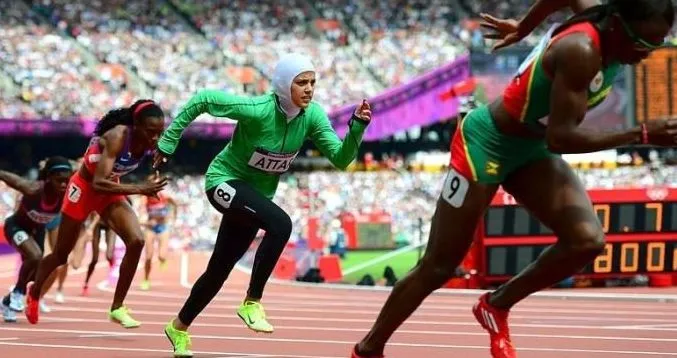
Culture shapes what sports women can play and how they are seen. In some cultures, traditional roles expect women to focus on family over athletics, creating barriers. For Muslim women, wearing a hijab can lead to exclusion if rules don’t allow it, like in some basketball leagues until recent changes. This mixes cultural norms with religious identity, making sports feel unwelcoming.
Challenges in Indigenous and Ethnic Communities
In Indigenous communities, cultural disparities show in lack of access to facilities that respect traditions. Indigenous women athletes might want to include cultural practices in training, but mainstream sports ignore this. Ethnicity also matters—Black and Asian women have lower participation rates than white women, often due to cultural stigma or family pressures.
Media Representation and Cultural Norms
Cultural biases extend to how athletes are portrayed. The media often focuses on white women’s stories, ignoring cultural heroes from diverse backgrounds. This affects young girls; if they don’t see role models like themselves, they might quit sports early. In conservative societies, cultural norms can ban women from certain sports altogether, like in parts of the Middle East where mixed-gender events are taboo.
Regional Disparities Across the Globe
Also Read: The Fight For Leadership Positions And Women Representation In Sports
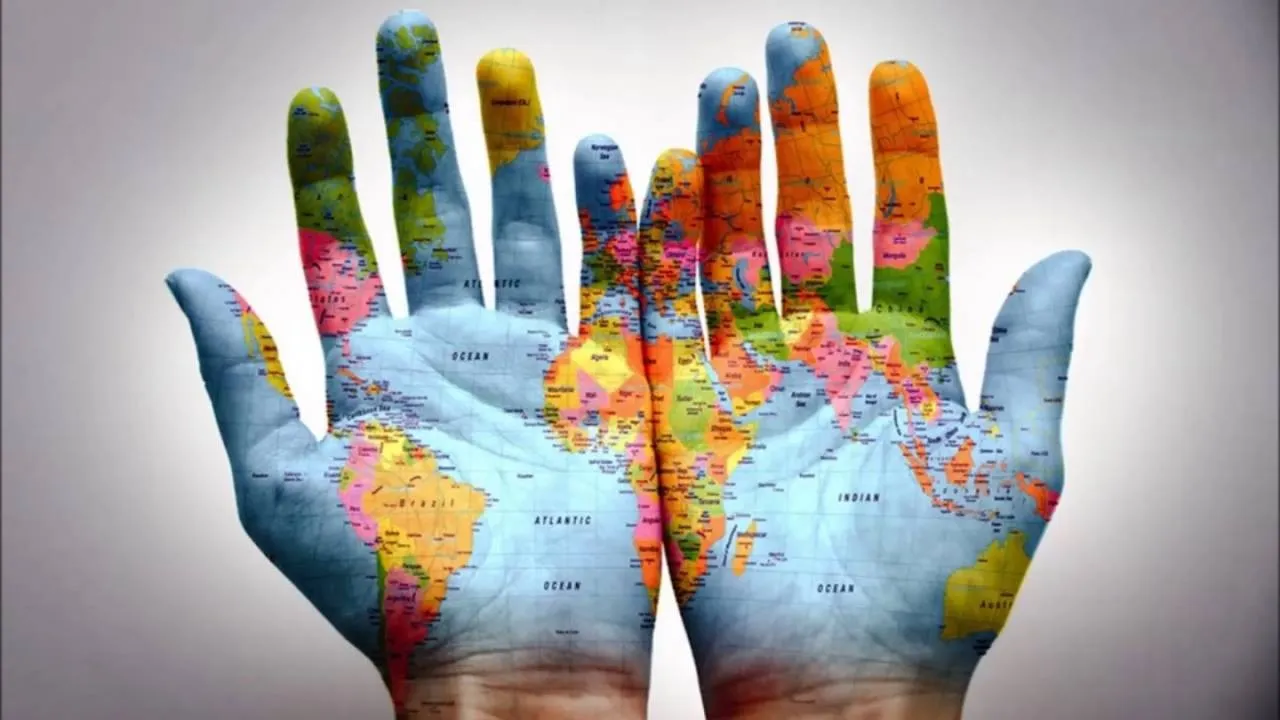
Where a woman lives greatly affects her sports opportunities. In developed countries like the U.S. or Europe, women have more access to programs, but even there, urban areas offer better facilities than rural ones. In cities, girls can join clubs easily, but in rural spots, travel and cost become big issues.
Challenges in Developing Regions
In developing regions, like parts of Africa or South Asia, regional disparities are stark. Poverty and poor infrastructure mean fewer sports fields or coaches for women. In India, for example, women from rural areas face extra challenges like early marriage or lack of safe spaces to play. Global studies show that low-income countries have wider gaps in women’s sports participation due to economic and geographic factors.
Migration and Regional Barriers
Migration adds another layer. Immigrant women in new countries might face regional biases, like not knowing local rules or dealing with discrimination. In Europe, refugees from war-torn areas struggle to join sports teams because of legal or language barriers. Regional differences in participation in women’s sports intersectionality show clearly how location creates extra challenges for many female athletes.
How These Disparities Intersect
Also Read: Benefits Of Health, Confidence, And Empowerment For Women Involved In Athletics
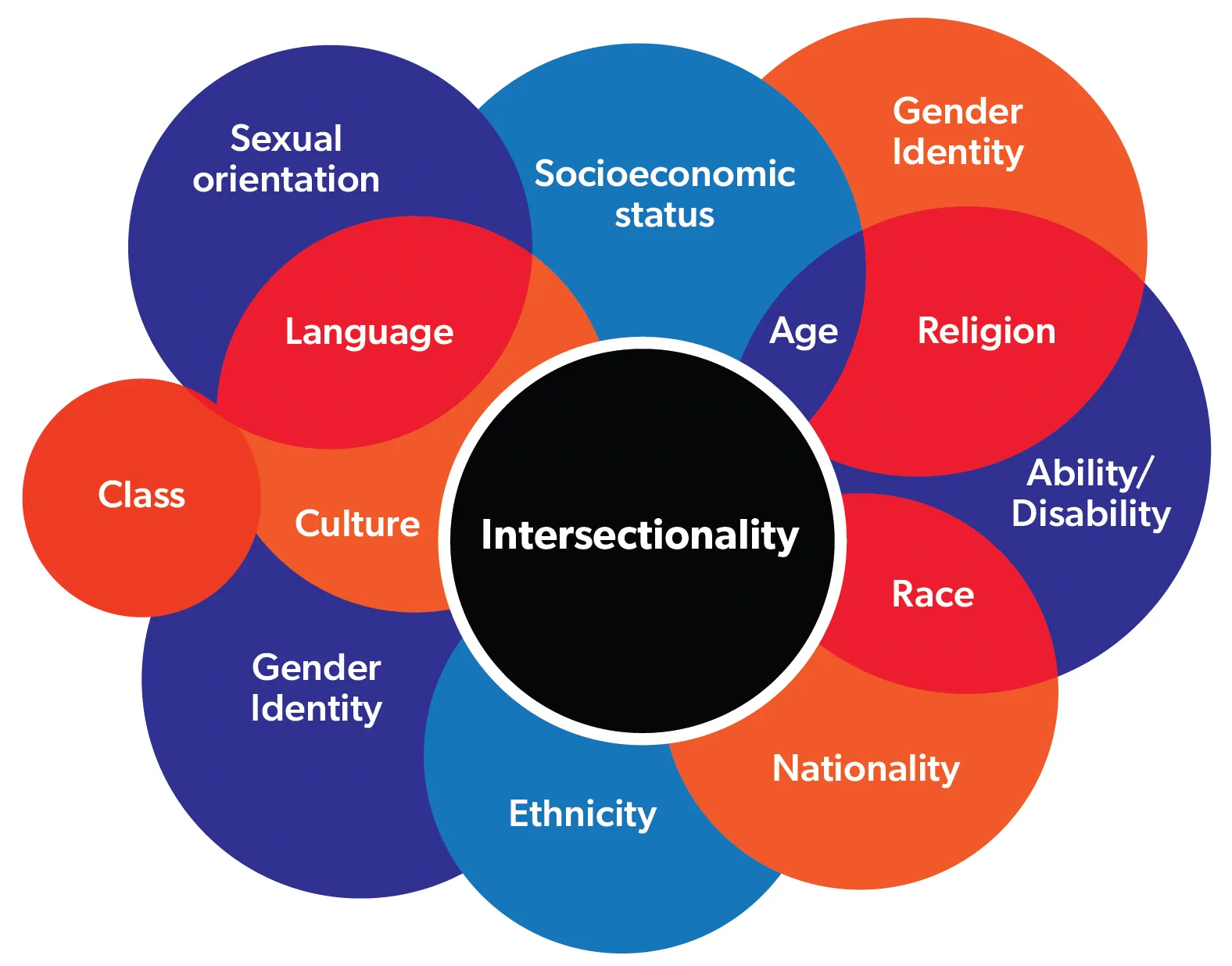
The real power of intersectionality is seeing how race, culture, and region overlap. A Black woman in a rural U.S. area might face racism from teammates, cultural expectations from her community, and limited resources due to her location—all at once. This “multiple jeopardy” makes it harder for her to thrive compared to a white urban athlete.
Global Examples in Major Competitions
In international sports, these intersections show in events like the World Cup. Women from Latin America might deal with racial stereotypes, cultural machismo that downplays women’s sports, and regional underfunding. Disabled women add another layer; a Black disabled athlete faces ableism on top of racism and sexism.
Real-Life Stories of Intersectional Challenges
Examples bring this to life. Serena Williams, a Black tennis star, has spoken about facing racist comments and stricter scrutiny than white players. In Australia, Indigenous women like Cathy Freeman broke barriers but highlighted cultural erasure in sports history. Globally, athletes like Simone Manuel, the first Black woman to win an Olympic swimming gold, show how race and region (access to pools in Black communities) intersect.
Moving Toward Equity
Addressing these disparities needs an intersectional approach in sports policies. Organizations should create programs that consider multiple identities, not just gender. This means more diverse leadership, anti-bias training, and funding for underrepresented areas. Research calls for policies that tackle interlocking oppressions, like racism and sexism together.
In the end, intersectionality in sport shows that women’s sports aren’t equal for everyone. By exploring racial, cultural, and regional disparities, sports can become more inclusive. This benefits all athletes, creating a fairer game where talent, not identity, decides success. Progress is happening, but more work is needed to level the field.