







Women’s health has always suffered from one major problem: a significant lack of reliable data and research. Medical studies in the past heavily utilized male subjects, leaving great holes in the understanding of how diseases varied between genders. Now, technology in women’s health is stepping in to cover the gaps and transform the way women receive their healthcare. Through innovative solutions and data-driven approaches, the healthcare industry is finally paying heed to women’s health.
The Problem: Why Data Gaps Matter in Women’s Health
Historically, women have been underrepresented in medical research. Many clinical trials excluded women of reproductive age, and health conditions that affect only or disproportionately women received scant study. This is how doctors frequently prescribed treatments based on male-centered data, often leading to misdiagnosis or ineffective care for women patients.
Real Consequences of Data Gaps
These data gaps have real consequences. Heart disease symptoms are different for women than for men, but cardiovascular research has traditionally been male-dominated. Reproductive health conditions, such as endometriosis, affect millions of women around the world; yet, research funding remains limited. Menopause and hormonal disorders, along with pregnancy complications, all experience limited data collection and analysis. This ultimately leads to the delivery of healthcare that does little to address the specific needs of women through delayed diagnoses, inappropriate treatments, and worse health outcomes.
How Technology Is Changing the Game
Modern technology in women’s health offers powerful ways to collect, analyze, and act on women’s health data in ways that were not previously possible. Wearable devices, mobile health applications, and artificial intelligence change how healthcare providers understand and treat women’s conditions.
Wearable Technology and Health Monitoring
Also Read: The Impact Of Sex And Gender In Disease Diagnostics In Global Health
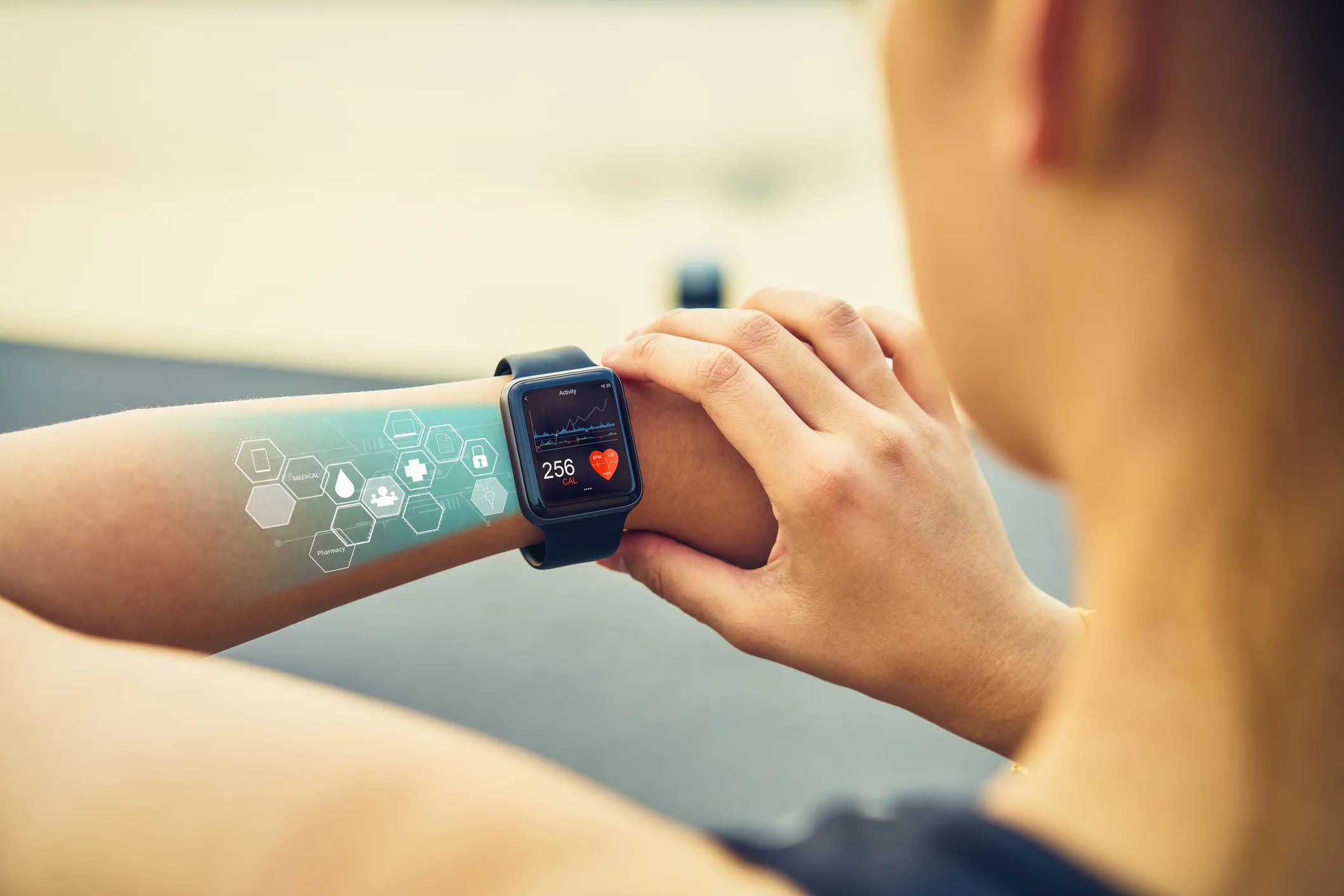
Today, smartwatches and health trackers record vital signs, including heart rate, sleep patterns, and stress levels. These devices can be worn by women daily, and in real time, the data are shared with health professionals. This continuous observation shows trends that office visits sometimes miss: for instance, women charting menstrual cycles can identify peaks in hormonal changes and how those affect their overall health, thus allowing for more tailor-made treatments.
Mobile Health Applications
Specific smartphone apps for women’s health further empower patients in their healthcare journey. The tracking of period, fertility, pregnancy, and menopause symptoms through apps creates comprehensive health records. These applications help not just individual women in managing their respective conditions but also aggregate data that can be analyzed by researchers for trends toward better treatments. This can include symptoms, medications taken, and lifestyle factors that provide a full picture to the doctor between office visits.
Artificial Intelligence and Data Analysis
Artificial intelligence is particularly good at pattern recognition in large volumes of data. Machine learning algorithms can go through millions of women’s medical records to identify the early warning signs that may indicate the onset of disease. AI can detect breast cancer more precisely in imaging scans, predict pregnancy complications, and even diagnose rare diseases by analyzing symptoms. In this way, AI systems learn how conditions might present differently in women with a variety of genetic backgrounds, ages, and socioeconomic statuses through the data they process on diverse populations of women.
Telemedicine and Remote Care
Technology in women’s health can now facilitate the consulting of healthcare providers from the comfort of one’s home, eliminating major barriers such as transportation costs and time constraints. Through telehealth platforms, specialists in women’s health are connected to women in remote or underserved areas. Video consultations, secure messaging, and remote monitoring make healthcare more accessible, ensuring quality care for women regardless of geographic location.
Real-World Impact: Examples of Innovation
Several groundbreaking initiatives are rapidly bridging these data gaps in women’s healthcare:
Reproductive Health Technology
Companies developing advanced fertility tracking tools merge AI with user data to predict ovulation and spot potential fertility issues early. These technology-enabled solutions for women’s health data gaps gather insights about reproductive patterns across several thousand women, creating invaluable datasets that build our knowledge of fertility and hormonal health.
Maternal Health Monitoring

Also Read: Overcoming Latch Issues In the First Weeks Of Breastfeeding
Wearable devices intended for pregnant women track blood pressure, glucose levels, and fetal heart rates. These devices notify healthcare providers regarding any potential complications such as gestational diabetes or preeclampsia well in advance of these conditions becoming critical. By collecting data from diverse populations, researchers can better determine which women are at higher risks so that targeted interventions can be developed.
Cardiovascular Disease Detection
Advanced smartwatches can detect irregular heart rhythms that are a hallmark of atrial fibrillation, a condition common in women but often missed in standard checkups. Early detection allows for preventive treatment that could save lives.
Menopause Management
Digital platforms enable women to monitor their menopausal symptoms and their reactions to specific treatments. It helps doctors understand the variations that menopause can cause in different women and develop better management techniques more suited to a patient’s needs.
Addressing Equity and Inclusion
While technology in women’s health holds tremendous promise, it’s time to make sure these innovations improve the lives of all women. Data gaps have also hit hard at minority women and those from lower socioeconomic backgrounds, who often get less medical attention. Innovations in health disparities in women are increasingly being developed by technology companies and healthcare providers who work to include diverse populations in their data collection efforts. By making sure women of different races, ages, and backgrounds take part in digital health programs, the resulting data is more representative, and the treatments developed for everyone are more effective.
The Role of Researchers and Healthcare Providers
Technology in women’s health in and of itself will not solve the challenges of women’s health. Indeed, researchers must proactively design studies that include women participants. Training for healthcare providers will be necessary in terms of interpreting and acting on the data that such technologies generate. Progress in meaningfully closing data gaps in women’s healthcare requires collaboration among technology companies, medical institutions, and the women themselves.
Challenges and the Way Forward
Yet amidst these exciting advances, challenges remain: privacy of health data storage and sharing need robust protection; technology has to be made affordable and accessible to all women, not merely those with means; and regulatory frameworks need to change with rapid innovation, yet without compromising safety. Moving forward, the healthcare industry must be committed to the collection of thorough, representative data on women’s health across demographics. Investment in women-centered research and technology development should be on the rise. Most importantly, women’s voices must be at the forefront of solution design to make sure innovations in health disparities for women meet real needs and result in actual improved health.
Concluding Remarks
New advances in data-driven women’s healthcare and a growing commitment to filling in historical data gaps are finally giving women’s health the attention it deserves. Technology in women’s health, from wearables and mobile apps to AI and telemedicine, is changing how healthcare providers understand and treat women’s conditions. Technology-enabled solutions for women’s health data gaps mean diverse, comprehensive data intake and treatments based on actual women’s experiences are making the healthcare system more effective and equitable. And with technology still evolving and increasing numbers of women engaging with digital health tools, the future for women’s healthcare is brighter than ever: one in which every woman receives care tailored just for her needs and grounded in sound evidence particular to women’s health.