






General Motors: Driving Over a Century of Innovation and Mobility


Name: General Motors (GM)
Founded: 1908 (reorganized post-bankruptcy in 2009)
Headquarters: Detroit, Michigan, USA
Brands: Chevrolet, Buick, GMC, Cadillac
Global Presence: Operates in 140+ countries; production in about 37 countries.
Core Mission & Vision: Engineering, innovation, mobility; evolving automotive manufacturing into future-ready mobility with technology, sustainability, and global reach.
1. A Storied Legacy: From 1908 to Present
GM’s origins trace back to 1908, when it began as a consolidation of several motorcar companies under founder William C. Durant. Over the decades, under leaders like Alfred P. Sloan Jr., GM restructured into a coordinated automotive enterprise — bringing together diverse brands with a central management system.
GM became synonymous with automotive mass-production, scale, and variety: from affordable cars to luxury vehicles, a philosophy summed up as “a car for every purse and purpose.”
However, like many legacy automakers, GM faced challenges: shifting consumer demand, global competition, and evolving industry dynamics. It underwent bankruptcy reorganization during the 2008 financial crisis, ultimately re-emerging in 2009 as a leaner entity focused on its core brands.
Despite these upheavals, GM endured — adapting, restructuring, and redefining itself for new eras of mobility.
2. What GM Does Today: Products, Innovation & Scope
A. Brand Portfolio & Vehicle Offerings
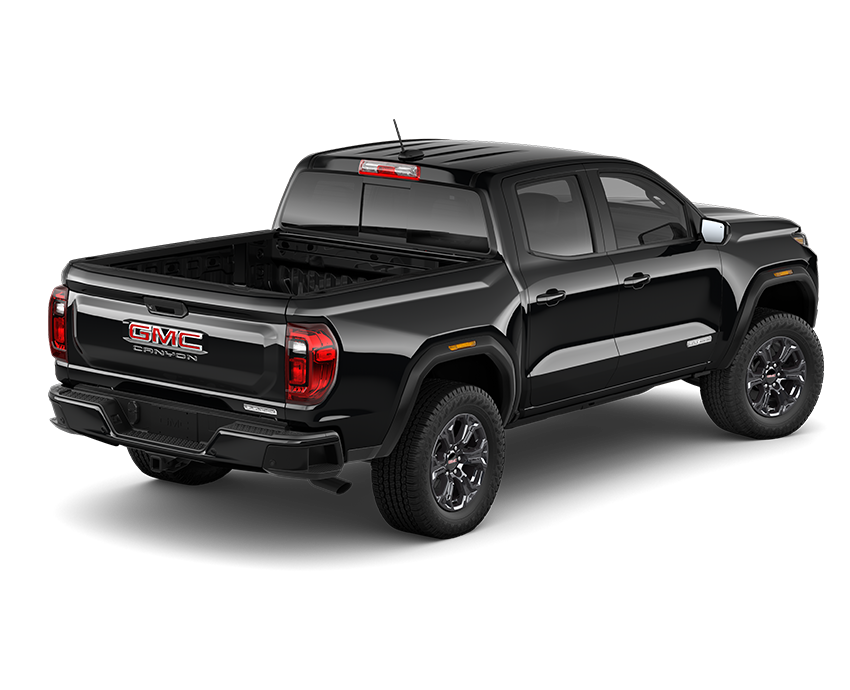
GM currently operates under four principal brands: Chevrolet, Buick, GMC, and Cadillac. These brands cover a wide array of vehicle categories, including:
Entry-level and mid-range cars
SUVs and trucks
Luxury vehicles and premium models
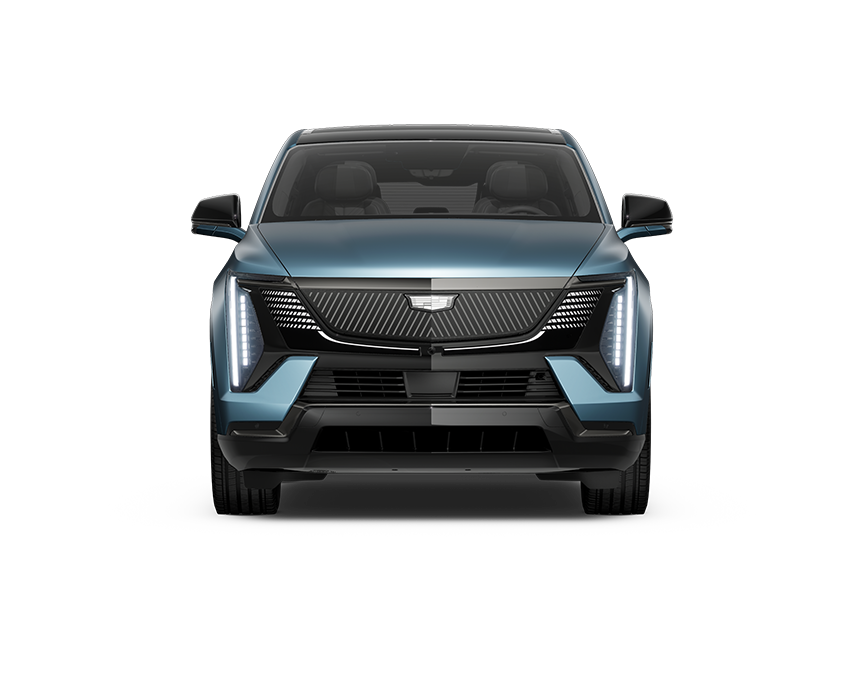
Electric vehicles (EVs) and hybrid/alternate-powertrain models
Commercial and fleet vehicles
This broad spectrum allows GM to serve diverse customers — from value-driven buyers to luxury and performance-seeking clients.
B. Commitment to Innovation & Future Mobility
Innovation remains central to GM’s identity. According to its own materials, GM invests heavily in R&D, working on battery systems, energy and propulsion technology, connected-vehicle tech, software-defined cars, and modern manufacturing processes.
As part of its future-oriented vision, GM committed earlier to an all-electric future (ending production of purely internal-combustion-engine vehicles by 2035, aiming for carbon-neutral operations by 2040) — a commitment that reflects its ambition, even as the company adapts to real-world market conditions.
In 2025, GM publicly announced an expanded collaboration with NVIDIA to embed AI and advanced computing into both its manufacturing lines and next-generation vehicles — including AI-assisted driving systems, in-vehicle computing power, robotics for factories, and digital-twin simulations to improve safety and efficiency.
Further, GM revealed a bold roadmap for coming years: by 2026, many of its vehicles are expected to feature conversational AI (initially via Google Gemini) and from 2028 onward a unified, centralized vehicle computing platform that could bring “software-defined” cars — enabling over-the-air updates, smarter vehicle systems, and eventually “eyes-off” driving on mapped highways (starting with the Cadillac Escalade IQ).
C. Strategic Collaborations & Market Expansion
GM’s strategy also involves strategic alliances to expand reach and share development costs. In 2025, GM signed a collaboration agreement with Hyundai Motor Company to co-develop five vehicles — including compact SUVs, pickups, and an electric commercial van — targeting Central/South American markets as well as North America. This move aims to combine the strengths of both automakers and deliver up to 800,000 vehicles per year (once scaled) under shared platforms.
3. GM’s Market Position & Global Footprint
As of 2025, GM remains among the largest global automakers by revenue and production, with operations spanning more than 140 countries and manufacturing presence in roughly 37 countries.
In the United States — its core market — GM continues to hold substantial market share in both retail and fleet sales. Its manufacturing capacity, brand breadth, and distribution network make it a major force across vehicle categories.
This global scale gives GM advantages in R&D investment, economies of scale, supply-chain flexibility, and the ability to respond to diverse regulatory and consumer environments — all important for navigating a rapidly evolving auto industry.
4. Challenges & Strategic Pivots
Over its history, GM has faced significant challenges: changing consumer preferences, competition, economic downturns, and the transition from legacy internal-combustion vehicles to electrification and software-defined mobility.
Restructuring and brand pruning: Over the decades, many legacy brands under GM (e.g., Pontiac, Oldsmobile, Saturn, Saab, Opel/Vauxhall) were discontinued or sold off — reflecting shifting strategy and market realities.
Bankruptcy and reorganization: The 2008 financial crisis forced GM into Chapter 11 restructuring — a drastic reorganization involving plant closures, liability restructuring, and refocusing on core brands.
Adapting to shifting mobility trends: As the auto industry shifts toward EVs, software, autonomy, and sustainability, GM must invest heavily in R&D, transform its manufacturing paradigms, and balance short-term profitability with long-term innovation — a challenging balancing act.
Global market volatility and competitive pressure: In markets worldwide (including China and other major auto markets), competition from local automakers and shifting consumer demand put pressure on GM’s traditional operating model. Strategic alliances, market exit or restructuring may be needed.
These challenges explain why GM has in recent years restructured priorities: investing in EVs/AVs, collaborating with technology partners, and pivoting toward flexible global strategies — rather than simply relying on scale and legacy advantage.
5. Why GM Still Matters — Then, Now, and Tomorrow
Legacy with adaptability: GM isn’t just a legacy automaker — it has reinvented itself multiple times over a century, balancing tradition with innovation.
Global scale + diversified portfolio: With multiple brands and a wide product range, GM can serve many customer segments across geographies — from budget cars to luxury vehicles, from ICE to EV.
Innovation-first mentality: Investments in AI, software, sustainable propulsion, and strategic partnerships position GM to play a central role in the future of mobility.
Resilience through change: GM’s history of restructuring, adaptation, and learning means the company is likely to navigate future disruptions more robustly than many.
Influence on mobility ecosystems: Through its manufacturing footprint, supply-chain network, R&D, and strategic collaborations, GM helps shape global automotive standards — affecting how vehicles are built, sold, powered, and driven worldwide.
Whether you are a car buyer, industry watcher, investor, or mobility enthusiast — GM offers a blend of history, capability, and ambition that few automakers can match today.
6. The Road Ahead: What to Watch from GM
🚗 Accelerated Electrification & EV Platforms
GM remains committed to expanding its EV offerings, leveraging platforms like Ultium to produce electric cars and trucks for both retail and fleet customers.
🤖 AI & Software-Defined Vehicles
With the GM–NVIDIA collaboration and the planned rollout of in-car AI, centralized computing platforms, and over-the-air updates, GM is pushing into becoming a technology-driven mobility company — not just a traditional automaker.
🔧 Strategic Partnerships & Global Collaborations
The recent agreement with Hyundai to co-develop vehicles shows GM’s openness to shared platforms and global market strategies to reduce cost and increase scale.
🌍 Market Realignment and Sustainability
General Motors must balance legacy ICE business while accelerating the shift to sustainable mobility, navigating regulatory, consumer, and competitive pressures around the world.
🏭 Manufacturing & Supply-Chain Modernization
Using AI, robotics and digital twins to optimize factories, improve safety, and enhance manufacturing efficiency — potentially creating a blueprint for 21st-century auto manufacturing.
Conclusion: GM — Where Tradition Meets Tomorrow
General Motors stands as a bridge between a storied automotive past and a rapidly evolving mobility future. Its legacy — of innovation, scale, and influence — gives it a foundation few rivals can rival. Its current direction — toward electrification, software, and global collaboration — positions it to remain relevant and influential for decades to come.
For anyone interested in the automotive industry, mobility trends, or corporate reinvention at scale, GM’s journey offers valuable lessons: about adaptability, innovation, resilience, and the importance of continuously rethinking what a legacy company can become.