


Emerging Women Artists Redefining MENA And African Contemporary Scenes

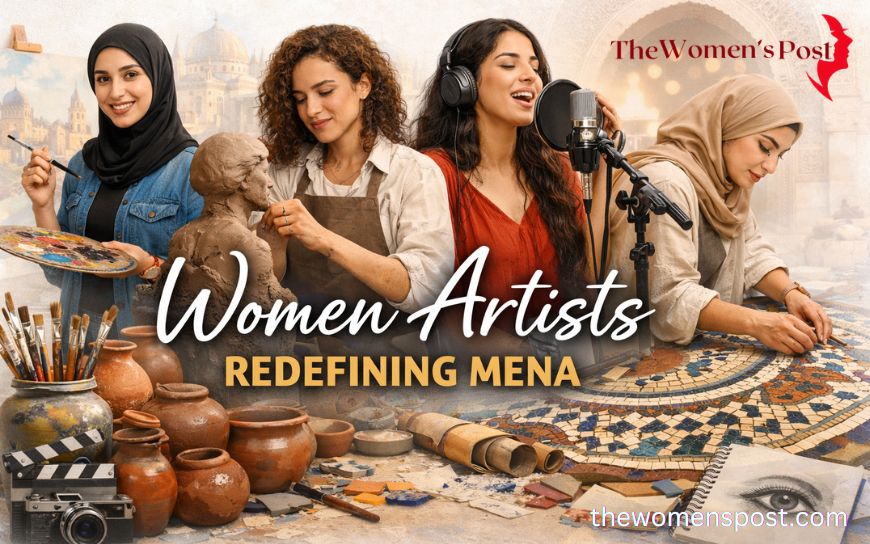
Emerging women artists are having an immense impact on the MENA and African contemporary art scenes. These talented women artists hail from places such as Saudi Arabia, Iraq, Morocco, Nigeria, Ivory Coast, and South Africa, among others. These women artists express themselves through mediums such as paintings, photographs, sculptures, and mixed media, narrating stories that encompass themes such as women, gender, tradition, and transformation, among others.
Women artists in the contemporary art world, particularly in the MENA region, are redefining the meaning of art in the 21st century, as the world has, over the years, witnessed the dominance of male artists in the field of art. These women artists incorporate traditional culture with modern technology, challenge the status quo, and receive global recognition from auction houses, galleries, and biennales, as they create not only visually captivating art but also thought-provoking art that redefines the meaning of art in the MENA region.
The Rise of Women Artists in MENA Contemporary Art
In the MENA region, women artists are rising fast amid social shifts and growing art markets. Sales by female MENA artists jumped more than 30 percent in recent years, showing strong demand.
Dana Awartani: Reimagining Islamic Geometry
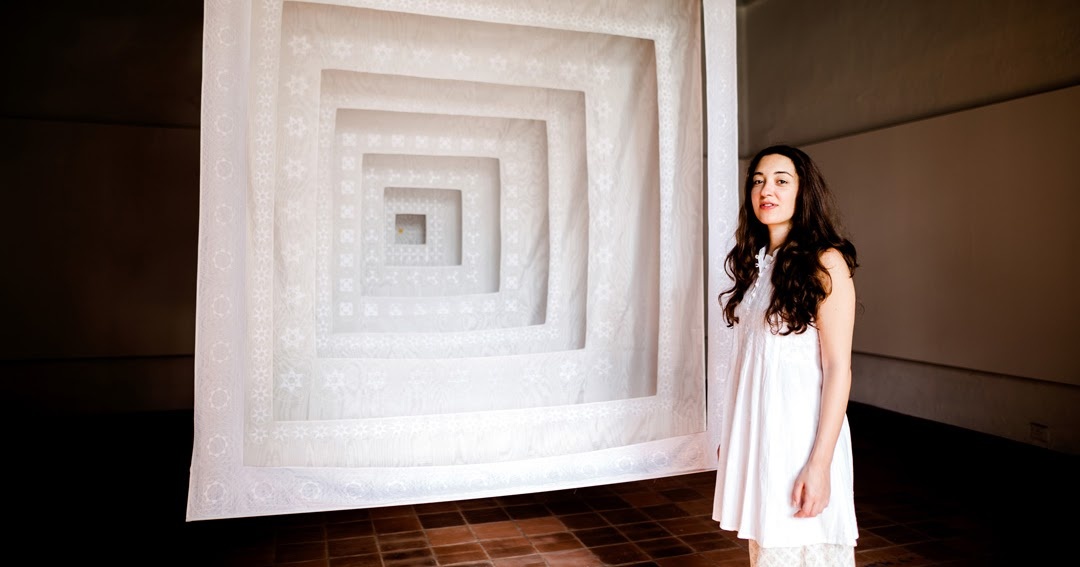
One standout is Dana Awartani from Saudi Arabia. She reimagines ancient Islamic geometry and crafts in large installations. Her pieces often critique patriarchy and strict traditions while honoring heritage. By using site-specific works that invite viewers to walk through patterns and symbols, she turns old techniques into tools for social comment in MENA contemporary art.
Hayv Kahraman: Exploring Diaspora and Trauma
Also Read: How To Build Your Own Mini Home Art Gallery Or Cultural Corner
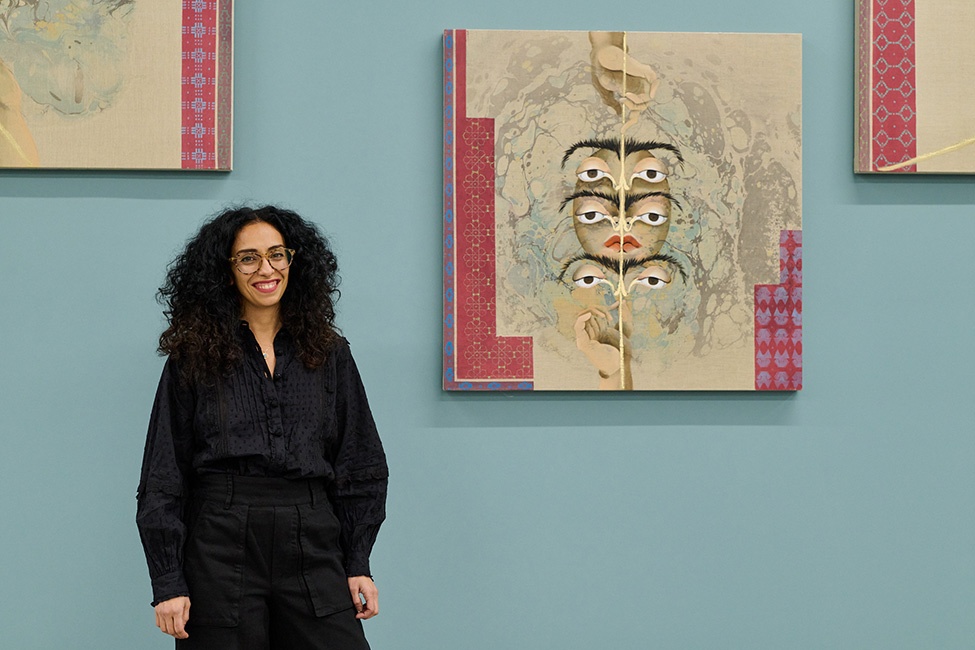
Another key figure is Hayv Kahraman, an Iraqi artist of Kurdish roots now based in the United States. Her paintings, sculptures, and performances draw from Persian miniatures and personal memories of exile. She explores the female body, trauma, and diaspora life. Kahraman uses 3D scans and layered images to show how women navigate cultural stereotypes and displacement. Her art gives voice to marginalized stories and has entered major collections worldwide in MENA contemporary art.
Lalla Essaydi: Reclaiming Female Identity
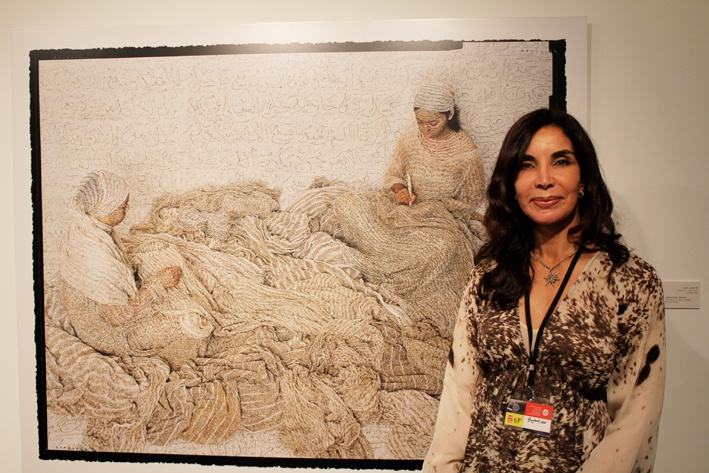
Lalla Essaydi from Morocco takes a direct approach to female identity. In her photography and paintings, she covers women’s bodies, fabrics, and spaces with Arabic calligraphy written in henna. This style reclaims Orientalist images from the past and flips them upside down. She highlights tensions between tradition and modern life, pushing back against how Arab women have been portrayed. Her layered works invite viewers to question power and gender roles in MENA contemporary art.
Farah Al Qasimi: Capturing Gulf Life
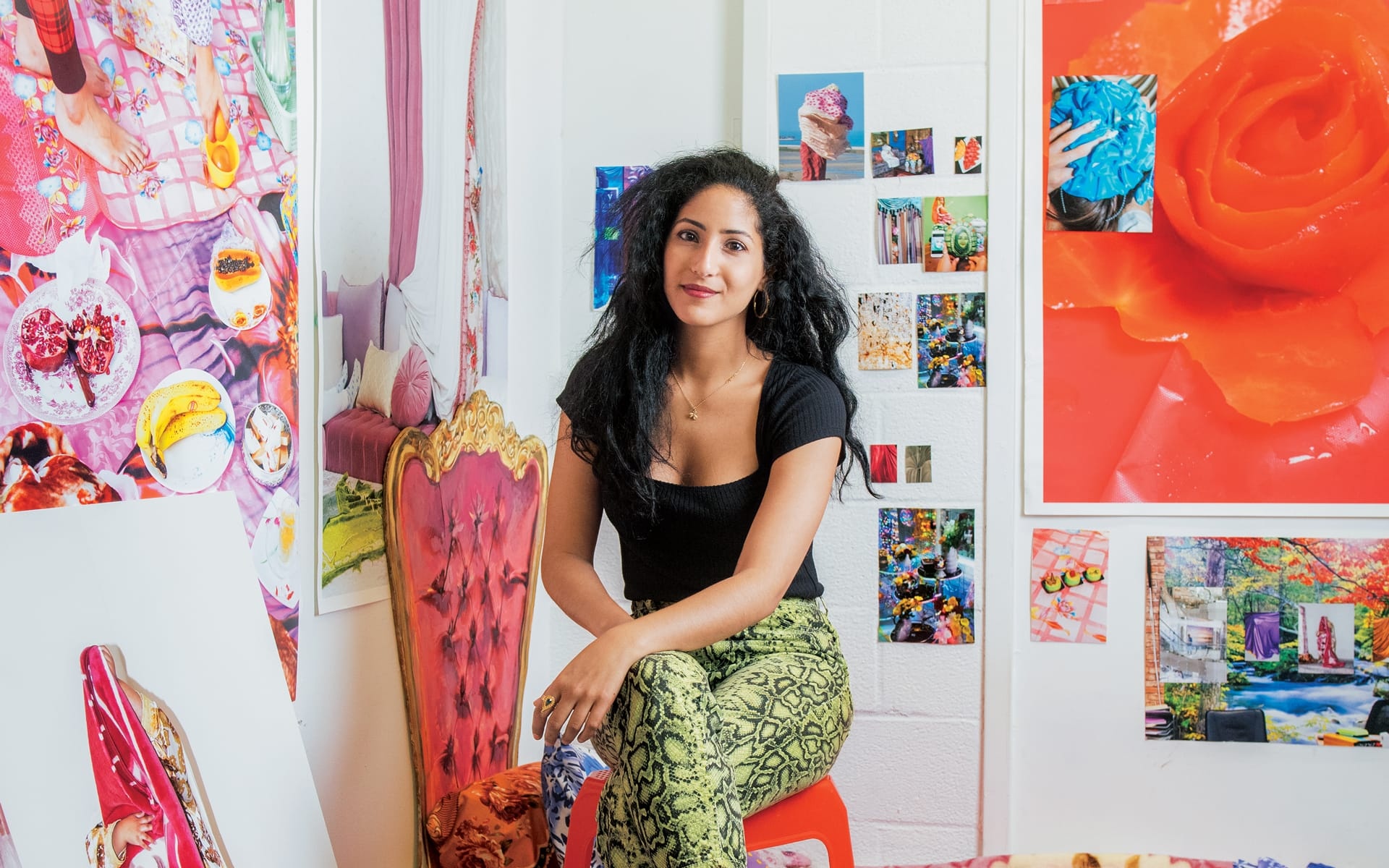
Farah Al Qasimi, from the United Arab Emirates, adds photography and film to the mix. Her bright, hyperreal images capture consumer culture, gender expectations, and everyday life in the Gulf. She mixes humor and critique to show post-oil society and identity in a changing world. These MENA artists often face censorship or limited local support, but they connect through diaspora networks, biennales like Diriyah, and international fairs. They prove that heritage and innovation can go hand in hand in MENA contemporary art.
Powerful Women Artists Reshaping the African Contemporary Scene
On the African side, women artists are equally powerful in reshaping the scene. Exhibitions and awards, such as the ANNA Awards, spotlight their rising talent.
Joana Choumali: Blending Photography and Embroidery
Also Read: Masculinity And Femininity In Traditional Cultural Performances
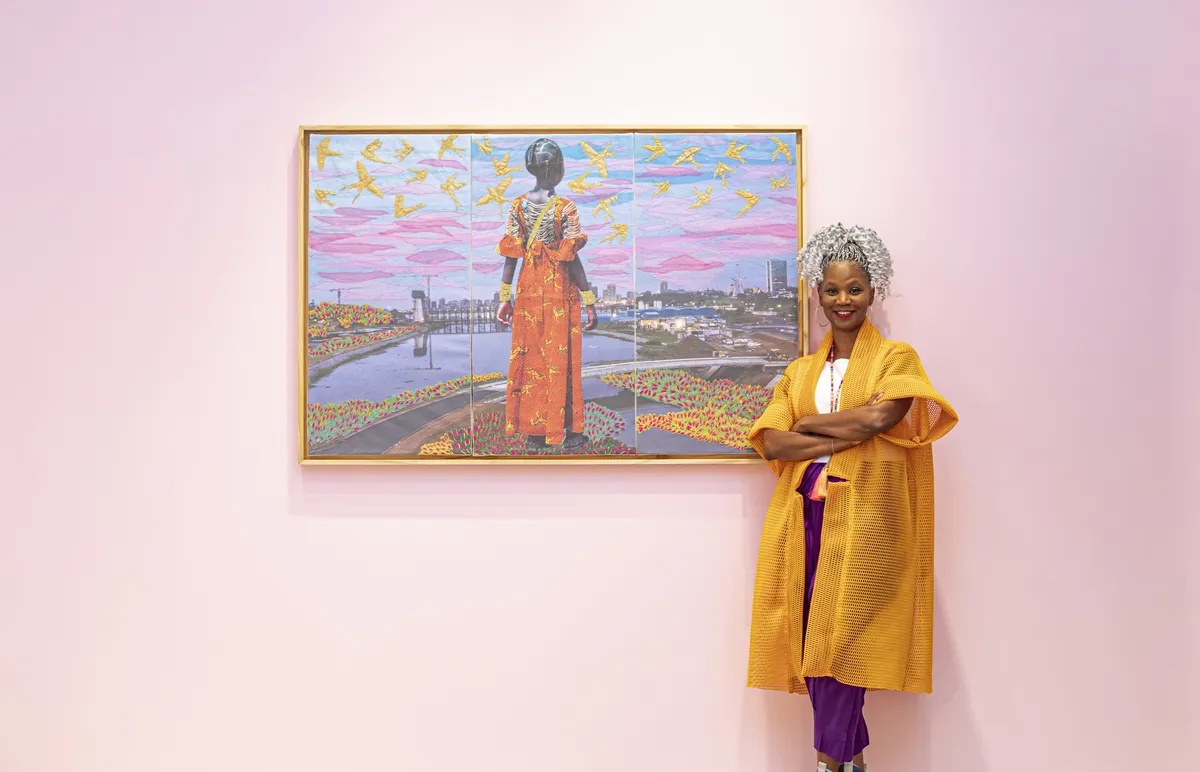
Joana Choumali from Ivory Coast stands out for her unique style. She starts with digital photos of daily African life and adds hand embroidery. Her series like “Ça va aller” deals with trauma, recovery, and hope after crises. By blending photography with traditional craft, she creates tactile stories that feel personal yet universal. Her work bridges old and new ways of telling African experiences in emerging black female artists Africa contemporary scene.
Peju Alatise: Multidisciplinary Social Commentary
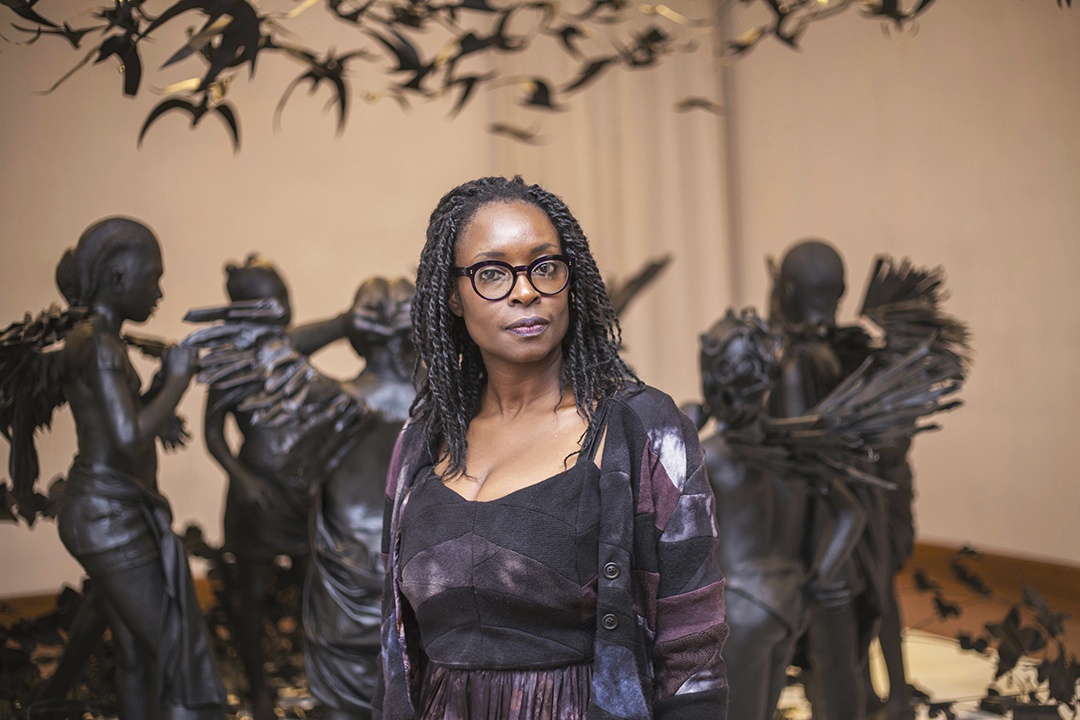
Peju Alatise, a Nigerian multidisciplinary artist, uses sculpture, painting, and even writing to challenge society. She focuses on the strength of African women, child labor, and life in busy cities like Lagos. Her pieces celebrate resilience while exposing hardships. Alatise also runs programs to mentor young creators, helping build a stronger art community. Her bold approach turns personal stories into calls for freedom and equality in emerging black female artists Africa contemporary scene.
Billie Zangewa: Everyday Feminism in Silk
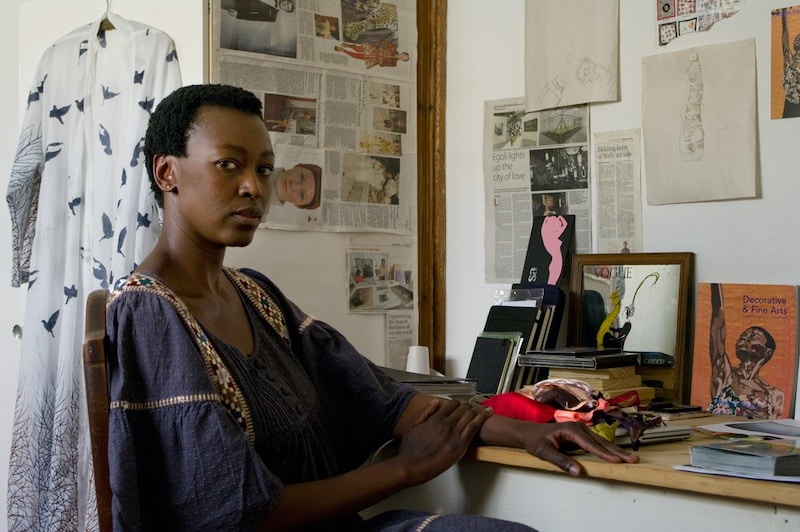
Billie Zangewa from Malawi, who works in South Africa, creates silk tapestries that look like everyday scenes. She stitches images of motherhood, home life, and women’s labor. Themes of femininity, self-love, and racial prejudice run through her soft yet strong works. Zangewa calls this “daily feminism,” showing how ordinary tasks carry deep meaning. Her art redefines the personal as political and highlights undervalued roles of women in emerging black female artists Africa contemporary scene.
These African artists often draw from local fabrics, spiritual traditions, and community life. They mix them with global techniques to address migration, globalization, and healing. Many started with less institutional support than Western artists, yet they now appear in major shows like those at the Smithsonian or MoMA. Their success helps grow Africa’s art market and brings pride to the continent in new generation women artists MENA African art market.
Also Read: Women As Creators, Patrons, And Collectors In History
What Makes These Artists Redefine Contemporary Art
What makes these women truly redefine the scenes is their shared focus on big issues. They tackle gender equality, cultural identity, environmental concerns, and the effects of history like colonialism or conflict. Instead of copying Western styles, they revive local methods—calligraphy, textiles, geometry—and give them modern twists. This fusion creates art that feels authentic and urgent. In MENA, they fight orientalist views and push for women’s rights in conservative societies. In Africa, they celebrate Black experiences and challenge stereotypes in powerful emerging women artists in African and Arab contemporary art.
Growing Global Recognition and Future Outlook
Global recognition is growing fast. More women from these regions enter auctions, win prizes, and join biennales. Institutions now collect their work, and fairs in Dubai, Cape Town, and beyond highlight them. This shift brings economic opportunities and inspires younger generations in emerging women artists redefining MENA contemporary art. Still, challenges remain. Some artists deal with limited resources, travel restrictions, or societal pressure. Yet many use digital platforms, collectives, and international networks to keep creating and sharing in emerging women artists redefining MENA contemporary art.
The rise of these emerging women artists signals a brighter future for MENA and African contemporary art. They are not just filling galleries—they are building new narratives and opening doors for others in powerful emerging women artists in African and Arab contemporary art. Their stories of strength, creativity, and change remind us that art has the power to connect cultures and spark real progress. As more exhibitions and collectors discover their work, the scenes will keep evolving in exciting ways. These artists show that talent from these regions is not emerging—it is already here, leading the way in the new generation of women artists in the MENA African art market.


